

close
Choose Your Site
Global
Social Media
Views: 247 Author: XingKun Packaging Publish Time: 2026-08-30 Origin: Site


Content Menu
● Quick Answer: Average Empty Cardboard Box Weight
● What Determines the Weight of a Cardboard Box?
>> 1. Box Dimensions and Surface Area
>> 2. Single-Wall, Double-Wall, and Triple-Wall Construction
>> 3. Paper Grade and Basis Weight
>> 4. Flute Type and Board Thickness
>> 5. Printing, Coatings, and Added Components
● How Much Does a Small Cardboard Box Weigh?
● Why Box Weight Matters for Shipping Cost
>> Example: Why Right-Sizing Can Reduce Cost
● How to Estimate Cardboard Box Weight Before Ordering
>> Step 1: Define the Finished Box Style
>> Step 2: Confirm Internal Dimensions
>> Step 3: Choose a Board Specification
>> Step 4: Include All Packaging Components
>> Step 5: Test the Actual Packout
● Box Strength Is Not the Same as Box Weight
● Practical Ways to Reduce Box Weight Without Sacrificing Protection
>> Replace Loose Fill with Designed Inserts
>> Match Board Grade to the Actual Shipping Risk
>> Consolidate Packaging Layers Carefully
● Choosing the Right Box for Your Product
>> How much does a standard cardboard box weigh?
>> How much does a box weigh with products inside?
>> Does a heavier box always provide better protection?
>> What is dimensional weight?
>> How can I reduce shipping costs through packaging?
>> What is ECT in corrugated packaging?
>> Should I use single-wall or double-wall corrugated boxes?
>> Can custom printing significantly increase box weight?
How much does a box weigh? An empty cardboard box may weigh less than 0.5 lb for a small mailer or several pounds for a large heavy-duty corrugated carton. However, the most useful answer is not a single number. Box weight depends on dimensions, board construction, paper grade, flute profile, printing, coatings, inserts, and the level of protection required during transport.
For brands, distributors, and growing e-commerce businesses, selecting the right box weight is a balancing act. A lighter carton can reduce material use and freight cost, while a stronger carton can prevent crushing, returns, and product damage. At Shenzhen XingKun Packing Products Co., Ltd., our packaging team has spent more than 20 years producing custom packaging boxes and printed products for brands and distributors in over 30 countries and regions. In real production, the best packaging solution is rarely the lightest possible box. It is the lightest box that still protects the product reliably throughout warehousing, handling, and delivery.
This guide explains average cardboard box weight, the factors that affect it, how to estimate it before production, and how to choose a practical packaging specification for your product.
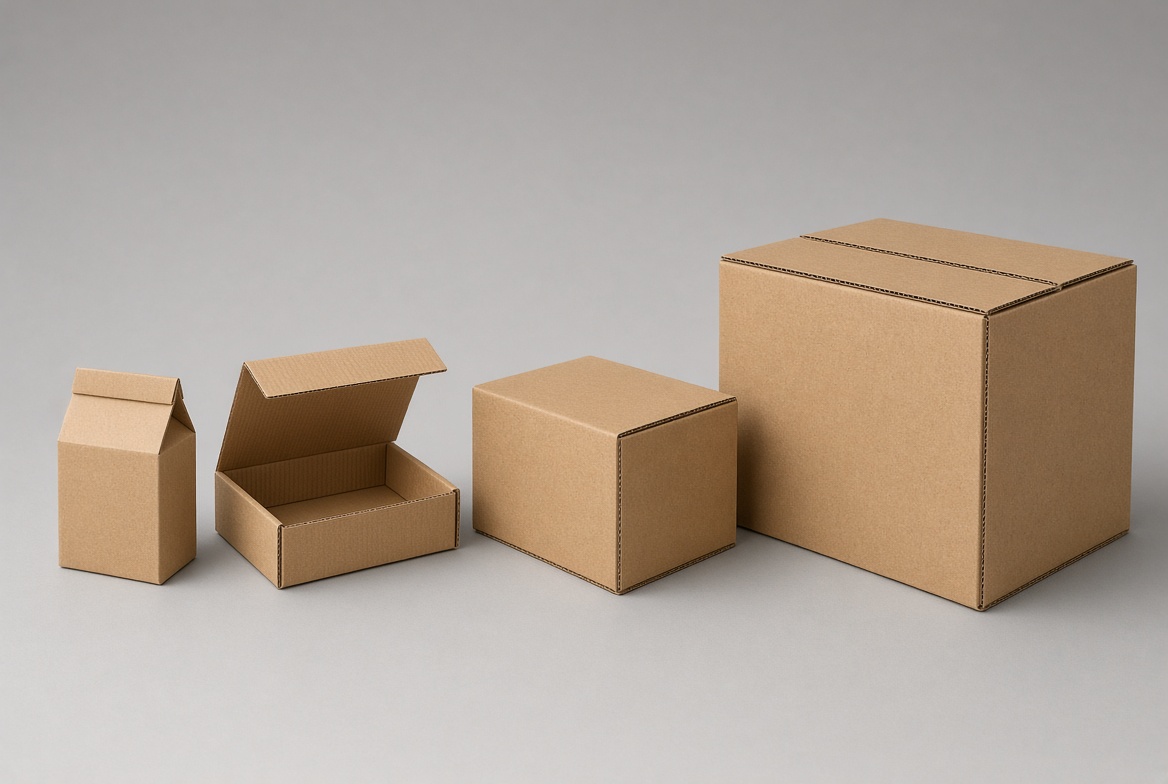
Most empty corrugated shipping boxes weigh approximately 0.5 lb to 5.5 lb (about 0.2 kg to 2.5 kg). Small single-wall cartons are normally at the lower end of the range, while large double-wall and triple-wall cartons can weigh considerably more.
The figures below are practical estimates, not universal standards. Two cartons with the same outside dimensions can have very different weights because their paper grades, wall structures, flute types, and finishing requirements may differ.
| Box Size | Typical Board Structure | Estimated Empty Box Weight | Common Uses |
|---|---|---|---|
| Small: 12 × 9 × 6 in | Single-wall corrugated | 0.5–1.0 lb | Cosmetics, accessories, small electronics |
| Medium: 18 × 14 × 12 in | Single-wall corrugated | 1.2–2.2 lb | Apparel, household goods, subscription products |
| Large: 24 × 18 × 18 in | Double-wall corrugated | 2.5–4.0 lb | Glassware, bulk goods, heavier retail products |
| Extra-large: 30 × 24 × 24 in | Double-wall or triple-wall | 4.0–6.5+ lb | Industrial items, large equipment components |
| Folding carton: 8 × 5 × 2 in | Paperboard | 0.05–0.25 lb | Retail gift boxes, cosmetics, pharmaceuticals |
A box's own weight may look small compared with the product weight. Yet it can have a meaningful impact when a business ships hundreds or thousands of orders per month. Adding only 0.2 lb to every parcel can increase total outbound freight spend, especially when shipping zones, parcel thresholds, and volume-based charges are involved.
A cardboard box is not simply "cardboard folded into a shape." It is an engineered structure made from liners, fluting medium, adhesive, and sometimes additional protective or decorative materials. The overall weight comes from the combined mass of every part.
Larger boxes normally use more board, so they weigh more. But dimensions do not tell the entire story.
For example, a 24 × 18 × 18 in carton has much more surface area than a 12 × 9 × 6 in carton. Even when both cartons use the same single-wall material, the larger carton needs more corrugated board for its panels, flaps, and manufacturer's joint.
When estimating box weight, measure:
- Length: the longest inside or outside panel
- Width: the shorter horizontal panel
- Height: the vertical panel
- Flap design and overlap
- Internal partitions, pads, trays, or inserts
- Any extra reinforcement panels
A box with oversized flaps, full-overlap construction, or internal fitments will usually weigh more than a standard regular slotted carton of the same external size.
Wall construction is one of the most important variables in a shipping box weight calculation.
Single-wall corrugated board contains one fluted medium between two flat linerboards. It is widely used for lightweight and medium-weight products because it offers a practical balance of strength, cost, and material efficiency.
Double-wall corrugated board contains two fluted layers and three liners. It is thicker, heavier, and better suited to heavier products, longer shipping routes, and stacking conditions that place greater pressure on the carton.
Triple-wall corrugated board contains three fluted layers and four liners. It is used for demanding industrial applications, bulk shipment, and heavy components where conventional cartons may not provide sufficient compression resistance.
Choosing a heavier wall is not always the correct solution. A well-fitted single-wall carton with suitable inserts may protect a product more effectively than an oversized double-wall box filled with loose void fill.
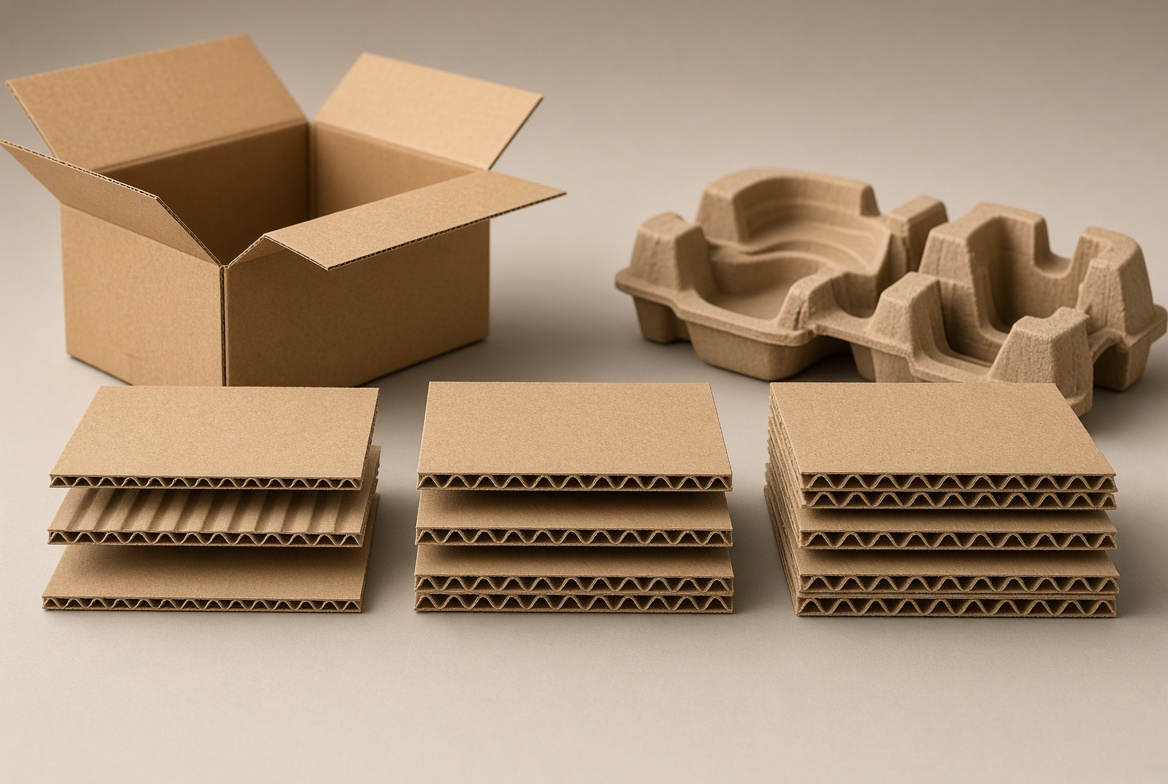
The paper used to make corrugated board strongly affects carton weight and performance. Heavier linerboard and medium generally add strength, puncture resistance, and stacking capacity, but they also increase the final carton weight.
Different paper combinations can produce boxes that look similar but perform differently in real distribution conditions. Factors include:
- Virgin kraft liner versus recycled liner
- Paper basis weight
- Moisture resistance requirements
- Surface smoothness for printing
- Required stacking strength
- Resistance to puncture and abrasion
A carton intended for dry, low-risk domestic shipments may need a different paper specification from a box traveling through humid ports, multiple warehouses, or long international routes.
Corrugated board receives much of its cushioning performance from the fluted layer between the liners. Flutes create air columns that improve rigidity and help absorb impact.
Common flute profiles include A, B, C, E, and F flute. Each offers a different balance of thickness, printability, crush resistance, and material usage.
| Flute Type | General Character | Typical Packaging Application |
|---|---|---|
| A flute | Thick with strong cushioning | Fragile or heavier products |
| B flute | Denser, more puncture-resistant | Canned goods, retail transit cartons |
| C flute | Balanced all-purpose option | General shipping cartons |
| E flute | Thin, smooth, print-friendly | Retail boxes and e-commerce presentation |
| F flute | Fine profile and premium appearance | Small retail packaging and delicate products |
A thicker flute does not automatically mean a better box. For instance, an E-flute mailer with a well-designed insert may be ideal for premium cosmetics, while a C-flute or double-wall carton may be more suitable for industrial parts.
Custom printing and finishing can increase box weight modestly. The impact is usually smaller than the impact of board structure, but it matters for high-volume projects and premium packaging.
Additional weight may come from:
- Full-coverage printing
- Water-based or UV coatings
- Lamination
- Foil stamping
- Embossing or debossing
- Magnetic closures
- Ribbon handles
- Foam inserts
- Molded pulp trays
- Paper dividers
- Corrugated partitions
- Product instruction cards
For a luxury rigid gift box, the box itself may weigh more than the product inside. In that case, the packaging is not only a shipping container; it is part of the product experience and brand presentation.
A small cardboard box usually weighs 0.5 lb to 1 lb when made from standard single-wall corrugated board. This range often applies to boxes used for books, accessories, skincare products, small electronics, samples, and e-commerce orders.
A compact custom mailer may weigh even less if it uses lightweight E-flute material. On the other hand, a small box with a printed outer sleeve, protective insert, tamper-evident feature, or high-strength paperboard may weigh more than a basic shipping carton.
A common mistake is to choose the smallest possible box without considering packing clearance. Products need enough space for protection, but too much empty space increases both filler usage and dimensional shipping charges.
A practical target is to create a fit that provides:
- Enough clearance for cushioning material or inserts
- Minimal unused volume
- Stable product positioning
- Easy unpacking for the customer
- Reliable sealing and stacking performance
Shipping carriers typically consider both actual weight and dimensional weight. The billable weight is usually the greater of the two.
Actual weight is straightforward: it is the total scale weight of the packed shipment, including the product, box, inserts, void fill, tape, labels, and any additional protective materials.
Dimensional weight is based on the space a parcel occupies during transportation. This means a lightweight but oversized package can cost more to ship than a compact, heavier package.
For shipments measured in inches and pounds, a commonly used calculation is:
Dimensional Weight=(Length×Width×Height)/DIM Divisor
For many carrier services, the divisor may be 139, while some rate structures use a different divisor. Always confirm the applicable figure with the carrier and service level before setting a final shipping quote.
Imagine you sell a lightweight product that weighs 1.5 lb.
- Box A measures 18 × 14 × 10 in.
- Box B measures 12 × 10 × 6 in.
Using a divisor of 139:
- Box A dimensional weight: 18×14×10÷139=18.13, billed as approximately 19 lb after carrier rounding rules.
- Box B dimensional weight: 12×10×6÷139=5.18, billed as approximately 6 lb after rounding.
Both boxes may contain the same 1.5 lb product, but the larger box can create a dramatically higher billable weight. This is why box design, insert design, and product orientation should be reviewed together.
The most reliable method is to request a physical sample and weigh it using a calibrated scale. A production sample reflects the actual board grade, printing coverage, die-cut pattern, adhesive use, and accessories.
Before samples are available, packaging teams can make a preliminary estimate using board area and material weight per unit area.
Start with the structural style:
- Regular slotted carton
- Die-cut mailer
- Folding carton
- Rigid setup box
- Corrugated display box
- Drawer box
- Magnetic closure box
- Shipping carton with partitions
Each structure uses material differently. A rigid box, for example, includes greyboard, wrapped paper, glue, and often separate lid and base components.
Use internal dimensions for product fit. A simple format is:
Length × Width × Height
For fragile items, account for cushioning thickness on every side. For retail cartons, consider the visual layout, opening experience, and space required for instructions or accessories.
Select the wall structure, flute, and performance level based on:
- Product weight
- Product fragility
- Number of items per carton
- Shipment distance
- Warehouse stacking height
- Humidity exposure
- Parcel or palletized shipping
- Customer unboxing requirements
Do not select board only according to product weight. A 10 lb compact metal product can place concentrated pressure on a carton and require reinforcement, while a 20 lb soft textile product may need a different design approach.
A realistic packed-weight estimate should include every component:
- Empty outer box
- Product
- Inner carton or retail box
- Paper or foam insert
- Void fill
- Polybag or tissue paper
- Tape
- Shipping label
- Protective corner pads
- Documentation
The complete packed parcel—not the empty carton alone—is what matters for freight planning.
Once samples are produced, complete a realistic packing test. Pack the product exactly as it will be shipped, then measure and weigh the final parcel.
For a more reliable result, test more than one unit. Packaging materials can vary slightly, especially when the project involves hand assembly, folded inserts, or variable product configurations.
A heavier box can be stronger, but that is not guaranteed. Strength depends on board design, paper quality, flute profile, carton dimensions, manufacturing quality, moisture exposure, and the way the box is packed and sealed.
One of the most useful measures for corrugated packaging is the Edge Crush Test, commonly called ECT. It measures the edgewise compression strength of corrugated board and is expressed in pounds per linear inch.
For many general shipping applications, 32 ECT single-wall corrugated board is widely used. Higher ECT values may be appropriate when boxes must handle greater stacking loads, heavier contents, longer routes, or more demanding handling conditions.
However, published load estimates should always be treated as planning guidance, not an absolute guarantee. Carton performance changes when the box is oversized, improperly closed, exposed to moisture, stacked unevenly, or transported with insufficient internal support.
A well-engineered packaging specification considers both the carton and the complete distribution environment.
Reducing packaging weight does not mean reducing quality. The goal is to remove unnecessary material while maintaining a safe, consistent packout.
Choose dimensions that match the product and protective system. Avoid excessive empty space, which often increases void fill, freight cost, and the risk of product movement.
A fitted corrugated insert, paper pulp tray, or folded paperboard support can hold the product in position more efficiently than a large quantity of loose filler.
Not every product requires double-wall construction. For controlled domestic shipping, a properly designed single-wall carton may be sufficient. For international distribution, stacked pallet loads, or heavy products, stronger construction can be the better long-term choice.
Changing a product's orientation inside the carton can reduce the longest dimension, lower dimensional weight, and improve stacking stability. This small adjustment can be especially valuable for e-commerce brands shipping high volumes of lightweight products.
Sometimes a retail box and an outer shipping carton are both necessary. In other cases, a durable branded mailer can perform both functions. The right decision depends on product fragility, customer expectations, theft risk, and carrier handling conditions.
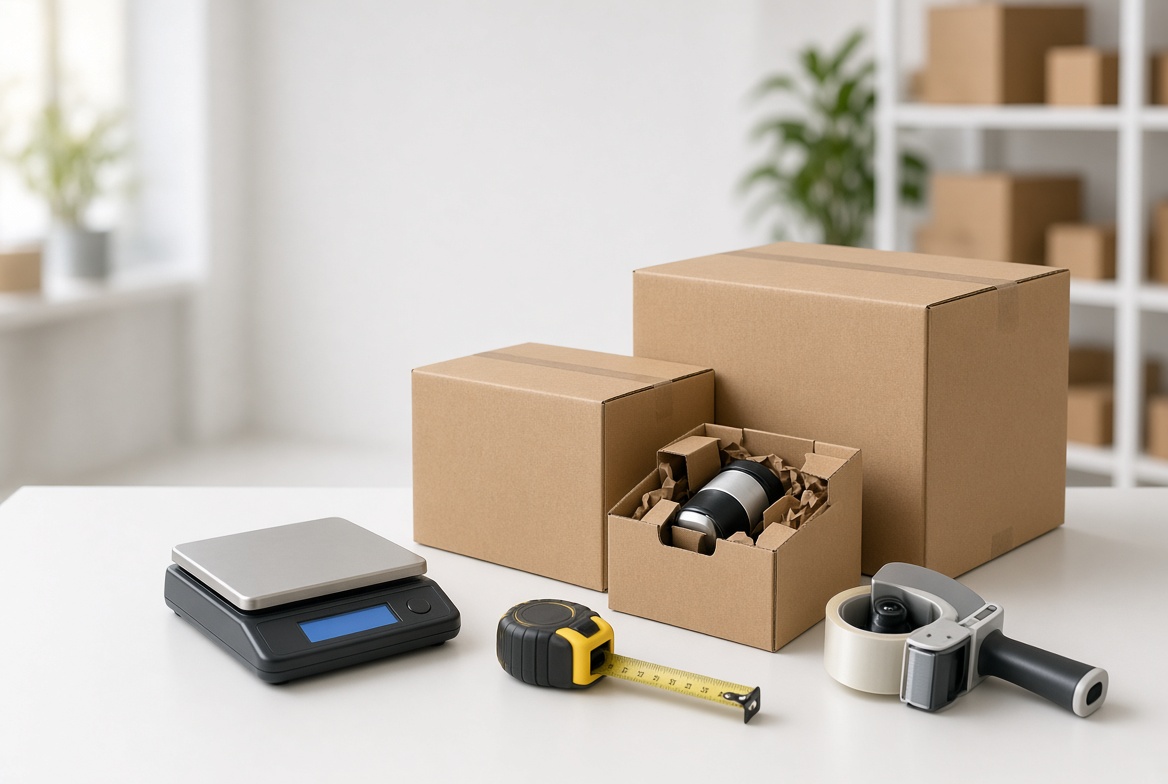
The best box is not determined by a universal weight chart. It comes from matching the packaging system to the product, shipping channel, and brand objective.
A jewelry brand may prioritize a refined rigid box with premium wrapping paper and a custom insert. A household-products distributor may need lightweight but stackable corrugated cartons for cost-efficient fulfillment. An exporter of fragile glass products may require a double-wall master carton, internal dividers, and moisture-aware materials for international transportation.
Before placing a packaging order, prepare the following information for your manufacturer:
1. Product dimensions and unit weight
2. Product photos or samples
3. Product fragility and pressure-sensitive areas
4. Required quantity per box
5. Domestic or international shipping route
6. Parcel, pallet, or container shipment method
7. Branding and printing requirements
8. Preferred unboxing experience
9. Target cost per unit
10. Sustainability or material certification requirements
With complete information, a packaging manufacturer can recommend a box structure that protects the product without adding unnecessary weight or cost.
The answer to "how much does a box weigh?" depends on much more than its length, width, and height. Material grade, wall construction, flute profile, printing, inserts, product weight, and shipping conditions all influence the final result.
For basic planning, an empty cardboard box often weighs from 0.5 lb to 5.5 lb. For accurate shipping and purchasing decisions, calculate the fully packed parcel, compare actual and dimensional weight, and validate the design with physical samples and transit testing.
Shenzhen XingKun Packing Products Co., Ltd. helps brands and distributors develop custom packaging boxes that balance protection, presentation, material efficiency, and transport practicality. Whether you need lightweight mailers, printed folding cartons, premium gift boxes, corrugated shipping cartons, or complete product packaging systems, share your product details and shipping requirements with our team for a tailored recommendation and sample solution.
A standard empty cardboard box often weighs between 0.5 lb and 3 lb. Small single-wall cartons are typically under 1 lb, while larger or heavier-duty cartons may weigh several pounds.
The packed weight equals the product weight plus the weight of the carton, inserts, void fill, tape, labels, and any internal packaging. Always weigh the final sealed parcel rather than estimating from the product alone.
No. A heavier box may use more material, but protection also depends on structural design, board grade, product fit, internal cushioning, sealing method, and distribution conditions. A lighter, well-designed packaging system can outperform an oversized heavy carton.
Dimensional weight is a carrier calculation based on the parcel's external volume. Carriers compare dimensional weight with actual weight and usually charge based on the higher value.
Use a right-sized box, reduce unused volume, select suitable board strength, design efficient inserts, minimize unnecessary layers, and test different product orientations. These steps can reduce dimensional weight and material usage.
ECT stands for Edge Crush Test. It measures the edgewise compression strength of corrugated board and helps indicate how well a carton may resist crushing and stacking pressure.
Single-wall corrugated boxes are suitable for many lightweight and medium-weight products. Double-wall boxes are often more appropriate for heavier products, demanding supply chains, longer shipping distances, or high stacking requirements.
Standard printing usually adds only a limited amount of weight. Premium finishes, lamination, rigid-board construction, magnetic closures, and complex inserts have a more noticeable effect on the final package weight.
- [UPS: Package Dimensions, Size Limits and Weight Guide]
- [FedEx: What Is Dimensional Weight?]
- [FedEx: How to Calculate Dimensional Weight]
- [The Boxery: Edge Crush Test (ECT) for Corrugated Boxes]
- [Fibre Box Association: Corrugated Board Specifications]
- [Anchor Box: Corrugated Box Strength, Flute Grades, ECT Ratings and Wall Types]


