Printed Books Categories
Printed books, a symbol of knowledge and human creativity, have been instrumental in the dissemination of information and stories for centuries. As a versatile medium, printed books encompass a wide range of genres, formats, and purposes. Understanding the nuanced classification of printed books helps us appreciate their diverse uses, whether for educational, entertainment, or informational purposes.
1.Fiction Books
●Novels, short stories, and narrative works of imagination.
●Genres include romance, mystery, science fiction, fantasy, historical fiction, and more.
●Engage readers through captivating storytelling and character development.
2.Non-Fiction Books
●Books presenting factual information and topics.
●Categories include history, biographies, self-help, memoirs, cookbooks, science, technology, and more.
●Aim to convey knowledge and provide insights into various fields and subjects.
3.Reference Books
●Encyclopedias, dictionaries, atlases, and other informational resources.
●Serve as reliable sources of information when seeking definitions, facts, maps, and general knowledge.
●Designed for quick reference and research purposes.
4.Educational Books
●Textbooks, workbooks, and study guides used in educational institutions.
●Cover various subjects like mathematics, literature, biology, geography, and more.
●Aim to support learning and provide structured information for students.
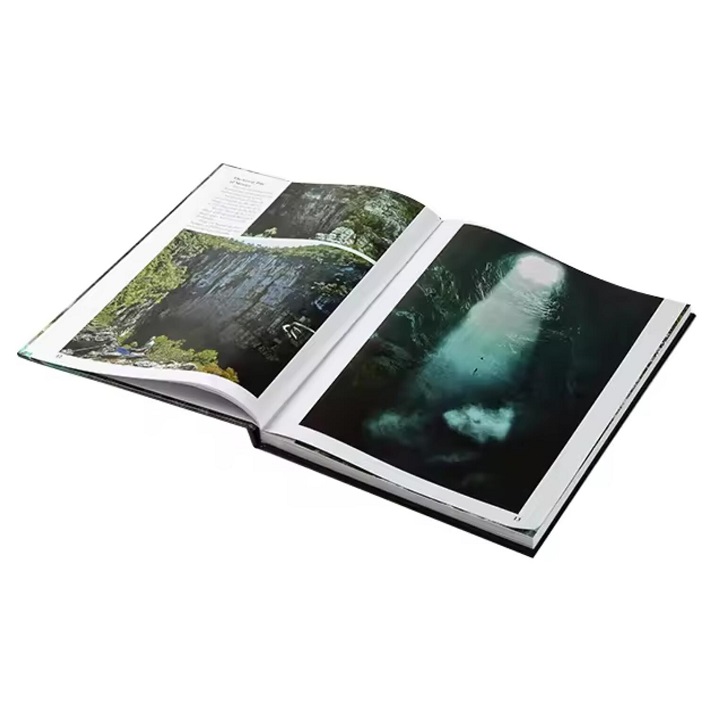
5.Art and Photography Books
●Books showcasing artistic creations, techniques, and photographs.
●Can feature works of prominent artists, art history, photography portfolios, or instructional guides.
●Provide visual inspiration and knowledge for artists, photographers, and art enthusiasts.
6.Children's Books
●Books targeted at young readers, including picture books, storybooks, and educational materials.
●Designed with colorful illustrations, engaging stories, and simple vocabulary suitable for different age groups.
●Aim to entertain, educate, and stimulate imagination.
7.Poetry Books
●Collections of poems, verses, and lyrical expressions.
●Explore themes of love, nature, emotions, and the human experience.
●Written to evoke emotions and convey feelings through carefully crafted language and imagery.
8.Specialized Books
●Books focusing on specific subjects or interests.
●Examples include textbooks for specialized fields, niche hobbies, travel guides, religious texts, and more.
●Cater to specific audiences and provide in-depth knowledge in specialized areas.
FAQs About Printed Books
1. How long will it take for me to receive my print book?
For standard print runs, production typically takes 5–10 business days after artwork approval, depending on binding type and volume. Once shipped, domestic delivery usually takes 3–7 business days, while international orders may take 7–15 days depending on the destination. For example, orders to Singapore, Europe, and North America often arrive within 10–14 days after shipment, whereas Asia-Pacific and Oceania can take 12–18 days.
2.Do you offer discounts on bulk orders of print books?
Yes. Bulk printing can reduce per-book cost significantly. For example, ordering 100–500 books typically reduces the unit price by 15–25% compared with smaller batches, while orders of 501–1,000 books can cut costs by 30–40% or more depending on paper choice and binding method. For educational or retail buyers, this can translate into savings of hundreds to thousands of dollars on large campaigns.
3. Are your printed books durable and long-lasting?
Yes. The durability depends on binding, paper weight, and finishing. For example, a 150-page paperback with 90–120 gsm paper and perfect binding often withstands 100–200 full openings before visible wear, while a 200-page hardcover with 130 gsm pages and sewn binding can last 300–500 openings. Matte or spot UV coating can reduce cover wear by 20–30% compared with uncoated stock, especially for frequently handled textbooks or gift books.
4.What page counts and sizes can you produce?
Common page ranges:
· 24–50 pages: ideal for handbooks, guides, and short storybooks.
· 50–200 pages: standard for novels, workbooks, and training manuals.
· 200–500 pages: common for textbooks, reports, or large-format books.
For 5.5 × 8.5 inch books, 250–500 pages is a practical range for comfortable binding thickness. Board books and children’s books usually use 8–24 pages due to thickness and safety requirements.
5.Are your print books environmentally friendly?
Yes. We use FSC-certified paper and soy-based inks whenever possible, which can reduce paper carbon footprint by 30–50% compared with virgin fiber sources. Recycled paper options are also available for eco-conscious projects, helping brands meet sustainability goals without sacrificing print quality.
6.Can I order custom sizes or special formats?
Yes. Beyond standard sizes (e.g., 5.5 × 8.5 or 6 × 9 inches), we can produce custom formats such as:
· 5 × 7 inches for slim gift books.
· 7 × 10 inches for large-format photography or art books.
Custom sizes usually require a minimum of 24–48 pages for proper binding and structural integrity, depending on thickness.
7.How many books should I order for a cost-effective run?
For most print runs, ordering 500+ books is the most cost-effective threshold because unit cost drops significantly. For example, increasing from 100 to 500 books can reduce per-book cost by 25–40%, while going from 500 to 1,000 books can save an additional 10–15%. This is especially beneficial for educational institutions, libraries, and retailers.
8.Can I request samples before placing a large order?
Yes. We typically provide 2–5 sample books to test paper quality, color accuracy (∆E < 2.0 target), and binding durability. For 80% of repeat buyers, sampling reduces the need for reprints by 1–2 rounds, which can save 15–25% of total project cost. This is especially useful for high-stakes projects like textbooks, manuals, or gift books.
9.Are your printed books suitable for all ages?
Yes. We produce books for all age groups, including:
· 24–48 page board books for infants and toddlers.
· 50–100 page picture books for young readers.
· 200–500 page novels and textbooks for adults. Content is carefully categorized by age appropriateness and reading level to ensure safe and suitable materials for each audience.
10.Can you help if I only have a manuscript and no design yet?
Yes. We can help you choose the right size, binding, and paper weight based on your page count and target market. For example, a 150-page manuscript usually fits best in a 5.5 × 8.5 inch format with 90–120 gsm paper, while a 400-page book is better suited for 6 × 9 inches with 120 gsm or higher. Starting with the manuscript first helps avoid costly redesigns later.
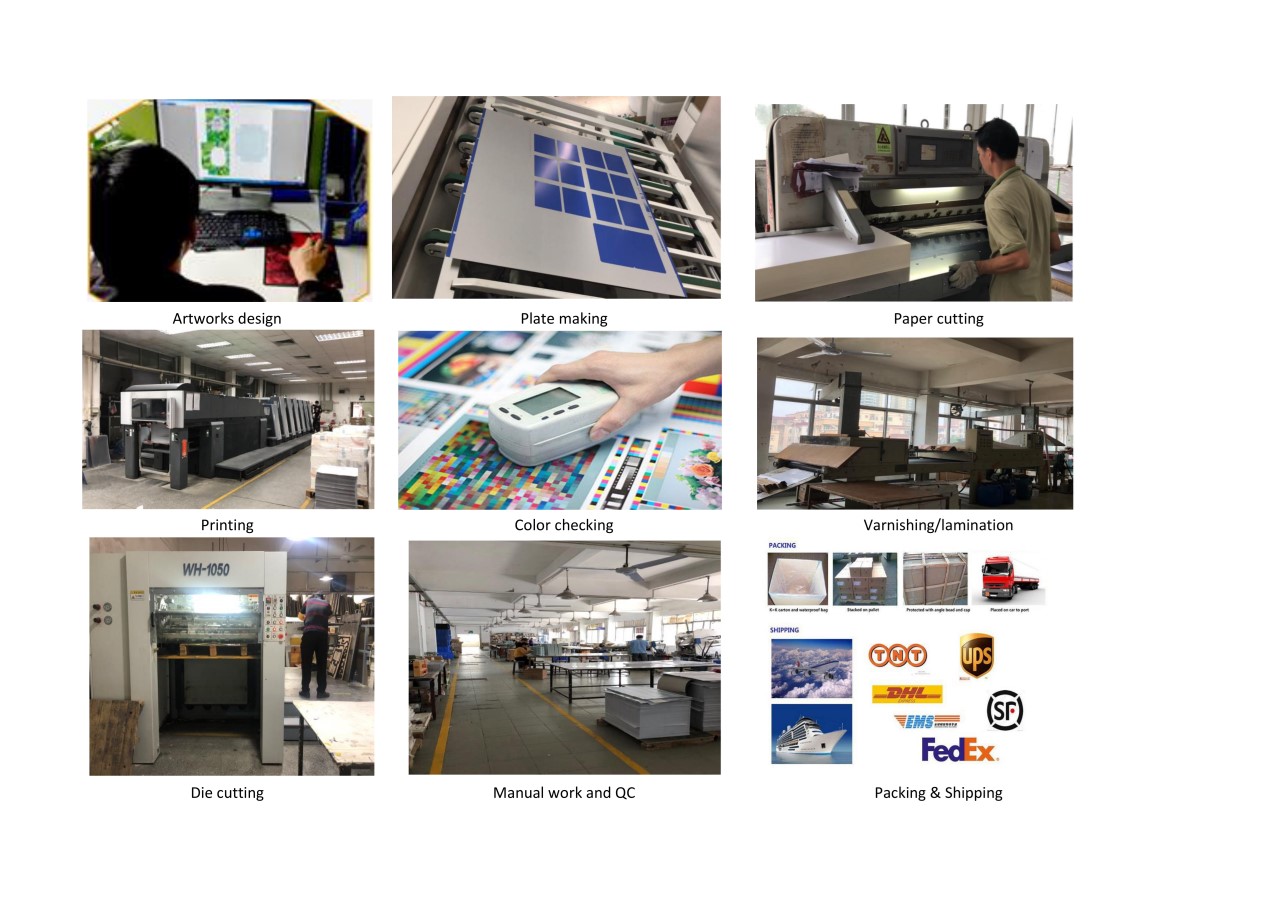
The Production Processes for Custom Books
1. Manuscript Preparation:
The process of crafting custom books begins with the author or content creator finalizing the manuscript. This comprehensive stage encompasses thorough editing, proofreading, and formatting of the text specifically tailored for the unique vision of each custom book.
2. Book Design:
A dedicated book designer meticulously creates the layout for both the interior and exterior of custom books. This involves selecting fonts that complement the content, formatting text to enhance readability, designing chapter headings that stand out, and crafting a captivating cover design that sets each custom book apart.
3. ISBN Assignment:
To ensure unique identification within the book trade, an International Standard Book Number (ISBN) is assigned specifically to each custom book.
4. Prepress:
During prepress, the designed files for custom books undergo meticulous preparation for printing. This includes color separation to ensure vibrant hues and the creation of print-ready PDFs tailored to the specifications of each custom book. For offset printing, specialized printing plates are crafted to bring the vision of each custom book to life.
5. Paper Selection:
The selection of paper for custom books is a deliberate process, taking into account the book's intended purpose, budget constraints, and desired aesthetic appeal. Factors such as paper weight, texture, and color are carefully considered to ensure that each custom book feels as exceptional as it looks.
6. Printing:
Custom books are brought to life using a variety of printing methods tailored to their unique requirements: a) Offset Printing: The traditional method favored for larger print runs of custom books, ensuring consistent quality and cost-effectiveness. b) Digital Printing: Ideal for smaller quantities or print-on-demand services, allowing for greater flexibility and faster turnaround times for custom book projects. c) Letterpress: A premium, artisanal approach reserved for those seeking a tactile, one-of-a-kind experience in their custom books.
7. Binding:
The printed pages of custom books are meticulously bound together using a range of methods to suit their unique needs: a) Perfect Binding: Pages are glued securely to the spine, a popular choice for paperback custom books. b) Case Binding: Pages are carefully sewn and glued into a sturdy hardcover, ideal for custom books requiring a more substantial feel. c) Saddle Stitching: Perfect for smaller custom books or booklets, this method ensures a neat and compact finish. d) Spiral or Coil Binding: Ideal for custom books that need to lie flat when open, making them perfect for reference materials or sketchbooks.
8. Cover Application:
For hardcover custom books, the cover is crafted separately and then skillfully attached to the book block, enhancing both its durability and aesthetic appeal. In contrast, paperback covers for custom books are often printed as an integral part of the binding process, creating a seamless and professional look.
9. Finishing Touches:
To elevate the appearance of custom books, various finishing techniques may be expertly applied: a) Embossing or Debossing: Adding textured elements to the cover that create a tactile experience for readers. b) Foil Stamping: Introducing metallic accents that shimmer and shine, adding a touch of luxury to custom book covers. c) Spot UV: Highlighting specific areas with a glossy finish, drawing attention to key details or titles on custom book covers.
10. Quality Control:
Each custom book undergoes rigorous inspection to ensure there are no printing defects, the binding quality is impeccable, and the overall appearance meets the highest standards of excellence.
11. Packaging and Distribution:
Custom books are carefully packaged to protect them from damage during shipping, ensuring they arrive in pristine condition. They are then strategically distributed to retailers, libraries, or directly to customers, ready to be enjoyed and cherished by their intended audience.
What Custom Books Are Used For?
1. Personal Memoirs and Family History:
Individuals create custom books to document their life stories or family histories.
These books preserve memories and legacy for future generations.
2. Corporate Publications:
Companies use custom books for annual reports, product catalogs, and brand storytelling.
They serve as powerful marketing tools and showcase company achievements.
3. Personalized Children's Books:
Books featuring a child's name and details in the story, make reading more engaging.
Often used for educational purposes or as unique gifts.
4. Wedding Albums and Guest Books:
Couples create custom photo books to commemorate their special day.
Custom guest books allow for personalized messages from attendees.
5. Portfolios for Artists and Photographers:
Professionals showcase their work in high-quality custom books.
These serve as tangible representations of their skills and style.
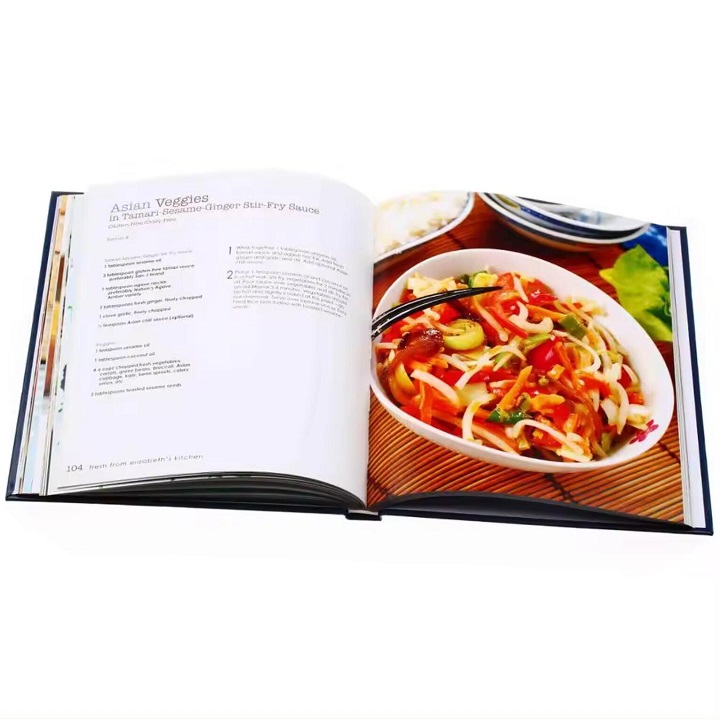
6. Cookbooks:
Individuals or restaurants compile their recipes into custom cookbooks.
Often used for fundraising or as promotional items.
7. Educational Materials:
Schools and institutions create custom textbooks or workbooks tailored to their curriculum.
These can include specialized content not available in standard textbooks.
8. Travel and Tourism:
Custom guidebooks for specific tours or destinations.
Travelers create personalized photo books of their journeys.
9. Limited Edition Art Books:
Artists and galleries produce high-quality, limited-run books of artwork.
These often become collectible items for art enthusiasts.
10. Commemorative Books:
Organizations create books to celebrate milestones, anniversaries, or special events.
11. Training Manuals and Employee Handbooks:
Companies develop custom books for employee onboarding and training.
These ensure consistent information across the organization.
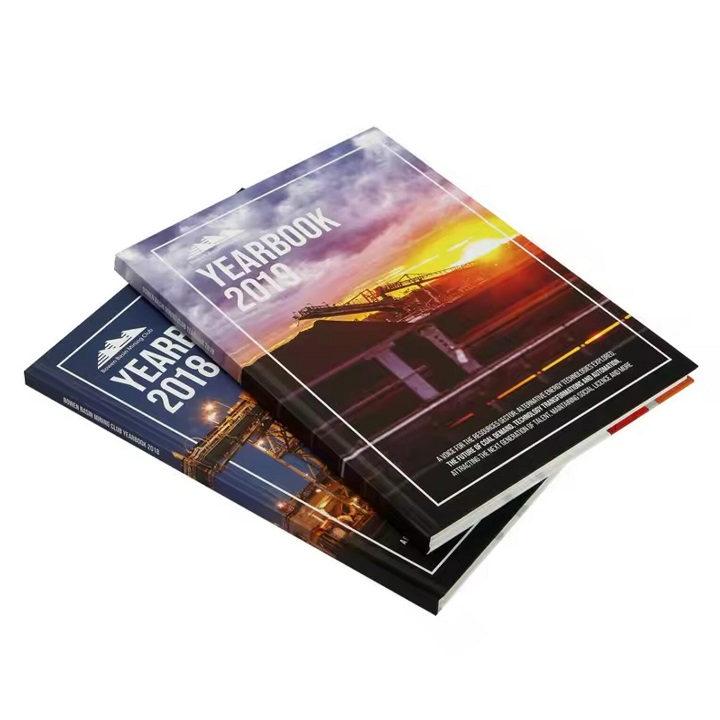
12. Yearbooks:
Schools and organizations create custom yearbooks to document the year's events and members.
13. Scientific and Research Publications:
Researchers publish custom books detailing their findings or methodologies.
14. Fundraising and Charity Books:
Non-profit organizations create and sell custom books to raise funds.
15. Brand Story Books:
Companies use custom books to tell their brand story and connect with customers.
 |
 |
 |
| Year Book |
Photo Book
|
Cook Book |