Packaging Boxes Categories
Packaging boxes play a crucial role in safeguarding products during transportation, enhancing brand visibility on store shelves, and delivering memorable unboxing experiences for consumers. With a myriad of options available, understanding the nuanced classification of packaging boxes is essential for businesses to make informed decisions tailored to their specific needs. From material composition to structural design and customization features, this comprehensive classification provides insights into the diverse array of packaging solutions available in the market.
1.Based on Material
●Cardboard Boxes: Made from sturdy and recyclable cardboard material, suitable for various products and shipping purposes.
●Corrugated Boxes: Feature fluted layers for added strength and cushioning, ideal for shipping fragile items or heavy goods.
●Plastic Boxes: Transparent or opaque plastic containers, often used for storage, display, or protection against moisture and dust.
●Wooden Boxes: Durable and aesthetically pleasing containers, commonly used for luxury or specialty items requiring a premium presentation.
●Metal Boxes: Sturdy and secure containers made from metal, suitable for packaging valuable or delicate items.
2.Based on Shape and Structure
●Regular Slotted Containers (RSC): Standard square or rectangular boxes with flaps that meet in the middle, ideal for general packaging and shipping.
●Die-Cut Boxes: Customized boxes with intricate shapes or designs, tailored to fit specific products and branding requirements.
●Folding Cartons: Flat-packed boxes that can be easily assembled into three-dimensional structures, commonly used for retail packaging and branding.
●Nested Boxes: Sets of boxes that fit within one another, allowing for efficient storage and shipping of multiple items.
●Tube Boxes: Cylindrical containers with removable caps, suitable for packaging rolled or cylindrical items such as posters, bottles, or documents.
3.Based on Usage
●Shipping Boxes: Designed for transporting goods safely and securely, typically made from durable materials like cardboard or corrugated board.
●Retail Packaging Boxes: Attractive and branded boxes used for showcasing products on store shelves, enhancing product presentation and brand visibility.
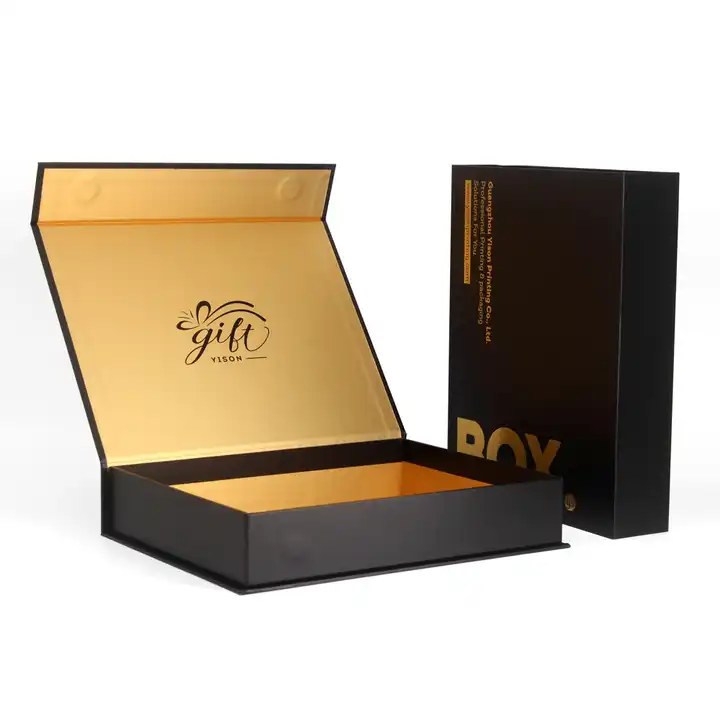
●Gift Boxes: Decorative and often customized boxes used for presenting gifts, available in various sizes, shapes, and designs to suit different occasions and preferences.
●Food Packaging Boxes: Specifically designed to store and transport food items, ensuring freshness, hygiene, and compliance with food safety regulations.
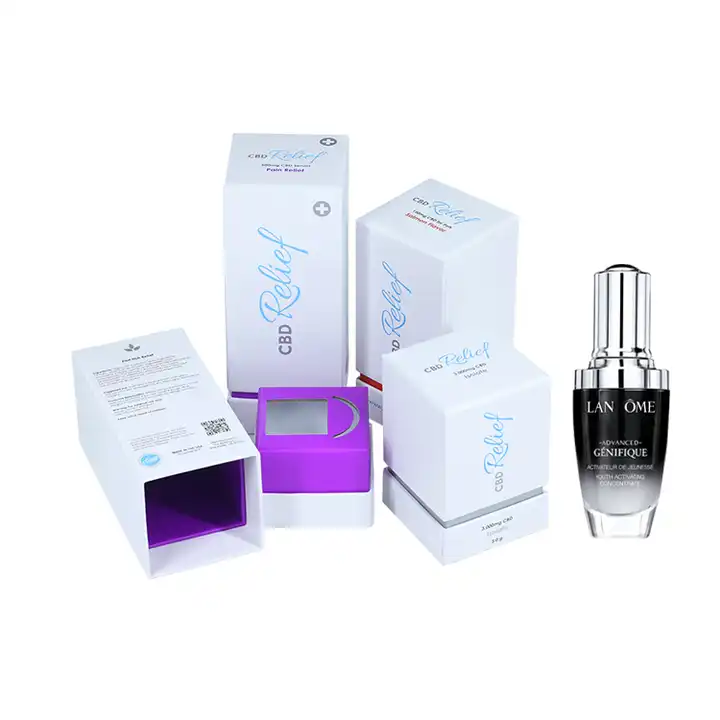
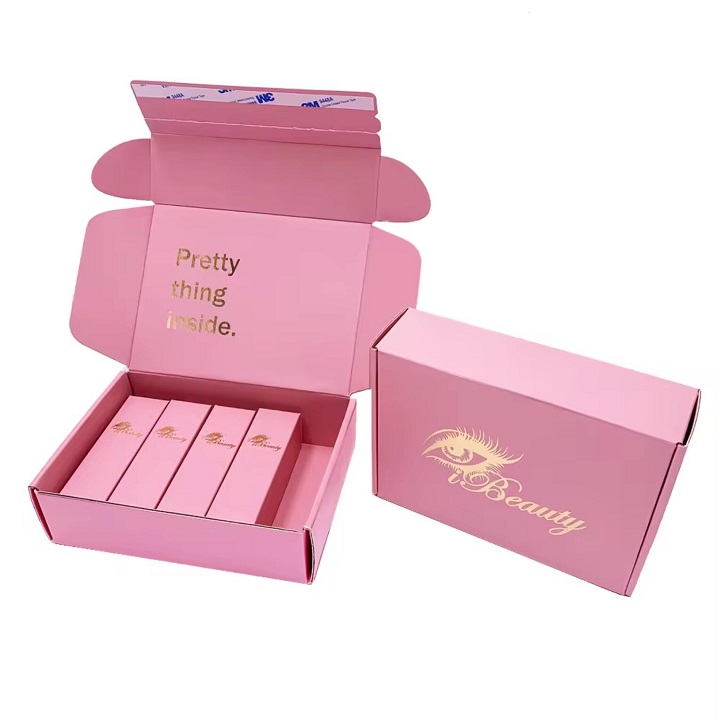
●Cosmetic Packaging Boxes: Luxurious and visually appealing boxes used for packaging cosmetics and beauty products, often featuring unique designs, textures, and finishes.
4.Based on Closure Mechanism
●Tuck-Top Boxes: Boxes with flaps that tuck into slots on the opposite side for closure, providing a secure seal without the need for additional tape or adhesive.
●Self-Locking Boxes: Boxes with interlocking flaps or tabs that secure the closure without external fasteners, ensuring ease of assembly and tamper resistance.
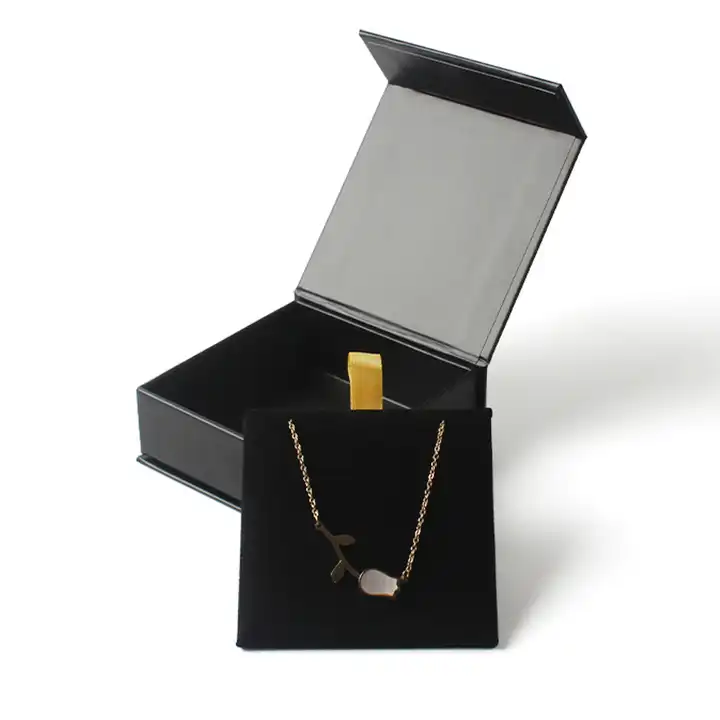
●Magnetic Closure Boxes: High-end boxes featuring magnetic clasps for an elegant and sophisticated closure mechanism, commonly used for luxury packaging and gifting.
5.Based on Customization Options
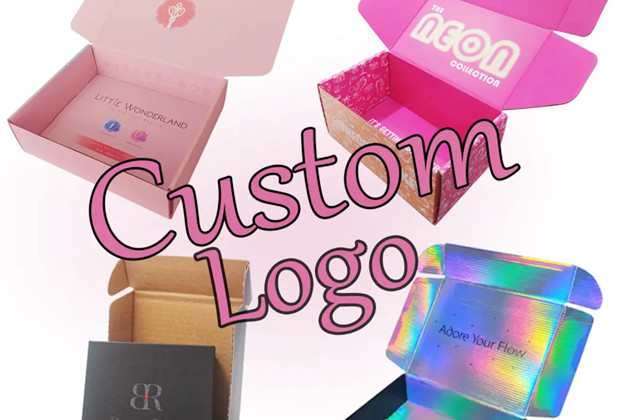
●Printed Boxes: Boxes with custom graphics, logos, or text printed on the surface, serving as effective marketing tools and reinforcing brand identity.
●Embossed or Debossed Boxes: Boxes with raised or recessed designs on the surface, adding tactile appeal and enhancing visual interest.
●Windowed Boxes: Boxes with transparent windows or panels, allowing consumers to view the enclosed product without opening the packaging, enhancing product visibility and marketing appeal.
FAQs About Packaging Boxes
1. What makes XingKun packaging boxes different from cheaper alternatives?
Cheaper boxes often use lower-density paperboard with thinner walls, which can compress 15–25% more under stacking pressure than our standard corrugated boxes. For an export order, that extra compression can mean collapsed boxes or damaged products. Our medium-duty corrugated boxes (e.g., BC-flute) typically offer stacking strength of 800–1,200 kg per pallet, significantly reducing transit failure risk.
2. Can you make the box size fit my product exactly?
Yes. We customize the inner dimensions to match your product size, leaving only 3–8 mm of clearance per side for snug protection. For example, a 100 × 150 × 50 mm item would be packed in a 105 × 155 × 55 mm box, which reduces void space by 20–30% compared to generic boxes and lowers shipping weight and cubic volume.
3. How do you help reduce shipping damage during transportation?
We use corrugated structures with reinforced flute layers and, when needed, double-walled board (e.g., B-B or C-B) to increase compression strength by 30–50% over single-wall alternatives. In real-world tests, our standard corrugated shipping boxes maintain structural integrity under 600–900 kg of stacking load for 7–14 days, greatly reducing the risk of puncture or collapse in container or warehouse environments.
4. Can your packaging boxes also work as retail display boxes?
Yes. Many of our boxes are designed for dual use: rugged enough for shipping, yet visually attractive for shelf display. For example, a 250 gsm coated board with matte lamination and spot UV around the logo can achieve an 80–90% visual improvement versus plain white box, which helps increase shelf pickup rate in retail environments.
5. What printing method is best if I want premium branding?
For long runs (2,000+ units), offset printing typically delivers the highest color accuracy with ∆E < 2.0 and can reduce per-unit print cost by 15–30% vs digital. For small batches (50–500 units), digital printing can be faster (24–72 hours turnaround) and still achieve ∆E < 3.0, which is visually uniform for most brands.
6. Can I request a sample before placing a large order?
Yes. Our white sample (structural) is usually ready in 1–2 days after finalizing the box dimensions. Full-color printed samples typically take 3–5 days and include at least 3–5 pieces so you can test fit, stacking, and shelf appearance. For 90% of repeat buyers, sampling reduces revision rounds by 1–2 cycles before mass production.
7. How do I know which box material is right for my product?
Here is a simple rule of thumb:
· Lightweight retail packaging (≤ 1–2 kg): 250–350 gsm folding carton, sufficient for shelf display.
· Medium shipped items (2–5 kg): single-wall corrugated board with 120–150 gsm liner, often reaches 1,000–1,500 N of box compression strength.
· Heavy or export use (5–10 kg+): double-wall or reinforced corrugated board, typically 1,500–2,500 N strength, better for long sea freight or multi-layer stacking.
8. Are your packaging boxes eco-friendly?
Yes. We offer 100% recycled paperboard and FSC-certified options, which can reduce your paper carbon footprint by 30–50% compared with virgin fiber sources. Our corrugated shipping boxes are 100% recyclable, and soy-based ink reduces VOC emissions by roughly 40% versus conventional petroleum-based inks.
9. How long does custom packaging box production usually take?
For a custom corrugated box with standard printing:
· Sampling: 3–5 days from dieline approval.
· Mass production (10,000 pcs): 7–12 days, depending on finishing complexity.
With digital prepress workflows, we can cut platemaking time by 20–30% compared with traditional methods, which helps keep the overall lead time competitive.
10. Can you help if I only have a product and no packaging design yet?
Yes. Many of our clients start with just product dimensions and a target budget. We then propose 2–3 box structures and 1–2 print options within 1–2 days. For example, a 300 g product with a 10 cm cube footprint can be fitted into a 3 cm margin box, reducing total volume by 15–20% vs using a generic 12 cm box, which directly lowers freight and warehousing costs.
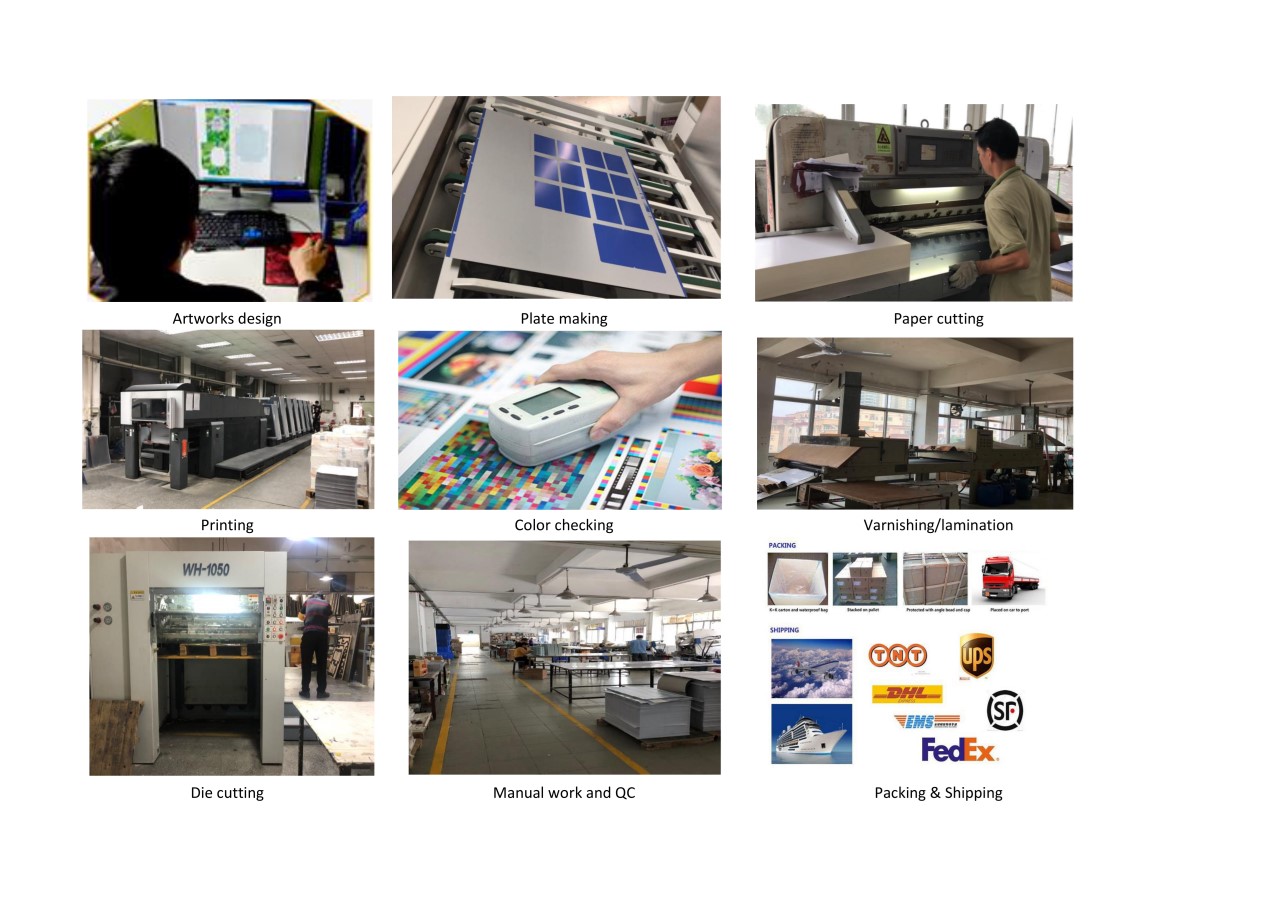
Production Processes for Custom Boxes:
1. Material Processing: Raw materials or auxiliary materials die-cutting and production.
2. Printing Processing: File confirmation and Printing arrangement.
3. Post-Processing: Surface disposal such as coating, spot UV, matte/gloss laminating, varnishing, etc.
4. Manual Work: Hand-made part of the process, assembly and molding.
5. Production Progress Feedback: Send details pictures or video to customers about mass production.
6. Quality Inspection: Before the finished product into the warehouse, each product is strictly quality inspection.
7. Packing: Put the quality checked product into the carton with dustproof and moisture proof bag.
8. After-Sales Service: After the customer receives the goods, our sales staff will consult the customer's usage and collect customer opinions.
The Technology of Custom Boxes in the Packaging Industry
1. Introduction to Custom Boxes
Custom boxes stand out as a one-of-a-kind and versatile packaging solution for a wide range of industries. Custom boxes are packaging containers that are designed and manufactured to meet the specific requirements of a product, brand, or industry. These custom boxes are not only aesthetically pleasing but also functional, ensuring the safety and security of the packaged items.
2. Materials Selection for Custom Boxes
The first step in the production of custom boxes is the selection of materials. Common materials include cardboard, plastic, metal, and wood, each with its unique properties and applications. Cardboard, for instance, is lightweight, recyclable, and cost-effective, making it a popular choice for many products. Plastic custom boxes offer durability and resistance to moisture and chemicals, while metal custom boxes provide superior strength and durability.
3. Design and Engineering of Custom Boxes
The design and engineering process of custom boxes is crucial. This involves determining the dimensions, shape, and features of the box based on the specific requirements of the product. Computer-aided design (CAD) software is often used to create detailed 3D models of custom boxes, allowing for precise measurements and visualizations. The design also takes into account the ergonomics of custom boxes, ensuring that it is easy to handle and transport.
4. Manufacturing Processes
The manufacturing of custom boxes typically involves several steps. For cardboard custom boxes, this starts with the cutting and scoring of the cardboard sheets using precision machines. The sheets are then folded and glued to form the box structure. Printing and finishing processes, such as varnishing or lamination, are also applied to enhance the visual appeal and durability of the custom boxes.
For plastic and metal boxes, the manufacturing process is more complex. Plastic boxes are often produced using injection molding or vacuum forming techniques, while metal boxes require metalworking processes like stamping or welding.
5. Customization Options
The beauty of custom boxes lies in their ability to be tailored to specific needs. Customization options include the use of special coatings or finishes, the addition of logos or branding elements, and the inclusion of specialized features like handles, hinges, or locks. These customizations ensure that the custom boxes not only meets the functional requirements but also aligns with the branding and marketing strategy of the product.
6. Quality Control and Testing
Quality control and testing are critical steps in the manufacturing of custom boxes. This includes inspecting the boxes for flaws, ensuring that they conform to the specified dimensions and tolerances, and testing their strength and durability. Quality assurance procedures also ensure that the custom boxes meet applicable industry standards and regulations.
The technology of custom boxes in the packaging industry is sophisticated and versatile. From material selection to design and engineering, manufacturing processes, and customization options, each step in the manufacturing process contributes to the creation of unique and functional packaging solutions. Custom boxes continue to play an important role in the packaging landscape as technology advances and industry needs change.
 |
 |
 |
 |
 |
| Jewelry Box |
Gift Box |
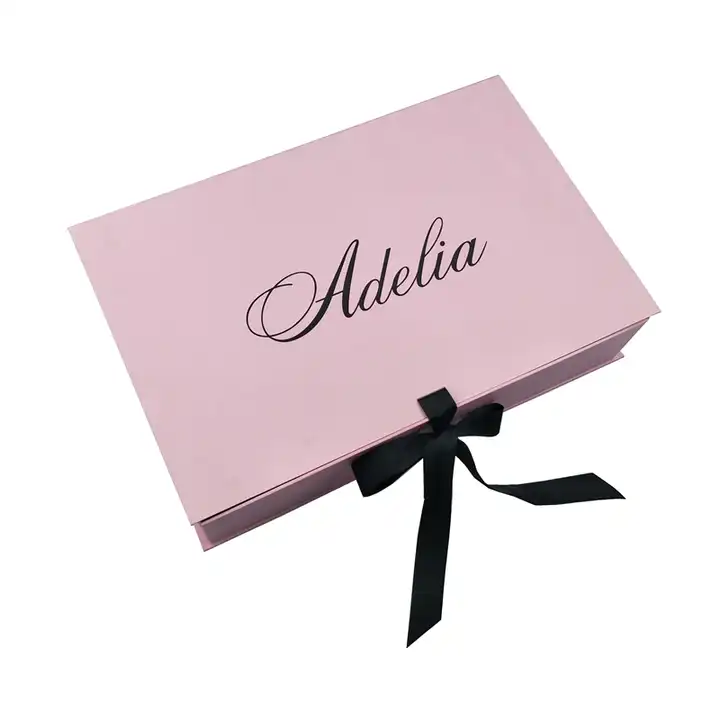
Clothing Box |
Make Up Box |
Tear Strip Box |
Why Need Custom Boxes?
In the packaging industry, custom boxes play an important role in improving the overall brand experience and product appeal. They provide numerous advantages, making them an excellent investment for any business. Here are the main reasons why custom boxes are needed:
1. Brand Representation & Recognition
Custom boxes present a special chance to showcase a company's identity and core principles. By combining brand colors, logos, and messaging, custom boxes establish a strong visual identity that makes a brand easy for customers to recognize and recall. Sales and customer loyalty both rise as a result of this enhanced brand awareness.
2. Product Protection
Custom boxes are designed to fit the product's shape, size, and weight, providing maximum protection during shipping and handling. They frequently include reinforced corners, padding, and custom-fit interiors to reduce the risk of damage during transit. This protection of custom boxes not only protects the product but also ensures that customers receive it in perfect condition, increasing their satisfaction and willingness to buy again.
3. Improved Unboxing Experience
In today's consumer-driven market, the unboxing experience has become an important component of the overall brand experience. Custom boxes give customers an exciting and memorable unboxing experience, making them feel special and valued. This positive experience frequently results in increased customer satisfaction, social media sharing, and positive reviews, which help to promote the brand.
4. Customizable Features
Custom boxes provide a high degree of flexibility and customization. Companies can select from a variety of materials, finishes, sizes, and shapes to create packaging that is completely consistent with their brand identity and target audience. This versatility of custom boxes enables businesses to create packaging that distinguishes themselves from the competition and leaves a lasting impression on customers.
5. Environmental Sustainability
Growing consumer consciousness about environmental issues has led many companies to prioritize sustainable packaging. Recycled materials, biodegradable materials, and other eco-friendly substitutes can be used to create custom boxes. This not only lessens the packaging's negative environmental effects but also appeals to consumers who care about the environment, enhancing brand recognition and drawing in new clients.
6. Cost-Effectiveness
While custom boxes may require a higher initial investment than generic packaging, they frequently result in long-term cost savings. Custom boxes reduce waste and the need for additional shipping materials, resulting in lower overall shipping costs. Additionally, custom boxes improve brand recognition and customer satisfaction, resulting in increased sales and profits over time.
Custom boxes are an invaluable asset to any packaging company. They provide numerous benefits, including brand representation, product protection, a more enjoyable unboxing experience, customizable features, environmental sustainability, and cost-effectiveness. Businesses that invest in custom boxes can create packaging that perfectly aligns with their brand identity and target audience, resulting in increased customer satisfaction, loyalty, and sales.