Tote Bags Categories
Paper bags are versatile products used in various industries and applications due to their eco-friendly nature and durability. They are classified into several types based on different criteria such as materials, construction, and usage:
1.Based on Materials
●Kraft Paper Bags: Made from kraft paper, these are strong and recyclable. They come in various thicknesses and are commonly used for shopping bags, grocery bags, and packaging.
●Recycled Paper Bags: Produced from recycled paper materials, these bags are environmentally friendly and contribute to waste reduction efforts. They are used similarly to kraft paper bags but have a lower environmental impact.
2.Based on Construction
●Flat Paper Bags: Simple bags made from a single sheet of paper, folded and glued. They are often used for small items, gifts, or fast food takeaways.
●SOS (Self-Opening Sack) Bags: These have a square bottom and can stand upright, making them suitable for groceries, merchandise, and food packaging.
●Twisted Handle Paper Bags: These have twisted paper handles attached to the top of the bag, providing a comfortable carrying option. They are commonly used in retail and branding purposes.
3.Based on Usage
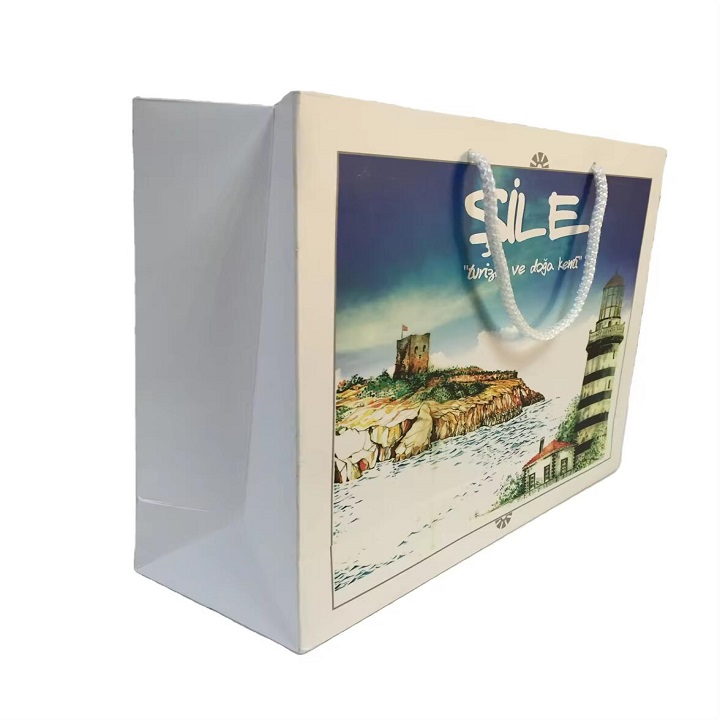
●Retail Paper Bags: Designed for retail environments, these bags often feature customized printing or branding and are used to carry purchased items.
●Food Service Bags: Specifically designed for carrying food items, these bags are often grease-resistant and safe for direct food contact.
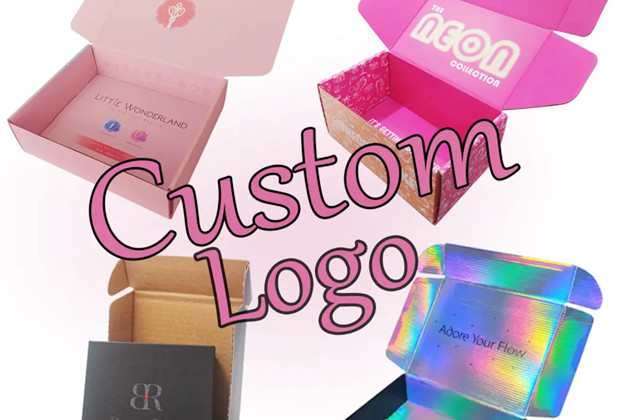
●Promotional Paper Bags: Customized with logos or designs, these bags are used for promotional events, conferences, and giveaways.
4.Specialty Paper Bags
●Luxury Paper Bags: High-end bags made from premium materials, often featuring reinforced handles, elaborate designs, and luxurious finishes.
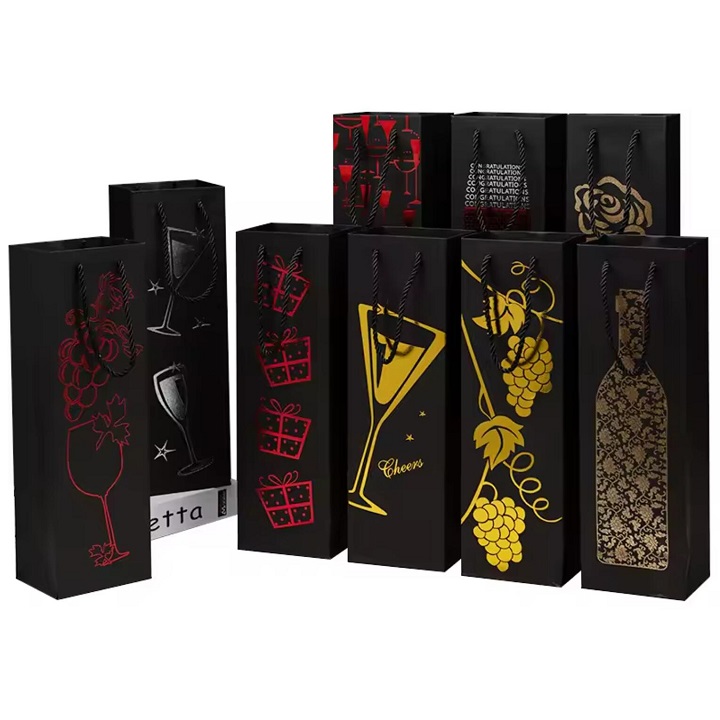
●Wine Bottle Bags: Designed to carry wine bottles safely, these bags may include dividers or extra padding to prevent breakage.
●Medical Paper Bags: Used in medical settings for specimen collection or as biohazard waste bags, they are designed to meet specific health and safety standards.
5.Environmental Characteristics
●Compostable Paper Bags: Made from biodegradable materials, these bags break down naturally without harming the environment.
●Waterproof Paper Bags: Treated with waterproof coatings, these bags are suitable for carrying items that need protection from moisture.
FAQs About Tote Bags
1. Which material should I choose: plastic tote bags or paper tote bags?
Here's a practical comparison:
· Plastic tote bags (LDPE/HDPE type): typically carry 10–15 kg per bag, are water-resistant, and can be reused many times, reducing per-use cost. For 10,000 bags, plastic usually costs 20–40% less per piece than good-quality paper.
· Paper tote bags (kraft or coated paper): usually recommended for 3–8 kg, are 100% recyclable or biodegradable, and give a premium, eco-friendly look but are more sensitive to moisture and heavy loads.
For retail or promo use where durability and low cost per bag matter, plastic is stronger and cheaper; if sustainability and brand image are top priorities, paper is the better choice.
2. What is the minimum order quantity for tote bags?
Typical MOQs vary by material and customization:
· Plastic tote bags (custom printed): often start from 500–1,000 pcs depending on size and printing method.
· Custom printed paper tote bags: usually 1,000–3,000 pcs for cost-efficient offset printing.
For orders above 5,000 bags, unit cost can drop by 25–40% compared with 1,000-piece runs, especially on plastic. We can optimize design and cutting layout to reduce material waste by 10–15%, which further lowers real-world cost.
3. How many items can your tote bags safely carry?
Load capacity depends on material and handle design:
· Standard plastic tote bag (120–160 g plastic film): typically supports 8–12 kg without handle breakage or bottom deformation.
· Reinforced plastic tote with thicker handles: can handle 12–18 kg, suitable for grocery or heavy retail use.
· Kraft paper tote with reinforced handles and gusset: usually safe for 3–6 kg; for heavier loads (6–8 kg), we recommend thicker paper or plastic.
For campaigns where totes may be used multiple times, we adjust film thickness or handle width to keep the risk of tearing under 1–2%.
4. Are your paper tote bags really eco-friendly and recyclable?
Yes. Our standard paper tote bags are made from kraft or coated paper, with 80–100% recyclable components depending on coatings and inks. Many paper bags decompose within months if disposed of properly, whereas plastic bags persist for decades.
If you choose plastic, we can also make it recyclable by using clear or monolayer LDPE to improve downstream recycling yield. For brands with strict ESG requirements, paper is usually the safer choice, while plastic can be optimized for reuse and lightweighting.
5. How do you reduce the cost of large tote bag orders?
Two main levers:
· Scale: increasing from 1,000 to 5,000 pcs often reduces per-bag price by 25–35%, especially for plastic.
· Design optimization: we can reduce bag width or height by 2–5 cm without hurting usage, saving 10–20% material per bag; for 10,000 bags, that translates to real cost savings.
On top of that, we use flat-packed shipping, which can improve container utilization by 15–25%, lowering per-unit freight cost for international orders.
6. How long does a custom tote bag order take?
Typical lead times:
· Artwork approval → cutting & printing: 3–5 days for standard runs.
· Mass production (1,000–5,000 pcs): 7–12 days depending on complexity and finishing.
· Express production: 5–8 days is often possible with 10–15% higher cost.
For many promotional campaigns, the total time from design approval to shipment can be condensed to about 10–15 calendar days, which is fast compared with some suppliers.
7. Can I request samples before placing a big order?
Yes. We usually send 2–5 sample bags so you can test:
· Handle strength (e.g., load 5–8 kg on each sample for 10–20 uses).
· Print quality (∆E < 2.5 target for plastic, ∆E < 2.0 for coated paper).
Sampling usually takes 3–5 days and helps reduce the risk of wrong color, weak handles, or sizing issues. For 70–80% of repeat buyers, sampling cuts the need for rework by at least one round, which directly saves cost and time.
8. Are your tote bags suitable for food retail or shopping use?
Yes. For food retail and everyday shopping, we can:
· Use thicker plastic film (e.g., 140–160 g µm) to safely carry 10–12 kg of groceries.
· Offer food-grade compliant printing inks on plastic, following common regional standards.
For paper bags, we recommend 180–220 gsm kraft with reinforced handles and gusset for 3–6 kg of dry goods. If moisture is a concern (e.g., supermarkets), plastic or laminated paper is usually safer.
9. How do you ensure the handle of the tote bag won’t break?
Strength depends on:
· Handle width: usually 2–3 cm for 8–12 kg loads.
· Film thickness or paper weight: 140–160 g for plastic, 180–220 g for paper.
· Attachment method: hot-seal or reinforced staple between bag and handle.
In stress tests, properly designed handles typically survive 50–100 repeated loading cycles (8–10 kg each) without visible tear or separation. If you need higher durability (e.g., grocery chains), we can increase film thickness or add double handles.
10. Can you make custom sizes or shapes for our event or store?
Yes. Beyond standard sizes (e.g., 30 × 40 × 10 cm), we can customize:
· Smaller tote (25 × 35 × 8 cm) for cosmetics, boutiques, or mall sampling.
· Larger tote (35 × 45 × 12 cm) for grocery, tech accessories, or premium gifting.
Custom sizes usually require a minimum of 1,000 pcs for cost-efficient production. For example, going from 300 g to 400 g film thickness on a 35 × 45 cm tote can increase load capacity by 20–30% while keeping the design almost identical visually.
The Production Processes for Custom Tote Bags
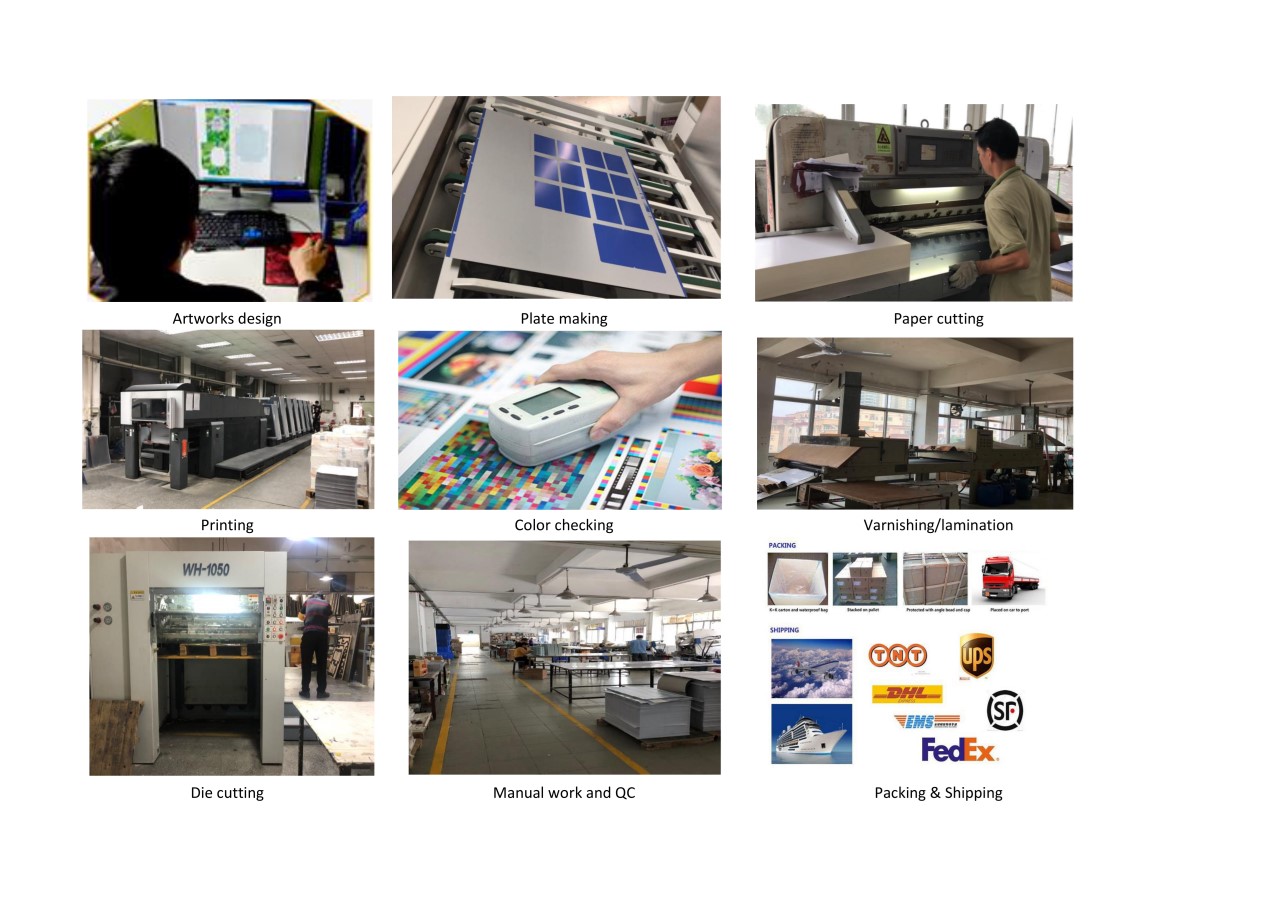
1. Design and Planning:
The process of crafting custom tote bags commences with meticulous designing, encompassing the precise determination of the tote bag's size, shape, handle type, and any bespoke, custom features that set it apart.
A comprehensive technical specification is then formulated, thoroughly outlining requirements such as exact measurements, paper type selection, intricate printing details, and an array of finishing options tailored specifically for custom tote bags.
2. Material Selection:
The selection of paper for custom tote bags is a deliberate process, guided by the bag's intended purpose, the necessary strength requirements, and eco-conscious environmental considerations.
Popular choices encompass kraft paper for its durability, recycled paper for sustainability, or specialty papers that cater to high-end, customized tote bag applications.
3. Cutting and Shaping:
Large rolls of carefully selected paper undergo precise cutting to conform to the specified size and shape of the custom tote bags, adhering strictly to the unique design specifications.
This vital process is often automated to ensure both efficiency and unparalleled precision in the shaping of each and every custom tote bag.
4. Printing:
Should the custom tote bags necessitate personalization, this pivotal step involves the artful addition of logos, captivating designs, or bespoke text that brings the vision to life.
A variety of printing techniques are employed, including flexography for cost-effective large runs, offset printing for exceptional print quality, or digital printing for quick turnaround times and smaller, more customized batches of custom tote bags.
5. Die Cutting:
The printed paper sheets undergo die-cutting specifically tailored for custom tote bags, meticulously shaping the bags' unique contours, including the handles and any distinctive, custom features that set them apart.
6. Folding and Gluing:
The precisely cut paper is then folded along pre-scored lines, meticulously forming the structured foundation of each custom tote bag. The adhesive is applied with precision to designated areas, ensuring a seamless assembly process that results in sturdy, well-constructed custom tote bags.
7. Handle Attachment:
In accordance with the individual design specifications, handles crafted from rope, ribbon, or paper are expertly attached to the custom tote bags, enhancing their functionality and aesthetic appeal.
8. Quality Control:
Each and every custom tote bag undergoes rigorous inspection, meticulously examining for any imperfections in printing, die-cutting, folding, and overall construction. This meticulous step guarantees that the final product exceeds the specified quality standards, ensuring customer satisfaction.
9. Finishing:
To further elevate the durability and visual appeal of the custom tote bags, additional finishing touches such as lamination, varnishing, or specialized coatings may be applied, tailored to the specific requirements of the design.
10. Packaging and Shipping:
Once the custom tote bags have been meticulously crafted and finished, they are carefully counted, neatly bundled, and securely packaged for shipping. With great care, they are dispatched to the awaiting client or designated distribution centers, ready to make their mark in the world.
What A Custom Tote Bags Is Used For?
1. Retail Packaging:
One of the most common uses for custom tote bags is in retail stores.
Clothing stores, boutiques, bookshops, and gift shops often use branded tote bags to enhance their brand image and provide customers with a convenient way to carry their purchases.
2. Food Service:
Restaurants, bakeries, and cafes use custom tote bags for takeout and delivery orders.
These bags can be designed to keep food warm and prevent spills, while also promoting the establishment's brand.
3. Gift Packaging:
Custom tote bags are popular for gift-giving, especially in high-end retail or for special occasions.
They can be designed with elegant prints, patterns, or embellishments to enhance the gift-giving experience.
4. Event Promotion:
Companies often use custom tote bags at trade shows, conferences, or promotional events to distribute marketing materials or free samples.
These bags serve as walking advertisements, increasing brand visibility.
5. Eco-Friendly Shopping:
With increasing environmental awareness, many consumers and businesses are opting for reusable custom tote bags as an alternative to plastic.
These bags are often sturdier and can be used multiple times, reducing waste.
6. Product Packaging:
Some manufacturers use custom tote bags as primary packaging for their products, especially for items like coffee, tea, or artisanal foods.
These bags can be designed with features like resealable tops or windows to showcase the product.
7. Corporate Gifting:
Companies use custom tote bags to package and present corporate gifts, enhancing the perceived value of the gift and reinforcing brand identity.
8. Luxury Retail:
High-end brands often use premium custom tote bags to reflect the quality and exclusivity of their products.
These bags often feature high-quality materials, intricate designs, and special finishes.
9. Healthcare and Pharmacy:
Pharmacies and healthcare providers use custom tote bags to package medications and medical supplies, often with specific designs to ensure privacy and provide important information.
10. Educational Institutions:
Schools, colleges, and universities use custom tote bags for distributing course materials, merchandise, or welcome packages to students.
11. Non-Profit Organizations:
Charities and non-profits use custom tote bags for fundraising events, to distribute informational materials, or as part of awareness campaigns.
12. Wine and Spirits:
Liquor stores and wineries often use specially designed custom tote bags to package bottles, providing both protection and branding.
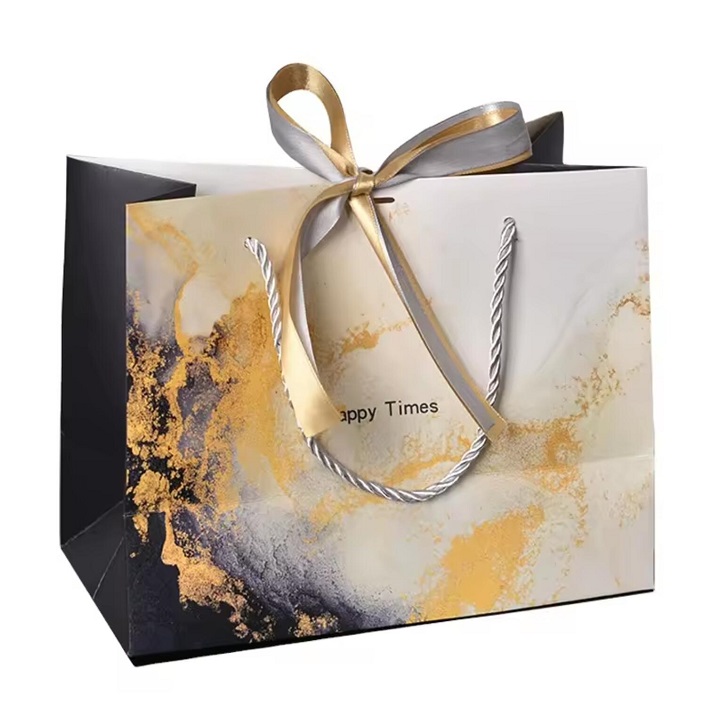 |  |  |
Gift Bags
| Liquor & Wine Bags
| Paper Shopping Bags
|