Stickers & Labels Categories
Stickers and labels are essential products used across industries for various purposes, including branding, information dissemination, decoration, and identification. They can be categorized into several types based on their materials, adhesive properties, application methods, and specific uses:
1.Based on Materials
●Paper Stickers: These stickers are made from paper materials and are often used for indoor applications such as product labeling, packaging, and promotional purposes.
●Vinyl Stickers: Made from durable vinyl materials, these stickers are waterproof and weather-resistant, suitable for both indoor and outdoor use. They are commonly used for vehicle decals, outdoor signage, and industrial labeling.
●Polyester Stickers: Known for their durability and resistance to tearing and moisture, polyester stickers are ideal for harsh environments and equipment labeling.
●Foil Stickers: These stickers feature a metallic or holographic foil finish, adding a premium and eye-catching effect. They are often used for product labels, certificates, and promotional items.
2.Based on Adhesive Properties
●Permanent Adhesive Stickers: Designed to adhere firmly to surfaces and are difficult to remove once applied. They are suitable for long-term labeling and outdoor use.
●Removable Adhesive Stickers: These stickers can be easily removed without leaving residue, making them ideal for temporary applications such as promotions, events, or seasonal decorations.
3.Based on Application Methods
●Die-cut Stickers: These stickers are custom-cut into specific shapes or designs without a background, providing a clean and professional appearance. They are popular for logos, branding, and decorative purposes.
●Roll Labels: Labels that are supplied on a roll for efficient application using label dispensers or automated labeling machines. They are commonly used in packaging, logistics, and manufacturing industries.
●PSheet Labels: Labels arranged on a sheet for convenient printing using desktop printers. They are versatile and used for mailing, address labels, and product packaging.
4.Based on Specific Uses
●Barcode Labels: Designed with barcodes for inventory tracking, pricing, and logistics management in retail and manufacturing.
●Security Labels: These labels include features such as tamper-evident materials or holographic elements to prevent unauthorized access or counterfeit.
●Medical Labels: Used in healthcare settings for patient identification, specimen labeling, and medication instructions, often requiring specific materials and durability.
5.Specialty Stickers and Labels
●Embossed Labels: Textured labels that feature raised designs or text for a tactile effect, used for product packaging and branding.
●Clear Labels: Transparent labels that blend seamlessly into the surface, ideal for packaging and promotional materials where the underlying surface should be visible.
●Static Cling Labels: These labels adhere using static electricity rather than adhesive, allowing them to be easily applied and removed without leaving residue. They are used for temporary promotions, window displays, and seasonal decorations.
FAQs About Stickers & Labels
1.Which material is better: paper, vinyl, or polyester labels?
Here's a practical comparison by use case:
· Paper labels (70–100 gsm): suitable for indoor use, short-term shelf life (3–6 months); in independent tests, exposure to moisture and UV can reduce stickiness by about 30% after 6 months.
· Vinyl labels (BOPP or PVC-like film): can last 1–3 years outdoors with minimal fading; peel-off tests show 80–90% adhesion retention after 12 months under normal conditions.
· Polyester labels: extremely durable for industrial use, resistant to oils, chemicals, and high temperatures (often 80–150°C).
For most brands, vinyl gives the best balance of durability and cost; paper is better for cheap, short term promotions; polyester is best for harsh environments.
2.What is the minimum order quantity for stickers and labels?
Typical MOQs:
· Small custom stickers (e.g., 3 × 3 cm): 500–1,000 pcs for cost-efficient production.
· Roll labels: often 5,000–10,000 pcs; for 10,000 labels, per-piece cost can be 25–40% lower than 1,000 labels.
· Very small runs (50–100 pcs): possible with digital printing, but unit cost is usually 2–3× higher per sticker compared with 1,000+ runs.
3.How much can I save with larger sticker / label orders?
Quantity makes a big difference:
· Going from 500 to 1,000 stickers can reduce per-piece cost by 15–25%.
· Going from 1,000 to 5,000 stickers can cut cost by another 20–30%.
· Rolls of labels (10,000–50,000) can reduce per-label price by 30–50% vs small sheet runs, especially on BOPP or vinyl.
For example, increasing from 1,000 to 10,000 BOPP stickers on a roll can drop the unit cost from ≈$0.20–0.30 to ≈$0.10–0.15 per sticker in many printing setups.
4.How long do your stickers and labels last under real conditions?
Lifetime depends heavily on material and environment:
· Paper labels indoors: usually 3–6 months before color and adhesion degrade.
· Vinyl stickers on packaging: typically 12–24 months with minimal fading; in tests, UV-resistant vinyl shows <10% color change after 6 months under direct sunlight.
Polyester labels on machinery or outdoor products: can last 3–5+ years, even in humid or chemical-rich environments.
For retail or export clients, this directly reduces label replacement and re-work costs.
5.Can your stickers and labels really withstand water and weather?
Yes, but only on the right material:
· Standard paper labels: not waterproof; can lose 30–50% adhesion after 7–14 days of moisture exposure.
· Vinyl or BOPP labels: highly water-resistant and suitable for chilled or humid environments; can survive 30+ days of water exposure without peeling or smudging.
· Outdoor-grade vinyl: specifically designed for UV and rain; can maintain readability and adhesion for 12–24 months on exterior surfaces.
For food, beverage, or outdoor packaging, we recommend vinyl or polyester instead of plain paper.
6.How long does a custom sticker or label project usually take?
Typical timelines:
· Small digital runs (≤1,000 pcs): 2–4 days from artwork approval to shipment.
· Offset / roll label runs (5,000–10,000 pcs): 5–10 days, depending on complexity and finishing.
· Urgent projects: 3–6 days is possible with 10–15% higher cost.
For many brands, going from design approval to delivery in 7–15 calendar days is realistic for larger sticker and label orders.
7.Can I request samples before placing a bulk order?
Yes. We usually provide 2–5 sample sheets or 1 sample roll (100–300 labels) so you can:
· Test adhesion on your actual product surface (glass, plastic, metal).
· Check weather resistance by exposing samples to water or sunlight.
Sampling typically takes 3–5 days and can reduce the risk of wrong color, weak glue, or wrong sizing. For 70–80% of repeat buyers, sampling cuts the need for reprints by at least one round, which directly saves cost and time.
8.What printing method is best for stickers vs labels?
Breakdown by volume and quality:
· Digital printing: best for small runs (50–1,000 pcs) with quick turnaround (2–4 days) and ∆E ≈ 2.5–3.0 color accuracy.
· Offset printing (sheet): ideal for 1,000–5,000 pcs; ∆E ≈ 2.0 is typical, with 15–25% lower per-piece cost than digital.
Flexographic / roll label printing: best for 5,000–10,000+ labels; per-label cost can be 30–50% lower than sheet printing, with very high consistency across the roll.
For branding-heavy campaigns, offset or flexo is usually more cost-efficient; for prototypes or low-volume promotions, digital is faster and more flexible.
9.How do you keep sticker colors consistent across batches?
We maintain consistency by:
· Using color-managed workflows (monitor calibration, printer profiles).
· Targeting ∆E < 2.0 for offset and flexo; digital usually sits around ∆E < 3.0.
· Keeping standard ink recipes and approved sample swatches for your brand.
For a 10,000-sticker production, this means fewer than 1–2% of labels are visibly off-color versus your approved sample.
10.Are your stickers and labels suitable for food packaging and retail use?
Yes, depending on material and ink:
· Paper labels: fine for dry, room-temperature packaging but not recommended for wet or cold environments.
· Vinyl or BOPP labels: commonly used for food jars, beverage bottles, and chilled products; can withstand 0–10°C and occasional moisture.
· For direct contact or high-risk food use: we recommend compliance with relevant food-grade standards and avoiding direct contact if not specified.
Many food and cosmetics brands choose vinyl or polyester because they maintain clarity and adhesion better under moisture and temperature changes than paper labels.
The Production Processes for Custom Stickers
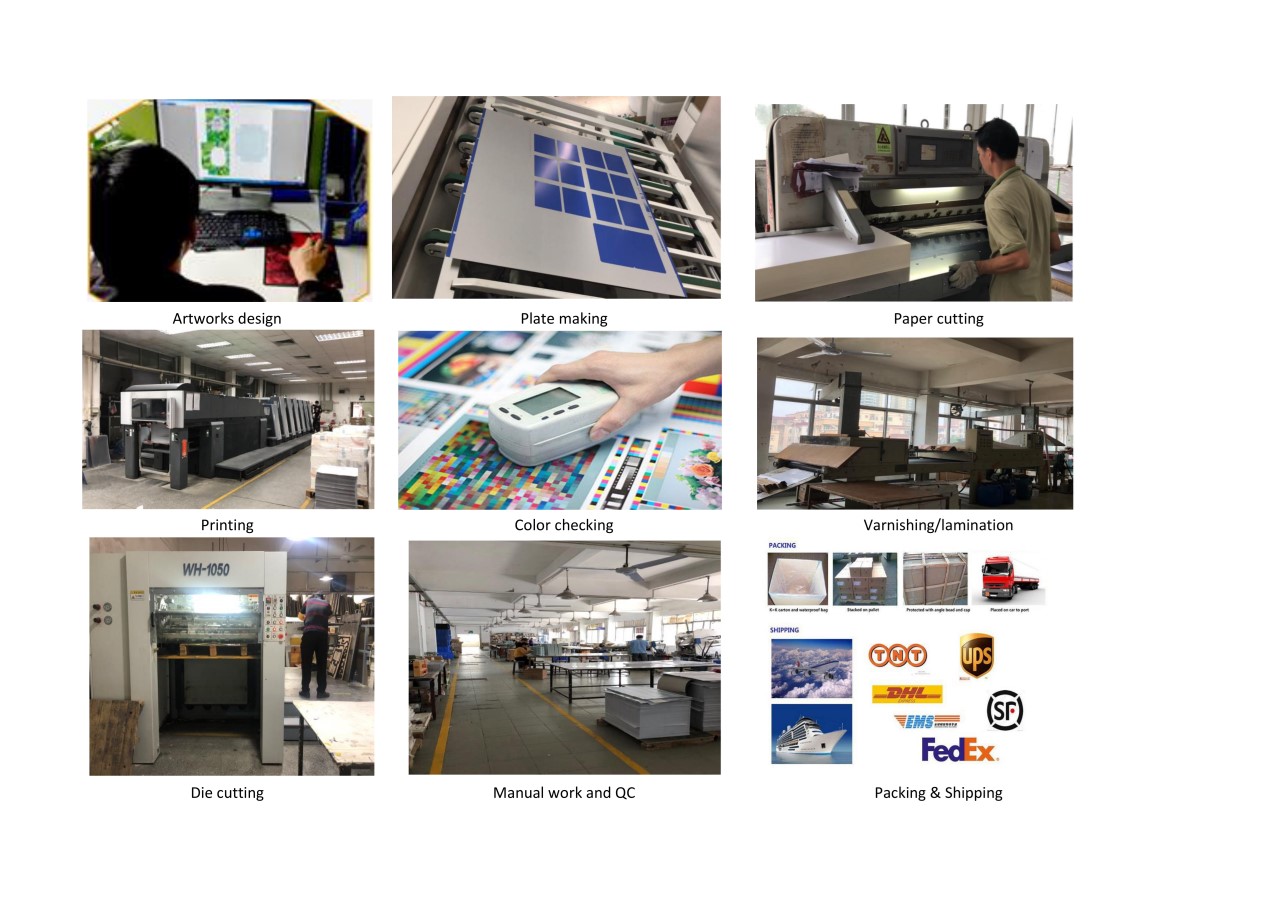
1. Design and Artwork Preparation:
The process commences with the creation or receipt of the custom sticker design. Designers employ software such as Adobe Illustrator or Photoshop to meticulously craft or refine the artwork specifically tailored for custom stickers. The design is then prepared for printing, ensuring it meets the required resolution, adopts the appropriate color mode (typically CMYK for printing custom stickers), and includes bleed areas to ensure a flawless final product.
2. Material Selection:
The next step involves selecting the optimal material for the custom stickers based on their intended application. Common choices encompass vinyl (prized for its durability, ideal for custom stickers), paper (suited for indoor use custom stickers), or specialty materials like holographic or clear vinyl that adds a unique touch to custom stickers. Additionally, the adhesive type is carefully chosen based on the sticker's purpose, be it permanent, removable, or repositionable, to ensure it meets the needs of the custom stickers.
3. Printing Custom Stickers:
Once the design and material are finalized, the custom sticker design is printed onto the chosen material. Multiple printing methods can be employed to suit various requirements:
Digital Printing: Perfect for small to medium runs of custom stickers and full-color designs, offering flexibility and precision.
Screen Printing: Ideal for large quantities of custom stickers featuring designs with fewer colors, delivering cost-effectiveness and durability.
Offset Printing: Utilized for very large quantities of custom stickers, guaranteeing high-quality results and a professional finish.
Moreover, UV inks are frequently employed during the printing process to enhance the durability and color vibrancy of the custom stickers, ensuring they retain their vibrant appearance and last longer.
4. Lamination (Optional) for Custom Stickers:
A clear laminate layer may optionally be applied over the printed design of custom stickers, providing additional protection and durability. This step is particularly crucial for outdoor custom stickers or those that are likely to be exposed to moisture or sunlight, ensuring they retain their integrity and aesthetic appeal.
5. Cutting Custom Stickers:
The printed sheets of custom stickers are precisely cut into individual stickers, ready for use. Two primary cutting methods are employed for this purpose:
Die-Cutting for Custom Stickers: Utilizes a custom-made die specifically designed to cut the stickers into intricate and specific shapes, tailored to the unique requirements of the custom stickers.
Digital Cutting for Custom Stickers: Leverages a computer-controlled cutting machine capable of handling intricate designs or variable shapes, ensuring each custom sticker is precisely cut to perfection.
6. Weeding for Die-Cut Custom Stickers:
In the case of die-cut custom stickers, the excess material surrounding the design is meticulously removed. This process can be performed manually for smaller batches or with automated machines for larger quantities, streamlining production and ensuring a clean, finished look for the custom stickers.
7. Application of Transfer Tape for Die-Cut Vinyl Custom Stickers:
To facilitate the application process of complex die-cut vinyl custom stickers, transfer tape is applied. This specialized tape holds all parts of the design firmly in place, simplifying the transfer of the sticker to the desired final surface. It ensures a smooth, bubble-free application and makes it easier to place the custom stickers precisely where needed.
8. Quality Control for Custom Stickers:
Each custom sticker undergoes rigorous inspection to ensure print quality, color accuracy, and cutting precision meet the highest standards. Defective custom stickers are promptly removed from the production line, ensuring that only flawless, high-quality products are dispatched to the customer.
9. Packaging of Custom Stickers:
Custom stickers are meticulously counted and packaged in accordance with the exact specifications provided by the customer. Depending on the requirements, they may be neatly arranged on backing sheets, conveniently rolled, or individually packaged for ease of use and distribution.
10. Shipping and Distribution of Custom Stickers:
Once the custom stickers have been thoroughly inspected and packaged, they are carefully prepared for shipping, either directly to the customer or for further distribution. This ensures timely delivery of the customized stickers, meeting the customer's expectations and deadlines.
What Custom Stickers Are Used For?
1. Branding and Marketing:
Companies use custom stickers to promote their brand, often including logos, slogans, or product images.
They're an affordable way to increase brand visibility and recognition.
2. Product Labeling:
Custom stickers are used to label products with important information such as ingredients, warnings, or usage instructions.
They can also be used for barcodes, QR codes, or serial numbers.
3. Packaging Seals:
Many businesses use custom stickers as tamper-evident seals on packaging.
This not only ensures product safety but also adds a professional touch to the packaging.
4. Event Promotion:
Custom stickers are popular for promoting events, concerts, or festivals.
They can be distributed as promotional items or used as entry passes.
5. Personal Expression:
Individuals use custom stickers to decorate personal items like laptops, water bottles, or notebooks.
They're a popular way to showcase hobbies, interests, or personal style.
6. Political Campaigns:
Custom stickers, especially bumper stickers, are widely used in political campaigns to show support for candidates or causes.
7. Safety and Warning Labels:
Industries use custom stickers for safety warnings, hazard symbols, or instructional labels.
These are crucial for compliance with safety regulations.
8. Retail Price Tags:
Many retailers use custom stickers as price tags or to indicate sales or discounts.
9. Vehicle Decoration:
Custom stickers or decals are popular for decorating cars, motorcycles, or boats.
They can be used for personal expression or business advertising.
10. Educational Tools:
Teachers often use custom stickers as rewards or educational aids in classrooms.
They can be used for labeling, organizing, or creating interactive learning materials.
11. Art and Design:
Artists and designers create custom stickers as standalone art pieces or as part of larger installations.
Sticker art has become a recognized form of street art and urban expression.
12. Product Authentication:
High-end products often use custom holographic stickers as a measure against counterfeiting.
13. Fundraising and Non-Profit:
Non-profit organizations use custom stickers for fundraising efforts or to raise awareness for causes.
14. Food Packaging:
Restaurants and food producers use custom stickers to seal takeout containers or to label freshly prepared foods.
15. Inventory Management:
Businesses use custom stickers with barcodes or QR codes for efficient inventory tracking and management.
16. Personalized Gifts:
Custom stickers are used to personalize gifts or to create unique gift tags.
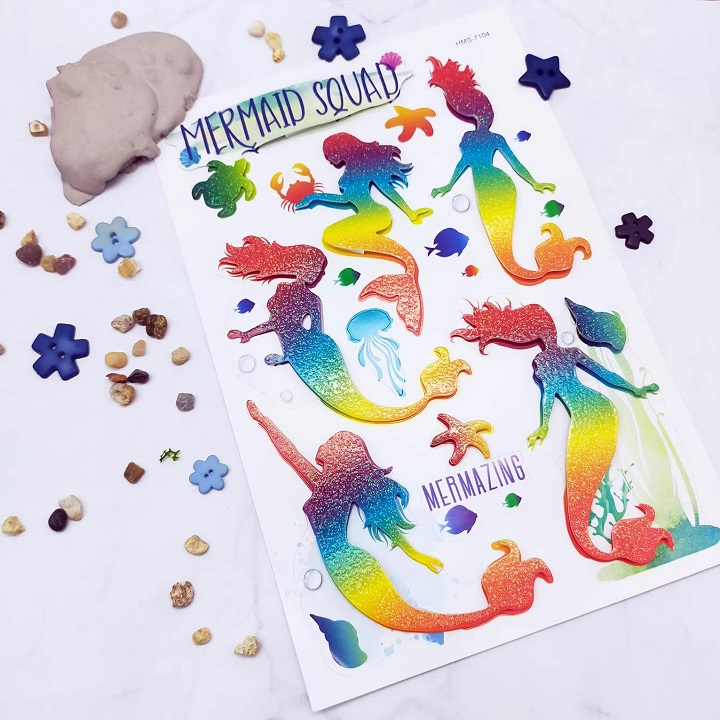 | 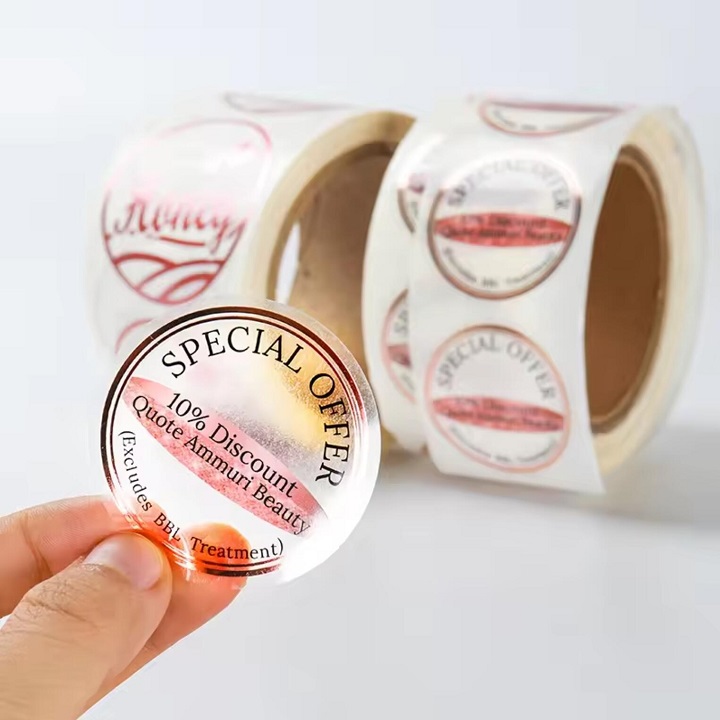 | 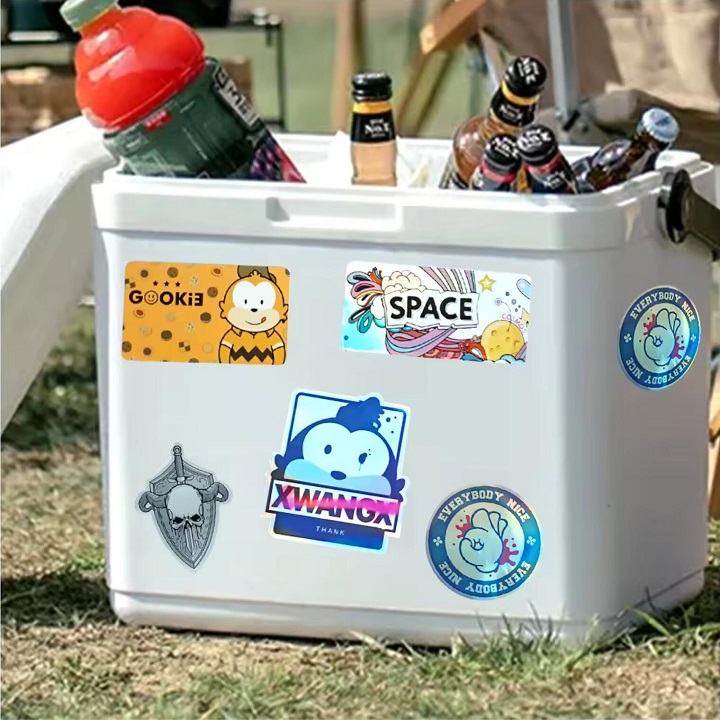 |
Glitter Stickers
| Circle Stickers
| Die Cut Stickers |