Content Menu
● Germany's Sticker and Custom Printing Landscape
● Why German Die Cut Sticker Partners Stand Out
● Overview of Leading Die Cut Stickers Manufacturers and Suppliers in Germany
● Technologies Used by Die Cut Stickers Manufacturers and Suppliers
● Materials and Adhesive Options for Die Cut Stickers
● Industry Trends Shaping German Die Cut Sticker Supply
● Role of Shenzhen XingKun Packing Products Co., Ltd. as an OEM Partner
● OEM, Private Label, and Value‑Added Services
● How Overseas Buyers Can Collaborate with German Suppliers
● Tips for Selecting Die Cut Stickers Manufacturers and Suppliers in Germany
● Practical Use Cases for German Die Cut Stickers
● Enhancing Web Content Around Die Cut Stickers
● Conclusion
● FAQs
>> 1. What makes German Die Cut Stickers Manufacturers and Suppliers different?
>> 2. Can overseas brands order small runs from German suppliers?
>> 3. How do OEM partnerships work for die cut stickers and packaging?
>> 4. Are eco‑friendly materials available from German Die Cut Stickers Manufacturers and Suppliers?
>> 5. How should specifications be prepared before contacting suppliers?
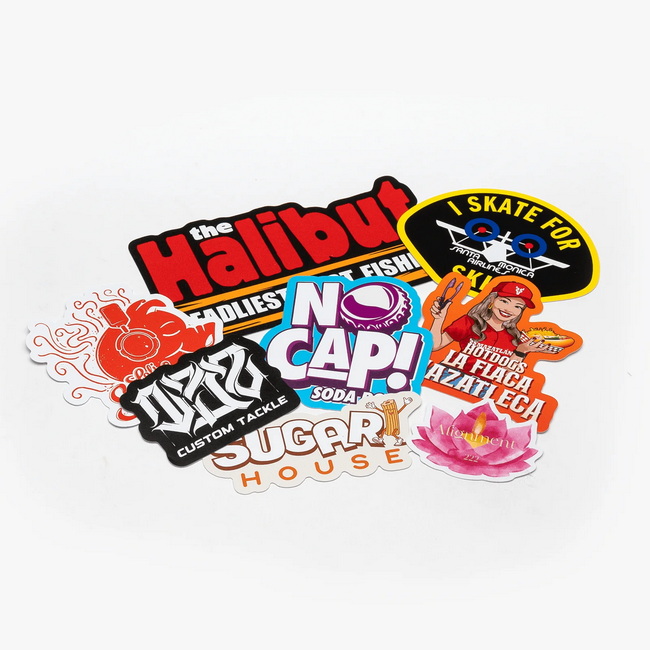
Germany is home to a sophisticated printing and converting industry, making it a strategic destination for sourcing high‑quality Die Cut Stickers Manufacturers and Suppliers for global brands, wholesalers, and OEM buyers. The country's combination of engineering precision, strong regulations, and advanced printing technologies ensures reliable performance for both decorative and industrial Die Cut Stickersapplications.
Germany's Sticker and Custom Printing Landscape
Germany's printing sector includes commercial, packaging, industrial, and specialty printers, many of which have dedicated capabilities for labels and die cut stickers. A large share of this ecosystem focuses on value‑added products such as durable outdoor stickers, technical labels, and customized contour‑cut designs that fit complex shapes on packaging or equipment.
The custom printing and personalized sticker markets have grown with e‑commerce and direct‑to‑consumer brands, which need short‑run, high‑impact graphics that can be updated frequently. As a result, Die Cut Stickers Manufacturers and Suppliers in Germany have adapted to provide flexible batch sizes, fast turnaround, and support for frequent artwork changes to match campaigns and product launches.
Why German Die Cut Sticker Partners Stand Out
German Die Cut Stickers Manufacturers and Suppliers are known for rigorous quality management and process control. From color consistency to dimensional accuracy of cuts, their production methods are designed to deliver repeatable results across large and small runs. This is especially important for brands that must maintain visual identity across multiple product lines and packaging formats.
In addition, Germany's regulatory framework drives high standards in materials and environmental performance. Sticker producers routinely work with low‑migration inks, specialized adhesives, and compliant substrates suitable for food, cosmetics, pharmaceuticals, and technical industries. For OEM buyers, these attributes mean access to labels and stickers that not only look premium but also perform safely in demanding environments.
Overview of Leading Die Cut Stickers Manufacturers and Suppliers in Germany
Across Germany, a wide variety of Die Cut Stickers Manufacturers and Suppliers specialize in different segments, from industrial die‑cut components to decorative and promotional stickers.
Some companies focus on industrial and technical applications, supplying die‑cut adhesive components for automotive, electronics, or medical devices. Others concentrate on marketing and packaging, producing custom vinyl stickers, transparent labels, and contour‑cut logos designed to enhance consumer packaging, POS displays, and promotional items.
This diversity allows overseas buyers to choose partners based on sector, material expertise, and required certifications. Whether the project involves high‑tack industrial components, removable stickers for retail campaigns, or permanent labels for product identification, the German market offers specialized producers capable of meeting those requirements.
Technologies Used by Die Cut Stickers Manufacturers and Suppliers
Modern Die Cut Stickers Manufacturers and Suppliers in Germany rely on a combination of digital, flexographic, offset, and screen printing technologies. Digital printing dominates short‑run and personalized orders, enabling variable data, versioning, and rapid design changes without expensive plates. Flexographic and offset methods remain essential for large orders where unit cost and speed are critical.
Die‑cutting itself can be performed with rotary dies, flatbed dies, or digital cutting systems. Rotary die‑cutting is ideal for high‑volume label and sticker production on rolls, while flatbed die‑cutting and digital plotters are more suitable for complex shapes, thicker materials, or prototyping. Many facilities integrate printing and die‑cutting inline, ensuring precise registration and efficient workflows.
Finishing options are another area where German suppliers excel. Lamination, spot varnishes, embossing, and foiling can be combined with contour cutting to create premium stickers for branding and packaging. Anti‑scratch coatings, UV protection, and chemical‑resistant finishes are also widely used for technical and outdoor applications, giving buyers a broad palette of functional and aesthetic enhancements.
Materials and Adhesive Options for Die Cut Stickers
The choice of material is central to any project involving Die Cut Stickers Manufacturers and Suppliers. In Germany, suppliers typically offer a wide range of face stocks, including paper, polypropylene (PP), polyethylene (PE), polyvinyl chloride (PVC), and specialty films. Paper is often used for cost‑effective indoor labels, while filmic materials provide superior durability, water resistance, and shape stability.
Adhesives are equally important. Permanent adhesives ensure labels remain firmly attached throughout the product's life cycle, whereas removable or repositionable adhesives allow stickers to be applied and removed without residue. For challenging surfaces—such as low‑energy plastics, powder‑coated metals, or rough cardboard—special adhesives are formulated to maintain reliable adhesion. Temperature‑resistant and freezer‑grade adhesives are also available for food, logistics, and industrial environments.
Backing liners, although less visible, influence conversion efficiency and application. Many German suppliers offer film or glassine liners optimized for automated dispensing and high‑speed labelling equipment, which can be crucial for industrial packaging lines and OEM assembly operations.
Industry Trends Shaping German Die Cut Sticker Supply
A number of powerful trends are reshaping how Die Cut Stickers Manufacturers and Suppliers operate in Germany. Sustainability has become a central requirement, pushing producers to adopt recyclable face stocks, solvent‑reduced or water‑based inks, and more efficient production workflows that minimize waste. Brands increasingly request eco‑labelled materials and transparent documentation of environmental performance.
Another major trend is personalization and on‑demand production. E‑commerce brands, subscription services, and indie creators frequently use limited‑edition sticker designs to engage communities and promote campaigns. German suppliers respond with digital printing, online ordering portals, and modular workflows that handle many SKUs in parallel, all while maintaining reliable quality.
Automation and data integration also play a growing role. From prepress automation and color management systems to integrated MIS/ERP platforms, many companies streamline their processes to reduce errors and lead times. This benefits international buyers by providing predictable production schedules, better tracking, and faster communication across time zones.
Role of Shenzhen XingKun Packing Products Co., Ltd. as an OEM Partner
For overseas brands and wholesalers, coordinating multiple suppliers in different countries can be complex. This is where an OEM‑oriented packaging specialist such as Shenzhen XingKun Packing Products Co., Ltd. can add significant value. As a company experienced in custom displays, paper boxes, plastic boxes, notebooks, playing cards, flash cards, stickers, labels, and booklets, it can integrate stickers from German Die Cut Stickers Manufacturers and Suppliers into complete packaging solutions.
Instead of managing separate vendors for stickers, boxes, manuals, and promotional inserts, international clients can work with a single OEM partner that consolidates these components. That partner can liaise with German sticker manufacturers on technical details such as die lines, material compatibility, adhesive performance, and print color standards, then coordinate assembly, packing, and export. This approach reduces administrative workload, shortens project timelines, and helps maintain consistent brand quality across all printed items.
OEM, Private Label, and Value‑Added Services
Many Die Cut Stickers Manufacturers and Suppliers in Germany offer OEM and private‑label services. Under these models, the sticker producer manufactures to the client's specifications, while the client markets the products under its own brand. This is common in sectors like stationery, gifts, promotional merchandise, and e‑commerce subscription boxes.
Beyond printing and die‑cutting, value‑added services can include kitting, packaging design support, barcoding, serialization, and integration with other printed components. When combined with a packaging specialist such as Shenzhen XingKun Packing Products Co., Ltd., these services allow overseas buyers to offer comprehensive sets, such as themed gift boxes with matching stickers, labels, cards, and booklets—ready for retail or direct shipment.
How Overseas Buyers Can Collaborate with German Suppliers
Working with German Die Cut Stickers Manufacturers and Suppliers generally starts with a clear project brief. Buyers should prepare vector artwork (for example in formats such as AI or PDF), precise dimensions, cut lines, quantities, and information about the application surface and environment. Details such as exposure to moisture, UV light, chemicals, or abrasion help suppliers recommend suitable materials and finishes.
It is also important to communicate brand color standards, preferred print technologies, and any industry‑specific regulations. For example, food packaging may require materials that comply with relevant safety standards, while electronics products may need labels that withstand heat or solvents. Once specifications are defined, quotations, samples, and test runs can be arranged. OEM partners can support this process by translating technical requirements into supplier‑friendly language and consolidating multiple projects into coordinated production schedules.
Tips for Selecting Die Cut Stickers Manufacturers and Suppliers in Germany
Choosing the right Die Cut Stickers Manufacturers and Suppliers requires attention to more than just price. Buyers should evaluate technical competence, material knowledge, and communication capabilities to ensure that suppliers can meet current and future needs.
Key considerations include:
- Technical capabilities
Assess whether the supplier uses suitable printing processes, cutting technologies, and finishing options for your project. Complex shapes, fine details, and tight tolerances may require specific equipment and expertise.
- Material and adhesive expertise
Confirm that the company understands the interaction between face stock, adhesive, and application surface. This is essential for labels that must stick securely in cold rooms, outdoors, or on low‑energy plastics.
- Quality assurance and certifications
Look for documented quality systems, traceability, and sector‑specific certifications where relevant. Reliable Die Cut Stickers Manufacturers and Suppliers should be able to provide evidence of consistent quality.
- Sustainability credentials
Evaluate the availability of recyclable, responsibly sourced, or eco‑certified materials, as well as efforts to reduce waste and energy consumption.
- OEM experience and logistics support
Suppliers with established OEM relationships are often better prepared to handle export documentation, branding guidelines, and long‑distance communication. If necessary, collaborate with an OEM packaging specialist to manage cross‑border logistics and multi‑component kits.
Practical Use Cases for German Die Cut Stickers
The output of German Die Cut Stickers Manufacturers and Suppliers appears in a wide variety of real‑world contexts. Consumer brands commonly use custom contour‑cut stickers as part of product packaging, retail displays, and limited‑edition promotions. The same manufacturing capacity also supports fan merchandise, event giveaways, and corporate identity packs that include stickers, notebooks, and printed cards.
In industrial environments, die‑cut adhesive components serve more functional roles. They can act as insulation layers, protective covers, spacers, or mounting aids in electronic assemblies, automotive parts, or machinery. High‑performance adhesives and materials allow these components to withstand mechanical stress, fluctuating temperatures, and exposure to chemicals, expanding the scope of what “stickers” can achieve beyond simple decoration.
Enhancing Web Content Around Die Cut Stickers
For brands and OEM partners promoting their cooperation with German Die Cut Stickers Manufacturers and Suppliers, web content strategy is crucial. Educational articles can explain the difference between materials, adhesives, print methods, and application fields, helping potential customers make informed choices. Case studies showing real projects—from concept to finished packaging—demonstrate capabilities and build trust.
Interactive elements such as design tips, downloadable dieline templates, and simple guides to selecting materials can further support prospective buyers. By positioning themselves as advisors rather than just vendors, companies involved in the die cut sticker supply chain can attract more qualified leads and long‑term partnerships.
Conclusion
Germany has built a robust ecosystem of Die Cut Stickers Manufacturers and Suppliers that combine precision printing, advanced die‑cutting, and high material standards. This environment makes the country an attractive sourcing hub for both decorative and technical stickers, serving industries from consumer goods and cosmetics to automotive and electronics.
For international brands, wholesalers, and manufacturers, partnering with these German specialists offers access to reliable quality, diverse material options, and strong compliance with regulatory and sustainability requirements. When integrated through an OEM packaging expert such as Shenzhen XingKun Packing Products Co., Ltd., die cut stickers can be seamlessly combined with custom boxes, displays, notebooks, playing cards, flash cards, labels, and booklets to form cohesive branding and packaging systems.
By carefully selecting the right Die Cut Stickers Manufacturers and Suppliers, defining clear specifications, and leveraging OEM collaboration, businesses can unlock powerful branding tools and efficient supply chains that support long‑term growth in both local and global markets.
FAQs
1. What makes German Die Cut Stickers Manufacturers and Suppliers different?
German Die Cut Stickers Manufacturers and Suppliers stand out for their emphasis on precision, durability, and reliable quality management. They often operate under strict regulatory frameworks that drive high standards in materials, safety, and environmental performance. Their combination of advanced printing technology and engineering‑driven process control supports both creative and highly technical projects.
2. Can overseas brands order small runs from German suppliers?
Yes. Many German Die Cut Stickers Manufacturers and Suppliers have invested in digital printing and flexible workflows that enable economical short‑run production. This is ideal for overseas clients testing new designs, launching regional campaigns, or creating limited‑edition packaging without committing to very large volumes. As demand grows, the same suppliers can scale up and switch to higher‑volume processes where appropriate.
3. How do OEM partnerships work for die cut stickers and packaging?
In OEM partnerships, Die Cut Stickers Manufacturers and Suppliers produce stickers and labels according to the client's specifications, while the client markets them under its own brand or integrates them into finished products. A packaging‑focused OEM partner, such as Shenzhen XingKun Packing Products Co., Ltd., can coordinate multiple elements—stickers, boxes, booklets, and other printed components—into cohesive sets. This reduces the buyer's workload while preserving technical quality and brand consistency.
4. Are eco‑friendly materials available from German Die Cut Stickers Manufacturers and Suppliers?
Eco‑friendly options are widely available. German Die Cut Stickers Manufacturers and Suppliers commonly work with recyclable face stocks, reduced‑solvent inks, and production workflows designed to minimize waste. Many can provide documentation related to sustainability or specific environmental standards, allowing brands to align their packaging and labelling choices with corporate responsibility goals and market expectations.
5. How should specifications be prepared before contacting suppliers?
Before approaching Die Cut Stickers Manufacturers and Suppliers, buyers should prepare a detailed specification sheet. This should cover dimensions, shapes, quantities, materials, adhesive types, and the conditions in which stickers will be used. Providing vector artwork, information on surface types, and any industry regulations that apply helps suppliers recommend suitable combinations of materials and finishes. Clear specifications accelerate quoting, sampling, and production, and they significantly improve the chances of a successful project.


