Content Menu
● The Origins of Dragon Ball Cards
● The Evolution to Modern Dragon Ball Super Cards
● Why Dragon Ball Cards Captivate Collectors
● Understanding the Rarity System
● How to Start Collecting Dragon Ball Cards
● Recent Trends: The Dragon Ball Fusion World and Digital Cards
● The Investment Side of Dragon Ball Cards
● Preserving and Displaying Your Collection
● The Cultural Impact of Dragon Ball Cards
● Looking Ahead: The Future of Dragon Ball Cards
● Frequently Asked Questions
>> 1. What is the rarest Dragon Ball card ever released?
>> 2. How do I tell if my Dragon Ball cards are authentic?
>> 3. Are Dragon Ball cards a good investment?
>> 4. Where can I buy Dragon Ball cards safely?
>> 5. Can I play the Dragon Ball Super Card Game online?
The Dragon Ball franchise has long held a special place in the hearts of anime and manga enthusiasts worldwide. From explosive fight scenes to unforgettable characters, it stands as a cornerstone of Japanese pop culture. Among its many offshoots, one collectible item has surged in popularity in recent years—Dragon Ball cards. These cards have grown from simple anime tie-ins into a serious collector’s market, rivaling even Pokémon and Yu-Gi-Oh! in scale and enthusiasm.
In this article, we’ll explore what makes Dragon Ball cards so desirable, their history, types, value, collecting strategies, and how modern trends have reinvigorated the hobby.
The Origins of Dragon Ball Cards
Dragon Ball cards first appeared in Japan during the late 1980s, not long after the Dragon Ball anime began airing. Early versions, such as the Carddass series produced by Bandai, used a simple yet colorful design featuring character art and battle points. Fans could buy these cards from vending machines, often for just a few yen, making them easily accessible to children.
Over time, these early cards became iconic. Their nostalgic value has made first-generation Carddass sets highly sought after by collectors. Many of these vintage cards are now prized items, especially if preserved in mint condition. The charm of these early releases lies in their simplicity—no holographic effects, no complex gameplay mechanics, just the pure joy of owning your favorite hero or villain in card form.
The Evolution to Modern Dragon Ball Super Cards
As the franchise evolved through Dragon Ball Z, GT, and Super, the trading card lines grew more sophisticated. The Dragon Ball Super Card Game (DBSCG), first released in 2017 by Bandai, brought a polished, competitive trading card experience to global audiences. This game combined strategic battles with high-quality artwork, aligning itself with modern card games like Magic: The Gathering and Yu-Gi-Oh!.
Players could now build decks around characters such as Goku, Vegeta, Broly, or Frieza, using energy and combo mechanics to recreate iconic battles in card form. Each card’s artwork drew inspiration from anime scenes, giving players a nostalgic thrill every time they battled.
The introduction of holographic and secret rare cards added another layer of excitement. Collectors began chasing ultra-rare variants—cards printed in limited quantities or featuring special foil designs. Some of these cards, especially secret rares (SCR) and promotional tournament exclusives, can be worth hundreds or even thousands of dollars.
Why Dragon Ball Cards Captivate Collectors
There are several reasons why Dragon Ball cards attract both players and collectors across generations:
Emotional connection – Many fans grew up watching Dragon Ball and view the cards as tangible symbols of their childhood memories.
Dynamic artwork – Each card features detailed illustrations that capture the intensity and energy of the anime’s battles.
Scarcity and rarity – Limited-edition and secret rare cards fuel the thrill of the hunt.
Community and nostalgia – Online groups, conventions, and tournaments connect like-minded collectors globally.
Investment potential – As certain sets become more scarce, their value has increased, making Dragon Ball cards an attractive speculative asset.
Unlike many collectibles that fade from relevance, Dragon Ball enjoys constant revitalization through new anime, video games, and merchandise. This consistent cultural presence keeps interest in the cards alive.
Understanding the Rarity System
One of the key factors that drive collector enthusiasm is the rarity system. In the Dragon Ball Super Card Game, each expansion set features cards ranked by rarity, usually in ascending order:
Common (C) – Widely available, found in most booster packs.
Uncommon (UC) – Slightly rarer than common, but still easy to obtain.
Rare (R) – Not guaranteed per pack, but not too difficult to collect.
Super Rare (SR) – Introduces special foil designs and improved artwork.
Special Rare (SPR) – Often features unique finishes or alternate poses.
Secret Rare (SCR) – Extremely rare, often only one or two per entire case (12 boxes). These are the “holy grail” of modern cards.
Occasionally, Bandai releases promotional cards (PR) tied to events or collaborations. These are even more valuable since they are limited in distribution, often obtainable only through tournaments or pre-order bonuses.
How to Start Collecting Dragon Ball Cards
Newcomers can easily be overwhelmed by the variety and depth of Dragon Ball cards, but starting small is the best approach:
Choose your focus – Decide whether you want to collect cards for display, gameplay, or investment.
Start with starter decks – These decks provide balanced setups for beginners and are affordable.
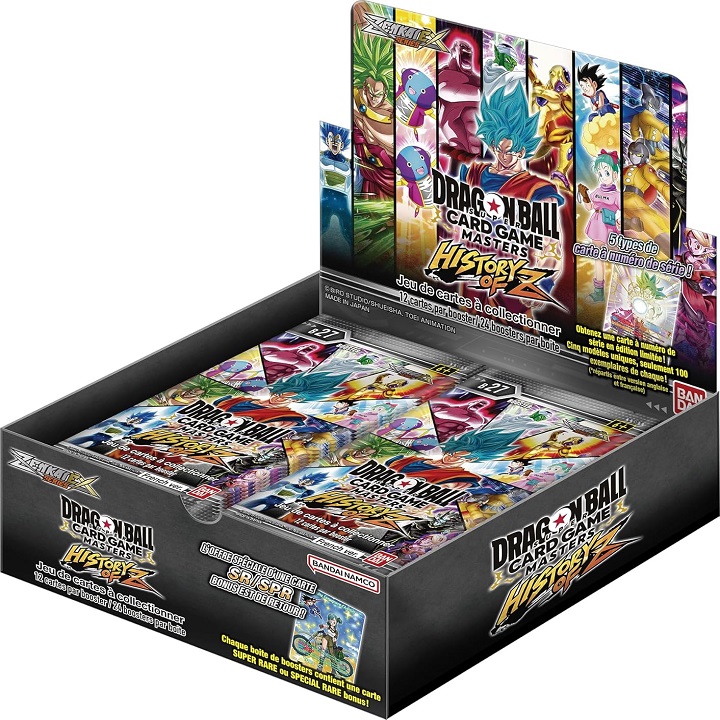
Research booster sets – Each set follows a theme, usually related to an anime arc or movie. For instance, Dawn of the Z-Legends is based on classic Dragon Ball Z sagas.
Protect your cards – Use sleeves, binders, and protective cases to prevent damage.
Engage with community groups – Online marketplaces and fan forums help you learn card values, trade safely, and meet other collectors.
Because the resale value of certain cards can fluctuate rapidly, understanding market trends is crucial for serious collectors. Platforms like eBay, TCGPlayer, and Facebook groups often reflect current prices and demand.
Recent Trends: The Dragon Ball Fusion World and Digital Cards
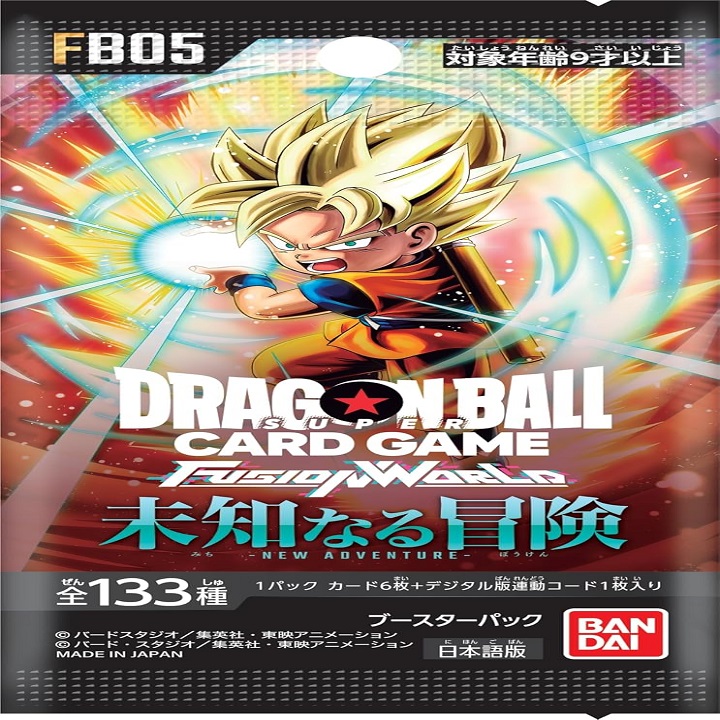
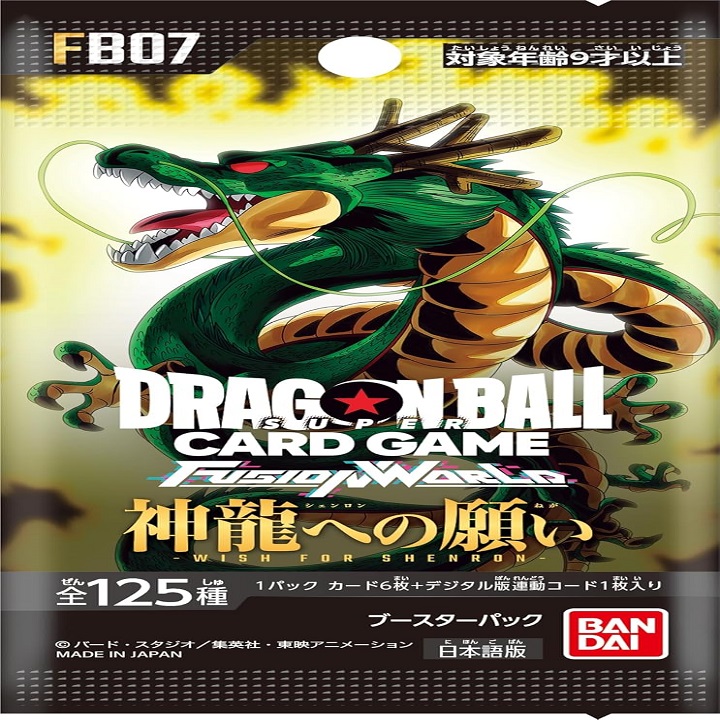
In 2023, Bandai introduced Dragon Ball Super Card Game: Fusion World, a digital and simplified evolution of the original card game. This version combines physical and online play, making it easier for global fans to participate. Its release also expanded the franchise’s appeal to new audiences who prefer digital collecting.
Digital card platforms allow collectors to authenticate ownership through serialized codes, helping combat counterfeits—an issue that has affected the physical card scene due to its growing profitability.
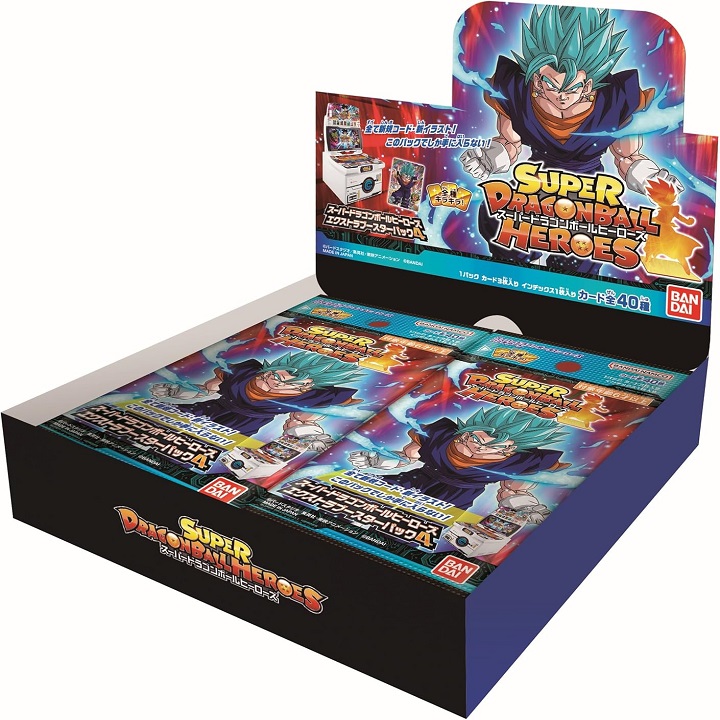
Meanwhile, Dragon Ball Heroes, a Japanese arcade and card-based video game, continues to release exclusive card series with flashy holographics and limited availability, adding even more depth to the collecting hobby.
The Investment Side of Dragon Ball Cards
While collecting is primarily about passion, the financial aspect cannot be ignored. Like Pokémon and sports cards, Dragon Ball cards have entered mainstream investment discussions. Some cards—such as the Son Goku SCR from BT2 or the Broly, The Awakened Threat SCR—have witnessed dramatic value increases over time.
Factors that influence card value include:
Condition and grading – Cards graded by PSA or Beckett fetch far higher prices.
Age and print run – Earlier sets or event-exclusive promos are more valuable.
Popularity of the character – Goku, Vegeta, and Broly cards tend to dominate higher price brackets.
Cultural milestones – Movie tie-ins or special anniversary editions drive spikes in demand.
However, it’s wise for new investors to treat this primarily as a hobby and not a guaranteed financial return. The market’s volatility means prices can fluctuate quickly.
Preserving and Displaying Your Collection
To maintain both the aesthetic and financial value of your Dragon Ball cards, preservation is key. Collectors commonly use acid-free sleeves, top loaders, and binders to protect surfaces from scratches or humidity. For rare cards, graded cases ensure long-term protection and authenticity.
Many fans also enjoy displaying their collections. Wall-mounted frames, LED-lit showcases, or thematic layouts depicting battles (e.g., Goku vs. Vegeta spreads) make for stunning visual displays. Sharing your setup on social media platforms like Instagram or Reddit can also connect you with other enthusiasts.
The Cultural Impact of Dragon Ball Cards
Beyond collecting, Dragon Ball cards reflect something larger—the enduring appeal of the series itself. Each artwork pays tribute to Akira Toriyama’s legendary storytelling and character design. Whether it’s Gohan’s transformation, Frieza’s final form, or ultra-instinct Goku, these cards immortalize pivotal moments that fans never forget.
In Japan, card collecting has become a cultural ritual, with vending machines, card shops, and trading events forming part of everyday community life. That same culture has spread globally, with Western collectors adopting similar passion and dedication.
Looking Ahead: The Future of Dragon Ball Cards
Given the franchise’s continued success and Bandai’s commitment to innovation, Dragon Ball cards show no sign of slowing down. New game mechanics, crossover promotions, and digital integrations will likely attract the next generation of fans.
Collectors can expect:
Expanded digital-physical hybrid systems.
More cinematic, 3D-style holographic designs.
Collaborations with other Bandai franchises.
Global tournaments and prize-exclusive cards.
As long as Dragon Ball remains a cornerstone of anime culture, its cards will continue to hold incredible emotional and collectible value.
Frequently Asked Questions
1. What is the rarest Dragon Ball card ever released?
The rarest known is often considered the Son Goku Ultra Instinct Secret Rare from early DBSCG sets, with PSA 10 versions valued at thousands of dollars.
2. How do I tell if my Dragon Ball cards are authentic?
Check for Bandai logos, set codes, official holographic seals, and consistent print quality. Avoid listings with blurry or inconsistent artwork.
3. Are Dragon Ball cards a good investment?
While some cards appreciate significantly, treat collecting as a passion project first. Market conditions can fluctuate.
4. Where can I buy Dragon Ball cards safely?
Official retailers, Bandai’s partners, or reputable online platforms like TCGPlayer, eBay (with grading verification), and local card shops are safest options.
5. Can I play the Dragon Ball Super Card Game online?
Yes. The Fusion World version provides online modes combining physical and digital experiences, allowing global competition.


