Content Menu
● What Is a Yugioh Structure Deck?
● The History and Evolution of Structure Decks
● Key Features That Define Yugioh Structure Decks
● Why Yugioh Structure Decks Appeal to Different Player Types
● Comparing Structure Decks With Starter Decks and Booster Packs
● The Balance Between Accessibility and Depth
● The Role of Structure Decks in the Modern Metagame
● The Marketing Genius Behind Yugioh Structure Decks
● How to Upgrade a Structure Deck Effectively
● Notable Structure Decks in Yugioh History
● The Future of Yugioh Structure Decks
● Common Misconceptions About Structure Decks
● Cultural Impact of Yugioh Structure Decks
● Conclusion: Why Yugioh Structure Decks Remain Essential
● Frequently Asked Questions (FAQs)
>> 1. What is the difference between a Structure Deck and a Starter Deck?
>> 2. Are Structure Decks good for tournaments?
>> 3. How often does Konami release new Structure Decks?
>> 4. Can I combine multiple Structure Decks?
>> 5. Are Structure Decks worth collecting?
For over two decades, the Yu-Gi-Oh! trading card game has captivated millions of players around the globe. From casual hobbyists to world-class tournament contenders, the game’s success owes much to its constant innovation and accessibility. Among the many product types in the Yu-Gi-Oh! franchise — booster packs, collector’s tins, and special editions — one stands out as an evergreen favorite: the Yugioh Structure Decks.
These pre-constructed decks bridge the gap between casual fun and competitive play. But what exactly are Structure Decks, and why do they command so much attention from players of all skill levels? Let’s dive deep into what makes them such a vital part of the Yugioh experience.
What Is a Yugioh Structure Deck?
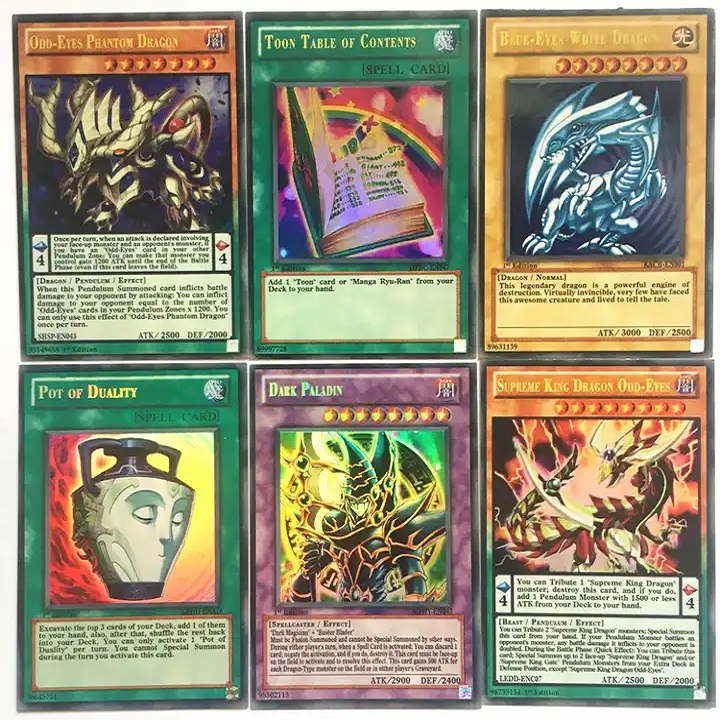
A Structure Deck is a pre-built, ready-to-play deck created by Konami — the official developer of Yu-Gi-Oh! Each one contains around 40–50 cards, designed around a specific theme, archetype, or strategy. Unlike random booster packs, Structure Decks are consistent; every copy features the same cards, making them perfect for beginners who want a complete and functional deck right out of the box.
Over the years, Konami has released dozens of Structure Decks — from early favorites like Dragon’s Roar (2004) and Zombie Madness to powerhouse modern releases like Albaz Strike (2022) and Fire Kings of the Blaze (2024). Each one showcases a cohesive playstyle and includes powerful Synergy-based cards that help players learn advanced strategies without the need for excessive deck building experience.
The History and Evolution of Structure Decks
To understand why Structure Decks matter so much, it’s helpful to explore their evolution:
1.Early Years (2004–2007): The first Structure Decks introduced accessible archetypes like Dragon, Zombie, and Warrior, teaching basic mechanics such as tribute summoning, spell/trap support, and graveyard revival. These decks were aimed at beginners just starting out after the Yu-Gi-Oh! Duel Monsters anime peak.
2.Strategic Era (2008–2013): Konami began introducing decks that mirrored competitive features, such as the Machina Mayhem deck (introducing Machina Fortress) and Gates of the Underworld (reviving Dark World). This era highlighted strategy depth and synergy, giving Structure Decks a serious place in the tournament scene.
3.Competitive Integration (2014–2020): The gap between casual and competitive play narrowed. Decks like Soulburner’s Salamangreat and Shaddoll Showdown became tournament contenders straight out of the box. For the first time, a Structure Deck could top regionals or locals with minimal modification.
4.Modern Era (2021–2025): Structure Decks evolved into valuable entry points for players returning to the game after long breaks. Recent releases such as Legend of the Crystal Beasts and Fire Kings of the Blaze combine nostalgia with modern power levels, offering reprints of key cards and alternate art versions.
The clear growth trajectory shows that Structure Decks are no longer “beginner-only” products; they are balanced tools for learning, competing, and collecting.
Key Features That Define Yugioh Structure Decks
What separates Structure Decks from other products lies in several consistent features:
Thematic Cohesion: Each deck revolves around a specific archetype, ensuring that cards work flawlessly together.
Full Playability: Players can use the deck immediately without purchasing extra packs.
Instructional Support: Deck boxes often include a playmat, rulebook, and card guide outlining strategy and combos.
Affordable Entry: Compared to building a deck from scratch, Structure Decks provide a budget-friendly way to enjoy a focused strategy.
Collectibility: Many include exclusive cards not found anywhere else, making them desirable for collectors.

Why Yugioh Structure Decks Appeal to Different Player Types
1. Beginners:
New players benefit most from ready-to-play Structure Decks. The synergy between cards teaches fundamental gameplay — how to chain effects, set traps, summon monsters, and control tempo. For example, Yugi Muto’s Structure Deck emphasizes spellcaster combos, while Kaiba Reloaded focuses on raw attack power and dragon synergy.
2. Returning Players:
Veteran players who return after years often feel overwhelmed by new mechanics like Link Summoning or Pendulum Summoning. Structure Decks provide a modernized, low-risk re-entry point, letting them catch up with current archetypes and card text changes.
3. Competitive Duelists:
Even high-level players appreciate Structure Decks. Some of the best meta decks have roots in these pre-built sets; for instance, Salamangreat Structure Deck was the foundation for several championship-winning lists with minimal changes.
4. Collectors and Fans:
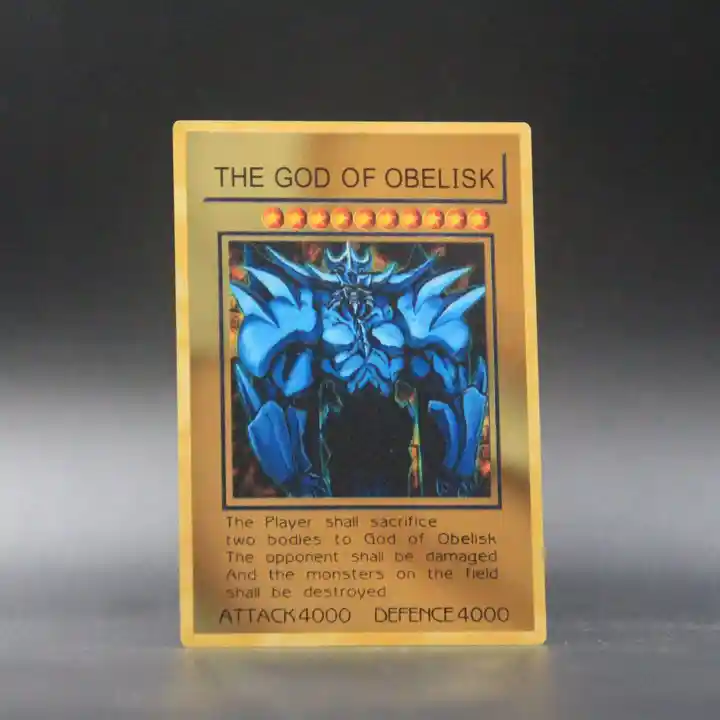
Because Structure Decks often include exclusive artwork, holo variants, or essential reprints, collectors view them as both playable products and collectibles. The nostalgic themes — such as Egyptian God Decks or Cyber Dragon Revolution — also draw longtime fans.
Comparing Structure Decks With Starter Decks and Booster Packs
For clarity, it helps to distinguish Structure Decks from other Yugioh products.
| Product Type | Key Purpose | Card Consistency | Ideal Audience |
| Structure Deck | Thematic, full playable deck | 100% consistent | Beginners to intermediate players |
| Starter Deck | Introductory training tool | 100% consistent | Absolute beginners |
| Booster Pack | Randomized expansion | Random | Builders, collectors, competitive players |
| Special Edition/Box Set | Promotional mix of packs and cards | Partial | Collectors and serious players |
Structure Decks occupy the perfect middle ground — affordable, thematic, consistent, and strong out of the box.
The Balance Between Accessibility and Depth
One secret behind the success of Yugioh Structure Decks is their delicate balance of simplicity and complexity. Each deck teaches an archetype’s mechanics progressively. For example:
Cyber Dragon Revolution starts with easy machine fusion plays, then introduces chaining effects.
Zombie Horde focuses on graveyard manipulation and resource recursion.
Albaz Strike teaches fusion mechanics alongside story-driven lore, integrating competitive staples like Branded Fusion.
This balance allows gradual mastery — beginners learn easily, while veterans can optimize decklists with advanced tech cards.
The Role of Structure Decks in the Modern Metagame
In recent years, Konami has smartly used Structure Decks as gateways to modern competitive archetypes. Many Tier 1 decks of the past five years began as Structure Deck concepts.
Examples include:
Salamangreat Structure Deck → evolved into a Link-focused meta archetype.
Sacred Beasts → revived ancient anime villains into modern control decks.
Dark World → reintroduced a discard-based strategy that shocked tournaments upon release.
Fire Kings (2024) → found success due to strong reprints and synergy with generic monster effects.
Rather than remaining casual-only, Structure Decks now serve as prototypes for meta-relevant decks.
The Marketing Genius Behind Yugioh Structure Decks
Konami’s marketing strategy around Structure Decks plays a huge part in their sustained success. The design process typically targets three goals:
1.Fan Nostalgia: Revive beloved characters or archetypes from past anime series.
2.Gameplay Innovation: Introduce new mechanics or support for underused types.
3.Accessibility Reform: Offer affordable ways for all players to join the competitive ecosystem.
Structure Deck releases also coincide strategically with major anime anniversaries or video game launches, amplifying cross-promotional impact. This approach mirrors the storytelling depth of the Yu-Gi-Oh! franchise — connecting narrative, nostalgia, and new gameplay all at once.
How to Upgrade a Structure Deck Effectively
A common piece of advice among experienced duelists is: “Don’t see a Structure Deck as an end — see it as a beginning.” Once you understand its framework, you can enhance its effectiveness with targeted upgrades. Here’s how:
1.Buy Multiple Copies: Purchasing 2–3 copies ensures full playsets of critical cards.
2.Add Tech or Generic Cards: Cards like Ash Blossom & Joyous Spring, Called by the Grave, or Infinite Impermanence fit into almost any deck.
3.Study Meta Lists: Check online tournament results to see how others optimized the same archetype.
4.Balance Consistency: Replace situational cards with draw/search spells that stabilize hands.
5.Test Frequently: Real duels expose weaknesses in tempo or defense that aren’t obvious in theory.
Through these steps, even casual players can transform a standard Structure Deck into a legitimate competitive weapon.
Notable Structure Decks in Yugioh History
Several releases stand out as milestones:
Dragon’s Roar (2004): The very first Structure Deck — established the foundation.
Zombie World (2008): Introduced global-type manipulation mechanics.
Machina Mayhem (2010): Featured Machina Fortress, a meta-breaker.
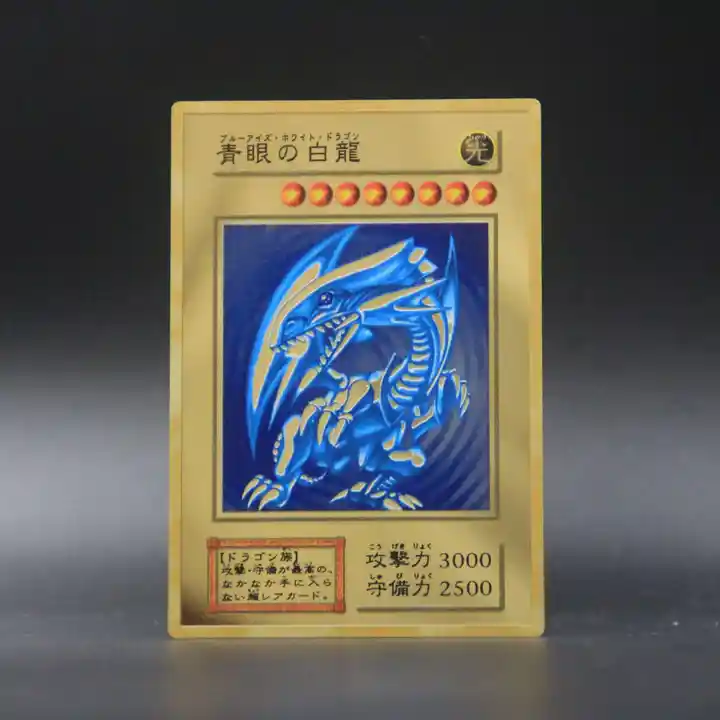
Saga of Blue-Eyes White Dragon (2013): One of the best-selling decks in history.
Soulburner (2019): Sparked the Salamangreat dominance era.
Albaz Strike (2022): Revolutionized branded fusion play.
Fire Kings of the Blaze (2024): Popularized destruction synergy as a positive mechanic.
Each iconic release contributed new playstyles, mechanics, or beloved lore moments.
The Future of Yugioh Structure Decks
As Yu-Gi-Oh! continues evolving with new summoning methods and rule updates, Structure Decks remain a steady bridge between generations. Konami’s likely trajectory includes more integration with digital platforms like Master Duel, where Structure Deck themes align with virtual counterparts.
Upcoming Structure Deck concepts are rumored to expand on Ritual archetypes and Cyber support, potentially combining multiple summoning styles in one cohesive product. Given their consistent demand, Structure Decks will undoubtedly continue playing a key role in introducing both traditional and evolving mechanics.
Common Misconceptions About Structure Decks
Despite their popularity, a few misconceptions persist:
“Structure Decks are only for beginners.”
False. Some have won or placed highly in competitive tournaments with minimal adjustments.
“They’re just reprint sets.”
Many Structure Decks include brand-new cards unavailable elsewhere upon release.
“They lack individuality.”
Though pre-built, each deck uniquely expresses its archetype’s theme, from monster designs to lore elements.
“You can’t customize them.”
Far from it — Structure Decks are meant to serve as springboards for customization.

Cultural Impact of Yugioh Structure Decks
Beyond gameplay, Structure Decks also carry cultural resonance. They serve as collectibles, storytelling devices, and even teaching tools. For younger generations, receiving their first Structure Deck can feel like inheriting a piece of the Yu-Gi-Oh! universe. For adults, opening a retro deck evokes nostalgia for childhood memories tied to dueling friends.
Moreover, Structure Decks maintain local communities by making entry into the game less intimidating. New duelists can instantly participate, fueling events, and expanding the global player base.
Conclusion: Why Yugioh Structure Decks Remain Essential
The sustained success of Yugioh Structure Decks stems from a rare combination of design elegance, educational value, and communal spirit. They are simple enough for newcomers, rich enough for veterans, and nostalgic enough for collectors. Whether you want to learn, compete, or simply enjoy the cards’ artistry, a Structure Deck provides the most balanced gateway into the Yugioh universe.
More than just decks — they are time capsules of the game’s ongoing legacy.
Frequently Asked Questions (FAQs)
1. What is the difference between a Structure Deck and a Starter Deck?
A Starter Deck teaches basic rules, while a Structure Deck focuses on advanced strategies tied to archetypes.
2. Are Structure Decks good for tournaments?
Some are! Decks like Albaz Strike and Salamangreat have achieved competitive success with few modifications.
3. How often does Konami release new Structure Decks?
Typically, two to three times per year, sometimes themed around anniversaries or anime characters.
4. Can I combine multiple Structure Decks?
Absolutely. Most players buy two or three copies to strengthen consistency and improve performance.
5. Are Structure Decks worth collecting?
Yes — especially for reprints, exclusive cards, or nostalgic themes tied to classic duelists.


