Content Menu
● The Origins of Magic: The Gathering
● Innovation in Game Mechanics
● Storytelling and Worldbuilding
● The Power of Art and Design
● The Community and Social Experience
● The Competitive Scene and Esports Influence
● Adaptation in the Digital Age
● Economics, Collecting, and Rarity
● Constant Evolution Yet Timeless Appeal
● Educational and Cognitive Benefits
● Controversies and Challenges
● The Future of Magic: The Gathering
● Conclusion
● Frequently Asked Questions (FAQ)
>> 1. What is Magic: The Gathering?
>> 2. How many cards exist in Magic: The Gathering?
>> 3. Is Magic: The Gathering difficult to learn?
>> 4. Why are some Magic cards so valuable?
>> 5. Can Magic: The Gathering be played online?
Magic: The Gathering, often abbreviated as MTG, stands as one of the most enduring and influential trading card games ever created. Since its debut in 1993, it has not only defined the genre of collectible card games but has also cultivated a massive global community of players, collectors, and strategists. The game’s unique blend of strategy, storytelling, art, and competition has allowed it to thrive while countless other games have come and gone.
To understand why Magic: The Gathering has remained so popular for more than three decades, it’s essential to explore its origins, mechanics, design philosophy, community, competitive scene, and digital transformation.
The Origins of Magic: The Gathering
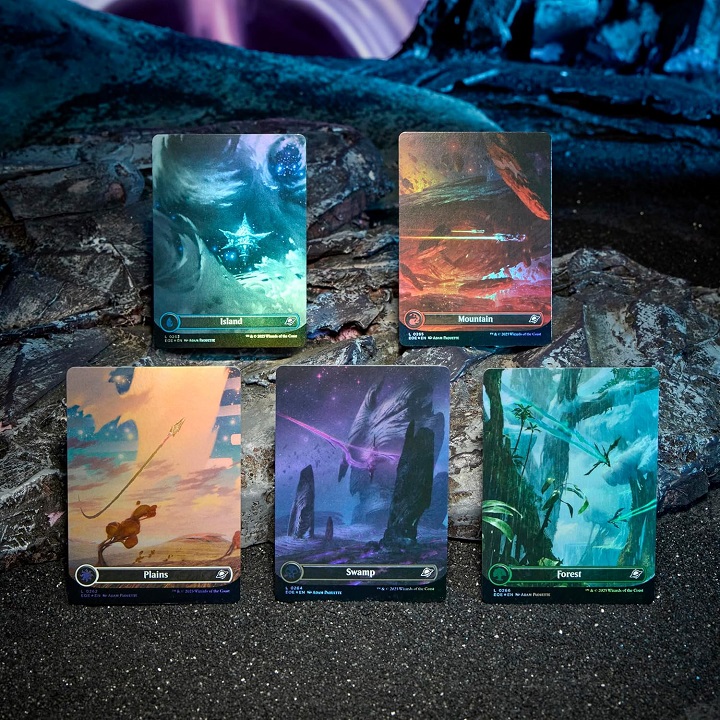
The story of Magic: The Gathering began with mathematician Richard Garfield, who created the game for Wizards of the Coast. Garfield wanted to design a game that was portable, replayable, and filled with strategic depth. Unlike traditional board games, MTG relied on collectibility and customization—each player could build decks that expressed personal style and tactics.
When it first launched in 1993, Magic was revolutionary. Players were instantly drawn to the richness of choices and the beauty of its art. The premise was elegant: players assumed the roles of powerful wizards, known as planeswalkers, summoning creatures, casting spells, and conjuring magical worlds.
The first print run sold out almost immediately. Wizards of the Coast could not keep up with demand, and Magic became a cultural phenomenon in hobby shops and college campuses across the United States.
Innovation in Game Mechanics
At the heart of Magic: The Gathering’s success lies its ever-evolving system of rules and mechanics. The game introduced the concept of a “mana system,” where players draw energy from basic land cards to cast their spells. This system introduced resource management and risk assessment into every game.
Over the decades, MTG has added thousands of cards and new mechanics such as:
Multicolor and hybrid mana, allowing players to blend colors for creative strategies.
Creature types and tribal synergies, encouraging thematic deckbuilding.
New card types, like planeswalkers, which added new layers of interaction.
Keywords like flying, trample, or haste, providing clarity and tactical complexity.
The color pie philosophy, which ensures each color has a distinct identity—white for order, blue for intellect, black for ambition, red for passion, and green for nature.
The constant innovation keeps gameplay fresh without losing its core principles. Veterans remain engaged, while newcomers always find exciting new strategies to learn.
Storytelling and Worldbuilding
Magic: The Gathering is not just a strategy game; it is also a rich narrative universe. Each card set introduces new worlds, characters, and conflicts within a vast multiverse. These stories are told through card art, flavor text, novels, videos, and online lore.
For instance, iconic planes like Ravnica, Zendikar, and Innistrad each evoke distinct cultures and themes—from gothic horror to high fantasy to vibrant urban civilizations. The interconnected story arcs even involve recurring champions known as Planeswalkers, whose journeys weave threads of continuity through the game’s ever-expanding lore.
This deep narrative environment has made the game feel alive. Players are not simply dueling for victory; they are participating in a living, breathing mythos that evolves with every card release.
The Power of Art and Design
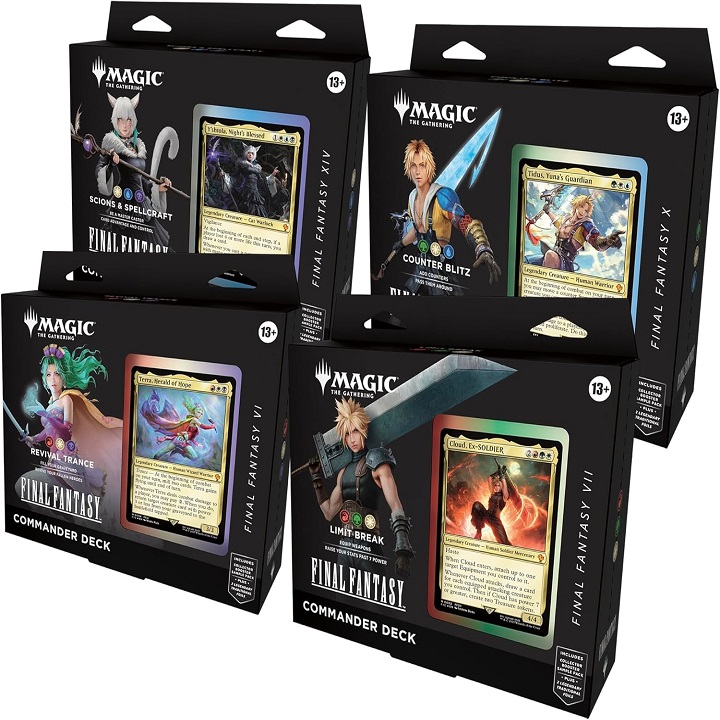
Few games in history rival Magic: The Gathering in terms of visual artistry. Each card is a miniature canvas, featuring illustrations from some of the best fantasy artists in the world. From early classics by artists like Anson Maddocks and Rebecca Guay to modern digital masterpieces, MTG’s art contributes as much to its appeal as its gameplay.
The card frames, typography, and visual layout have evolved too, balancing readability with aesthetic value. The game’s visual identity has remained both timeless and adaptive, capable of appealing to old-school fans and new generations alike.
Collectors often value cards not only for their in-game power but also for their artistic craftsmanship. This dual appreciation—strategic and aesthetic—sets MTG apart from most games in the genre.
The Community and Social Experience
One of the most powerful reasons for Magic: The Gathering’s longevity is its community. From small kitchen-table playgroups to massive global tournaments, MTG thrives on social interaction.
Players share deck lists, discuss strategies online, and meet at local game stores for weekly Friday Night Magic events. The sense of belonging within this network cannot be overstated. Magic has fostered friendships, local traditions, and even professional careers.
Online platforms such as Reddit’s r/magicTCG and Discord communities keep the conversation alive around the clock. Players debate over new mechanics, share deck-building advice, and celebrate the game’s heritage. This emotional investment ensures that Magic is more than a pastime—it is a way of life for many fans.
The Competitive Scene and Esports Influence
Competition has always been integral to Magic’s identity. Organized play began early in the game’s history, culminating in professional-level tournaments such as the Pro Tour (now known as the Magic Pro League).
Competitive formats include:
Standard, using the most recent sets.
Modern, allowing a broader range of cards since 2003.
Legacy and Vintage, embracing nearly every card ever printed.
Draft and Sealed, where players build decks from limited cards on-site.
Top players build reputations through strategy, skill, and consistency, inspiring others to improve. Magic also pioneered esports concepts like streaming deck matches, long before digital card games became mainstream.
Today, Magic’s presence on Twitch and YouTube brings in new audiences, with commentators analyzing plays and celebrating community achievements. The balance of skill and luck, plus the constant metagame evolution, makes watching competitive Magic engaging even for non-players.
Adaptation in the Digital Age
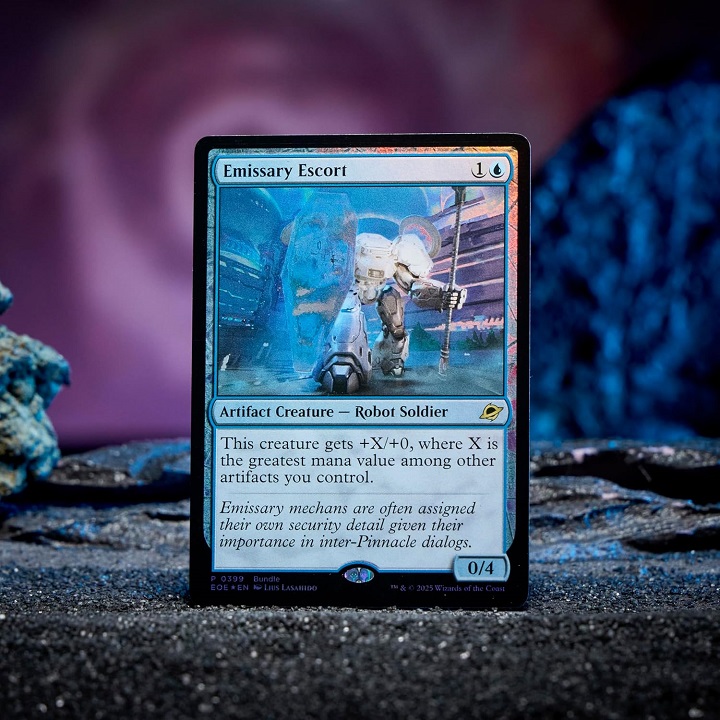
Magic: The Gathering demonstrated remarkable adaptability as gaming shifted online. Its early attempt, Magic: The Gathering Online (MTGO), in 2002, introduced official digital play long before many competitors. Although its interface was clunky, it helped preserve older formats digitally and enabled global competition.
Later, the release of Magic: The Gathering Arena modernized the digital experience. Arena offered sleek graphics, intuitive tutorials, and easy matchmaking—appealing to newcomers while satisfying veterans. Unlike MTGO, Arena made the game accessible on both PCs and mobile platforms, significantly expanding its audience.
Digital play has also accelerated content cycles through weekly events and cosmetic customization, blending the strategic heart of Magic with contemporary digital design expectations.
Economics, Collecting, and Rarity
Magic’s collectibility forms a major pillar of its popularity. Each card has a rarity—common, uncommon, rare, or mythic rare—and some older cards are among the most valuable collectibles in gaming history.
Iconic examples include:
The Black Lotus, famously valued at tens of thousands of dollars.
The Power Nine, a legendary set of early cards from the 1990s.
Unique promotional or “foil” prints that collectors pursue worldwide.
Beyond investment potential, the collecting experience satisfies a primal joy: finding a rare card in a booster pack, trading with friends, or designing a personalized deck. The thrill of discovery and ownership gives MTG psychological rewards similar to those found in sports fandom or art collecting.
Constant Evolution Yet Timeless Appeal
Another crucial factor in Magic: The Gathering’s endurance is its ability to evolve while staying recognizable. Wizards of the Coast continues to innovate with new mechanics, themes, and products, catering to multiple audiences.
Recent expansions like Kamigawa: Neon Dynasty or The Lord of the Rings: Tales of Middle-earth demonstrate the game’s flexibility—mixing traditional fantasy with sci-fi and pop culture crossovers. Meanwhile, core sets and reprints ensure accessibility for new players.
Magic successfully balances nostalgia and novelty, giving long-time fans a sense of continuity while ensuring new players are not overwhelmed. Few franchises manage this equilibrium so effectively for so long.

Educational and Cognitive Benefits
Beyond entertainment, MTG sharpens players’ analytical skills. It requires probability assessment, resource allocation, contingency planning, and critical thinking.
Studies have even highlighted how regular play enhances memory, improves decision-making, and fosters social confidence. In classrooms and communities, teachers and parents have used Magic as a tool to teach logic and mathematics. Because of its rules complexity and multilevel strategy, it rewards intellect and creativity—a combination that appeals deeply to lifelong learners.
Controversies and Challenges
No long-standing franchise escapes controversy. Magic: The Gathering has faced issues such as power creep, card inflation, and debates about diversity and representation.
Early editions included artworks and cultural references that have since been retired for being outdated or inappropriate. Wizards of the Coast has responded by emphasizing inclusivity and sensitivity in its modern approach, ensuring the game reflects the diversity of its global audience.
Moreover, some players criticize increasing card prices and product saturation. Despite these challenges, the company continues to strike a balance between product innovation and player trust, aided by open communication channels and responsive community teams.
The Future of Magic: The Gathering
As it enters its fourth decade, Magic: The Gathering shows no sign of slowing down. The brand now includes novels, comics, merchandise, and even an upcoming Netflix series.
Advancements in augmented and virtual reality may soon redefine how players interact with their decks. Imagine summoning holographic dragons on a tabletop or exploring a virtual plane with friends worldwide.
Magic’s future will likely merge digital convenience with physical authenticity, continuing its legacy as both a game and cultural artifact. Its adaptability ensures that as long as people crave creativity and competition, Magic will endure.
Conclusion
Magic: The Gathering remains a rare example of longevity through reinvention. It combines complexity with accessibility, art with intellect, and community with individuality. For millions, it is more than a card game—it is a lifelong passion, a source of friendship, and a gateway to imagination.
Its continued popularity lies in a simple truth: Magic evolves, but its spirit never fades.
Frequently Asked Questions (FAQ)
1. What is Magic: The Gathering?
Magic: The Gathering is a collectible card game where players, acting as wizards, cast spells, summon creatures, and use strategy to defeat opponents.
2. How many cards exist in Magic: The Gathering?
As of 2025, there are over 25,000 unique cards, with new sets released multiple times per year.
3. Is Magic: The Gathering difficult to learn?
The basics are simple, but strategic depth takes time to master. There are numerous online tutorials and beginner-friendly products to ease new players in.
4. Why are some Magic cards so valuable?
Scarcity, age, tournament legality, and historical significance all influence card value. The rarest cards often come from early editions with limited print runs.
5. Can Magic: The Gathering be played online?
Yes. Magic: The Gathering Arena allows players to compete digitally using modern cards with beautiful visual effects and matchmaking features.


