Content Menu
● Introduction: A New Standard in Competitive TCGs
● The Vision Behind Flesh and Blood
● Gameplay Foundations: Heroes, Equipment, and the Combat Chain
● The Heart of Combat: Tempo and Decision-Making
● Worldbuilding and Hero Identity
● The Art of Deck Construction
● The Flesh and Blood Community and Organized Play
● Artwork and Aesthetics: Beauty as Function
● Competitive Depth and Esports Parallels
● Why Physical Play Matters in a Digital Age
● Economic Impact and Card Value Evolution
● The Evolution of Sets and Metagame
● Teaching and Accessibility
● Sociocultural Influence and Global Expansion
● The Future of Flesh and Blood
● Why the Game Resonates So Deeply
● Frequently Asked Questions
>> 1. What is the main goal in Flesh and Blood?
>> 2. How many classes and heroes exist?
>> 3. How do new players start?
>> 4. Is Flesh and Blood expensive to play competitively?
>> 5. What makes organized play different from digital leagues?
Introduction: A New Standard in Competitive TCGs
In an era dominated by digital entertainment, the resurgence of tabletop card games may seem surprising. Yet among them, Flesh and Blood—a trading card game (TCG) published by Legend Story Studios (LSS) in 2019—has established itself as a formidable force in physical gameplay. Rooted in deep strategy, elegant design, and a dedication to in-person competitive scenes, the game bridges nostalgia with innovation. But what truly sets Flesh and Blood apart from its predecessors?
The Vision Behind Flesh and Blood
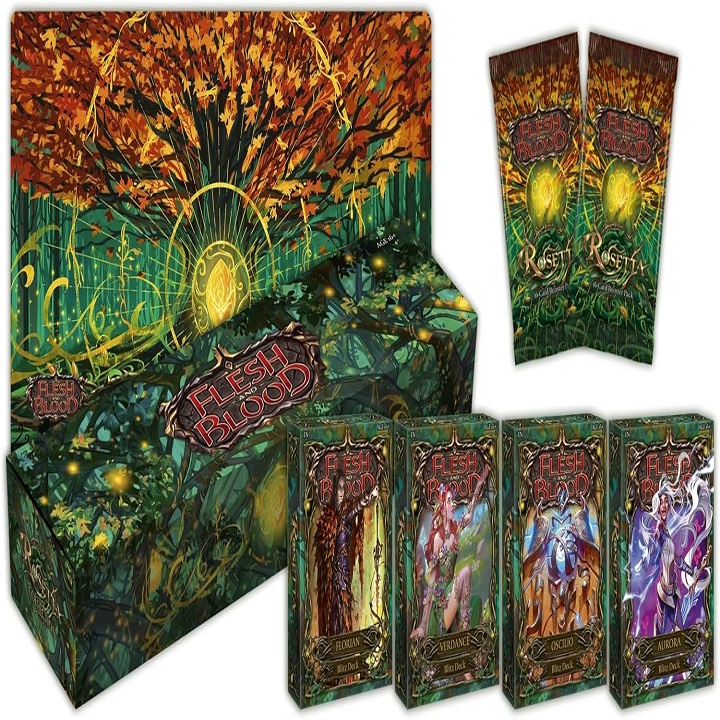
The founder of Legend Story Studios, James White, envisioned a game that restores direct social interaction to gaming. While many popular TCGs have expanded into the digital realm, Flesh and Blood intentionally centers its experience around face-to-face play. Its slogan, “Welcome to Rathe,” the title of the first set, was both a greeting and a manifesto: the TCG world was about to witness something deeply immersive.
White aimed to create a game where every turn feels like a clash of wills rather than a routine mechanical transaction. Every action, from blocking to attacking, carries psychological weight. The result: a system where reading your opponent’s intentions becomes just as critical as calculating probabilities.
Gameplay Foundations: Heroes, Equipment, and the Combat Chain
At its core, Flesh and Blood revolves around hero-based decks. Players assume the roles of unique heroes—each specializing in an archetype such as Warrior, Ninja, Guardian, or Runeblade. A hero’s class and talent define what kinds of cards can appear in a deck.
The dynamic gameplay structure distinguishes Flesh and Blood from conventional TCGs:
Heroes and Equipment: Each hero begins the match with equipped armor and weapons. Unlike temporary cards, these persist throughout the battle, providing both offensive and defensive flexibility.
The Hand Is Your Lifeline: Players draw four cards each turn, representing both attack potential and defense. Managing which to pitch, play, or conserve forms the strategic backbone of every match.
The Combat Chain: Every attack triggers a “chain” that opponents can respond to. Unlike static “turn-based” exchanges, this interaction gives Flesh and Blood a distinctly rhythmic tension—every moment counts.
The Resource System: Cards are pitched (discarded) to generate energy, but doing so temporarily removes them from circulation. The implicit cost of each play creates layers of foresight and risk.
This holistic design encourages tactical mastery reminiscent of chess, demanding both resource management and psychological anticipation.
The Heart of Combat: Tempo and Decision-Making
While many TCGs rely heavily on card advantage, Flesh and Blood emphasizes tempo and immediate tactical assessment. Every decision—from attacking to blocking—has an opportunity cost. Because your hand fuels both roles, reading tempo becomes essential.
For instance, choosing whether to fully block an attack or preserve resources for a counterstrike can decide games. Blocking too often weakens offensive capability, while reckless aggression opens vulnerabilities. Maintaining equilibrium is an art form requiring intuition and foresight.
The system’s elegance lies in how it rewards precision. Many veteran players describe Flesh and Blood not as a card game, but as a combat simulator in card form, capturing the ebb and flow of a martial duel.
Worldbuilding and Hero Identity
LSS’s dedication extends beyond mechanics to narrative immersion. Each hero emerges from one of multiple regions—Rathe’s broad universe teems with lore:
Aria embodies elemental harmony, featuring heroes like Briar.
Misteria hosts mystical ninjas like Katsu.
Demonastery represents dark arcana and forbidden power.
Solana and Volcor explore themes of faith and fire, respectively.
This attention to regional storytelling reinforces emotional connection. Fans don’t just play heroes; they inhabit them. Deck-building becomes a narrative act, expressing personality through thematic choices.
The Art of Deck Construction
Unlike games that reward pure card rarity, Flesh and Blood thrives on deck synergy and sideboarding. Competitive players must forecast local metagames, anticipate opponents’ strategies, and adjust accordingly. The balance between core strategy and adaptability often defines champions.
Decks typically consist of:
Hero Card
Weapons (1–2 cards)
Equipment (Head, Chest, Arms, Legs slots)
At least 60 main deck cards excluding weaponry.
The elegance of the design lies in its mathematical balance. Strong offense requires efficient resource cycling, while defense leans on armor and pitch economy. Every card becomes a piece of a grand puzzle.
The Flesh and Blood Community and Organized Play
Perhaps the greatest hallmark of the game is its thriving organized play structure. LSS’s “Flesh and Blood Professional Circuit” features events ranging from local armory games to global championships.
Armory Events: Serve as the grassroots level, reinforcing community growth.
Pro Quest and Road to Nationals: Create a clear path for ambitious players.
Pro Tours and Worlds: Offer international prestige and financial rewards.
Unlike many digital-first franchises, Flesh and Blood devotes resources to physical gatherings—so-called “Calling Events” that foster real-world friendships and rivalries. The emphasis on physical play fosters a sense of shared commitment rarely found elsewhere.
Artwork and Aesthetics: Beauty as Function
Visually, Flesh and Blood sets a new standard in card illustrations. LSS collaborates with numerous artists to create cinematic, painterly worlds that support immersive storytelling. Distinctive aesthetics not only attract collectors but also communicate emotional tones—every card feels like a lore fragment come alive.
Foil treatments, extended arts, and cold foils add layers of collectibility. Yet, compared to other TCGs, the market ethos remains player-driven rather than speculation-based. Collectors find beauty, but players still find balance.
Competitive Depth and Esports Parallels
Another reason for the game’s rapid success lies in its skill expression. In professional matches, mistakes are explicit and punished immediately. Skilled players demonstrate mastery through subtle sequencing, pitch stacking, and fatigue management.
The top levels showcase staggering depth akin to poker or chess. Predicting your opponent’s responses based on discard history and prior plays exemplifies deep mental engagement. Every match feels unique; luck may influence opening hands, but victory hinges on decision quality.
Why Physical Play Matters in a Digital Age
While most card games migrated online, Flesh and Blood swam against the current. LSS’s philosophy—“Playing IRL is irreplaceable”—champions authentic social connectivity. The physicality of shuffling, reading body language, and shaking hands after intense duels elevates the experience beyond competition.
Ironically, this analog foundation makes the community more committed. In a world saturated with online distractions, Flesh and Blood provides tangible human connection—the very “flesh and blood” of its name becomes symbolic.
Economic Impact and Card Value Evolution
From modest beginnings, Flesh and Blood gained recognition not only for gameplay but also for its collectible market. Early sets like Welcome to Rathe Alpha and Arcane Rising became iconic for their limited print runs. Cards such as Legendary Equipment and Fabled Rarity pieces achieved remarkable value in secondary markets.
However, LSS has maintained healthy economic balance, avoiding toxicity found in purely speculative bubbles. Print runs are controlled carefully, encouraging sustainability rather than exploitation.
The Evolution of Sets and Metagame
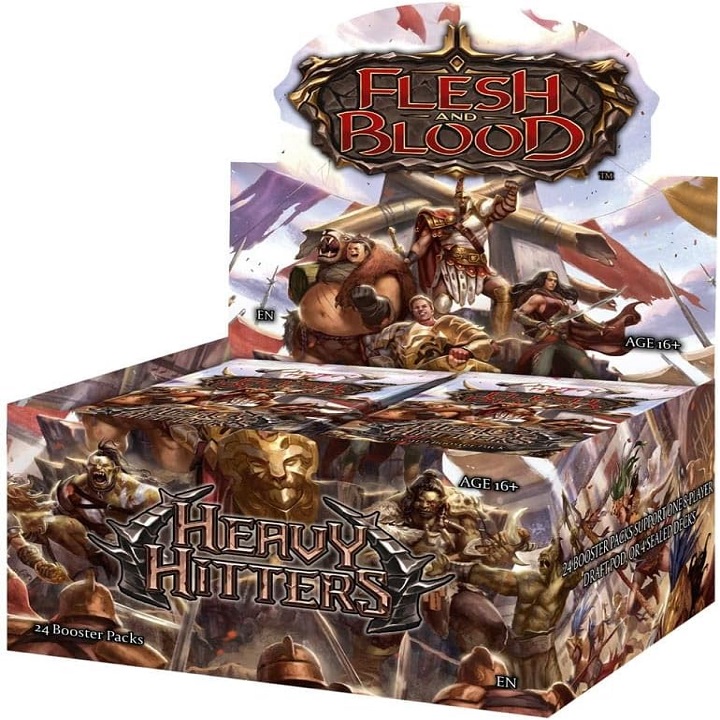
Each expansion set reshapes the competitive narrative through new heroes and mechanics. Some notable examples include:
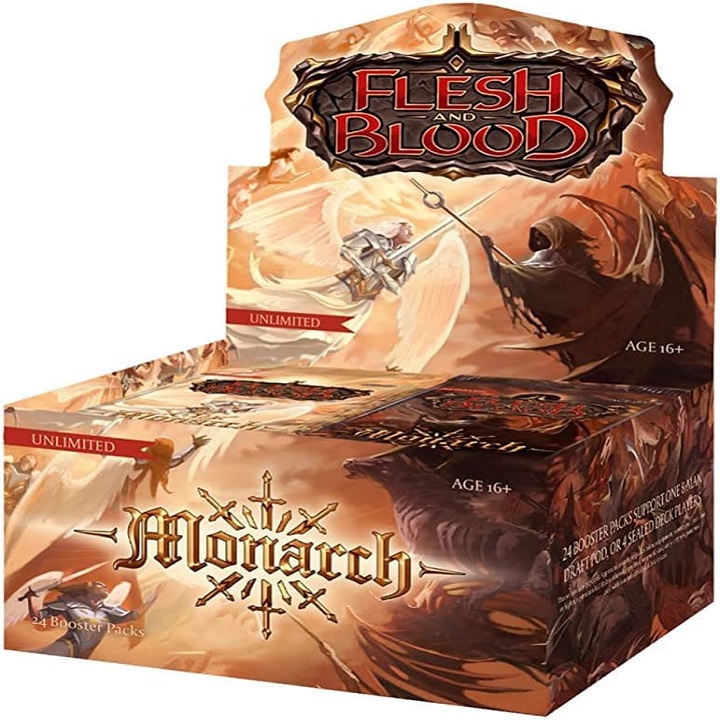
Monarch (2021): Introduced the Light and Shadow alignments.
Tales of Aria (2021): Brought Elemental Fusion.
Everfest (2022): Expanded card pool for many existing classes.
Outsiders (2023): Reinvented draft experiences with dual-class cards.
This constant evolution sustains excitement within both casual and professional communities. Every major release invites analytical deep dives and renewed strategic discovery.
Teaching and Accessibility
Despite its depth, Flesh and Blood remains surprisingly beginner-friendly thanks to Welcome Decks and tutorials distributed via local game stores. Poster guides and starter kits ease entry barriers, while online videos supplement in-person learning.
LSS’s teaching philosophy emphasizes mentorship—veteran players often guide new participants. This culture of openness ensures long-term growth and preserves authenticity.
Sociocultural Influence and Global Expansion
What began in New Zealand quickly expanded across North America, Europe, and Asia. Organized play events now occur regularly on every continent. The game’s embrace of regional identity contributes to global unity among fans, breaking geographic and cultural barriers.
Its tagline “Play the game as it was meant to be played: in Flesh and Blood” embodies a mission extending beyond gaming—a quiet rebellion against digital isolation.
The Future of Flesh and Blood
Looking forward, the game’s momentum suggests enduring relevance. LSS continues to support long-term growth through new formats like Blitz, Classic Constructed, and Draft. Innovative systems, such as Living Legend rotation, ensure balanced play environments.
Technological integration, such as digital deck tracking, may supplement—not replace—real-world gameplay. This blend of traditional engagement with modern convenience represents the future of physical TCGs.
Why the Game Resonates So Deeply
Ultimately, Flesh and Blood transcends its mechanics because it mirrors human experience. Every hero’s journey—struggle, perseverance, triumph—reflects our own. The act of sitting across from another player, exchanging not just cards but energy and emotion, encapsulates the timeless joy of human connection through play.
In a sense, Flesh and Blood answers a modern existential question: What happens when we remember that games, like relationships, mean more when lived—not streamed?
Frequently Asked Questions
1. What is the main goal in Flesh and Blood?
Each player aims to reduce the opponent’s life total to zero using attacks and abilities while managing resources and defending efficiently. Victory depends on precise timing and deck mastery.
2. How many classes and heroes exist?
As of late 2025, there are over 20 unique heroes across multiple sets, each associated with distinct mechanics and combat styles (e.g., Ninja, Ranger, Illusionist).
3. How do new players start?
Begin with Classic Battles or Blitz starter decks available from local stores. Learning through the Welcome Deck system introduces core concepts before moving to complex formats.
4. Is Flesh and Blood expensive to play competitively?
While premium cards hold value, entry-level accessibility remains strong. Budget-friendly decks can still perform well at local tournaments. Equipment investment differs by class and rarity.
5. What makes organized play different from digital leagues?
Organized play prioritizes physical, human interaction—every event celebrates community. Players build friendships and rivalries, something no online algorithm can replicate.


