Content Menu
● Introduction
● Essential Elements of a Business Card
>> Crystal Clear Contact Details
>> Well-Defined Color Scheme
>> Value Proposition (Optional)
● The Design Process: Step-by-Step
>> Define Your Brand Identity
>> Choose a Layout
>> Select a Typeface
>> Choose the Right Size and Shape
>> Add a QR Code (Optional)
>> Use Good Card Stock
>> Proof Print Your Cards
● Best Practices for Business Card Design
>> Use Good Card Stock
>> Be Aware of Your Type Size
>> Don't Go Too Fine With It
>> Be Sparing
>> Know Your Industry
>> Content Hierarchy
>> Stay On Brand
>> Don't Cheap Out
>> Get Creative
>> Target Your Audience
>> Make it Easy to Read
>> Include the Most Important Information
>> Follow Basic Design Guidelines
● Examples of Creative Business Cards
● Common Mistakes to Avoid
● Conclusion
● Related Questions
>> 1. What is the standard size for a business card in the US and EU?
>> 2. What font size is recommended for business cards to ensure readability?
>> 3. Should I include a QR code on my business card?
>> 4. What type of card stock should I use for my business cards?
>> 5. How important is it to align my business card design with my overall brand identity?
● Citations:
Introduction
In today's fast-paced business world, a business card remains an essential tool for networking and making a lasting first impression[7]. More than just a piece of paper, it's a tangible representation of your brand, your professionalism, and your attention to detail[7]. Designing an effective business card involves careful consideration of various elements, from layout and typography to color schemes and card stock[1][2]. This guide provides a step-by-step approach to creating business cards that stand out and leave a memorable impact.
Essential Elements of a Business Card
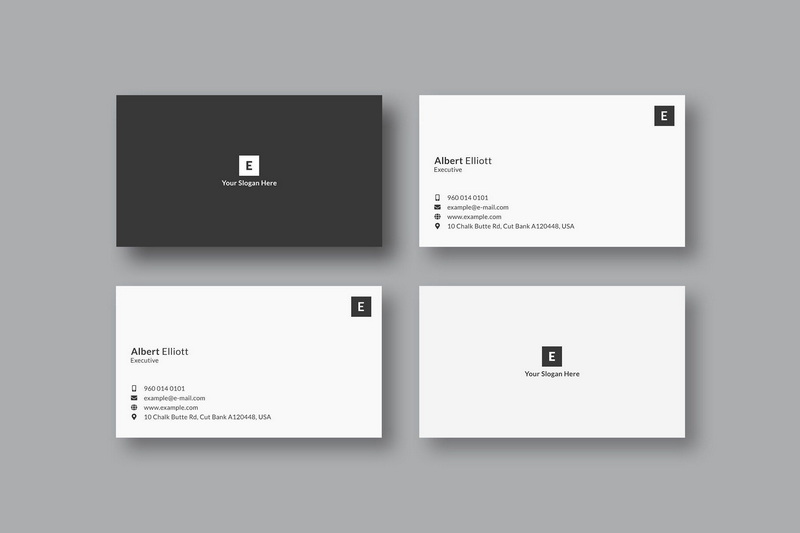
Before diving into the design process, it's crucial to identify the core elements that every effective business card should include[1]. These elements serve as the foundation for your design and ensure that your card effectively communicates your key information.
Crystal Clear Contact Details
The primary function of a business card is to provide recipients with your contact information[5]. This should be prominently displayed and easy to read[1]. Essential contact details include:
- Your Name: Make sure your name is clear and easily identifiable[5].
- Job Title: State your position within the company[5].
- Company Name (if applicable): Include the name of your organization[5].
- Website: Provide a link to your website for more information[1].
- Email Address: Ensure your email address is accurate and professional[1].
- Phone Number (optional): Include a phone number if you want to be contacted directly[1].
Well-Defined Color Scheme
Colors play a significant role in conveying your brand's personality and message[1]. A well-defined color scheme helps maintain consistency across all your brand materials, including your business card[1]. When selecting colors, consider:
- Brand Message: Choose colors that resonate with your brand's values and mission[1].
- Target Audience: Consider the preferences and demographics of your target audience[1].
- Color Psychology: Understand the emotional associations of different colors[1].
- Contrast: Ensure sufficient contrast between text and background colors for readability[1].
Value Proposition (Optional)
In a concise and impactful way, consider including a tagline or short statement that conveys what you do or what value you offer[1]. This can help recipients quickly understand your business and its unique selling points[1].
The Design Process: Step-by-Step
With the essential elements in mind, let's explore the design process.
Define Your Brand Identity
Your business card should be an extension of your brand identity[1]. Before you start designing, take some time to consider:
- Your Brand Values: What principles and beliefs define your brand?
- Your Target Audience: Who are you trying to reach with your business card?[5]
- Your Unique Selling Proposition (USP): What makes your business different from the competition?
- Your Brand Personality: Is your brand sophisticated, playful, or something else entirely?
Choose a Layout
The layout of your business card can significantly impact its visual appeal and readability[1]. Here are a few popular layout options:
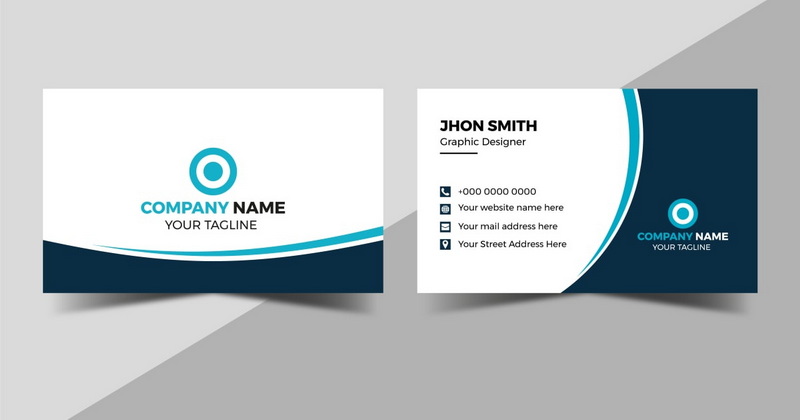
- The Minimalist: This approach emphasizes clean lines, ample white space, and high-contrast typography[1]. It's ideal for projecting sophistication and efficiency[1].
- Image-Based Spotlight: This layout prioritizes a captivating image that showcases your work, product, or brand identity[1]. It's suitable for creatives like photographers, artists, or designers[1].
- The Split Design: This layout divides the card into sections with contrasting colors, textures, or graphics[1]. It offers a dynamic way to present information and works well for businesses with multifaceted brand identities[1].
Select a Typeface
The font you choose should represent your brand and be easy to read[4][5]. If you've been using a specific font on your website or other marketing materials, use it on your business card too[4]. Your text should be at least 8pt, but more important information (like your name or business name) can be printed in a larger size, a different typeface, or in bold[4].
Choose the Right Size and Shape
Most business cards are rectangular, about the size of a credit card, and laid out horizontally[4]. This format is familiar, but if you want your business card to stand out, consider using a square shape, rounded corners, or vertical orientation[4]. The size and orientation of your business card affect text size and the amount of information you can include, and also makes a statement about your brand[4].
Add a QR Code (Optional)
Add a QR code to your business card that brings customers directly to the company web page or online store when they scan that code with their phones[5].
Use Good Card Stock
There is ample variety in card stock, so don't immediately default to the bargain version or standard stock[2]. Branching out to different card stock can have a positive impact on how someone interacts with your business card[2]. Avoid making a blind decision and order paper samples from major card printers[2].
Proof Print Your Cards
Have a peek at what your cards look like printed, even if it's from a low-quality printer[2]. Printing your cards to proof gives a new perspective on the design and helps ensure you got things like your margins and type sizes right to name a couple[2].
Best Practices for Business Card Design
Beyond the fundamental elements and design process, consider these best practices to ensure your business card is effective:
Use Good Card Stock
The feel and quality of the card stock can significantly impact the recipient's perception of your brand[2]. Opt for a heavier, more textured card stock to convey a sense of quality and professionalism[2].
Be Aware of Your Type Size
Real estate is limited on your average card, so business cards tend to be smaller in print[2]. You don't want to go too far with it because not all fonts are meant for small type and may bleed during printing[2].
Don't Go Too Fine With It
The hairline font you are using may look great on a screen, but how does it look printed at 9 pt?[2] Watch your font weights and test print them before ordering your cards from the printer[2].
Be Sparing
Restrict your content and design elements, this will help avoid cluttering and over complication[2]. Your card should communicate its message efficiently, so be succinct with your design[2].
Know Your Industry
There are conventions for a reason, and sometimes it is smart to follow the industry-specific best practices that are already established[2]. Knowing who your end user is for the business card is also helpful to inform the design[2].
Content Hierarchy
Have a numbered list ordering importance of each piece of content going into the card before beginning your designs[2]. Having a hierarchy will help distinguish the important information from the secondary information[2].
Stay On Brand
The business card is another touchpoint of your business, another marketing tool for you to engage people with[2]. Keep your brand on your business card consistent beyond just repeating your logo[2]. Reflect elements like color and typography onto your printed cards to tighten your brand up among all your touchpoints[2].
Don't Cheap Out
Cheap card stock and poor quality ink can be memorable, but almost never in a positive way[2]. Remember that once you hand out your business card, this is the message you have left behind for that new contact[2]. What message do you want to send?[2]
Get Creative
Get creative with your business card designs to make more of an impact without muddling the message[2]. Business cards can have a short lifespan, so make your stand out with solid design and creative execution[2].
Target Your Audience
The first rule of creating an effective business card is to target your audience and industry[5]. Make your card easily relatable to your profession or business[5].
Make it Easy to Read
Ensure the fonts you choose are simple and easy to read[5]. If you have a lot of information to display, be sure to keep the size of the text large enough to read easily[5].
Include the Most Important Information
The purpose of a business card is to create an awareness of what you do to your prospective clients[5]. Only include the most important information that can direct the recipient to learn more about your profession or company by visiting your website or using the contact information[5].
Follow Basic Design Guidelines
Your business card is a piece of printed material and ideally follows basic design guidelines[5]. Pick an accessible layout[5].
Examples of Creative Business Cards
To spark your creativity, here are some examples of innovative business card designs:
- Die-Cut Cards: These cards feature unique shapes or cut-outs that reflect the brand's identity.
- Foldable Cards: These cards unfold to reveal additional information or create an interactive experience.
- Multi-Purpose Cards: These cards incorporate a functional element, such as a bottle opener or a seed packet[5].
- Cards with Special Finishes: These cards utilize finishes like embossing, debossing, or spot UV coating to add texture and visual interest.
Common Mistakes to Avoid
Designing an effective business card requires attention to detail[1]. Here are some common mistakes to avoid:
- Cluttered Design: Overcrowding the card with too much information or too many design elements can make it difficult to read and understand[2].
- Poor Readability: Using fonts that are too small or difficult to read can frustrate recipients and prevent them from accessing your contact information[2].
- Low-Quality Materials: Using cheap card stock or poor-quality printing can convey a negative impression of your brand[2].
- Inconsistent Branding: Failing to align your business card design with your overall brand identity can create a disjointed and unprofessional image[2].
- Lack of a Clear Call to Action: Not including a clear call to action, such as visiting your website or contacting you directly, can limit the effectiveness of your business card[5].
Conclusion
A well-designed business card is a powerful tool for making connections and promoting your brand[7]. By carefully considering the essential elements, following the design process, and avoiding common mistakes, you can create a business card that stands out, effectively communicates your message, and leaves a lasting impression[7]. Remember, your business card is often the first tangible representation of your brand that potential clients or partners encounter, so make it count[7]!
Related Questions
1. What is the standard size for a business card in the US and EU?
The standard size for a business card in the US is 3.5 x 2 inches, while in the EU, it is 85 x 55 mm[10].
2. What font size is recommended for business cards to ensure readability?
It is recommended to use a minimum font size of 8pt for all text on a business card, with more important information like your name or business name printed in a larger size[4].
3. Should I include a QR code on my business card?
Yes, including a QR code on your business card can be a great way to direct customers to your company's web page or online store, making it easier for them to access more information about your business[5].
4. What type of card stock should I use for my business cards?
It's best to use good quality card stock[2]. Avoid making a blind decision and order paper samples from major card printers[2].
5. How important is it to align my business card design with my overall brand identity?
Aligning your business card design with your overall brand identity is crucial because your business card is another touchpoint of your business[2].
Citations:
[1] https://www.gelato.com/blog/how-to-design-a-business-card-2024-guide
[2] https://creativemarket.com/blog/10-commandments-of-business-card-design
[3] https://qianni1997.github.io/otherPDF/lnotes2.pdf
[4] https://www.vistaprint.com/hub/business-card-design-rules
[5] https://www.indeed.com/career-advice/career-development/business-card-tips
[6] https://github.com/emac/emac.github.io/blob/master/search.xml
[7] https://cheapasprints.com/print-blog/guides/the-perfect-guide-to-designing-business-cards/
[8] https://www.reddit.com/r/graphic_design/comments/180ucuj/what_makes_you_keep_a_business_card/
[9] https://bbs.gter.net/forum.php?mod=viewthread&action=printable&tid=402330
[10] https://en.99designs.de/designer-resource-center/designing-business-cards


