Content Menu
● European Market Overview for Bumper Stickers
● Key Roles of Bumper Stickers Manufacturers and Suppliers
● Main Application Scenarios in Europe
● Materials Used by European Suppliers
● Printing Technologies for Bumper Stickers
● Design Considerations for Effective Bumper Stickers
● Sustainability and Environmental Trends
● Types of European Bumper Sticker Suppliers
● Service Models and Lead Times
● Cost Factors in Bumper Sticker Production
● Risk Management and Quality Assurance
● Working with OEM Partners in Asia
● Benefits of a Dual‑Region Sticker Strategy
● Practical Tips for Overseas Buyers
● Future Outlook for Bumper Stickers in Europe
● Conclusion
● FAQ
>> 1. How do I choose the right European Bumper Stickers Manufacturers and Suppliers for my project?
>> 2. What information should I provide when requesting a quote from Bumper Stickers Manufacturers and Suppliers?
>> 3. Can European bumper sticker suppliers work with my OEM factory in Asia?
>> 4. Are there eco‑friendly options from European Bumper Stickers Manufacturers and Suppliers?
>> 5. How long does it take to receive custom bumper stickers from Europe?
Bumper Stickers Manufacturers and Suppliers in Europe serve a wide range of industries including automotive, retail, sports, tourism, charity, and political organizations. They offer custom designs, durable materials, and flexible service models for both small online brands and large multinational campaigns. For overseas buyers working with OEM partners, understanding how European Bumper Stickers Manufacturers and Suppliers operate makes it easier to design scalable, cross‑border sticker programs.
European Market Overview for Bumper Stickers
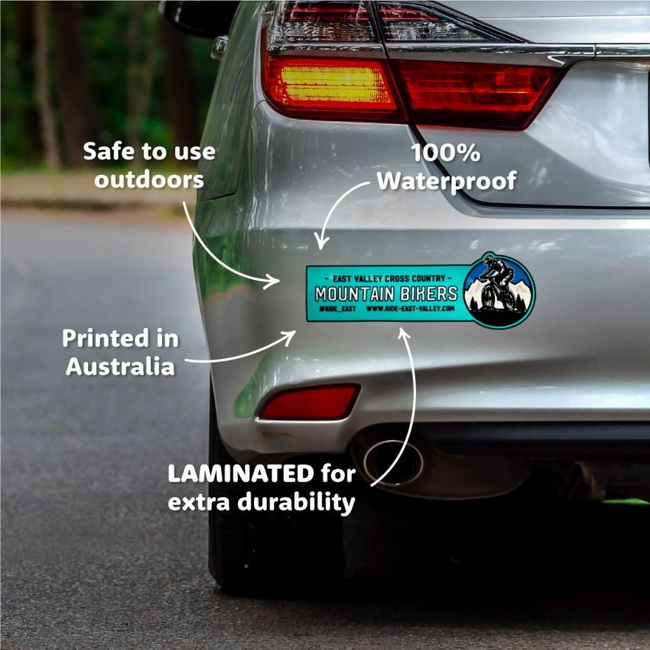
Within the broader stickers and self‑adhesive labels market, bumper stickers form a specialized outdoor category focused on vehicle applications, long‑term weather resistance, and brand visibility in traffic. Demand is driven by growing car ownership, enthusiasm for car customization, and the rise of social and political messaging on vehicles. Many brands now treat bumper stickers as part of an omnichannel strategy, combining them with online content, QR codes, and packaging to reinforce campaigns.
Key Roles of Bumper Stickers Manufacturers and Suppliers
Bumper Stickers Manufacturers and Suppliers do far more than simple printing: they advise on material selection, adhesive performance, color management, and regulatory considerations for each country. Their expertise helps ensure that artwork remains readable at a distance, colors stay vivid under sun exposure, and adhesives perform on different automotive paints and plastics. In addition, many suppliers provide consulting on design trends, such as minimalist layouts, bold typography, or humorous slogans that resonate with European drivers.
Main Application Scenarios in Europe
European Bumper Stickers Manufacturers and Suppliers support multiple application scenarios across B2B and B2C markets. Common uses include:
- Brand promotion on company cars, vans, and delivery fleets
- Political and advocacy campaigns around elections or social causes
- Tourism and city branding for attractions, museums, and events
- Fan merchandise for sports clubs, music artists, and gaming communities
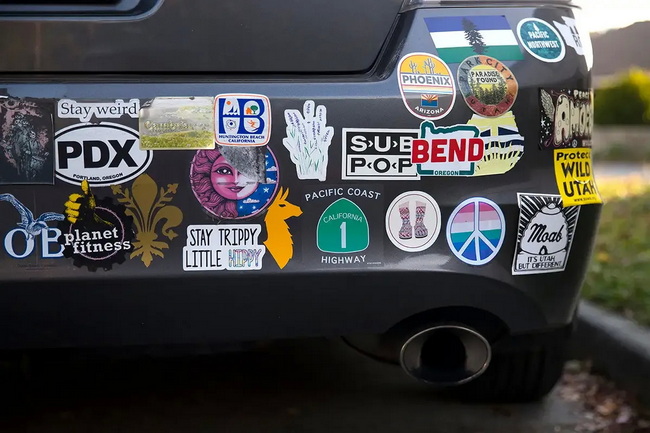
- Private personalization for families, hobby groups, and online creators
Because bumper stickers are low‑cost and easy to distribute, they are often used as giveaways at trade fairs, concerts, and promotional events, extending a campaign's reach long after the event ends.
Materials Used by European Suppliers
Most professional Bumper Stickers Manufacturers and Suppliers in Europe rely on flexible PVC or other vinyl‑based films designed specifically for outdoor use. These materials provide good conformability on curved bumpers, resistance to cracking, and compatibility with protective laminates. For eco‑conscious projects, some suppliers also explore PVC‑free films or polypropylene facestocks that reduce chlorine content and support recyclability goals.
Adhesive selection is another key factor, with options ranging from strong permanent adhesives for long campaigns to removable or low‑tack adhesives for temporary promotions and leased vehicles. High‑quality adhesives are engineered to withstand temperature swings, rain, snow, and car‑wash chemicals while minimizing residue when removed correctly.
Printing Technologies for Bumper Stickers
Digital printing dominates short‑run and customized bumper sticker production in Europe. Inkjet and dry‑toner presses handle full‑color, photo‑quality graphics with variable data capabilities, allowing unique designs or serial numbering without extra setup cost. For large volumes, Bumper Stickers Manufacturers and Suppliers may turn to flexographic or screen printing, which offers lower cost per unit when producing tens of thousands of identical pieces.
In both digital and conventional printing, outdoor‑grade inks and UV‑curable systems are common choices. They deliver strong color density and good fade resistance, especially when paired with clear laminates that protect against abrasion, fuel splashes, and weather. Some suppliers also offer specialty effects like metallic foils, reflective elements, or fluorescent hues to improve nighttime visibility.
Design Considerations for Effective Bumper Stickers
European brands that work closely with Bumper Stickers Manufacturers and Suppliers often refine designs to match real driving conditions. Important design principles include:
- Bold, high‑contrast color combinations to ensure readability from several meters
- Large typography with short messages, avoiding crowded layouts
- Strategic placement of logos and URLs so they remain clear from common viewing angles
- Use of pictograms or icons for fast visual recognition in mixed‑language environments
For advanced campaigns, designers integrate QR codes or short links that encourage drivers and pedestrians to visit landing pages, follow social accounts, or access discounts. Professional Bumper Stickers Manufacturers and Suppliers verify that code sizes and contrasts are sufficient for quick smartphone scanning.
Sustainability and Environmental Trends
Sustainability has become a central topic for European Bumper Stickers Manufacturers and Suppliers. Many customers now ask about PVC‑free alternatives, reduced liner waste, and inks with lower environmental impact. In response, suppliers explore thinner films, recyclable liners, and partnerships with material manufacturers that focus on sustainable self‑adhesive technologies.
Some brands run pilot projects to collect spent liners or offcuts and channel them into specialized recycling streams. Others focus on life‑cycle thinking, optimizing designs and quantities so that bumper stickers deliver high communication value with minimal material use. This sustainability narrative can itself become part of a campaign's message, especially for environmental organizations and responsible consumer brands.

Types of European Bumper Sticker Suppliers
The European market includes several categories of Bumper Stickers Manufacturers and Suppliers:
- Specialized sticker printers that focus on promotional, decorative, and automotive graphics
- Large label converters that add bumper stickers to a wider portfolio of self‑adhesive products
- Online‑only platforms that aggregate capacity from multiple printing partners and sell through e‑commerce
- Niche automotive graphics companies that combine stickers with wraps, magnets, and reflective markings
Each type has strengths. Niche automotive suppliers offer deep knowledge of vehicle surfaces and regulations, while generalist printers may provide better pricing when combining bumper stickers with product labels or other printed items. Online platforms often appeal to small brands that value quick quotes, instant uploads, and transparent pricing.
Service Models and Lead Times
Most Bumper Stickers Manufacturers and Suppliers in Europe adopt flexible service models tailored to different customer sizes. Standard workflows include online configuration tools, automatic pre‑flight checks for artwork, and digital proofs that can be approved in a browser. For complex campaigns, project managers and pre‑press specialists provide one‑on‑one support.
Lead times vary from 24‑ to 72‑hour dispatch for simple repeat orders, to several weeks for very large volumes or technically demanding projects. Many suppliers maintain priority lanes or express surcharges for urgent jobs, especially during election seasons or major sporting events when bumper sticker demand spikes.
Cost Factors in Bumper Sticker Production
The cost of working with Bumper Stickers Manufacturers and Suppliers in Europe depends on several variables:
- Material grade: standard vinyl vs. premium or specialty films
- Adhesive type: removable, permanent, or high‑performance automotive adhesives
- Print technology: short‑run digital vs. long‑run flexographic or screen printing
- Shape and finishing: simple rectangles vs. die‑cut custom contours and special laminates
- Order quantity and repeat frequency
Brands can reduce overall costs by standardizing sizes, consolidating orders, and using common dies across campaigns. Another tactic is to combine bumper stickers, product labels, and other branding materials in the same print run, allowing Bumper Stickers Manufacturers and Suppliers to optimize press utilization.
Risk Management and Quality Assurance
Reliable Bumper Stickers Manufacturers and Suppliers in Europe invest in formal quality management systems, color control processes, and traceable material sourcing. This is particularly important for long‑term fleet branding and regulated sectors such as pharmaceuticals or food logistics, where labels and stickers may interact with broader quality systems.
Quality assurance includes adhesion tests on multiple substrates, exposure tests for UV stability, and peel‑strength checks after temperature cycling. Many suppliers also maintain detailed job records to support reorders, enabling consistent color and finishing across multiple production batches and regions.
Working with OEM Partners in Asia
For global campaigns, many brands choose a hybrid sourcing strategy that combines European Bumper Stickers Manufacturers and Suppliers with high‑capacity OEM plants in Asia. European printers handle fast local needs, prototype runs, and smaller regional campaigns. Once designs and specifications are finalized, large‑volume production can be shifted partly to OEM facilities to benefit from competitive manufacturing costs.
A Shenzhen‑based printing and packaging company such as Shenzhen XingKun Packing Products Co., Ltd. can support this model by producing not only bumper stickers but also coordinated items like display stands, paper boxes, plastic boxes, notebooks, playing cards, flash cards, labels, and brochures. This allows overseas brands and wholesalers to centralize design while distributing production strategically between Europe and Asia.
Benefits of a Dual‑Region Sticker Strategy
Combining European Bumper Stickers Manufacturers and Suppliers with an Asian OEM partner delivers several advantages:
- Faster response times for European campaigns and urgent replenishment
- Optimized unit costs for large global orders and mixed product assortments
- Ability to localize languages and regulatory information for different regions
- Reduced risk from supply chain disruptions in any single geography
By aligning artwork, color profiles, and material specifications across suppliers, brands achieve consistent quality and appearance even when production is split between continents.
Practical Tips for Overseas Buyers
Overseas buyers who want to work effectively with European Bumper Stickers Manufacturers and Suppliers can follow practical steps:
- Prepare clear design files using vector formats and specify color targets such as Pantone references
- Define expected outdoor lifetime, car‑wash resistance, and removability requirements from the start
- Request material and print samples before large‑scale orders to validate appearance and adhesion
- Discuss logistics preferences, such as bulk shipping, drop‑shipping to warehouses, or direct fulfillment to end customers
When pairing European partners with OEM factories, maintaining a shared technical data sheet for each bumper sticker design helps both sides match results. This document should include substrate, adhesive, laminate type, thickness, color references, and finishing instructions.
Future Outlook for Bumper Stickers in Europe
The outlook for Bumper Stickers Manufacturers and Suppliers in Europe is positive as brands continue to seek cost‑effective, high‑impact marketing formats. Growing use of online ordering, web‑to‑print automation, and data‑driven personalization will likely reduce lead times and enable more targeted campaigns.
At the same time, innovation in sustainable materials and smarter adhesives should open new opportunities for eco‑labeled bumper stickers and closed‑loop recycling pilots. As connected vehicles and smart cities evolve, bumper stickers may also integrate more interactive elements, linking physical graphics to augmented reality experiences or dynamic online content.
Conclusion
Bumper Stickers Manufacturers and Suppliers in Europe offer a compelling mix of quality, flexibility, and technical expertise for businesses that want to leverage vehicle branding. By understanding materials, printing technologies, and service models, brands can design bumper sticker programs that perform well outdoors, fit sustainability goals, and support omnichannel campaigns. When combined with the capacity of OEM partners such as Shenzhen XingKun Packing Products Co., Ltd., European bumper sticker sourcing becomes part of a broader, global strategy for printed branding and custom packaging.
FAQ
1. How do I choose the right European Bumper Stickers Manufacturers and Suppliers for my project?
Start by assessing each supplier's experience with automotive applications, range of materials, and outdoor durability claims. Ask for samples of similar bumper stickers, review lead times and minimum order quantities, and evaluate communication quality, especially if you plan ongoing cooperation or complex campaigns.
2. What information should I provide when requesting a quote from Bumper Stickers Manufacturers and Suppliers?
Provide exact size, shape, quantity, material preference, adhesive type, and expected outdoor lifetime, along with artwork or at least draft designs. Also indicate shipping destination, any special finishing such as laminates or serial numbering, and whether you need help with design or color adjustments.
3. Can European bumper sticker suppliers work with my OEM factory in Asia?
Yes, many Bumper Stickers Manufacturers and Suppliers in Europe are comfortable collaborating with OEM partners abroad. They can help finalize specifications, color standards, and material choices, which your OEM factory can then follow for large‑volume production, ensuring consistent appearance across all markets.
4. Are there eco‑friendly options from European Bumper Stickers Manufacturers and Suppliers?
Many suppliers now offer PVC‑free films, thinner facestocks, and adhesives formulated with sustainability in mind. Some also cooperate with material makers and recycling programs to reduce liner waste. When requesting quotes, clearly state your environmental priorities so that suppliers can recommend the most suitable options.
5. How long does it take to receive custom bumper stickers from Europe?
Lead times depend on supplier workload, quantity, and complexity, but simple digital‑print orders often ship within a few working days after artwork approval. Larger or technically demanding jobs may require one to three weeks. Planning ahead and approving proofs quickly is the best way to keep schedules on track.


