Content Menu
● Origins of the Werewolf Game
● Basic Concept: Hidden Roles and Survival
● Essential Roles and Their Functions
● How the Game Is Played
● The Psychology of Deception
● Strategies and Winning Tips
>> For Villagers:
>> For Werewolves:
>> For Special Roles:
● Variations and Adaptations
● The Role of Communication and Emotion
● Cultural Impact and Modern Popularity
● Why People Love It
● Modern Technology and the Werewolf Revival
● Ethical and Psychological Considerations
● Final Thoughts
● Frequently Asked Questions
>> 1. How many players do you need to play Werewolf?
>> 2. How long does one game last?
>> 3. Can Werewolf be played without a moderator?
>> 4. What’s the difference between Werewolf and Mafia?
>> 5. Is the Werewolf game suitable for children?
The Werewolf game—also known as Mafia in some variations—is a classic social deduction party game that blends strategy, psychology, and suspense. It revolves around hidden roles, discussion, and elimination, challenging players to use logic, persuasion, and intuition to survive. This game has evolved over decades, inspiring countless spinoffs, digital adaptations, and competitive tournaments around the world.
Origins of the Werewolf Game
The Werewolf game traces its roots back to the Soviet Union in the late 1980s. It began as Mafia, invented by Dmitry Davidoff, a Russian psychology student who wanted to study group behavior, trust, and deception. The game quickly spread through universities and social circles, becoming a popular parlor game.
Later, American game designer Andrew Plotkin adapted it into the modern Werewolf version, replacing gangsters and civilians with werewolves and villagers, adding a supernatural flair more appealing to fantasy fans.
Today, Werewolf remains a beloved social experience across cultures. It’s played in classrooms, team-building workshops, gaming conventions, and even streaming platforms like Twitch and YouTube, where creators turn these sessions into high-stakes psychological dramas.
Basic Concept: Hidden Roles and Survival
At its core, the game is an interactive narrative where players adopt secret identities within a village haunted by werewolves. The ultimate goal depends on which side a player belongs to:
Villagers: Identify and eliminate all werewolves before they are outnumbered.
Werewolves: Deceive villagers and eliminate them one by one until the wolves form the majority.
Players discuss, accuse, defend, and vote, but only the werewolves know who each other are. This imbalance of knowledge fuels tension and intrigue, making every conversation a potential clue or trap.
Essential Roles and Their Functions
A typical game includes a mix of roles designed to balance strategy and chaos. Though variations abound, here are the most common ones:
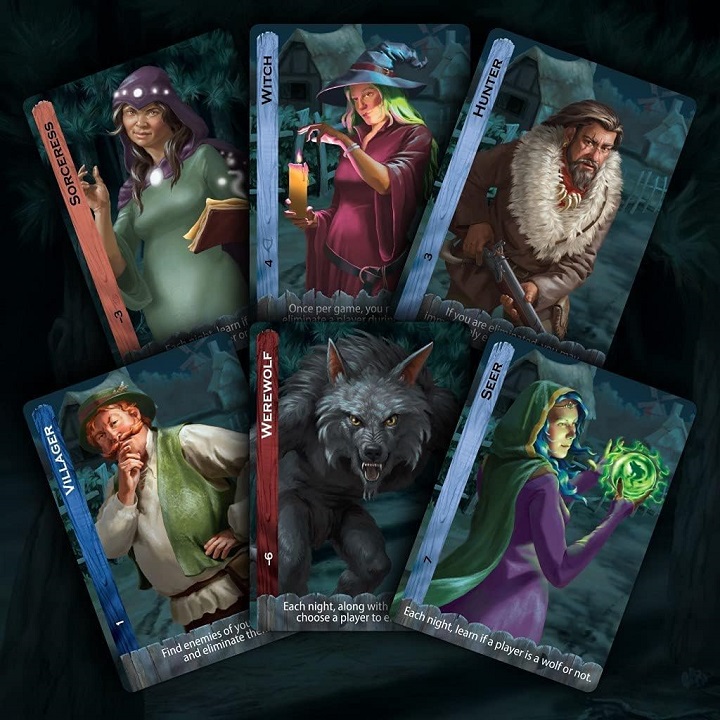
1. Villagers
Ordinary townsfolk with no special abilities. Their power lies in discussion, reasoning, and majority voting. The challenge for villagers is to uncover the liars among them without solid evidence.
2. Werewolves
Deceptive predators who appear innocent by day but murder villagers by night. Werewolves collaborate secretly to choose one victim at a time, aiming to sow confusion while blending in with the crowd.
3. Seer
A mystical figure who can learn a player’s true identity each night. The seer’s clues are invaluable but must be shared carefully to avoid exposure to the werewolves.
4. Doctor or Healer
A protective role that can save one player from being killed each night, possibly even saving themselves depending on the rule set.
5. Moderator or Game Master
The neutral storyteller who facilitates the game, announces day and night phases, describes deaths, and maintains fairness. The game’s atmosphere often depends on the moderator’s narrative flair.
Other optional roles such as the Cupid, Hunter, Witch, or Bodyguard can add layers of complexity and unpredictability to the game.
How the Game Is Played
Setting Up
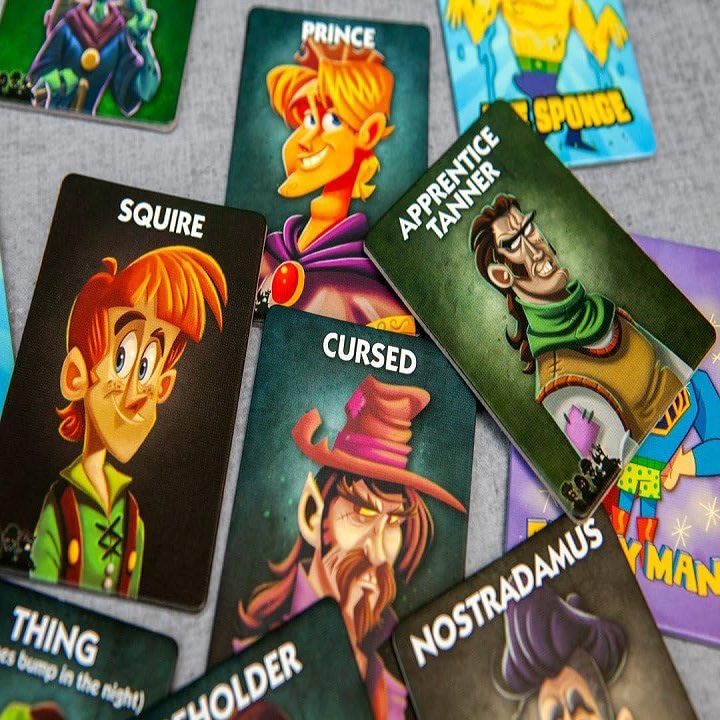
The moderator deals each participant a role card secretly. Players hide their identities, sitting in a circle where eye contact, tone, and body language will become tools of deduction. The moderator announces that night is beginning—and everyone closes their eyes.
The Night Phase
At night, only the werewolves open their eyes to select a victim. The seer and other special roles also act quietly, learning information or saving lives. Then everyone goes back to sleep.
The Day Phase
When the village “wakes up,” the moderator narrates the night’s events, usually announcing who has been “killed.” Then discussion erupts. Players debate, accuse, and analyze behavior to identify possible werewolves. Finally, the group votes to “lynch” one suspected person. The chosen player reveals their role and is eliminated.
This cycle repeats—night then day—until one group wins: villagers, werewolves, or sometimes special roles with alternative victory conditions.
The Psychology of Deception
What makes Werewolf fascinating is its pure social complexity. Every game becomes an experiment in human behavior. The deception lies not in the mechanics but in the players’ faces, tone, and timing. Reading micro-expressions, catching contradictions, and predicting voting patterns are as crucial as luck.
The werewolves must carefully lie without sounding defensive. Villagers must express suspicion without being too aggressive. The seer must hint at knowledge without painting a target on themselves. Each round feels like a mini political drama where charisma and subtlety rule.
In essence, Werewolf turns every player into both a storyteller and a detective.
Strategies and Winning Tips
While chance plays a role, skill profoundly influences outcomes. Here are key strategies for each side:
For Villagers:
Observe Speech Patterns: Hesitation, vagueness, or overly defensive responses can signal deceit.
Track Voting History: Werewolves often avoid voting for each other.
Form Alliances Carefully: Temporary trust can gather intelligence but also invite betrayal.
For Werewolves:
Blend In Early: Participate actively but avoid leading accusations too often.
Create False Narratives: Redirect suspicion toward innocent but vocal players.
Control Emotions: Calm rhetoric is more convincing than silence or panic.
For Special Roles:
The Seer: Don’t reveal early; drop subtle hints until crucial.
The Doctor: Track patterns; if consistent saves fail, switch targets.
The Moderator: Keep the pace balanced; avoid bias or revealing clues inadvertently.
Successful players master both logic and empathy—they think critically while reading social energy.
Variations and Adaptations
Because Werewolf is simple at its core, it has inspired numerous versions with added mechanics:
Classic Werewolf: Uses traditional roles and minimal special characters.
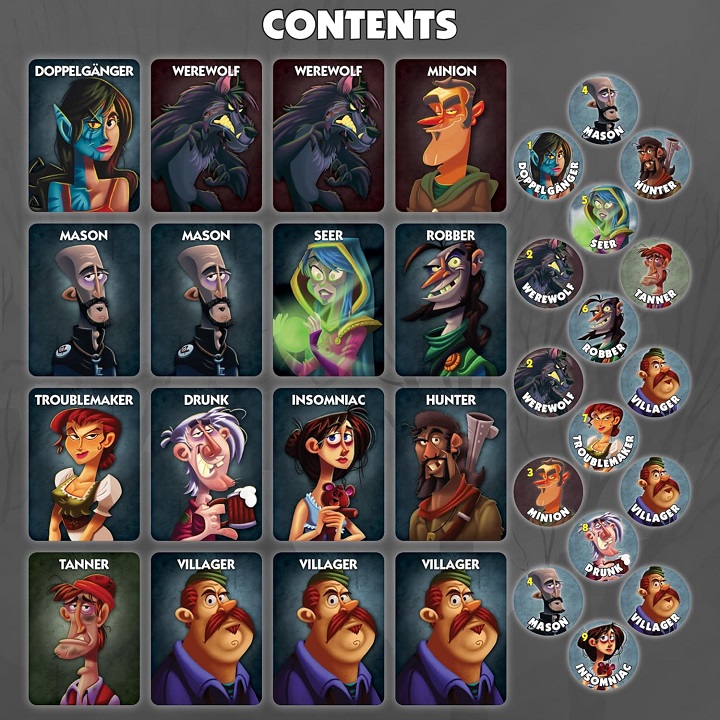
Ultimate Werewolf (Bezier Games): A commercial edition featuring dozens of roles and intricate rulebooks.
One Night Ultimate Werewolf: A condensed 10-minute version where all actions occur in one night, perfect for quick sessions.
Online Werewolf / Discord Bots: Digital versions where players join virtual lobbies with text or voice chat, making the experience global.
Themed Variants: Some settings replace werewolves with aliens, vampires, or impostors—each maintaining the hidden-role dynamic.
These adaptations show the game’s versatility, whether played in classrooms, campfires, offices, or video calls.
The Role of Communication and Emotion
Unlike most board games, Werewolf depends heavily on player interaction and emotional intelligence. Winning rarely means mastering rules—it means mastering people. You must read the rhythm of speech, notice who avoids eye contact, and infer motives from silences. The emotional rollercoaster—betrayal, laughter, suspicion—keeps people hooked round after round.
The social tension also has psychological benefits. It teaches negotiation, reading cues, and expressing logic under pressure—skills applicable beyond the table.
Cultural Impact and Modern Popularity
Over the years, Werewolf has transcended language and geography. It has become a cultural phenomenon similar to Among Us or The Resistance. Streaming platforms have amplified its popularity—YouTubers and live streamers turn it into performance art, where millions watch alliances form and fall apart in real time.
In educational and professional settings, it’s used for team-building exercises because it fosters communication, group trust, and creative thinking. Many companies even use Werewolf sessions for leadership training, emphasizing adaptability and critical reasoning.
Conventionally, the game sits at the crossroad of anthropology and entertainment—it’s storytelling fused with behavioral science.
Why People Love It
Werewolf offers what few games can: a genuine test of social skill disguised as fun. It gives introverts a chance to strategize quietly and extroverts a platform to persuade. Every round differs because the people—and personalities—in the game change the entire experience.
Players enjoy:
The thrill of secret identities.
The suspense of close calls.
The joy of catching (or playing) a perfect lie.
The narrative drama of a fictional village in peril.
The blend of logic and role-playing keeps it endlessly replayable.
Modern Technology and the Werewolf Revival
Since 2020, virtual adaptations have surged. Discord servers and mobile apps let players join global matches, often with built-in narration and auto-role assignment. Virtual Werewolf helps sustain connections during times of distance, like lockdowns or remote work.
App-based editions now include sophisticated AI narrators and analytics that track emotional tone and speech frequency to detect suspicious behavior—turning the social game into a field for digital psychology research.
Even professional eSports-like tournaments for Werewolf exist in Asia, Europe, and North America, with spectators watching live deduction drama unfold on screens.
Ethical and Psychological Considerations
Despite its innocent premise, Werewolf can trigger intense emotions. The game intentionally encourages lying, accusation, and mistrust, which can cause temporary tension among friends if handled poorly. Thus, setting proper boundaries and ensuring mutual understanding is essential.
Healthy gameplay focuses on fun and collaboration, not aggression or resentment. After each session, especially in educational contexts, facilitators often debrief to reflect on decision-making and communication styles.
Final Thoughts
From university dorms to global tournaments, Werewolf continues to thrive because it captures something ancient yet modern—the clash between truth and deception. Behind the werewolf mask lies a mirror showing how humans reason, react, and relate. Whether you play it for fun or insight, it never fails to reveal something about how we think and trust each other.
Frequently Asked Questions
1. How many players do you need to play Werewolf?
Most versions recommend 7 to 15 players, though you can play with as few as 5 or as many as 30 with role adjustments.
2. How long does one game last?
A typical full-length Werewolf session lasts 30 to 60 minutes. One Night versions can finish within 10 minutes.
3. Can Werewolf be played without a moderator?
Yes, some online or app-based versions use automated moderators that handle narration and randomization.
4. What’s the difference between Werewolf and Mafia?
Mechanically, they’re nearly identical. Werewolf uses a fantasy theme while Mafia retains its original crime motif.
5. Is the Werewolf game suitable for children?
Yes, as long as storytelling remains age-appropriate. Teachers and parents often adapt the narrative to be less violent or more humorous.


