Content Menu
● Understanding the Appeal of Custom Card Games
● Step 1: Concept – What’s Your Game About?
● Step 2: Design the Rules and Gameplay Mechanics
● Step 3: Visual Design and Artwork
● Step 4: Prototyping – Turning Designs into Test Decks
● Step 5: Choose Your Materials Wisely
● Step 6: Packaging – The First Impression
● Step 7: Printing and Production
● Step 8: Quality Control and Finishing
● Step 9: Testing and Feedback
● Step 10: Launching and Promoting Your Card Game
● Why Choose XingKun Printing Products for Custom Card Games?
● The Power of Personalization
● Sustainability and Environmental Responsibility
● Common Mistakes to Avoid When Making Your Own Card Game
● Future Opportunities for Card Game Creators
● Frequently Asked Questions
>> 1. How many cards should a standard game deck include?
>> 2. Can XingKun Printing Products help with design optimization?
>> 3. What materials are best for long-lasting cards?
>> 4. How long does card game production usually take?
>> 5. Can XingKun produce small batches for testing?
>> 6. Does XingKun provide shipping services?
● Conclusion: Turning Ideas into Playable Reality
Have you ever held a beautifully designed deck of cards and thought, “I could create something even more exciting?” If so, you’re not alone. Making your own card game isn’t just about creativity; it’s about turning imagination into something you can physically touch, play, and share. From brainstorming concepts to custom printing, there’s an art and a process—and the right printing partner makes all the difference.
Below, we’ll explore every step of creating your own card game, the importance of quality printing and packaging, and how XingKun Printing Products can turn your design into a professional, tangible product ready for players around the world.
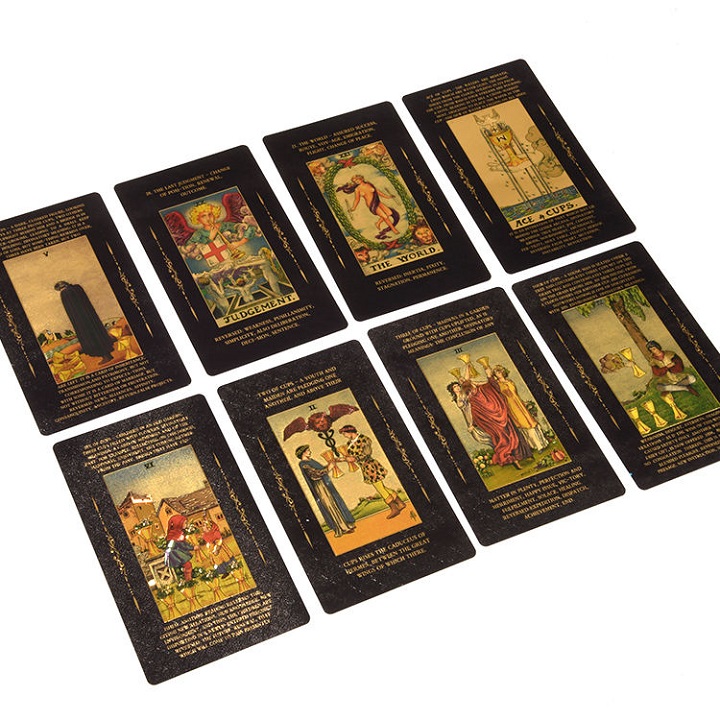
Understanding the Appeal of Custom Card Games
Card games are timeless. They transcend cultures, languages, and generations. Whether you’re designing a strategy-based deck, a trivia challenge, or a fast-paced party game, a card game is one of the most engaging ways to connect people.
The growing popularity of tabletop and DIY gaming has inspired many people to make their own card games. With custom printing becoming more accessible, you no longer need to be a big publisher to bring your idea to life—you just need a great concept and a reliable manufacturing partner.
Step 1: Concept – What’s Your Game About?
The first step in making your own card game is defining the concept. Ask yourself:
What kind of experience do I want players to have?
Is it competitive, cooperative, educational, or humorous?
How complex should the rules be?
Think of your theme as the heart of your game—fantasy, science, mystery, or everyday life. A clear concept helps guide every design and rules decision you’ll make later on.
Example: Imagine you’re creating a card game where players are rival coffee shop owners trying to craft the best brew. The theme naturally leads you to create “ingredient” cards, “customer” cards, and “event” cards, all reflecting your narrative vision.
Step 2: Design the Rules and Gameplay Mechanics
Once you’ve defined your theme, focus on how the game plays. Mechanisms determine how players interact, win, or lose.
Some popular mechanics include:
Resource Management (collecting or trading cards to gain points)
Deck Building (customizing personal decks during gameplay)
Bluffing (guessing and deception mechanics)
Party Play (simple rules, quick interaction)
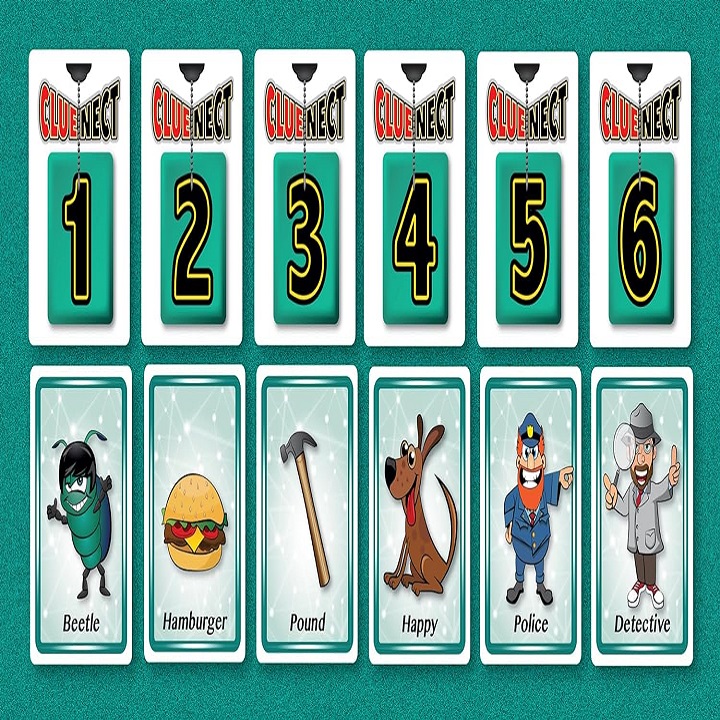
Start with a simple prototype—index cards or paper cutouts can do the trick. Write brief instructions, test with friends, and take notes. Good rules are learned easily but offer depth once players get into the game.
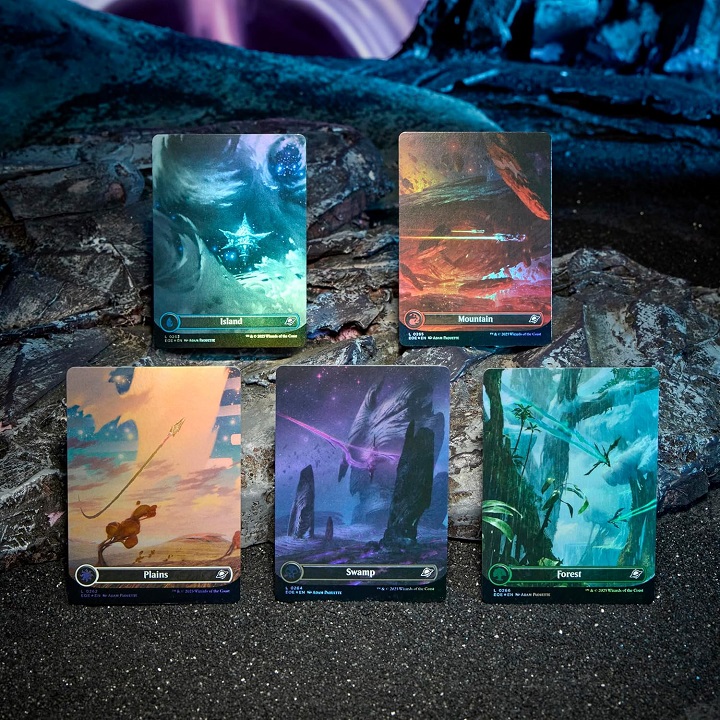
Step 3: Visual Design and Artwork
The visual side of your card game is what makes it immediately appealing. It includes:
Card layout: balanced spacing, readable text, and intuitive icons.
Color palette: consistent hues that match your theme’s tone.
Artwork: clear, attractive images that enhance immersion.
Many creators underestimate how much visual clarity affects player experience. For instance, symbols that are too small or text that’s difficult to read can frustrate players—even if the mechanics are great.
XingKun Printing Products provides guidance on print dimensions, bleed areas, and safe zones, ensuring that your artwork looks perfect from screen to finished card. The company understands how file formatting affects print quality and supports designers through every technical requirement.
Step 4: Prototyping – Turning Designs into Test Decks
Before moving to mass production, you need a prototype. This version helps test:
How the cards feel in hand.
Whether the colors and text are legible.
If the gameplay experience flows smoothly.
XingKun Printing Products offers professional sample prints and prototypes to help creators confirm details such as color accuracy, coating finish, and paper thickness before producing large quantities. This saves both time and cost while ensuring the final product meets your expectations.
Step 5: Choose Your Materials Wisely
Cards might look simple, but production involves many choices. The card stock, coating, and finish dramatically affect how your game feels and lasts.
Here’s what to consider:
Paper Stock: Options range from 250gsm to 400gsm, with cores that prevent light transparency.
Finish: Glossy finishes make colors vibrant; matte finishes reduce glare and offer a soft touch.
Coating: Lamination or varnish protects against wear and keeps edges crisp.
XingKun Printing Products offers premium custom printing options, from durable playing card materials to luxury coatings. Whether you want standard smooth finishes or special textures for collector editions, XingKun can achieve the ideal look and tactile feel.
Step 6: Packaging – The First Impression
Packaging is more than just protection—it’s a marketing tool. The box is the first thing players see, and it sets expectations about quality and care.
Common box types include:
Tuck Boxes: Compact and cost-effective for standard card sets.
Rigid Boxes: Elegant and strong, ideal for deluxe versions.
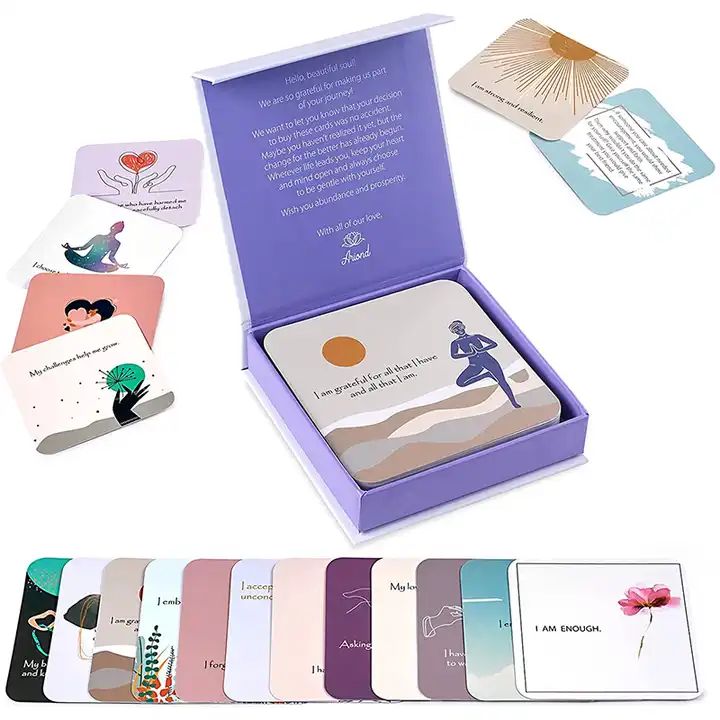
Magnetic Box Sets: Premium packaging perfect for collectors or retail editions.
XingKun’s experience in packaging customization ensures that colors, textures, and box rigidity match your creative intent. You can choose custom inserts, foil stamping, embossing, and spot UV designs to make your game truly stand out on a shelf.
Step 7: Printing and Production
This is when your card game truly comes to life. Reliable printing and attention to detail turn creative ideas into a professional-quality product.
At XingKun Printing Products, every project undergoes color calibration, precision cutting, and strict quality checks. The company uses advanced printing technology to maintain consistency across large runs, ensuring every deck meets the same high standard. With flexible order quantities, you can start small and scale up when your game gains popularity.
Step 8: Quality Control and Finishing
A successful card game must be both beautiful and durable. Folding, cutting, rounding corners, and consistent print alignment all matter. XingKun Printing Products applies meticulous inspection at every production phase, verifying that each component—cards, boxes, booklets, or inserts—meets design specifications.
Finishing options such as linen texture, silver foil edging, and holographic details can make your cards instantly recognizable and collectible.
Step 9: Testing and Feedback
Once you receive your printed prototypes, it’s time to test extensively. Gather players from different backgrounds—casual gamers, families, and enthusiasts—to try your game. Encourage honest feedback on balance, speed, learning curve, and replay value.
Games evolve through feedback. Simple adjustments in rules, card distribution, or even visual cues can dramatically improve playability.
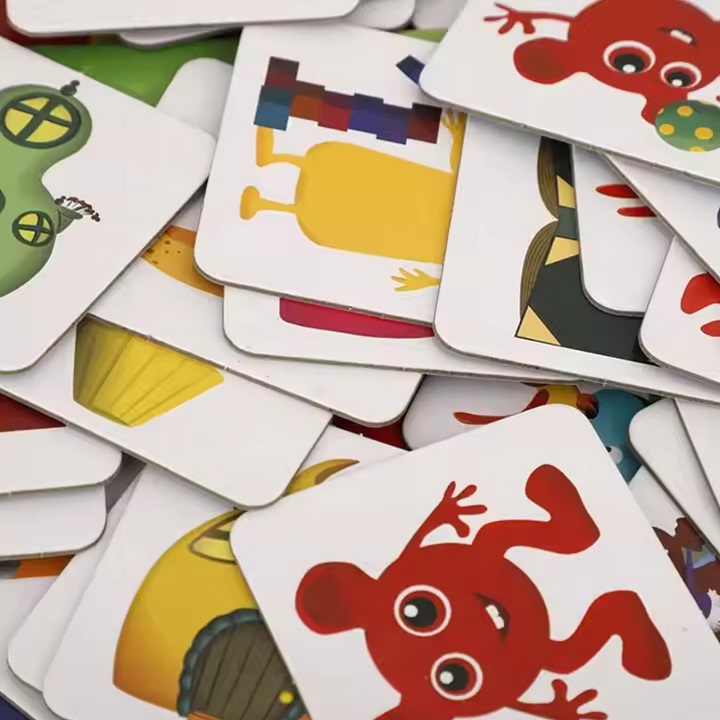
Step 10: Launching and Promoting Your Card Game
With a polished deck and proper packaging, you’re ready to share your creation with the world.
Promotion can happen through:
Crowdfunding or pre-orders.
Social media campaigns featuring behind-the-scenes artwork.
Local gaming events and online communities.
Custom showcase videos.
XingKun Printing Products supports creators not just with manufacturing but also with print consistency for re-orders—crucial if your first batch sells out quickly.
Why Choose XingKun Printing Products for Custom Card Games?
As a professional manufacturer located in Sham Shui Po, Hong Kong, XingKun Printing Products specializes in custom card game and packaging production. Its industry experience and commitment to quality make it an ideal partner for independent creators and publishing studios alike.
Key advantages include:
Comprehensive Custom Solutions: From cards to boxes, manuals, and inserts.
Premium Materials: Multiple card stocks, coated finishes, and specialty effects.
Strict Quality Control: Each order is thoroughly inspected before shipping.
Flexible Order Quantities: Support for small prototypes or large-scale mass production.
Reliable Global Shipping: On-time delivery backed by professional packaging protection.
In other words, XingKun turns creative visions into high-quality printed realities—efficiently, affordably, and beautifully.
The Power of Personalization
One of the major reasons to make your own card game is the chance to express individuality. Whether you’re a teacher designing educational decks, an artist creating collectible prints, or a startup developing a commercial title, customization allows endless possibilities.
With XingKun’s advanced printing services, you can personalize every element—card size, corner shape, print texture, or numbering system—to create a truly unique play experience.
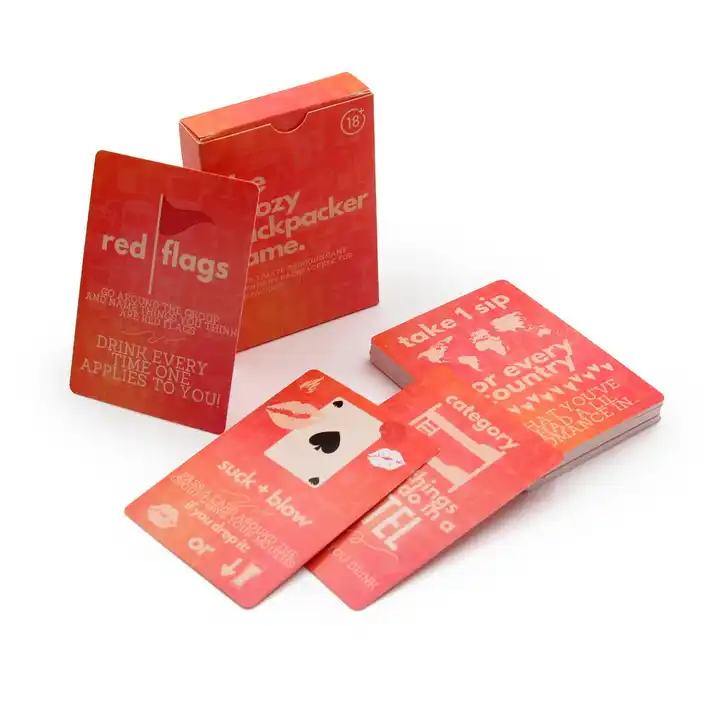
Sustainability and Environmental Responsibility
Today, creators increasingly value eco-friendly production. XingKun Printing Products recognizes this and offers environmentally conscious options such as recyclable paper stock, soy-based inks, and efficient production practices that minimize waste. Sustainable choices not only protect our planet but also resonate with players who value social responsibility.
Common Mistakes to Avoid When Making Your Own Card Game
Even great ideas can stumble due to small oversights. Keep these pitfalls in mind:
Trying to include too many rules or mechanics in one game.
Ignoring player testing before mass production.
Using low-resolution artwork or unclear icons.
Skipping professional prototyping.
Underestimating packaging presentation.
Avoiding these mistakes will make your final product far more polished and enjoyable.
Future Opportunities for Card Game Creators
Once your game hits the market, you can expand on it. Add new characters, story arcs, or extension packs. Offer themed editions or seasonal sets. The flexibility of card games allows them to grow alongside player communities.
Because XingKun offers continuous custom printing support, you can maintain consistent print quality across all future expansions—a key detail for collectors and fans.
Frequently Asked Questions
1. How many cards should a standard game deck include?
Most decks contain between 60 and 120 cards, but the exact number depends on your gameplay design and mechanics.
2. Can XingKun Printing Products help with design optimization?
Yes, XingKun provides technical guidance on print file preparation, color settings, and layout alignment to ensure that designs print accurately.
3. What materials are best for long-lasting cards?
High-quality, 300–400gsm black core paper with matte or linen finishes provides durability, opacity, and a premium feel.
4. How long does card game production usually take?
Production time varies with order size and complexity but typically ranges from 2 to 5 weeks, including quality assurance and packaging.
5. Can XingKun produce small batches for testing?
Absolutely. XingKun supports short-run orders for creators who need test samples before committing to large production.
6. Does XingKun provide shipping services?
Yes. Global shipping options with protective packaging ensure your products arrive safely and on schedule.
Conclusion: Turning Ideas into Playable Reality
To make your own card game is to bridge imagination with craftsmanship. It’s about designing rules, testing ideas, and finally trusting the right printing partner to give your project professional shine.
With XingKun Printing Products, creators enjoy reliable expertise, premium materials, personalized support, and outstanding quality—transforming creative ambitions into lasting physical form. Card by card, you’re not just printing a game; you’re creating an experience people will remember, play, and share.


