Content Menu
● Understanding Oracle Cards
● A Brief History of Oracle Cards
● How Oracle Cards Work
● The Purpose of Oracle Cards
>> 1. Personal Reflection and Awareness
>> 2. Spiritual Guidance
>> 3. Emotional Healing
>> 4. Decision-Making Clarity
>> 5. Creativity and Inspiration
● Oracle Cards vs. Tarot Cards
● How to Use Oracle Cards
● Building a Deeper Relationship with Your Deck
● Common Misconceptions
● Integrating Oracle Cards into Daily Life
● The Deeper Psychology Behind Oracle Cards
● Choosing the Right Deck for You
● Practical Example: A Simple One-Card Reading
● Common Mistakes to Avoid
● Ethics and Boundaries
● The Modern Appeal of Oracle Cards
● Questions and Answers
>> 1. Can anyone use oracle cards, or do I need special training?
>> 2. How often should I pull cards?
>> 3. Can oracle cards predict love or money outcomes?
>> 4. What’s the best way to phrase questions for a reading?
>> 5. Are oracle cards linked to any religion?
Oracle cards have gained significant popularity in recent years. They’re now common tools not just among spiritual practitioners, but also among people seeking personal insight, emotional healing, or creative guidance. While they share some similarities with tarot cards, oracle cards are even more open-ended and intuitive—designed to spark reflection and help people connect with their intuition.
This article explores what oracle cards are for, how they work, how they differ from tarot, and how you can use them in everyday life for clarity, mindfulness, and self-empowerment.
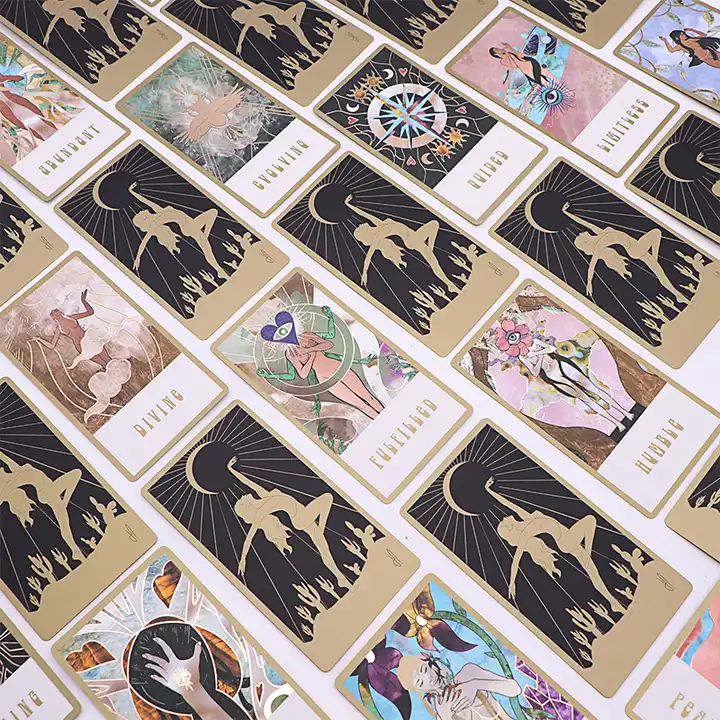
Understanding Oracle Cards
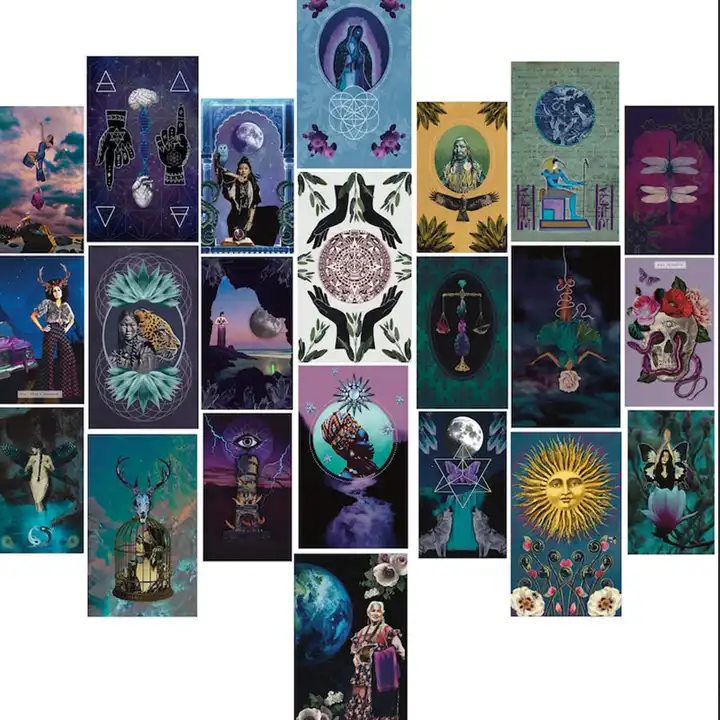
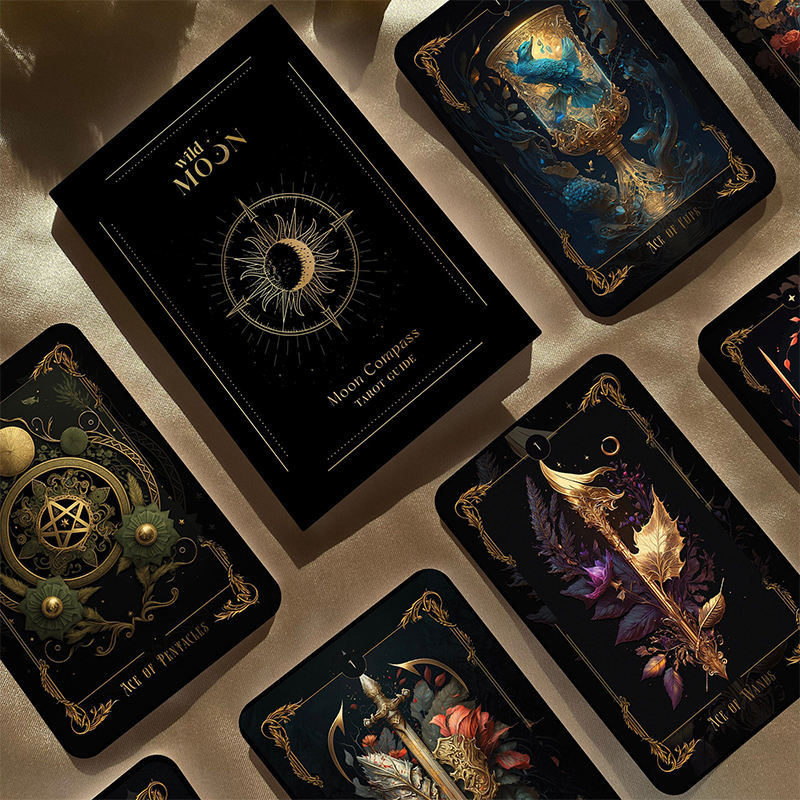
Oracle cards are decks of illustrated cards used for divination, self-reflection, guidance, and spiritual connection. Unlike tarot cards, which follow a standardized 78-card system divided into suits and archetypes, oracle cards come in countless variations. Each deck is designed around a particular theme, such as angels, nature, affirmations, chakras, or astrology.
At their core, oracle cards act as mirrors of the subconscious mind. When you pull a card, it symbolically reflects your inner state, providing perspective or insight. The meaning isn’t locked in by rules—it unfolds through intuition. Instead of predicting an external future, oracle cards illuminate your internal world, helping you make empowered choices in the present.
A Brief History of Oracle Cards
The idea of using symbolic images for guidance stretches back thousands of years. In ancient Greece, the “oracle” referred to priestesses who interpreted divine messages at sacred sites such as Delphi. Over time, this term evolved to describe tools and methods for receiving spiritual insight.
Modern oracle cards began to appear in the 19th and early 20th centuries. One of the earliest examples was the Lenormand deck, named after the famous French fortune-teller Mlle. Lenormand, who read for figures like Napoleon. In the New Age movement of the late 20th century, oracle cards expanded beyond fortune-telling into personal growth tools, emphasizing intuition and empowerment over prediction.
Today, hundreds of themed decks exist—from angel cards to spirit animal cards, moon phase cards, and even decks inspired by emotional intelligence. Their appeal lies in accessibility: anyone, regardless of experience, can pick up a deck and begin.
How Oracle Cards Work
Oracle cards do not “predict” the future in a literal sense. Instead, they work by reflecting energy—helping you see what may already exist beneath the surface of consciousness. This reflective process operates on a few key principles:
Synchronicity: Coincidences may not be random; a card drawn at a given moment often holds meaning precisely because it resonates with your current emotional or mental state.
Intuition: Your subconscious interprets the symbols, colors, and words on the card according to your personal experiences and energy.
Projection: Like dreams, the images invite projection—your mind assigns meaning that reveals what you truly feel or need.
In practical terms, oracle cards function as a meditative tool. They create space for self-dialogue and help people notice patterns or emotions they might otherwise overlook.
The Purpose of Oracle Cards
So, what are oracle cards for exactly? While every practitioner might describe them differently, there are several core purposes that unite most uses.
1. Personal Reflection and Awareness
Oracle cards help people slow down and look inward. By drawing a card and asking, “What do I need to know right now?” you set the stage for contemplation. The message on the card—whether symbolic or literal—becomes a prompt for self-awareness.
For example, pulling a “Transformation” card might not mean change is fated; rather, it can remind you that growth is occurring, even if it feels uncomfortable.
2. Spiritual Guidance
Many people use oracle cards as a bridge to spiritual connection. Whether you believe in angels, ancestors, spirit guides, or simply universal energy, the cards serve as a tangible way to tune into subtle intuitive wisdom. They provide comfort and reassurance through symbolic communication.
3. Emotional Healing
Certain oracle decks are designed specifically for healing and emotional release. The imagery and affirmations often invite compassion, forgiveness, or renewal. This makes them useful tools in therapy sessions, recovery journeys, or practices like journaling.
4. Decision-Making Clarity
While oracle cards shouldn’t replace reasoning or external advice, they can clarify your internal stance. When you face a decision, a card pull may highlight what your intuition already knows but hasn’t articulated. This reflective angle often reveals the emotional truth beneath logical confusion.
5. Creativity and Inspiration
Artists, writers, and entrepreneurs sometimes turn to oracle decks as creative sparks. Each draw can inspire a story idea, visual concept, or new project direction. By freeing the mind from linear thinking, oracle cards open the door to imaginative discovery.
Oracle Cards vs. Tarot Cards
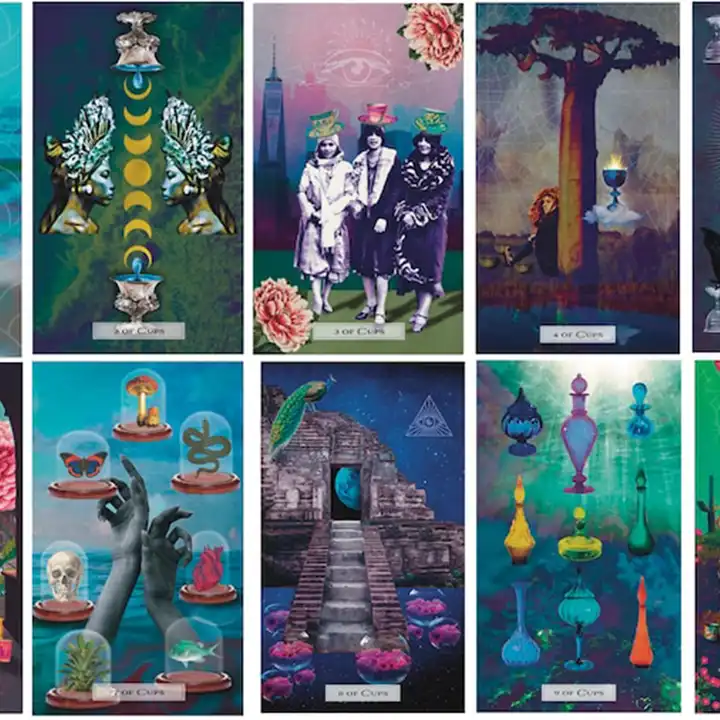
Although tarot and oracle decks share similarities, their structures and purposes differ:
| Feature | Oracle Cards | Tarot Cards |
| Structure | Varies widely; no fixed number or system | Fixed 78 cards (Major + Minor Arcana) |
| Rules | Flexible; meanings are intuitive | Symbolic system with traditional meanings |
| Themes | Wide range—angels, chakras, affirmations, etc. | Universal archetypes and journey of the Fool |
| Use Case | Self-reflection, spiritual insight, emotional healing | Detailed symbolic readings, complex spreads |
| Accessibility | Easy for beginners; no memorization needed | Requires some study and practice |
In short, tarot operates like a structured language with grammar, while oracle cards function like freeform poetry—open to interpretation and personal resonance.
How to Use Oracle Cards
If you’re curious to try oracle cards, the process is simple yet profound. Here’s a practical step-by-step method for beginners:
Choose a Deck That Resonates
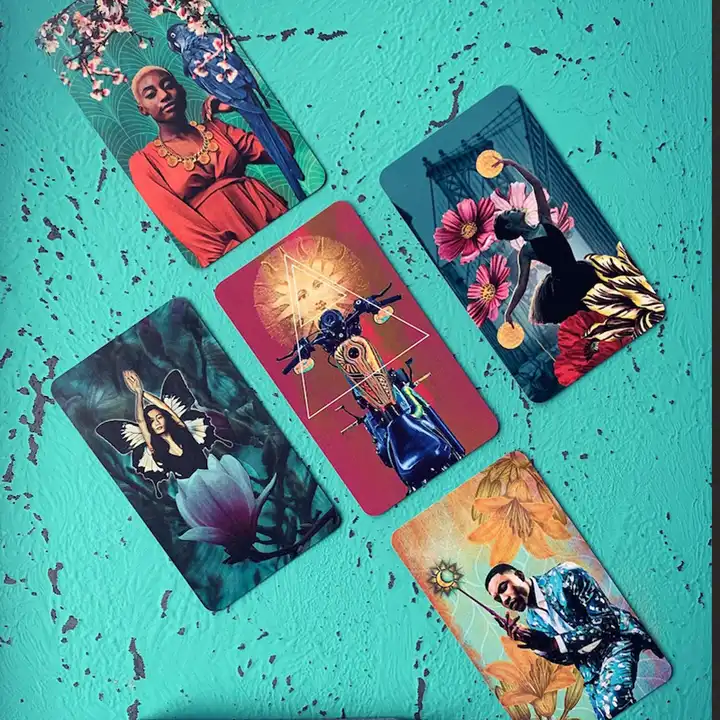
Select a deck whose artwork and theme “speak” to you. Don’t overthink the choice—intuition often guides you to the one you need.
Set an Intention
Before drawing cards, pause and center yourself. Ask a clear question, such as “What energy is guiding me today?” or “What lesson am I meant to learn from this challenge?”
Shuffle Mindfully
Focus your attention while shuffling. When a card “jumps” out or feels ready, draw it. Some people prefer spreading all cards out and selecting one intuitively.
Observe Without Judgment
Look carefully at the imagery, color palette, and text. What emotion arises first? What does the card remind you of? This emotional reaction often holds the real message.
Read the Guidebook (Optional)
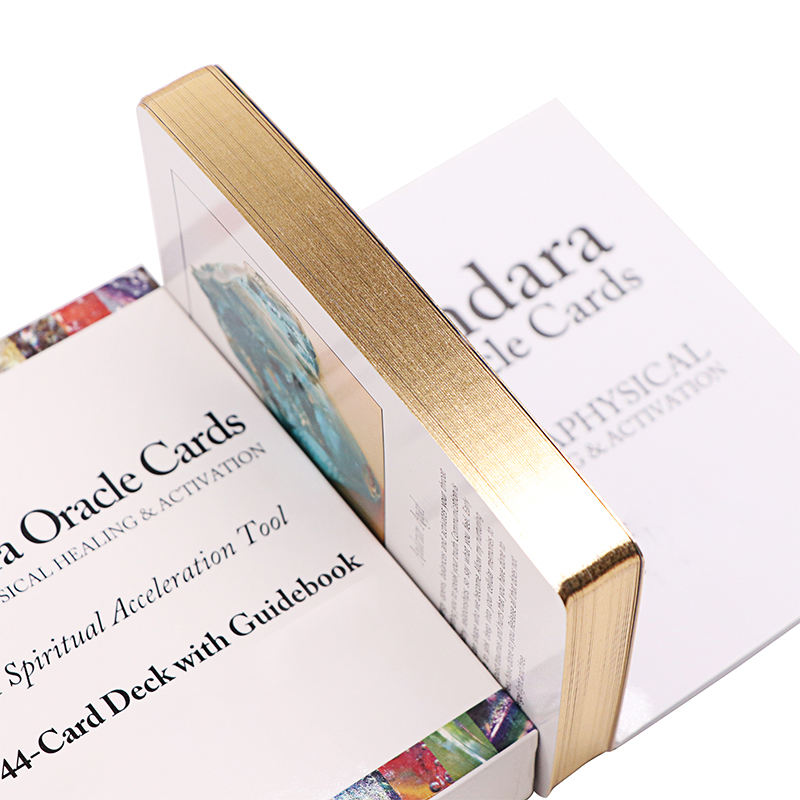
Most decks include a booklet explaining the card meanings. Use it as inspiration, not as a strict rule.
Apply the Message
Reflect on how the message fits your life. You may journal about it, meditate, or carry the insight with you through the day.
When used regularly, oracle cards create a gentle ritual of self-connection and mindfulness.
Building a Deeper Relationship with Your Deck
Oracle cards aren’t just tools; they can become trusted companions on your personal journey. To build a deeper connection:
Cleanse the deck periodically, using crystals, incense, sunlight, or intention to clear energy.
Journal each reading to track recurring themes or patterns.
Use daily draws to develop intuitive fluency.
Personalize your readings by inventing your own spreads or combining decks for layered messages.
Like any reflective tool, your relationship with your cards strengthens over time through attention and respect.
Common Misconceptions
Despite their growing popularity, oracle cards are often misunderstood. Here are some common myths—and the truth behind them:
Myth 1: Oracle cards tell the future.
While they can hint at potential directions, oracle cards primarily reveal emotional truths in the present moment.
Myth 2: You must be psychic to use them.
Anyone can use oracle cards. What matters is openness to intuition, not supernatural ability.
Myth 3: Certain cards are “bad.”
Each card carries both light and shadow wisdom; even “challenging” cards offer valuable insight.
Myth 4: You can’t read for yourself.
Self-readings are encouraged! The purpose of oracle cards is self-awareness, not dependency.
By dispelling these myths, more people can approach oracle cards as empowering, non-fatalistic tools for growth.
Integrating Oracle Cards into Daily Life
Oracle cards are flexible—they can blend easily into almost any routine. You might:
Pull one card each morning for daily guidance.
Use cards in conjunction with meditation, yoga, or journaling.
Pair a card with a candle or affirmation ritual.
Seek guidance from a deck during emotional uncertainty.
Offer readings to friends as a way to share empathy and reflection.
Over time, oracle cards become more than a divination tool—they evolve into a form of dialogue with your higher self.
The Deeper Psychology Behind Oracle Cards
From a psychological perspective, oracle cards work similarly to projective tests, such as the Rorschach inkblot method. When you interpret symbols freely, your subconscious mind expresses itself. The drawn card serves as a catalyst for uncovering hidden thoughts or desires.
Research in modern psychology also emphasizes the therapeutic power of symbolic thinking. Symbols bypass the analytical part of the brain, activating creativity and emotional intelligence. For this reason, therapists increasingly use oracle or affirmation cards as supplements to traditional talk therapy—especially in trauma recovery, mindfulness training, and creativity workshops.
Choosing the Right Deck for You
Given the vast number of decks available, selecting one can feel overwhelming. Here are a few tips:
Follow your intuition. The deck that draws your eye or feels warm in your hands is often the right one.
Consider the artwork. Visual style matters—aesthetic resonance deepens connection.
Check the creator’s intention. Some decks focus on spiritual entities, others on mindfulness, nature, or psychology.
Start simple. For beginners, decks with uplifting language and supportive messages are ideal.
Once you’ve found your deck, take time to “bond” with it: hold it, shuffle it, or sleep with it near you to attune energies.
Practical Example: A Simple One-Card Reading
Let’s walk through a brief demonstration.
Imagine you’ve had a stressful week and ask: “What do I need to focus on this weekend?”
You pull a card labeled “Restoration.” The card depicts a serene forest and flowing water. Instantly, you sense its message: step away from productivity and allow natural balance to restore your energy.
By reflecting on this image, you realize how drained you’ve been and decide to disconnect from work emails for a day. The card didn’t command an action—it revealed what your heart already wanted.
That is the quiet power of oracle cards.
Common Mistakes to Avoid
Beginners sometimes approach oracle cards with unrealistic expectations. Avoid these pitfalls:
Overusing cards—too many readings in one day can blur clarity.
Ignoring intuition—don’t rely solely on guidebooks.
Asking yes/no questions—oracle cards respond best to open-ended prompts.
Forcing interpretations—if a message feels cloudy, let it rest and revisit later.
Remember: oracle readings invite conversation, not control.
Ethics and Boundaries
When reading for others, ethical integrity is essential. Oracle cards can offer emotional support but should never replace professional medical, legal, or financial advice. Responsible readers emphasize empowerment—helping others connect to their own intuition rather than dictating outcomes.
Consent matters too. Always ask permission before performing a reading for someone else, and maintain confidentiality about what emerges.
The Modern Appeal of Oracle Cards
In an age of speed and information overload, oracle cards offer something increasingly rare: mindful stillness. They invite people to pause, breathe, and reconnect with inner wisdom. Whether used in solitude, spiritual practice, or group gatherings, oracle cards fulfill a deep human need—to listen within.
Their enduring popularity reflects a modern shift from external authority to internal truth. Rather than asking, “What will happen to me?” people now ask, “What energy am I aligning with? What can I learn from this moment?” That question is the essence of oracle work.
Questions and Answers
1. Can anyone use oracle cards, or do I need special training?
Anyone can use oracle cards. They rely on intuition, not expertise. The more you practice, the more naturally the meanings unfold.
2. How often should I pull cards?
Daily draws are common, but the ideal rhythm depends on you. Some people use them weekly or only during transitions.
3. Can oracle cards predict love or money outcomes?
They can highlight emotional patterns influencing these areas, but they don’t guarantee specific future results.
4. What’s the best way to phrase questions for a reading?
Ask open-ended questions like “What should I focus on today?” rather than yes/no queries.
5. Are oracle cards linked to any religion?
Most are nondenominational. Their spiritual tone varies by deck, so users can adapt them to any belief system—or none at all.


