Content Menu
● Why Create Your Own Recipe Cards?
● Step 1: Define Your Recipe Card Purpose and Style
● Step 2: Choose the Right Size and Format
● Step 3: Select High-Quality Paper and Materials
● Step 4: Design Layout and Typography
● Step 5: Add Decorative Elements
● Step 6: Personalize with Handwritten or Digital Details
● Step 7: Print Professionally for a Polished Finish
● Step 8: Organize and Store Your Recipe Cards
● Step 9: Tips for Maintaining Longevity
● Advantages of Choosing XingKun Printing Products
● Frequently Asked Questions
>> 1. What is the best paper weight for recipe cards?
>> 2. Can I design my recipe cards digitally before printing?
>> 3. Are recipe cards waterproof?
>> 4. Do you offer eco-friendly printing options?
>> 5. Can I order small quantities for personal use?
● Conclusion
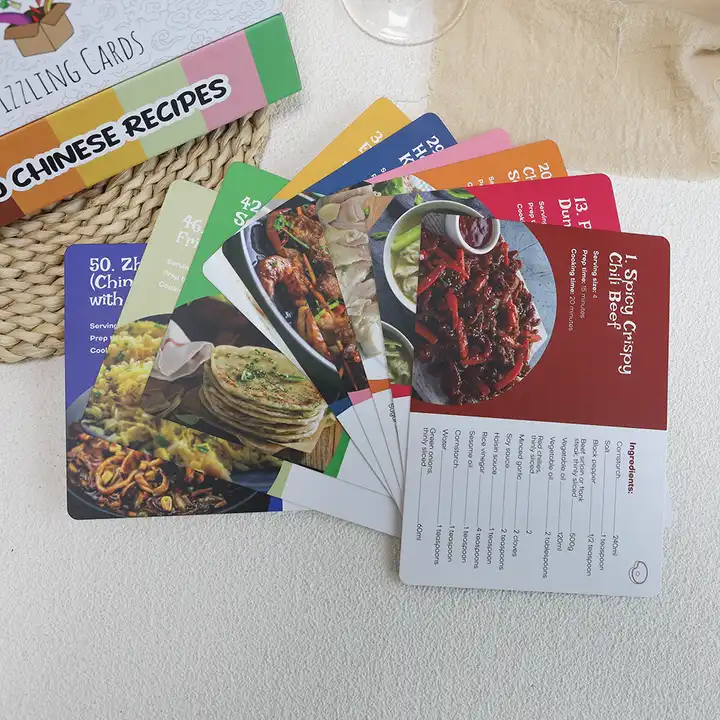
Creating your own recipe cards is a delightful way to preserve culinary creativity and share your favorite dishes with friends and family. Whether you’re compiling a personal cookbook, organizing traditional family recipes, or building a beautiful gift set, custom recipe cards strike the perfect balance between practicality and artistry.
In this guide, we will walk you through every step of designing, crafting, and printing your own recipe cards—from choosing the right materials to adding elegant finishing touches. We’ll also discuss the unique advantages of working with XingKun Printing Products, a professional custom-printing company in BaoAn District, Shenzhen, known for delivering exceptional quality and personalized service.
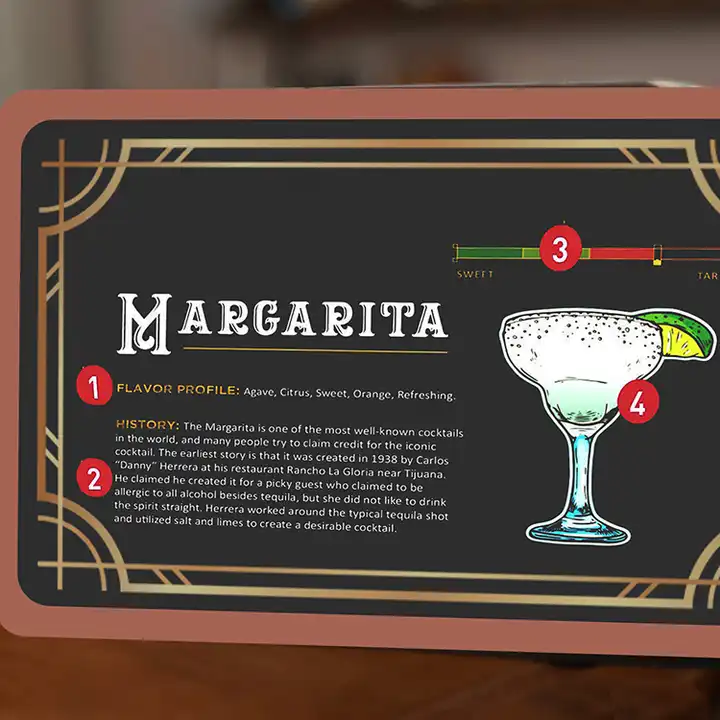
Why Create Your Own Recipe Cards?
Homemade recipe cards hold sentimental and functional value. In today’s digital age, handwritten or professionally printed cards are a charming nod to tradition. They give each recipe personality and permanency.
Here are a few reasons why making your own recipe cards is a creative investment:
Preserve culinary heritage. Passing recipes through generations on personalized cards keeps family traditions alive.
Gift with meaning. Recipe card sets make heartfelt gifts for weddings, housewarmings, or holidays.
Encourage creativity. Designing layout, fonts, and decorations lets your artistic side shine.
Simplify organization. Standardized card formats make it easier to file and retrieve recipes in boxes or binders.
Promote personal branding. Chefs, food bloggers, and small caterers can use custom cards to reinforce their culinary identity.
When thoughtfully designed and professionally printed, recipe cards combine nostalgia, beauty, and usefulness.
Step 1: Define Your Recipe Card Purpose and Style
Before you start designing, identify the purpose of your recipe cards. Are they for personal use, professional publication, or as thoughtful gifts? Understanding your aim influences every design choice.
Personal use: Focus on functionality—ample writing space, organized layout.
Gift sets: Emphasize aesthetics, include themed borders and matching envelopes.
Professional branding: Highlight your logo, color scheme, and typography consistency.
A good idea is to sketch a few layout samples on paper first, experimenting with margins, columns, and boxes for ingredients and instructions.
Step 2: Choose the Right Size and Format
The standard recipe card sizes are:
3x5 inches — compact and traditional
4x6 inches — the most popular size with good balance between space and portability
5x7 inches — ideal for detailed recipes or larger fonts
Consider how your recipients will store the cards. If they’ll use a recipe box, 4x6 is practical. If you plan to include photos, choose a larger card for better visual clarity.
For professional results, partnering with a custom printing specialist like XingKun Printing Products allows you to experiment with unique shapes or folding styles while maintaining precise cuts and consistent dimensions.
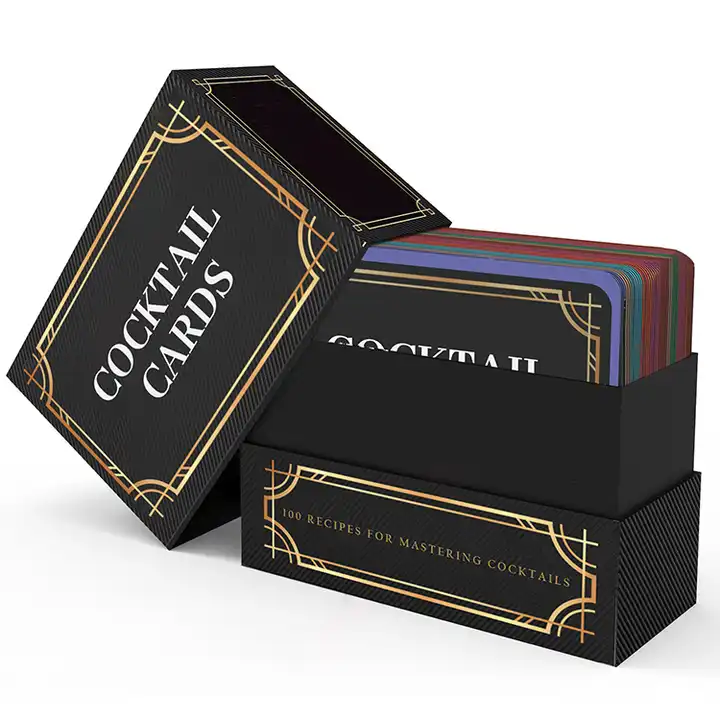
Step 3: Select High-Quality Paper and Materials
Paper choice affects durability and aesthetics. Recipe cards need to withstand kitchen splashes and repeated handling.
Cardstock (250–350 gsm): sturdy and ideal for long-term use.
Matte finish: reduces glare, easy to write on with pens.
Gloss or laminated finish: offers moisture resistance, ideal for printed-only designs.
Textured paper: adds tactile depth and a premium feel.
XingKun Printing Products specializes in premium-grade paper selection and can assist in choosing sustainable or specialty papers. For example, recycled paper offers an eco-friendly appeal, while pearl or linen textures elevate the card’s elegance.
With precise color calibration and modern printing technology, XingKun ensures your printed designs appear vivid, crisp, and true to your digital mockup.
Step 4: Design Layout and Typography
A good design prioritizes readability and flow. Start by creating a clear hierarchy:
1.Title Area — for recipe name and maybe a subtitle or brief description.
2.Ingredient List — align neatly in columns or rows; consider using icons or bullet points.
3.Directions Section — structured numbering keeps instructions orderly.
4.Notes Section — a small corner for adjustments or serving tips.
When selecting fonts, stick to two complementary styles: one decorative for titles and one legible serif or sans-serif for content. Colors should harmonize with the theme—think warm earthy tones for rustic designs or pastels for modern minimalist cards.
If you order printed cards through XingKun Printing Products, their design team can help optimize layout elements for both beauty and practicality, ensuring typography is balanced and color contrast meets readability standards.
Step 5: Add Decorative Elements
Enhance the personality of your recipe cards with graphics, borders, and embellishments. Visual charm makes each card not only functional but also display-worthy.
Ideas include:
Illustrations of ingredients (herbs, utensils, fruits).
Themed borders (floral, vintage, geometric).
Colored dividers separating categories like “Desserts” or “Main Dishes.”
Space for a small photo of the final dish.
XingKun Printing Products offers advanced printing options such as embossing, foil stamping, spot UV coating, and die-cut edges. These features can add professional polish and tactile depth, making your cards stand out as premium keepsakes.
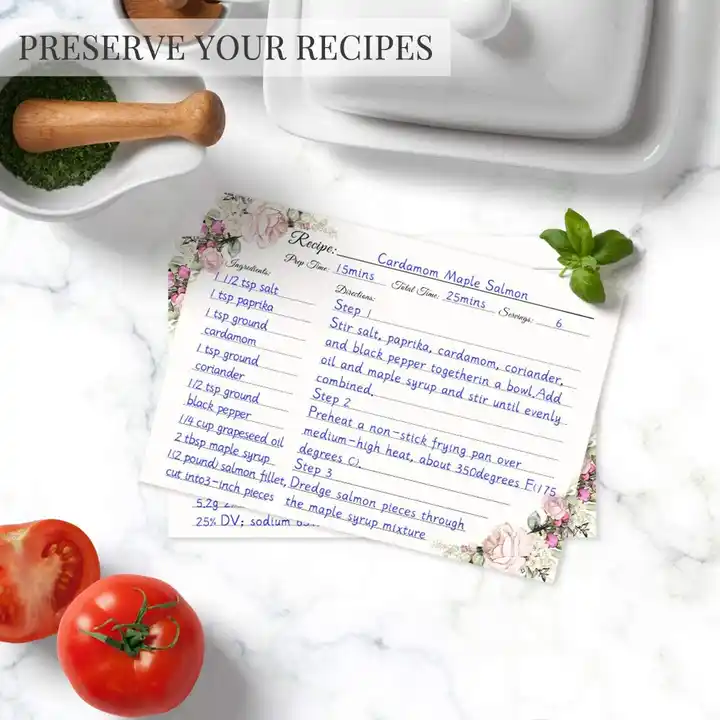
Step 6: Personalize with Handwritten or Digital Details
Once printed, you can personalize each card through:
Handwriting: gives a sentimental, authentic touch.
Digital entry fields: convenient for people with many recipes to print.
Editable templates: smart choice if you want to type new recipes later.
At XingKun, digital templates can be printed with faint guide lines, leaving room for personal handwriting or notes. This hybrid approach blends craftsmanship with customization flexibility.
Step 7: Print Professionally for a Polished Finish
Printing is where your design truly comes to life. Home printers work for prototypes, but professional printing ensures quality, color consistency, and longevity.
Working with XingKun Printing Products means you benefit from:
High-resolution offset and digital printing. Even fine details remain sharp.
Wide variety of finishes. Matte, gloss, laminated, or textured options.
Color matching technology. Ensures print colors faithfully match your digital files.
Flexible quantities. From small personal runs to large batch production.
Expert consultation. Their design and production specialists help avoid common layout or bleed issues before printing begins.
Whether you want 20 cards for a personal gift set or 2,000 for retail packaging, XingKun adjusts the process to suit your quantity, budget, and timeline without compromising quality.
Step 8: Organize and Store Your Recipe Cards
Once printed and filled, keep your recipe cards organized so they’re easy to access.
Suggested methods:
Card boxes: labeled dividers (Appetizers, Soups, Desserts).
Binders with pockets: ideal for protecting cards from kitchen messes.
Display stands: for easy reference while cooking.
Gift packaging: tie sets with ribbons or store in custom boxes for giveaways.
XingKun Printing Products can produce custom packaging solutions—boxes, sleeves, or envelopes—that match your card design theme, creating a cohesive and elegant presentation.
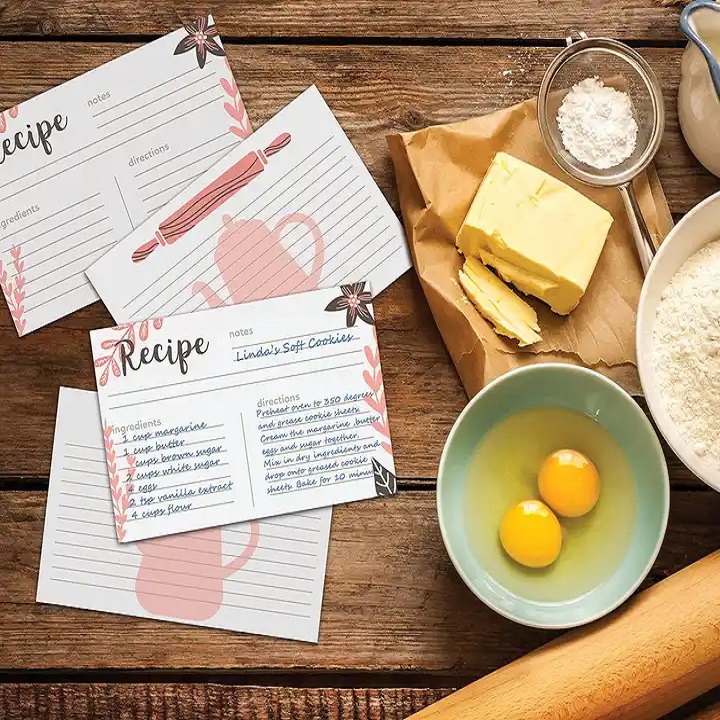
Step 9: Tips for Maintaining Longevity
To ensure your cards stand the test of time:
Laminate them or store in protective sleeves.
Keep away from direct sunlight and moisture.
Reprint backups annually for heavy-use recipes.
Consider scanning digital copies to preserve content.
XingKun’s protective lamination and coating options help shield designs from wear and tear, extending the beauty and convenience of your recipe collections.
Advantages of Choosing XingKun Printing Products
When quality, customization, and reliability matter, XingKun Printing Products stands out as the ideal partner for creating custom recipe cards. Based in BaoAn District, Shenzhen, XingKun specializes in bespoke paper products tailored to creative and professional needs.
Key advantages include:
Custom design flexibility: every size, color, or paper texture can be tailored to your vision.
Premium material sourcing: only the best, eco-friendly papers and inks are used.
Cutting-edge printing technology: delivers precision alignment and vivid imagery.
Personalized service: from consultation to delivery, clients receive one-to-one support.
Fast turnaround and shipping: efficient production schedules meet domestic and international deadlines.
With XingKun Printing Products, your recipe cards become more than stationery—they become lasting expressions of your passion for food, art, and family tradition.
Frequently Asked Questions
1. What is the best paper weight for recipe cards?
The ideal weight is between 250 and 350 gsm, offering both sturdiness and flexibility for everyday handling.
2. Can I design my recipe cards digitally before printing?
Absolutely. XingKun supports both digital design uploads and physical proofs to ensure your card layout appears exactly as intended.
3. Are recipe cards waterproof?
While paper itself isn’t waterproof, lamination or gloss coating offered by XingKun provides excellent resistance to spills and stains.
4. Do you offer eco-friendly printing options?
Yes. XingKun advocates sustainability by offering recycled papers, soy-based inks, and efficient waste reduction practices.
5. Can I order small quantities for personal use?
Of course. XingKun handles both small custom batches and bulk production with consistent quality.
Conclusion
Designing and printing your own recipe cards can be a fulfilling creative journey. With the right vision, layout, and craftsmanship, each card becomes a cherished reminder of your culinary story. Partnering with XingKun Printing Products ensures every detail—from the texture of the cardstock to the vibrancy of the ink—is executed with care and expertise.
Whether you’re a home cook preserving family recipes or a culinary professional expanding your brand, custom recipe cards can transform cooking memories into timeless treasures—with XingKun by your side to bring your designs to life.


