Content Menu
● Why Powder Packaging Bags Matter
● What Makes a Good Powder Bag
>> Core performance requirements
● Common Bag Types for Powders
● Materials and Barrier Choices
>> Common material options
● Powder Product Use Cases
>> Typical applications
● Compliance and Labeling
>> Practical compliance checklist
● Design Tips That Improve Sales
● How to Choose the Right Supplier
>> Questions to ask before ordering
● Why OEM and ODM Matter
● Latest Industry Shifts
● How We Help Brands
● Conclusion
● FAQ
>> 1. What are Powder Packaging Bags used for?
>> 2. Which bag type is best for powder products?
>> 3. How do I protect powder from moisture?
>> 4. Are powder packaging bags suitable for export?
>> 5. What should I ask a packaging supplier before ordering?
>> 6. Can sustainable materials still protect powders well?
● References
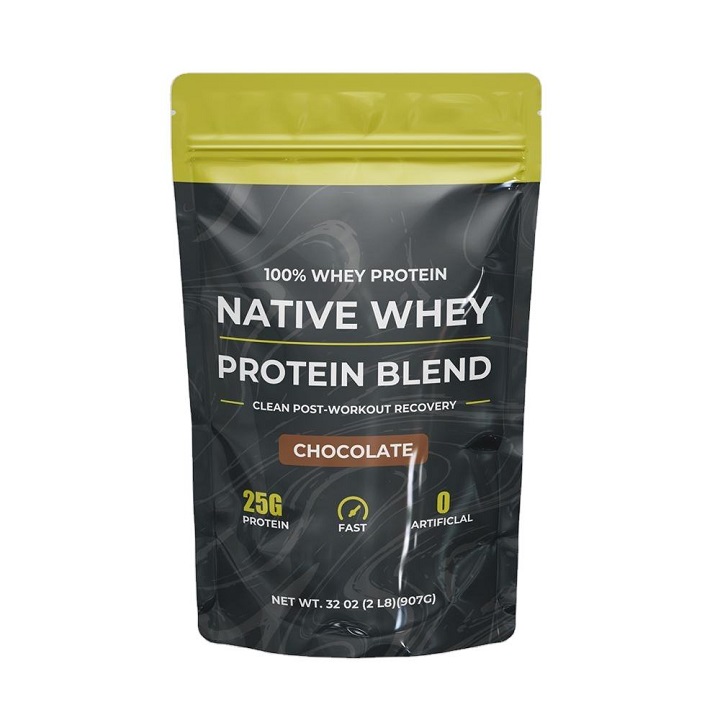
Powder Packaging Bags are one of the most efficient formats for protecting powder products, improving shelf appeal, and supporting scalable OEM/ODM production. For brands that sell food, nutraceutical, cosmetic, or household powder products, the right bag structure can directly affect freshness, dispensing experience, compliance, and conversion. [thepkglab]
Why Powder Packaging Bags Matter
Powders are harder to package than many solid products because they can absorb moisture, form clumps, release dust, and lose quality if exposed to oxygen or humidity. Barrier packaging is designed to reduce those risks by limiting moisture and air exposure, helping preserve stability during storage and transport. [codefine]
From a commercial perspective, powder packaging bags also serve as a brand-building tool. They are lighter than rigid containers, easier to ship, and more flexible for shelf-ready design, which makes them attractive for e-commerce, retail, and export markets. [unifiedflex]
What Makes a Good Powder Bag
A high-performing powder bag should do three things well: protect the product, support efficient filling, and communicate clearly on the shelf. In powder packaging operations, product flow, dust behavior, and bulk density are critical variables because they determine the right filling system, pouch shape, and production speed. [elismanufacturing]
The best structures usually combine multiple layers, each with a specific job. In barrier packaging, common layers include a printable outer layer, a barrier layer against moisture or oxygen, tie layers for adhesion, and a sealant layer for safe heat sealing and product-contact performance. [glenroy]
Core performance requirements
Moisture resistance. Essential for products like milk powder, baking mixes, protein powder, and seasoning blends. [thepkglab]
Oxygen barrier. Helps reduce oxidation, flavor loss, and aroma degradation. [edcosupply]
Seal integrity. A strong seal protects against leaks and contamination during shipping. [cdn.who]
Print quality. Clear branding and readable instructions improve usability and trust. [gmplabeling]
Mechanical strength. The bag must survive compression, vibration, and handling without failure. [cdn.who]
Common Bag Types for Powders
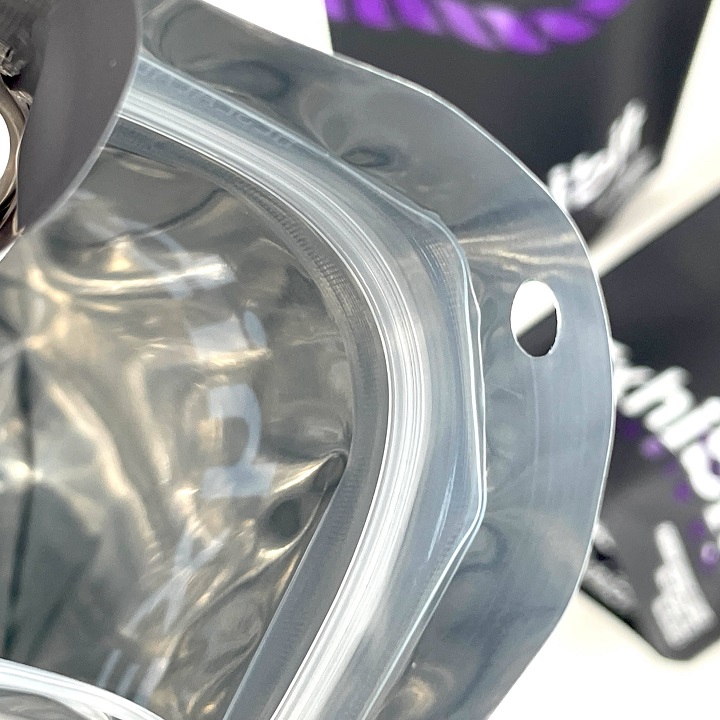
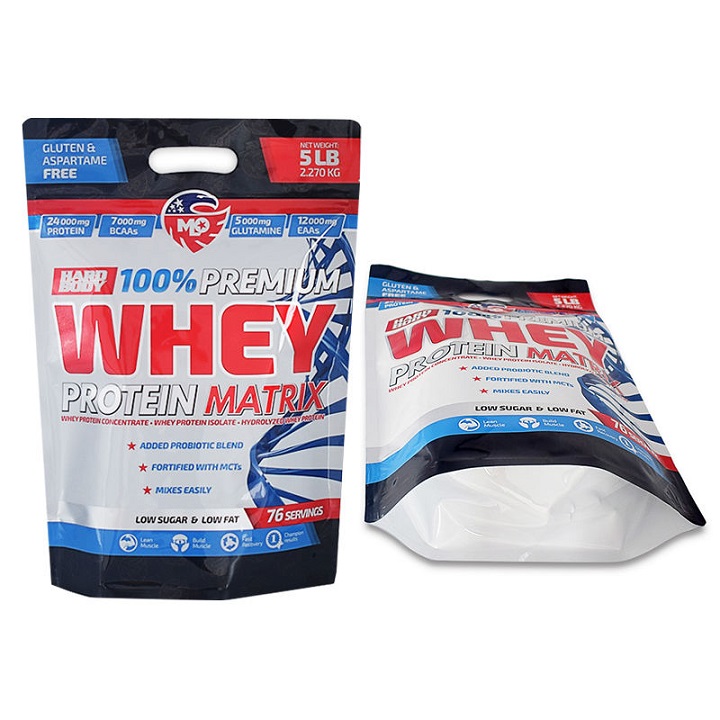
Different powder products need different formats. Single-serve sachets are ideal for samples or travel use, while stand-up bags work well for retail visibility and resealability. Bulk bags and larger pouches are better suited to high-volume industrial or wholesale supply. [elismanufacturing]
| Bag type | Best for | Main advantage |
| Stand-up pouch | Protein powders, drink mixes, supplements | Strong shelf presence and reseal options |
| Pillow bag | Single-use powders, fast-moving consumer goods | Material efficiency and lower packaging cost |
| Sachet | Samples, travel packs, trial sizes | Portability and portion control |
| Gusset bag | Larger powder volumes | Better capacity and storage efficiency |
| Flat pouch | Promotional packs, refill packs | Simple structure and good print area |
Pillow bags can be especially efficient because they often use less material than rigid tubs or cartons, which supports lower material use per unit and lighter shipping weight. [unifiedflex]
Materials and Barrier Choices
Material selection should start with the product's sensitivity. If the powder is hygroscopic, fragrant, or prone to caking, the packaging must provide stronger moisture control. If it is a food or supplement product, safety, compliance, and seal performance become just as important as visual appeal. [thepkglab]
Common material options
PET/PE laminates. A practical choice for many retail powders because they balance printability and sealability.
Kraft paper with inner barrier layers. Useful when brands want a more natural look while still protecting product quality.
Aluminum foil laminates. Suitable for high-barrier needs such as sensitive supplements or premium products.
Recyclable mono-material structures. Growing in popularity as sustainability goals and EPR expectations increase. [blog.bradyplus]
The global packaging industry is moving toward smarter, more sustainable, and more traceable systems, including automation, 2D barcodes, and digital packaging features. That trend is especially relevant for powder brands that sell across multiple markets and need flexible compliance and supply-chain visibility. [quantumpak]
Powder Product Use Cases
Powder Packaging Bags are used across a wide range of categories, and each category has different packaging priorities. Food powders need freshness and food-safe materials, cosmetics need fine-powder containment and attractive presentation, while detergents and cleaners often need stronger seals and better moisture protection. [edcosupply]
Typical applications
Protein and nutritional supplements.
Milk powder and beverage mixes.
Coffee, tea, and flavored powders.
Seasonings, spices, and seasoning blends.
Beauty and personal care powders.
Laundry, cleaning, and household powders. [elismanufacturing]
A useful rule is simple: the more sensitive the powder, the more important barrier performance and seal consistency become. For premium products, packaging often carries the first impression of quality before the customer ever opens the bag.
Compliance and Labeling
For regulated powders, packaging is not only about protection. It also has to support clear labeling, traceability, and proper storage instructions. GMP-oriented labeling guidance emphasizes product identity, manufacturing details, lot numbers, expiration dates, warnings, and readable instructions. [qualio]
WHO packaging guidance also stresses that the package must not react adversely with the product, leak, or allow unwanted permeation, and that it should protect the contents from chemical, biological, or physical contamination. [cdn.who]
Practical compliance checklist
1. Identify the product clearly.
2. Include lot and expiration information.
3. Show storage guidance and usage directions.
4. Use durable printing that stays legible.
5. Verify seals, materials, and label placement before launch. [gmplabeling]
For export brands, this is especially important because label requirements may differ by market. That is one reason many brands choose OEM/ODM partners that can support design, production, and compliance in one workflow.
Design Tips That Improve Sales
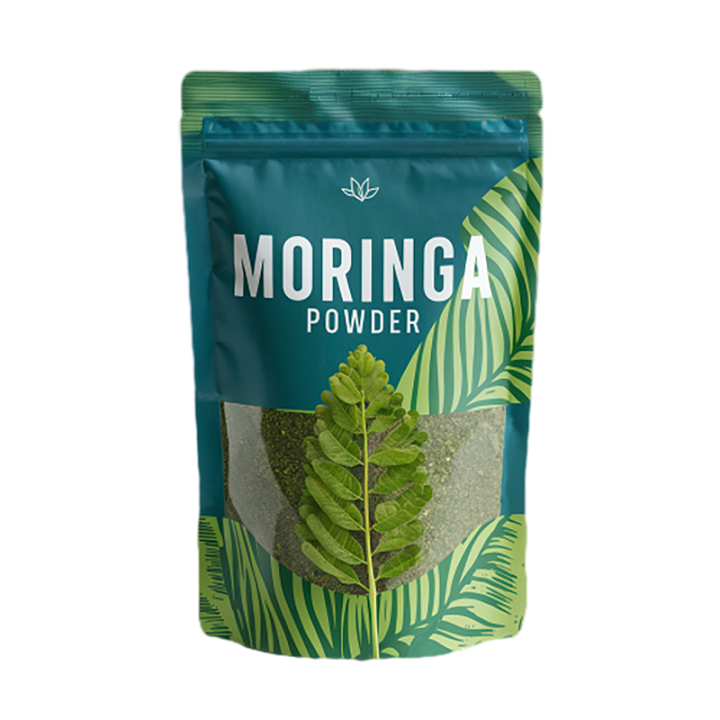
Great powder packaging should make the product easier to trust and easier to buy. Clean layouts, clear typography, and a strong visual hierarchy help shoppers understand the value proposition quickly, especially in competitive categories like supplements and food mixes. [emballageedr]
Here are practical UX-driven design choices that work well:
Use a clear front-panel message. State the powder type and key benefit immediately.
Keep the ingredient and usage panel readable. Good readability reduces confusion and customer support issues.
Reserve space for QR codes or traceability markers. Digital interaction is becoming more common in packaging. [blog.bradyplus]
Choose colors that fit the product category. Health, premium, natural, or functional cues should be consistent.
Avoid overloading the design. Minimalism often improves both premium perception and print efficiency. [emballageedr]
How to Choose the Right Supplier
The right supplier should understand both packaging engineering and brand presentation. If a manufacturer can only print the bag but cannot advise on film structure, sealing, filling behavior, or export requirements, the final result may look good but perform poorly in the market. [elismanufacturing]
Questions to ask before ordering
Can you recommend the right barrier structure for my powder?
Do you support custom sizes, custom printing, and zipper or spout options?
Can you handle small runs and scale-up production?
What quality checks do you use for sealing and leakage?
Can you help with OEM/ODM packaging development for export markets?
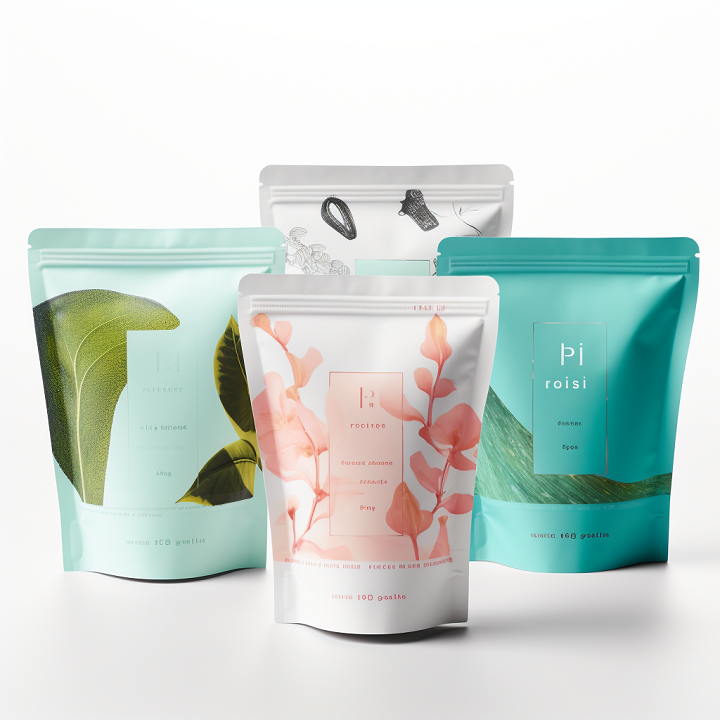
For brands sourcing from China, this is where an experienced factory partner adds real value. XingKun's custom packaging background can support not only bags, but also broader branded packaging systems that help unify product presentation across boxes, cards, books, stickers, and related retail materials.
Why OEM and ODM Matter
OEM and ODM services are valuable because they shorten development time and reduce packaging mistakes. OEM is ideal when a brand already has a defined structure and artwork, while ODM is better when the brand wants the factory to help develop a more complete packaging solution from concept to production. [einpresswire]
For powder products, this can mean faster sample development, more efficient material selection, and better alignment between the packaging format and the product's physical properties. It also helps international buyers work with one partner instead of coordinating design, sourcing, and production across multiple vendors.
Latest Industry Shifts
The powder packaging market is being shaped by three major shifts: sustainability, automation, and traceability. Packaging companies are increasingly adopting eco-friendly materials, digital labels, and smart packaging features that improve transparency and support compliance. [finance.yahoo]
At the same time, demand for lightweight packaging formats continues to grow because brands want lower shipping costs and more efficient warehouse handling. In parallel, barrier expectations remain high, since powders are highly sensitive to moisture and contamination. [codefine]
This creates a clear opportunity for brands that combine shelf appeal with technical performance. The winners in 2026 are likely to be those who treat packaging as both a protection system and a sales asset. [quantumpak]
How We Help Brands
If your brand needs Powder Packaging Bags for export, private label, or product launch, the best approach is to start with product behavior, not artwork. Once the powder's flow, sensitivity, and filling needs are understood, the package structure can be matched to the market and the brand goals. [cdn.who]
At Shenzhen XingKun Packing Products Co., Ltd., we support OEM and ODM packaging development for overseas brands, wholesalers, and manufacturers. We help clients create packaging that balances protection, print quality, and commercial performance across different industries and product types.
CTA: Send your product specifications, target market, and packaging idea for a custom recommendation, structure suggestion, and quotation.
Conclusion
Powder Packaging Bags are more than containers. They are a technical barrier, a branding platform, and a compliance tool in one format. The right bag can improve shelf life, reduce damage, support faster fulfillment, and make your product more competitive in a crowded market. [edcosupply]
FAQ
1. What are Powder Packaging Bags used for?
They are used to pack powdered products such as protein powder, milk powder, seasoning, coffee, cosmetics, and household cleaning powders. [elismanufacturing]
2. Which bag type is best for powder products?
Stand-up pouches are often best for retail powders, while sachets work well for samples and pillow bags are efficient for single-use packs. [unifiedflex]
3. How do I protect powder from moisture?
Use a barrier structure with moisture-resistant layers and strong heat seals, and choose materials suited to the product's sensitivity. [glenroy]
4. Are powder packaging bags suitable for export?
Yes, but export packaging should also consider labeling, traceability, durability, and market-specific compliance requirements. [qualio]
5. What should I ask a packaging supplier before ordering?
Ask about barrier structure, filling compatibility, print quality, sealing performance, customization options, and OEM/ODM support. [cdn.who]
6. Can sustainable materials still protect powders well?
Yes, but the material must be chosen carefully so sustainability goals do not compromise moisture barrier, seal strength, or shelf life. [finance.yahoo]
References
1. BradyPLUS. "What's Hot: Trends Driving the Packaging Industry in 2026." [https://blog.bradyplus.com/whats-hot-trends-driving-the-packaging-industry-in-2026] [blog.bradyplus]
2. Unified Flex. "Sustainable Food Powder Packaging: How the Falcon Makes It Possible." [https://unifiedflex.com/blog/sustainable-food-powder-packaging-why-the-falcon-makes-it-possible/] [unifiedflex]
3. Elys Manufacturing & Packaging Solutions. "Powder Manufacturing & Packaging." [https://www.elismanufacturing.com/powder-packaging/] [elismanufacturing]
4. The PKG Lab. "What Is Barrier Packaging and Why Is it Important to Food Manufacturers." [https://www.thepkglab.com/blog/104/what-is-barrier-packaging-and-why-is-it-important-to-food-manufacturers] [thepkglab]
5. GMP Labeling. "Guide to FDA Labeling Requirements and Packaging Regulations." [https://gmplabeling.com/compliance-insights/guide-to-fda-labeling-requirements-and-packaging-regulations/] [gmplabeling]
6. Codefine. "Moisture Barrier Packaging: How It Works & Best Materials." [https://codefine.com/blog/products-and-materials/what-is-a-moisture-barrier-material-for-packaging-a-guide/] [codefine]
7. Qualio. "All about GMP labeling: requirements and best practices." [https://www.qualio.com/blog/gmp-labeling] [qualio]
8. WHO. "Annex 9 Guidelines on packaging for pharmaceutical products." [https://cdn.who.int/media/docs/default-source/medicines/norms-and-standards/guidelines/regulatory-standards/trs902-annex9.pdf] [cdn.who]
9. Edco Supply. "What is Barrier Packaging? | Moisture Protection." [https://www.edcosupply.com/blog/what-is-barrier-packaging/] [edcosupply]
10. Glenroy. "Barrier Film Laminations Explained: Food, Pharma, and Pets." [https://www.glenroy.com/blog/barrier-film-laminations-explained-food-pharma-and-pets/] [glenroy]


