Content Menu
● Why "Print Your Own Book" Has Become a Serious Business Opportunity
● What You Need Before You Print Your Own Book
● Choosing the Right Book Format
>> Paperback Books
>> Hardcover Books
>> Spiral and Lay-Flat Books
>> Saddle-Stitched Books
● Paper, Ink, and Finishing Matter More Than Most People Think
>> Paper Selection
>> Printing Quality
>> Finishing Options
● Digital Printing vs Offset Printing
● How to Prepare a Book File for Production
● A Practical Workflow for Printing Your Own Book
● Why OEM and ODM Printing Partners Matter
● How Businesses Can Use Printed Books Strategically
>> For Brands
>> For Educational Companies
>> For Retail and Gift Businesses
>> For Publishers and Content Creators
● Industry Insight: What Buyers Often Miss
● Quality Control Checklist Before Mass Production
● How to Reduce Costs Without Losing Quality
● Why a Professional Manufacturing Partner Matters
● Conclusion
● FAQ
>> 1. What is the best format when I print my own book?
>> 2. How many pages can a book have?
>> 3. Is digital printing better than offset printing?
>> 4. What file format should I use for printing?
>> 5. Can I print books together with packaging or other products?
>> 6. How can I make my book look more premium?
● References
Print your own book is no longer a niche idea reserved for large publishers or experienced authors. Today, independent creators, brands, educators, and businesses can turn manuscripts, workbooks, children's books, activity books, catalogs, and premium gift editions into professionally printed products with the right printing partner.
For companies looking for reliable custom book printing, the real challenge is not whether printing is possible. The real challenge is choosing the right format, paper, binding, finishing, and supplier model so the final book looks professional, feels premium, and performs well in the market.
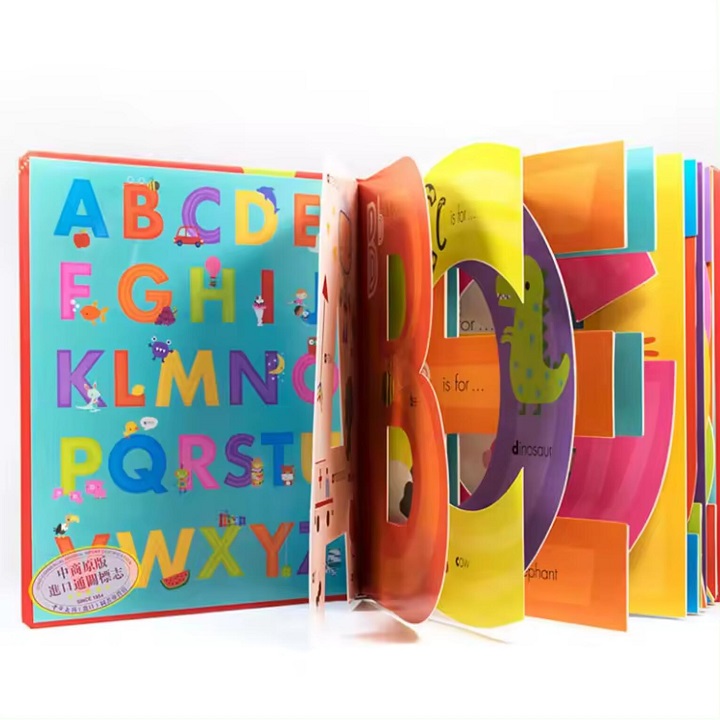
Why "Print Your Own Book" Has Become a Serious Business Opportunity
Printing your own book is now part of a much larger trend: brands want more control over content, product presentation, and customer experience. A book is no longer just a reading item. It can also be a marketing tool, a learning product, a retail product, a gift item, or a brand asset.
This matters because self-published and custom-printed books can serve multiple goals at once:
- They help authors publish faster.
- They give businesses a branded physical product.
- They support schools, tutors, and training providers.
- They create premium merchandise for events, campaigns, and subscriptions.
For B2B buyers, the value is even stronger. A well-produced book can be bundled with packaging boxes, stickers, or educational products to increase perceived value and improve margins. That is why many brands now work with OEM and ODM factories that can provide one-stop printing support.
What You Need Before You Print Your Own Book
Before placing an order, you need a clear plan for the book itself. The most common mistakes happen before production starts, not during printing.
You should define these core elements first:
1. Book purpose: novel, children's book, workbook, puzzle book, catalog, manual, or brand storybook.
2. Target reader: retail customers, students, collectors, distributors, or corporate clients.
3. Format: paperback, hardcover, spiral bound, saddle stitched, or lay-flat binding.
4. Page count: this affects binding choice, paper selection, and cost.
5. Print quantity: short-run, medium-volume, or bulk production.
6. Budget and timeline: these determine whether digital printing or offset printing is more suitable.
If you skip this step, the final product can look good technically but still fail commercially.
Choosing the Right Book Format
The format is one of the most important decisions when you print your own book. The binding and structure should match the book's purpose, page count, and audience expectations.
Paperback Books
Paperback books are one of the most flexible and cost-effective options. They are suitable for novels, journals, educational books, and many promotional publications.
They are usually faster to produce, lighter to ship, and easier to scale. For many self-publishers, paperback is the best balance between appearance and cost.
Hardcover Books
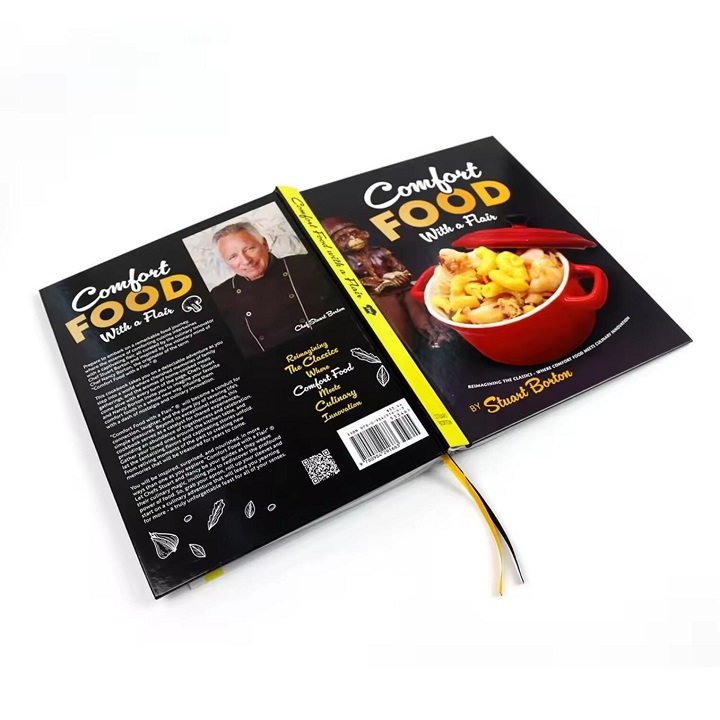
Hardcover books create a more premium impression. They are often used for collector editions, children's books, coffee-table books, reference books, and high-end brand publications.
If your goal is to increase perceived value, hardcover is usually the stronger choice. It also works well for products sold in gift markets.
Spiral and Lay-Flat Books
Spiral and lay-flat binding are practical for workbooks, manuals, cookbooks, and puzzle books. They keep the book open on a desk, which improves usability.
This format is especially useful when readers need to write, trace, solve, or reference pages repeatedly.
Saddle-Stitched Books
Saddle stitching works well for shorter books with fewer pages. It is often used for catalogs, magazines, brochures, and slim educational booklets.
It is economical and clean, but it is not suitable for thicker books.
Paper, Ink, and Finishing Matter More Than Most People Think
Many buyers focus on design and ignore production details. In reality, paper and finishing decisions strongly affect readability, durability, and brand perception.
Paper Selection
Different books need different paper types:
- Coated paper: better for color-heavy books, children's books, and visual content.
- Uncoated paper: better for writing, reading comfort, and text-heavy books.
- Thicker paper: better for premium books, art books, and children's books.
- Lighter paper: better for long books and lower shipping costs.
The wrong paper can make text too reflective, images too dull, or pages too thin.
Printing Quality
For professional results, consistency matters as much as sharpness. A good printing partner should maintain color accuracy, alignment, trimming precision, and clean binding.
In OEM and ODM production, quality control is especially important because the book may need to match a brand's packaging set, retail presentation, or seasonal launch.
Finishing Options
Finishing can transform an ordinary book into a premium product. Common options include:
- Matt lamination for a soft, elegant look.
- Gloss lamination for brighter visual impact.
- Spot UV for selective shine.
- Foil stamping for luxury appeal.
- Embossing or debossing for texture and depth.
These details are especially effective for branded books, gift books, and retail-ready editions.
Digital Printing vs Offset Printing
When you print your own book, choosing between digital and offset printing is essential. The right choice depends on your quantity, budget, and quality goals.
| Printing Method | Best For | Strengths | Limitations |
| Digital printing | Small runs, test copies, fast turnaround | Lower setup cost, flexible quantities, quick proofing | Higher unit cost at scale |
| Offset printing | Medium and large runs | Better unit economics, stable color consistency, professional finish | Higher setup cost, less flexible for tiny runs |
If you are testing a new title, digital printing is often the smarter start. If you already know demand is strong, offset printing usually delivers better long-term value.
How to Prepare a Book File for Production
A beautiful book can still fail if the print file is poorly prepared. File preparation is one of the most overlooked parts of the process.
To avoid problems, make sure your files include:
- Correct trim size.
- Proper bleed.
- Safe margins.
- High-resolution images.
- Embedded fonts.
- Print-ready PDF format.
- Correct page order and spine calculations.
You should also review the file on a physical print proof whenever possible. Screens do not always show color, contrast, and image sharpness accurately.
For brands producing children's books, puzzle books, or educational titles, file accuracy is even more important because layout errors can affect both usability and safety perception.
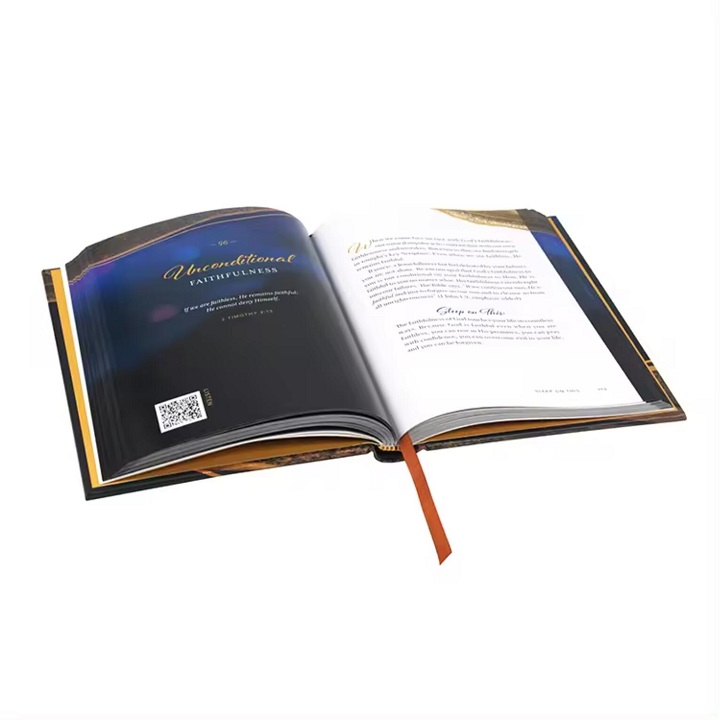
A Practical Workflow for Printing Your Own Book
A smooth production process usually follows a clear workflow. This helps reduce mistakes, delays, and rework.
1. Define the project brief.
Identify book type, size, audience, quantity, and target unit cost.
2. Prepare the manuscript and layout.
Work with a designer or in-house team to build the final interior and cover.
3. Choose materials and binding.
Select paper, cover style, lamination, and finishing options.
4. Request a sample or proof.
Confirm appearance, color, page order, and binding strength.
5. Start full production.
After approval, the factory proceeds with printing, binding, cutting, and packing.
6. Inspect and ship.
Check consistency, package securely, and arrange delivery.
This process is simple in theory, but execution quality is what separates a good supplier from an unreliable one.
Why OEM and ODM Printing Partners Matter
For overseas brands, wholesalers, and manufacturers, working with an OEM or ODM book supplier can save time and simplify product development. Instead of coordinating paper sourcing, printing, cutting, binding, packaging, and logistics separately, you get a more integrated workflow.
That matters because a printing project is rarely just about the book. It may also involve:
- Custom packaging boxes.
- Insert cards.
- Stickers or labels.
- Gift sets.
- Retail display preparation.
- Export packing requirements.
A factory that can support multiple product categories gives brands more control over the final presentation. This is especially useful for product launches, subscription boxes, education kits, retail promotions, and seasonal campaigns.
How Businesses Can Use Printed Books Strategically
Printed books are not only for authors. Many companies use them as part of a larger brand strategy.
For Brands
A branded book can tell a company story, explain a product line, or educate customers. It can also support premium positioning.
For Educational Companies
Workbooks, activity books, and learning guides can reinforce learning outcomes while creating an additional revenue stream.
For Retail and Gift Businesses
Premium books can be bundled with other physical products to increase basket value and customer satisfaction.
For Publishers and Content Creators
Self-publishing lets creators move faster, test concepts, and retain more control over design and margins.
The best results usually come when the book is designed as part of a broader product ecosystem, not as a standalone item.
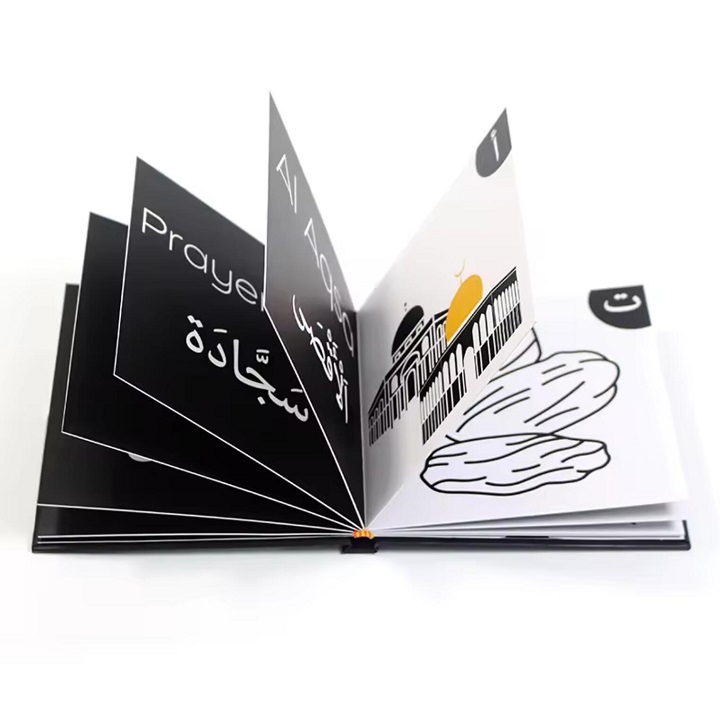
Industry Insight: What Buyers Often Miss
One of the most common mistakes is treating book printing as a one-time transaction. Smart buyers think in terms of product lifecycle.
That means asking questions such as:
- Can this book be reprinted easily?
- Is the format scalable for future editions?
- Can the same supplier support matching packaging?
- Does the book fit into a wider product line?
- Will the materials hold up during shipping and retail display?
These questions matter because long-term success depends on consistency, not just a single successful print run.
Another overlooked factor is audience experience. A book may look attractive, but if it opens poorly, smudges easily, or feels cheap in hand, the customer experience weakens immediately.
Quality Control Checklist Before Mass Production
Before approving a large order, check the following:
- Cover alignment is correct.
- Images print clearly.
- Colors are consistent.
- Binding is secure.
- Pages turn smoothly.
- Text is readable.
- Finishing is even.
- Packaging protects the books during transit.
A factory-level QC process should look beyond appearance and verify structure, durability, and shipment readiness.
How to Reduce Costs Without Losing Quality
Cost control is important, especially for businesses that print books at scale. But the cheapest option is rarely the best one.
You can reduce costs by:
- Choosing a standard size.
- Optimizing page count.
- Matching paper choice to the use case.
- Avoiding unnecessary finishing.
- Ordering in larger quantities.
- Combining books with other printed items in one shipment.
The goal is not to cut quality. The goal is to remove waste. When the production plan is well-designed, you can keep the book attractive while still protecting margins.
Why a Professional Manufacturing Partner Matters
If you want to print your own book at a serious commercial level, the supplier matters as much as the design. A professional partner should provide more than machines. They should provide process discipline, communication, and export experience.
Look for a partner that can support:
- Custom specifications.
- Stable print quality.
- Flexible order volumes.
- Multiple binding styles.
- Packaging integration.
- OEM and ODM services.
- International shipping support.
That combination reduces risk and helps you launch faster.
Conclusion
To print your own book successfully, you need more than a manuscript and a printer. You need a clear product strategy, the right materials, strong file preparation, and a supplier who understands both print quality and commercial execution.
For authors, brands, educators, and wholesalers, custom book printing is now a practical way to build value, strengthen branding, and create market-ready products. When your book is produced with the right format, paper, finishing, and QC process, it becomes more than a printed item. It becomes a professional business asset.
Call to action: If you are planning to print your own book for retail, education, gifting, or brand promotion, work with a manufacturing partner that can handle books, packaging boxes, stickers, and related printed products in one integrated workflow.
FAQ
1. What is the best format when I print my own book?
The best format depends on the use case. Paperback is ideal for affordability and flexibility, while hardcover is better for premium branding and gift editions.
2. How many pages can a book have?
That depends on binding type and paper thickness. Very short books work well with saddle stitching, while thicker books usually need perfect binding or hardcover binding.
3. Is digital printing better than offset printing?
Digital printing is usually better for small runs and fast samples. Offset printing is more cost-effective for larger quantities and consistent batch production.
4. What file format should I use for printing?
A print-ready PDF with correct bleed, margins, embedded fonts, and high-resolution images is usually the safest choice.
5. Can I print books together with packaging or other products?
Yes. Many brands bundle books with custom boxes, inserts, stickers, or cards to create stronger retail and gift products.
6. How can I make my book look more premium?
Use stronger paper, clean layout design, laminated covers, foil stamping, spot UV, or hardcover binding for a more upscale feel.
References
1.48 Hour Books, "How to Market Your Book with SEO,"
2. QinPrinting, "Custom Puzzle Book Printing,"
3. QinPrinting, "Custom Jigsaw Puzzles,"
4. One Plus One Packaging, "OEM Paper Packaging Manufacturer,"
5. XingKun LinkedIn Company Page,
6. GetPrintBox, "The Strategic SEO Guide For Print & POD,"


