Content Menu
● Understanding the Singapore Bumper Sticker Market
● Why Focus on Bumper Stickers Manufacturers and Suppliers
● Materials Used by Bumper Stickers Manufacturers and Suppliers
● Printing Technologies in the Bumper Sticker Industry
● Leading Types of Bumper Stickers Manufacturers and Suppliers in Singapore
● Role of Overseas OEM Factories in the Supply Chain
● Key Selection Criteria When Sourcing Bumper Stickers Manufacturers and Suppliers
● Typical Order Process with Bumper Stickers Manufacturers and Suppliers
● Application Scenarios Beyond Car Bumpers
● Advantages of Working with Integrated Print and Packaging Partners
● Long‑Term Strategy for Buyers in the Bumper Sticker Segment
● Conclusion
● FAQ
>> 1. What is the best material for long‑lasting bumper stickers?
>> 2. How can small brands work effectively with bumper stickers manufacturers and suppliers?
>> 3. What information should be prepared before requesting a quotation?
>> 4. How do OEM factories and Singapore printers typically cooperate on bumper sticker projects?
>> 5. How can buyers ensure color consistency across repeat orders?
Understanding the Singapore Bumper Sticker Market
Singapore has a dynamic print and signage ecosystem that strongly supports Bumper Stickers Manufacturers and Suppliers serving both domestic and overseas customers. The city's strategic position in Southeast Asia, advanced logistics, and multilingual workforce make it a natural hub for brands targeting diverse Asian markets with car decals and bumper graphics.
Demand comes from political campaigns, lifestyle brands, tourism operators, schools, non‑profits, and corporate fleets that use vehicles as mobile billboards. Buyers expect high color accuracy, strong durability under tropical weather, and fast turnaround times for both small campaigns and large regional rollouts. As a result,Bumper Stickers manufacturers and suppliers in Singapore emphasize professional pre‑press support, flexible order quantities, and reliable after‑sales service.
Why Focus on Bumper Stickers Manufacturers and Suppliers
Bumper stickers manufacturers and suppliers play a key role in outdoor brand visibility because a single car can deliver thousands of impressions each day in dense urban traffic. For marketers, custom bumper stickers are a low‑cost, long‑lasting alternative to short‑term digital ads. This drives steady demand for dependable production partners who can balance price, quality, and lead time.
For wholesalers and importers, partnering with experienced bumper stickers manufacturers and suppliers unlocks stable profit margins and repeat orders. Repeatable color, accurate cutting, and consistent adhesive performance reduce complaints and returns, which is crucial when shipping stickers to distant markets or selling through online platforms. Strong suppliers also help buyers refine artwork and material choices to optimize both cost and performance.
Materials Used by Bumper Stickers Manufacturers and Suppliers
Professional bumper stickers manufacturers and suppliers generally prefer vinyl rather than basic paper, especially for vehicle use. Premium PVC or cast vinyl resists moisture, UV exposure, and temperature changes, maintaining both color vibrancy and structural integrity over time. This makes it suitable for cars, vans, trucks, and motorcycles that are constantly exposed to sun and rain.
Adhesives are carefully selected so that bumper stickers stay firmly attached but can often be removed without heavily damaging paintwork when done properly. Many manufacturers also provide options such as removable adhesives for temporary campaigns, or extra‑strong adhesives for long‑term branding on commercial fleets. Matching the adhesive to the substrate—painted metal, glass, or plastic bumpers—is one of the most important decisions during the ordering process.
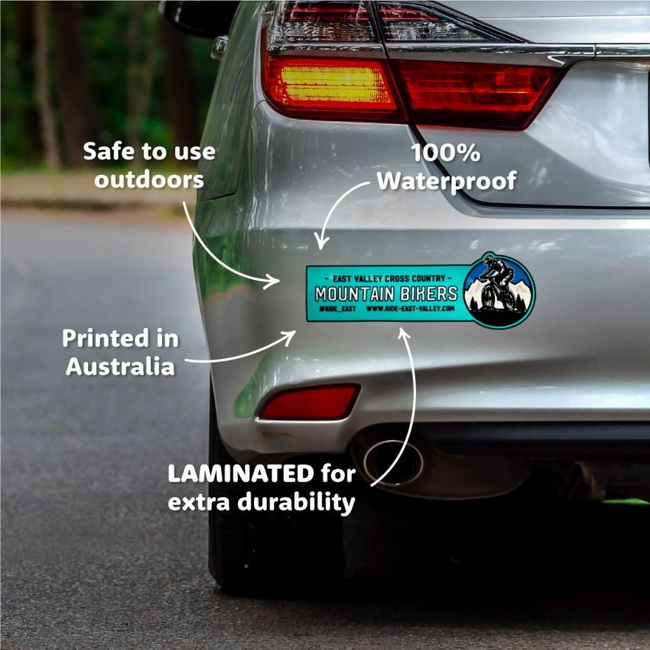
Lamination is another common feature among quality bumper stickers manufacturers and suppliers. A clear matte or gloss film protects the printed layer from scratches, fuel splashes, mild detergents, and car washes. Matte lamination helps reduce glare and gives a premium feel, whereas gloss lamination enhances color saturation and creates a shiny finish that stands out in traffic.
Printing Technologies in the Bumper Sticker Industry
Most modern bumper stickers manufacturers and suppliers rely on digital printing for small to medium runs, especially when artwork contains gradients, photographs, or variable data such as unique codes or license information. Digital technology allows quick setup, economical short runs, and rapid artwork changes between campaigns without plate‑making costs.
For high‑volume production, some suppliers also operate flexographic or offset printing lines. These traditional methods can deliver very low unit costs for large wholesale orders, provided the design is relatively stable and predictable. Large brands and political organizations often combine both approaches: digital printing for test runs and pilot markets, then flexo or offset printing once designs are finalized for mass distribution.
Finishing capabilities help differentiate bumper stickers manufacturers and suppliers. Common value‑added processes include die‑cutting to create custom shapes, kiss‑cutting on sheets for easy peeling, and contour‑cutting for logo outlines. Advanced cutting tables and plotters allow intricate designs, enabling brand owners to transform simple rectangles into memorable, eye‑catching forms that enhance perceived value.
Leading Types of Bumper Stickers Manufacturers and Suppliers in Singapore
Singapore hosts several categories of companies that collectively form a strong network of bumper sticker providers. Understanding these categories helps overseas buyers select suitable partners.
- General commercial printers that also offer sticker printing as part of a broader catalog of business cards, brochures, and signage.
- Specialist sticker and label converters focusing on pressure‑sensitive materials, industrial labels, and vehicle graphics.
- Online‑only print platforms that aggregate demand, provide instant quotes, and outsource production to trusted trade printers.
- Design‑driven boutique studios that support smaller but higher‑margin runs for lifestyle brands, events, and premium campaigns.
Because the market is diverse, buyers can match their needs to the right type of bumper stickers manufacturers and suppliers. Large wholesalers may prefer industrial converters with strong capacity, while smaller brands might value the flexibility and personal service of boutique or online‑focused providers.
Role of Overseas OEM Factories in the Supply Chain
While Singapore offers excellent service and quality control, many global buyers still look to China and neighboring countries for cost‑effective mass production. Here, OEM factories complement Singapore's front‑end services by providing high‑capacity printing and finishing at competitive prices.
Shenzhen XingKun Packing Products Co., Ltd is an example of such a manufacturing partner with broad printing and packaging capabilities. The company focuses on custom display stands, paper boxes, plastic boxes, notebooks, playing cards, flash cards, stickers, labels, and booklets, and also undertakes a significant amount of OEM work for overseas brands. Its experience with diverse printed formats means it can adapt existing sticker production know‑how to specific bumper sticker requirements, including outdoor durability and brand‑correct color.
By integrating Singapore's design, sales, and logistics strengths with the scalable production of specialized OEM factories, buyers can build a blended supply chain. Singapore‑based teams handle client communications, proofing, and regional distribution, while factories in Shenzhen and other industrial hubs carry out bulk printing, converting, and export packing. This model allows bumper stickers manufacturers and suppliers to keep per‑unit costs attractive without sacrificing service levels.
Key Selection Criteria When Sourcing Bumper Stickers Manufacturers and Suppliers
When a buyer searches internationally for reliable bumper stickers manufacturers and suppliers, several criteria deserve close attention. Price is important but should never be evaluated in isolation.
First, assess print quality by reviewing physical samples. Check solid colors for banding, gradients for smooth transitions, and text for sharpness at small sizes. Accurate color reproduction is vital when stickers feature brand logos or official emblems. Second, evaluate material quality by testing sticker flexibility, adhesive strength, and surface finish. A well‑made vinyl bumper sticker should feel robust but not brittle, and should adhere evenly without bubbles or wrinkles when applied correctly.
Third, analyze the supplier's communication and project management capabilities. Efficient bumper stickers manufacturers and suppliers provide clear quotations, detailed specifications, and realistic lead times. They offer pre‑press guidance on bleed, resolution, and file formats, preventing delays caused by artwork issues. Fourth, confirm quality assurance processes and willingness to remake or discount defective batches. Clear policies reduce risk for long‑distance buyers.
Typical Order Process with Bumper Stickers Manufacturers and Suppliers
Working with professional bumper stickers manufacturers and suppliers usually follows a structured process that helps both parties avoid misunderstandings.
1. Initial inquiry and specification
The buyer outlines size, quantity, material preference, lamination, and intended application. Suppliers may suggest adjustments to improve durability or reduce cost.
2. Quotation and sampling
The supplier issues a detailed quotation including per‑unit price, tooling or setup fees, shipping estimates, and lead times. Many bumper stickers manufacturers and suppliers provide either digital proofs or physical samples for color and material confirmation before mass production.
3. Artwork preparation and approval
Designers finalize artwork to match printer specifications. This may include adding bleed, setting safe margins, converting fonts to outlines, and using appropriate color profiles. The supplier then generates a soft proof or printed sample for final approval.
4. Mass production and quality control
Once approved, the order enters production. Quality checks are carried out during printing, cutting, and packing stages to catch color shifts, mis‑registration, or cutting errors. Reliable bumper stickers manufacturers and suppliers document these checks for large or recurring orders.
5. Packing, shipping, and after‑sales service
Finished products are packed in moisture‑resistant cartons with clear labels, then shipped via air, sea, or courier depending on urgency. Good suppliers remain responsive after delivery to handle feedback, resolve issues, and discuss reorders or new campaigns.
Application Scenarios Beyond Car Bumpers
Though the term “bumper sticker” suggests car bumpers, actual usage is much broader. Bumper stickers manufacturers and suppliers often produce decals for windows, laptops, helmets, equipment cases, and retail fixtures. The same outdoor‑grade vinyl and adhesive combinations perform well in many environments, allowing creative marketing ideas.
Fleet operators place branded graphics on delivery vans, trucks, and motorcycles to reinforce recognition in neighborhoods. Tourist attractions and museums produce souvenir stickers for visitors, which then travel worldwide on suitcases and devices. Non‑profits and advocacy groups distribute message‑driven stickers at events, turning supporters' vehicles and belongings into moving billboards. With the right designs and messaging, even a small run from specialized bumper stickers manufacturers and suppliers can create outsized visibility.
Advantages of Working with Integrated Print and Packaging Partners
Companies that handle not only stickers but also paper boxes, plastic boxes, notebooks, and playing cards can provide more comprehensive branding solutions. Instead of coordinating with separate vendors for packaging, promotional items, and bumper stickers, buyers can centralize print procurement. This is particularly convenient for overseas brands managing complex launch schedules.
Shenzhen XingKun Packing Products Co., Ltd belongs to this integrated category, offering a wide mix of printed goods under one roof. By consolidating multiple SKUs—such as branded boxes, promotional flash cards, labels, and bumper stickers—with a single OEM partner, buyers reduce administrative overhead and freight fragmentation. It also becomes easier to maintain consistent color management and material quality across all printed touchpoints.
Long‑Term Strategy for Buyers in the Bumper Sticker Segment
Brands, wholesalers, and e‑commerce sellers that plan to grow in the bumper sticker segment should treat supplier relationships as strategic assets rather than purely transactional. Stable cooperation with experienced bumper stickers manufacturers and suppliers leads to better pricing, priority production slots, and collaborative product development.
Over time, suppliers become familiar with the buyer's brand guidelines, packaging formats, and regional compliance requirements. This familiarity shortens lead times, reduces error rates, and enables suppliers to proactively suggest improvements—such as switching to more eco‑friendly materials or adjusting dimensions to reduce waste. Developing multi‑year partnerships, possibly with both a Singapore‑based coordination hub and one or more OEM factories, helps future‑proof the supply chain.
Conclusion
Singapore offers a mature ecosystem of bumper stickers manufacturers and suppliers that combines advanced printing technology, professional service, and strong regional logistics. Whether buyers require short‑run digital jobs for local campaigns or long‑run production for global distribution, the market can accommodate a wide spectrum of requirements.
By pairing Singapore's front‑end strengths with scalable OEM production from integrated factories such as Shenzhen XingKun Packing Products Co., Ltd, brands and wholesalers can achieve both quality and cost efficiency. Careful supplier selection, clear technical specifications, and structured order processes enable smooth, repeatable bumper sticker procurement. For businesses that rely on outdoor visibility and mobile branding, investing time in finding the right bumper stickers manufacturers and suppliers is a critical foundation for long‑term success.

FAQ
1. What is the best material for long‑lasting bumper stickers?
For vehicle use, high‑quality vinyl is generally considered the best material because it resists water, UV light, and temperature changes better than basic paper stocks. A laminated vinyl bumper sticker with outdoor‑grade adhesive typically delivers the longest service life.
2. How can small brands work effectively with bumper stickers manufacturers and suppliers?
Small brands should look for suppliers that support low minimum order quantities and digital printing. Clear communication about target applications, budget, and timelines helps the supplier recommend suitable materials and finishes without over‑engineering the product.
3. What information should be prepared before requesting a quotation?
Before contacting bumper stickers manufacturers and suppliers, prepare approximate quantity, size, shape, material preference, lamination choice, artwork file format, and destination country. Providing these details upfront allows the supplier to issue a precise quotation and realistic lead time estimate.
4. How do OEM factories and Singapore printers typically cooperate on bumper sticker projects?
A common model is for Singapore printers or trading companies to handle client communications, design refinement, and final quality checks, while OEM factories in China manage mass production and export packing. This division leverages the service strengths of Singapore and the manufacturing efficiency of specialized plants.
5. How can buyers ensure color consistency across repeat orders?
Buyers should request that bumper stickers manufacturers and suppliers maintain detailed production records, including color profiles, ink sets, and substrate specifications. Supplying Pantone references or approved physical samples, and asking for pre‑production proofs on every repeat order, greatly improves color consistency over time.


