Content Menu
● Introduction
● The Evolution of Coupon Cards
● Why Coupon Cards Matter in 2025
● XingKun: Customization Strengths for Coupon Cards
● Designing Coupon Cards for Maximum Impact
● In-Store Experience and Foot Traffic
● Digital Transformation and Analytics
● The Role of Sustainability in Coupon Cards
● Case Studies: Real-World Applications
● Practical Tips for Running a Coupon Card Campaign
● The Future of Coupon Cards
● Conclusion
● FAQ
Introduction
In the fast-paced world of consumer brands, coupon cards have emerged as a versatile instrument for driving engagement, increasing foot traffic, and boosting sales. They blend tangible value with digital reach, offering a bridge between physical experiences and online tracking. This article explores the evolving role of coupon cards in marketing strategies, the practical benefits they offer to businesses, and how you can maximize their impact with well-designed, purpose-driven campaigns. We will also highlight XingKun’s customization capabilities, a company that specializes in crafting high-quality, tailored coupon cards to meet diverse business needs. By focusing on design, durability, data capture, and seamless distribution, XingKun helps brands transform ordinary promotions into memorable customer experiences.
The Evolution of Coupon Cards
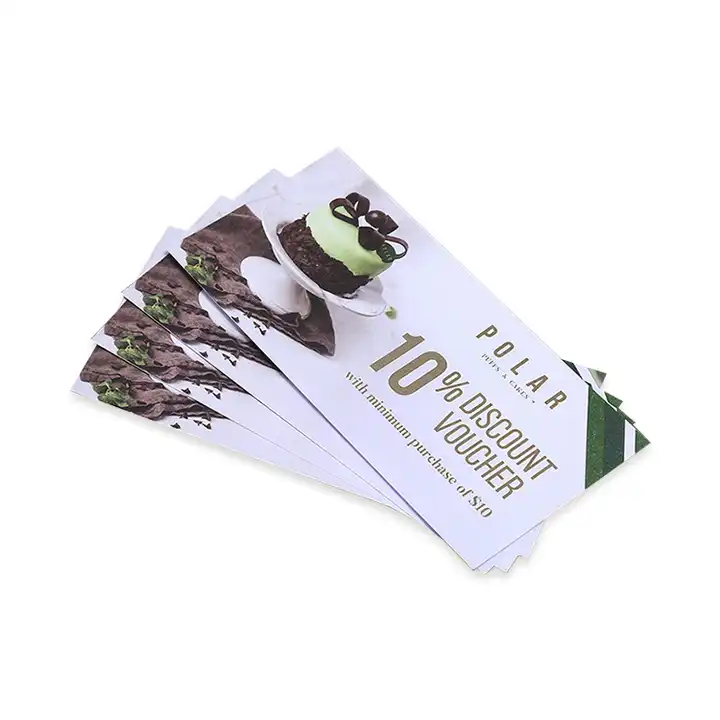
Coupon cards have a long history dating back to early consumer promotions, but their form and function have evolved dramatically. Originally, coupons were printed in newspapers or mailed in envelopes. Today, coupon cards come in a variety of formats, including:
Loyalty-style cards that offer ongoing savings to repeat customers
Limited-time promotion cards tied to seasonal campaigns
Event or product launch cards that create urgency and exclusivity
Digital-physical hybrids that integrate QR codes, NFC, or mobile wallet compatibility
Each format serves a distinct purpose, but all share one core objective: incentivize action while leaving a positive impression of the brand.
Why Coupon Cards Matter in 2025
Coupon cards remain relevant because they combine tangible value with measurable outcomes. They can drive immediate sales and support longer-term relationship-building. The following factors contribute to their effectiveness:
Tangible presence: A physical card is a constant reminder in a shopper’s wallet or purse.
Traceability: Codes, QR scans, and trackable promotions enable precise attribution.
Personalization: Customized offers can reflect customer preferences and shopping history.
Omnichannel synergy: Coupon cards work across in-store, online, and curbside experiences.
Cost efficiency: When designed well, coupon cards offer a favorable cost-per-acquisition compared to other marketing channels.
XingKun: Customization Strengths for Coupon Cards
XingKun specializes in creating customized coupon cards that align with brand identity and marketing goals. Their strengths include:
Tailored design language: XingKun translates brand aesthetics into coupon card visuals, ensuring consistency with packaging, point-of-sale materials, and digital channels.
Durable materials: They offer a range of card stock, finishes, and coating options to endure daily handling and long promotional periods.
Data-rich formats: XingKun can embed scannable codes, NFC, or QR-enabled features that feed into customer relationship management (CRM) and loyalty platforms.
Flexible sizing and shapes: From standard business-card dimensions to uniquely shaped cards, XingKun supports creative concepts without sacrificing practicality.
Compliance and security: They implement anti-fraud measures, secure encoding, and compliance with relevant consumer protection standards.
Fast turnarounds: Efficient production pipelines help brands capitalize on time-sensitive campaigns.
Sustainable options: Eco-friendly materials and printing processes reduce environmental impact.
Designing Coupon Cards for Maximum Impact
A successful coupon card program requires thoughtful planning across several dimensions:
Clear value proposition: Communicate the discount, offer tiering, or bundled deals in a concise, compelling way.
Simple redemption: Ensure the redemption process is straightforward for both customers and staff.
Strong branding: Use consistent colors, typography, and messaging that reinforce brand recognition.
Visual hierarchy: Place key information (offer, expiration, code) in prominent positions to guide user behavior.
Data capture: Incorporate fields or codes that enable tracking while respecting consumer privacy.
Redemption analytics: Track redemption rate, incremental lift, and average order value to measure success.
In the context of XingKun’s capabilities, every coupon card can be engineered to maximize these elements. For example, select finishes like matte lamination for a premium feel or a UV-coated highlight to draw attention to the promo code. Integrate a QR code that leads customers to a landing page with personalized offers, ensuring data from the campaign can be analyzed for future optimization.
In-Store Experience and Foot Traffic
Coupon cards are particularly effective at driving foot traffic when placed at high-visibility points such as entrance displays, checkout counters, and product aisles. They can be distributed through:
In-store promotions: Counter drops, product packaging inserts, or stand displays featuring the coupon card.
Mobile integration: QR codes or NFC tags that direct customers to mobile experiences, such as digital wallets or app onboarding.
Event activations: Booth promotions at trade shows or store openings with limited-time offers.
XingKun’s printed coupon cards pair well with digital campaigns to create a cohesive omnichannel experience. The result is a higher likelihood that customers will visit a store to redeem the offer, engage with staff, and explore related products.
Digital Transformation and Analytics
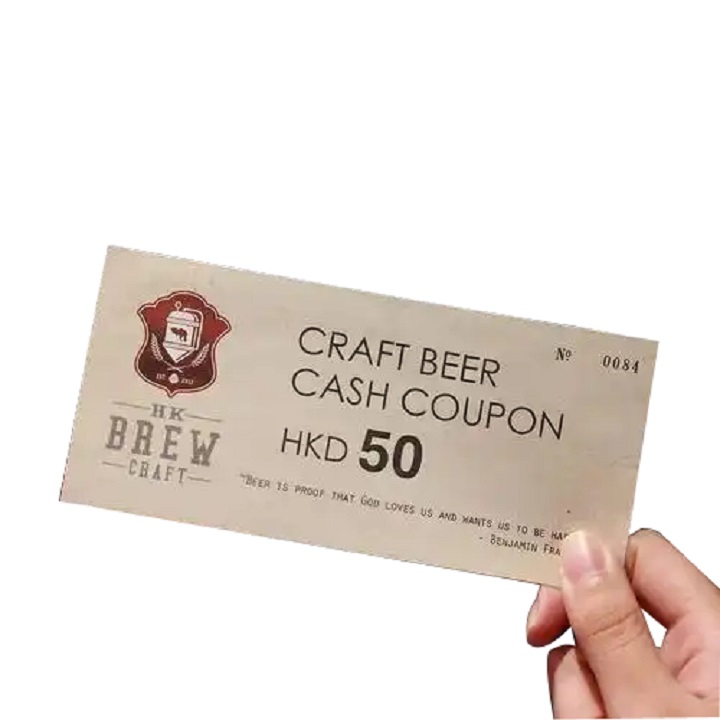
The modern marketer benefits from the ability to blend physical coupons with digital analytics. Coupon cards can be integrated into CRM systems, loyalty programs, and marketing automation platforms. Key metrics to monitor include:
Redemption rate: The percentage of distributed cards that are redeemed.
Incremental sales: Additional revenue generated by the coupon card beyond baseline sales.
Customer acquisition cost (CAC): The cost to acquire a new customer via the coupon card promotion.
Average order value (AOV): The average value of orders containing redeemed coupons.
Redemption timing: How quickly customers redeem coupons after receiving them.
XingKun supports these analytics by providing scannable codes and integration-ready formats that feed data into existing systems. This enables marketers to optimize campaigns in real time and deliver more personalized experiences in future promotions.
The Role of Sustainability in Coupon Cards
Sustainability is increasingly important to consumers. Coupon cards can be produced with environmentally friendly materials and processes without sacrificing quality. XingKun offers sustainable options such as recycled paper stocks, soy-based inks, and responsible finishing techniques. Choosing sustainable materials can also convey a brand’s commitment to social responsibility, which resonates with eco-conscious shoppers.
Case Studies: Real-World Applications
Case Study 1: A mid-tier fashion retailer used customized coupon cards to drive a seasonal sale. The cards, designed by XingKun, featured a premium finish and a scannable QR code that directed customers to a personalized landing page. The result was a measurable uptick in foot traffic and a lift in online conversions when customers paired the card with a mobile coupon.
Case Study 2: A beauty brand integrated coupon cards into its loyalty program. The cards provided exclusive offers to members and included a QR code linking to a rewards catalog. The combination of tangible discounts and digital engagement boosted repeat purchases and increased program enrollment.
Case Study 3: A grocery chain deployed coupon cards at checkout with an NFC-enabled option for digital wallets. Redemption data was synchronized with the chain’s POS system, enabling precise attribution and better inventory planning.
Note: The above case studies illustrate typical outcomes achieved through strategic coupon card campaigns. Specific results depend on market conditions, campaign design, and execution quality.
Practical Tips for Running a Coupon Card Campaign
Start with a clear objective: Is the goal to increase foot traffic, boost online orders, or promote a new product line?
Align with brand guidelines: Ensure the coupon card design mirrors existing marketing materials for brand cohesion.
Test and iterate: Run A/B tests on offers, codes, and visuals to determine what resonates best with the target audience.
Plan distribution strategically: Place cards where target customers are most likely to encounter them—seasonal events, product packaging, or partner stores.
Protect against fraud: Use unique codes, batch tracking, and validation rules to minimize misuse.
Measure and optimize: Establish a dashboard to monitor redemption rates, CAC, AOV, and incremental lift, then adapt campaigns accordingly.
Highlight sustainability: If applicable, emphasize eco-friendly materials and responsible production to strengthen brand narrative.
XingKun can assist at every stage—from concept and design to production and analytics integration—ensuring a seamless, high-quality coupon card program that reflects your brand’s values and objectives.
The Future of Coupon Cards
As consumer engagement strategies evolve, coupon cards will continue to adapt. Potential developments include:
Smart cards with advanced secure elements for more robust data capture
Multi-channel campaigns that integrate direct mail, in-store experiences, and digital platforms
Personalization at scale using AI-driven content and offers
Advanced analytics that provide granular attribution and predictive insights
XingKun remains at the forefront of customization, offering adaptable solutions that accommodate these trends. By focusing on design quality, data integration, and sustainability, XingKun helps brands create coupon card programs that resonate with today’s consumers and deliver measurable results.
Conclusion
Coupon cards offer a compelling mix of tangible value and digital precision. When designed and executed with purpose, they can drive traffic, boost sales, and deepen customer relationships. XingKun’s customization capabilities enable brands to craft coupon cards that reflect their identity, deliver on promised value, and integrate smoothly with existing marketing ecosystems. With thoughtful design, robust data capture, and sustainable production options, coupon cards can be a cornerstone of a successful marketing strategy.
FAQ
Q1: What makes coupon cards effective for both online and in-store promotions?
A1: Coupon cards provide a tangible reminder in physical form while directing customers to digital experiences via codes, QR, or NFC, enabling seamless omnichannel promotions and measurable attribution.
Q2: How does XingKun ensure design quality across different runs?
A2: XingKun employs standardized production workflows, color management, quality checks, and adaptable finishing options to ensure consistency from batch to batch.
Q3: Can coupon cards be customized for sustainability goals?
A3: Yes. XingKun offers recycled materials, soy-based inks, and environmentally responsible finishing options to align with sustainability initiatives without compromising quality.
Q4: What types of data can be captured with coupon cards?
A4: Data can include redemption codes, scan counts, and links to personalized landing pages, with integration into CRM or loyalty platforms for analytics.
Q5: How should I measure the success of a coupon card campaign?
A5: Track redemption rate, incremental lift, CAC, AOV, and return on investment (ROI). Use these metrics to optimize future campaigns and refine targeting.


