Content Menu
● Why Jewelry Brands Need Specialized Jewelry Box Manufacturing
● Core Jewelry Box Types And Structures You Should Offer
>> 1. Rigid Jewelry Gift Boxes
>> 2. Foldable Cardboard Jewelry Boxes
>> 3. Drawer & Slide‑Out Jewelry Boxes
>> 4. Travel & Portable Jewelry Boxes
● Key Materials And Finishes For Custom Jewelry Boxes
>> Paper & Board
>> Inner Inserts
>> Surface Finishes
● OEM & ODM Process: How A Professional Jewelry Box Manufacturer Works
>> Step 1: Requirement Collection & Consultation
>> Step 2: Structural Design & Dieline
>> Step 3: Sampling & Color Proof
>> Step 4: Mass Production & Quality Control
>> Step 5: Packing, Logistics & After‑Sales
● Quality Standards And Testing For Jewelry Boxes
● How Jewelry Packaging Influences Brand Perception And Sales
● Sustainable And Eco‑Friendly Jewelry Box Options
● How To Choose The Right Jewelry Box Manufacturer: A Practical Checklist
>> 1. Verify Real Factory Capabilities
>> 2. Evaluate Communication & Technical Support
>> 3. Review Sampling Quality
>> 4. Assess Lead Time & Flexibility
>> 5. Consider Total Cost, Not Just Unit Price
● Example Specification Table For Custom Jewelry Boxes
● Content And SEO Strategies For "Jewelry Box Manufacturer"
>> Target Keywords To Integrate Naturally
>> On‑Page SEO Best Practices
>> E‑E‑A‑T Enhancements
● UX Recommendations For Your Jewelry Box Manufacturer Page
● Clear Call To Action: Work With A Dedicated Jewelry Box Manufacturer
● Call to action:
● FAQ: Jewelry Box Manufacturer
>> 1. What information do I need to prepare before requesting a quotation?
>> 2. Can you help with design if I only have a logo?
>> 3. What is the usual MOQ for custom jewelry boxes?
>> 4. How long does sampling and mass production take?
>> 5. Can you produce eco‑friendly jewelry boxes for EU and US markets?
● References
When a brand, wholesaler, or jewelry factory searches for a Jewelry Box Manufacturer, they are usually looking for a long‑term, reliable partner, not a one‑time supplier. They expect:
- Consistent quality in printing, materials, color accuracy, and structural strength.
- Professional OEM & ODM support, from design consulting to sampling and mass production.
- Competitive pricing with clear cost breakdowns and flexible MOQs (minimum order quantities).
- Reliable lead time and logistics, including export experience and shipping options.
- Sustainable materials and certifications, especially for EU/US markets.
- Responsive communication, in fluent English, with clear technical guidance.
As a factory like Shenzhen XingKun Packing Products Co., Ltd., highlighting 20+ years of experience in custom printing, playing cards, puzzles, books, stickers, and packaging boxes helps build trust and signals that you understand complex print and structural requirements for luxury packaging.
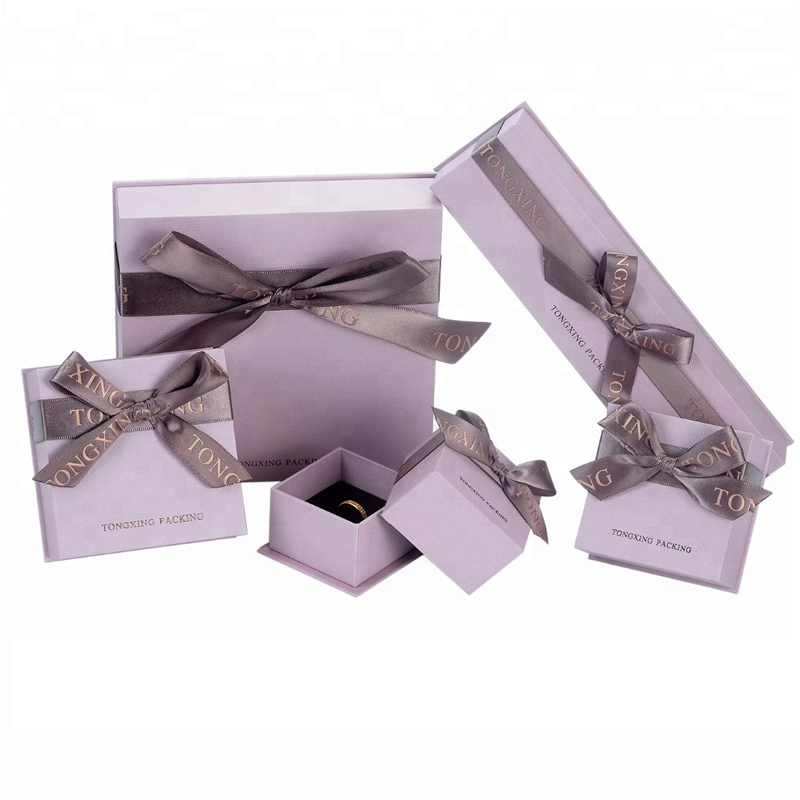
Why Jewelry Brands Need Specialized Jewelry Box Manufacturing
Generic box makers rarely understand the specific needs of jewelry brands. A specialist jewelry box manufacturer typically adds value in several ways:
- Precise fit for SKUs: Rings, earrings, necklaces, bracelets, watches, and sets each need different cavities, inserts, and depths.
- Protection of delicate items: Proper insert foam density, velvet flocking, and secure closures prevent scratches, tangling, or stone loosening.
- Luxury unboxing experience: Textures, opening force, magnetic "click," and internal printing all influence perceived product value.
- Brand consistency across collections: Color, logo application, and structural language must be consistent, even as designs evolve.
- Regulatory and labeling needs: For export markets, barcodes, QR codes, composition labels, and recycling marks must be printed correctly.
A strong product page or landing page for "Jewelry Box Manufacturer" should explain these value points from a practical, engineering and branding perspective, not just generic marketing language.
Core Jewelry Box Types And Structures You Should Offer
To attract search traffic and convert leads, clearly showcase the main jewelry box categories you manufacture, with simple explanations that non‑technical buyers can understand.
1. Rigid Jewelry Gift Boxes
Rigid boxes are the most common for mid‑ to high‑end jewelry brands.
- Materials: Greyboard or chipboard wrapped with art paper, specialty paper, faux leather, or fabric.
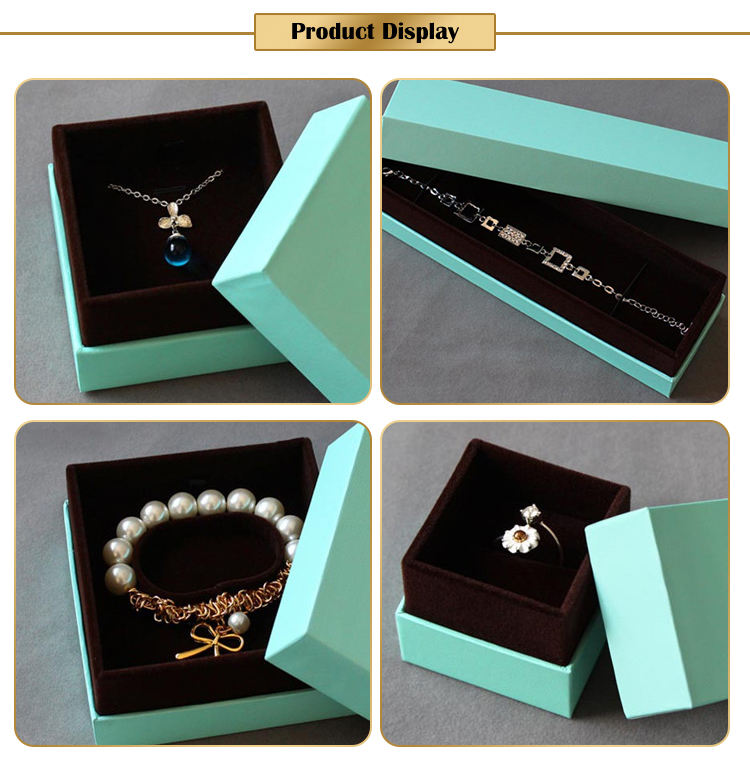
- Styles: Lift‑off lid, shoulder box, drawer box, clamshell, book‑style magnetic box.
- Best for: Rings, pendants, earrings, small sets, gift collections.
- Advantages: High perceived value, excellent protection, strong customization options.
2. Foldable Cardboard Jewelry Boxes
For brands sensitive to shipping volume, foldable boxes are essential.
- Materials: Thick paperboard with lamination or specialty finishes, sometimes with magnetic closures.
- Features: Delivered flat to save freight and warehouse space, assembled by hand at destination.
- Best for: Online jewelry sellers, subscription boxes, promotional campaigns.
3. Drawer & Slide‑Out Jewelry Boxes
Drawer and slide‑out structures are popular with modern DTC jewelry brands.
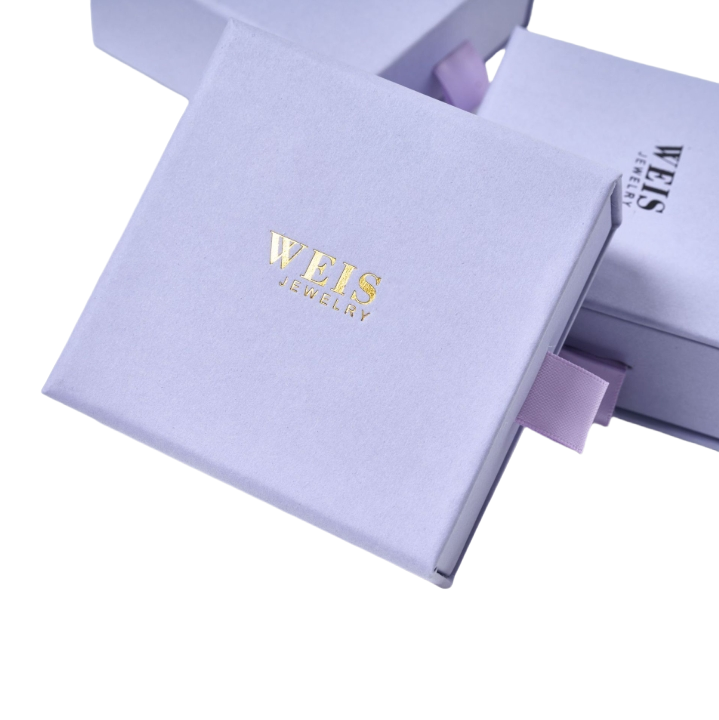
- Advantages: Premium unboxing, easy to reuse as storage, more branding space on inner drawer.
- Design options: Ribbon pulls, thumb cuts, multiple inner compartments for sets or bundles.
4. Travel & Portable Jewelry Boxes
If you can produce these, mention them clearly.
- Types: Small PU/leather boxes, zippered cases, foldable jewelry organizers.
- Use cases: Travel kits, VIP gifts, upsell accessories.
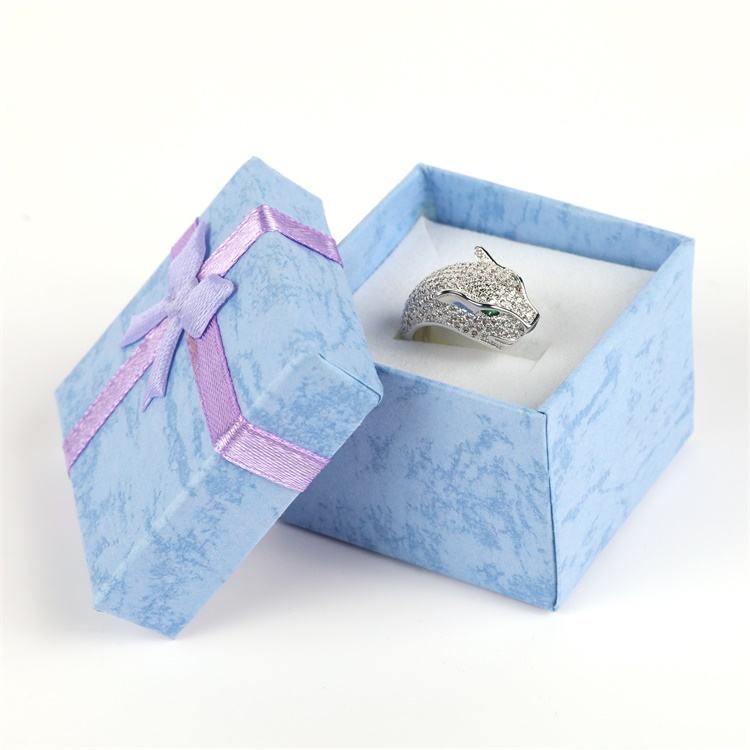
Key Materials And Finishes For Custom Jewelry Boxes
A buyer searching "Jewelry Box Manufacturer" wants reassurance that your factory can match their desired look, feel, and durability. Explain materials in a way that shows experience:
Paper & Board
- Greyboard / Chipboard: Core structure for rigid boxes, common thickness 1.0–3.0 mm depending on size and weight.
- Art paper: For full‑color CMYK printing and complex designs.
- Specialty paper: Textured, pearlescent, metallic, kraft, linen, or soft‑touch surfaces.
Inner Inserts
- Foam: EVA or EPE foam, wrapped in velvet or fabric, CNC‑cut or die‑cut for precise cavities.
- Paperboard inserts: Cost‑effective for light items, good for mass retail jewelry.
- Velvet / flocked plastic: Traditional luxury look for rings and earrings.
Surface Finishes
- Matte or gloss lamination: Protection against scratches and fingerprints.
- Foil stamping: Gold, silver, holographic, or custom colors for logos and patterns.
- Embossing / debossing: Tactile logo, pattern, or brand monogram.
- Spot UV: Gloss highlights on logos or patterns for contrast.
- Soft‑touch coating: Smooth, "rubberized" feel for luxury brands.
When you describe these on your website, use clear photos, simple comparisons, and explain how each option influences cost, MOQ, and brand impression.
OEM & ODM Process: How A Professional Jewelry Box Manufacturer Works
To satisfy high‑intent B2B buyers, you should clearly explain your OEM/ODM workflow in your content. This demonstrates professionalism and operational maturity.
Step 1: Requirement Collection & Consultation
- Product list (SKU types, sizes, weights).
- Brand positioning (entry, mid, luxury) and target markets.
- Packaging budget per unit and target retail price.
- Desired materials, finishes, and sustainability requirements.
- Order quantity and timeline.
Here, show that your engineers and sales team can propose structures and materials that balance cost and brand image.
Step 2: Structural Design & Dieline
- Your engineers create box structures and inserts based on jewelry dimensions and protection needs.
- Provide dieline files so the client's designer can place artwork.
- For ODM (your existing designs), adapt sizes, colors, and logo applications.
Emphasize that you use professional CAD or structural design tools and that all edges, tolerances, and folding lines are engineered to survive international shipping.
Step 3: Sampling & Color Proof
- White sample (structure test only) to confirm size and construction.
- Printed sample (full color + finishes) to confirm artwork and color.
- PP sample (pre‑production sample from mass‑production settings) before full run.
Explain your color management: Pantone matching, digital proof vs. offset proof, and how you minimize color deviation between sample and bulk.
Step 4: Mass Production & Quality Control
- Incoming material inspection (board thickness, paper GSM, foam density).
- On‑line inspection during printing, lamination, and die‑cutting.
- Final inspection (AQL standard) on assembly, glue lines, scratch marks, logo alignment, and smell.
Describing this process in detail is a powerful E‑E‑A‑T signal that you are a real manufacturer with mature systems, not a middleman.
Step 5: Packing, Logistics & After‑Sales
- Packing methods: single OPP bag, inner carton, export master carton.
- Carton marks and palletization according to client requirements.
- Support for FOB, CIF, DDP terms via sea, air, or courier.
- After‑sales: process for handling defects, remake or compensation policies.
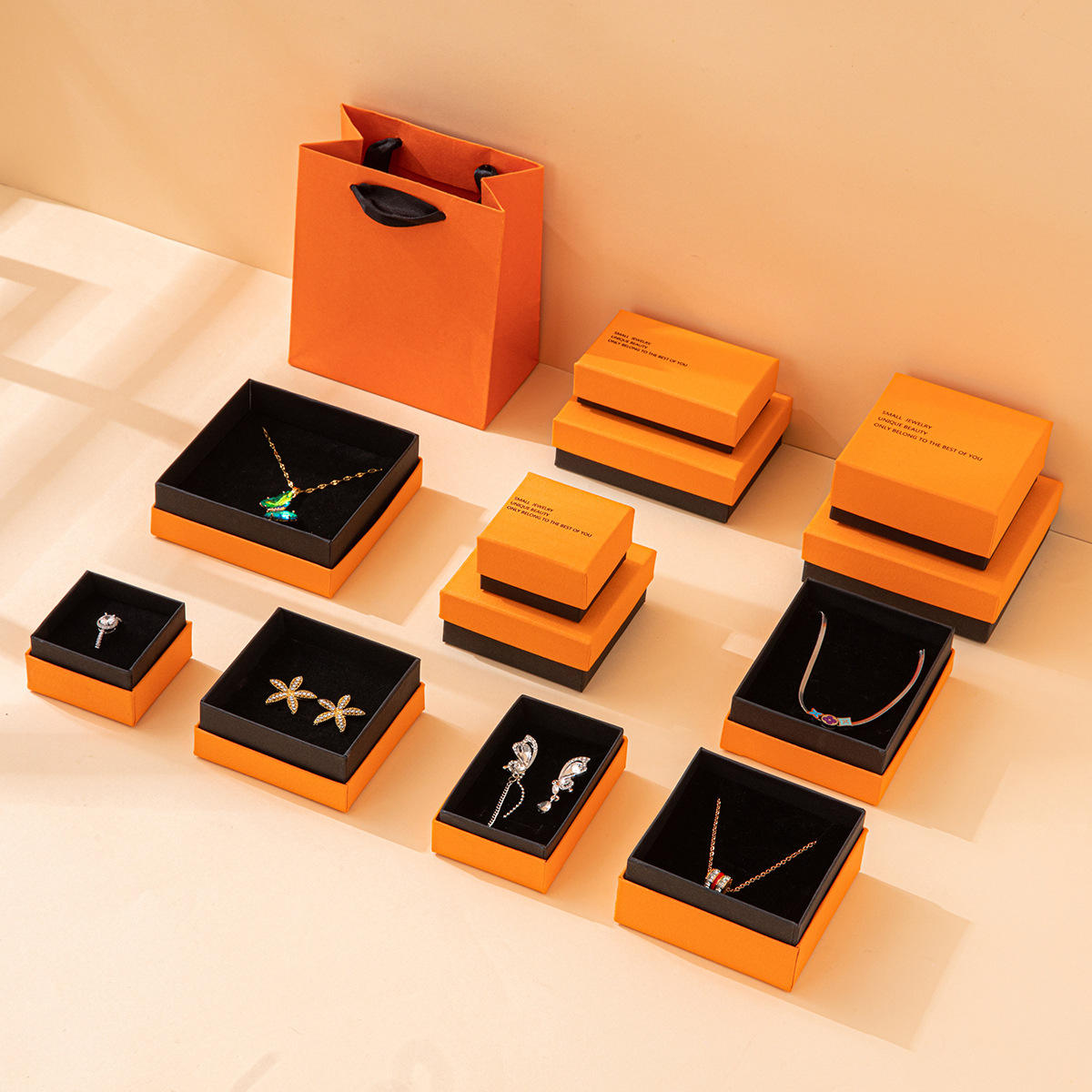
Quality Standards And Testing For Jewelry Boxes
Serious buyers expect clear quality guarantees. Include a section on standards and tests you apply:
- Drop tests: Simulate transportation damage to check structure and inserts.
- Rub & adhesion tests: Make sure foil, UV, and printing do not peel off.
- Color consistency checks: Random sampling from different stacks and days.
- Odor test: Especially important for high‑end brands; inks, glues, and foams must meet VOC and odor expectations.
- Dimensional tolerance: Keep internal dimensions within tight tolerances so inserts fit perfectly.
If you work with EU/US brands, mention experience with REACH, RoHS, FSC, or other certifications and your ability to provide supporting documents from material suppliers.
How Jewelry Packaging Influences Brand Perception And Sales
A good jewelry box manufacturer should think beyond the box itself and understand how packaging affects sales:
- Perceived value: A heavy, well‑finished box with precise edges and rich textures makes the jewelry feel significantly more expensive.
- Social media & gifting: Attractive boxes increase unboxing posts and word‑of‑mouth on platforms like Instagram, TikTok, and Pinterest.
- Brand recall: Consistent color, logo placement, and structural language across collections make your brand instantly recognizable.
- Return rate & damage rate: Proper protection reduces broken chains, scratched pieces, or lost stones during shipping, which directly affects profit.
- Sustainability perception: Visible eco‑labels, recycled materials, and clear disposal instructions build trust with eco‑conscious customers.
Explain these impacts in plain language with examples (e.g., upgrading from a thin paper box to a rigid magnetic box increased perceived value and allowed a brand to raise retail prices).
Sustainable And Eco‑Friendly Jewelry Box Options
More jewelry brands now search for eco‑friendly jewelry box manufacturers. This is a strong long‑tail keyword area and an important trust factor.
You can highlight:
- Recycled paper and board: FSC‑certified, post‑consumer recycled content.
- Soy‑based or water‑based inks where feasible.
- Plastic‑free inserts: Molded paper pulp or cardboard inserts instead of foam or plastic.
- Minimalist designs: Less lamination and coating for better recyclability.
- Clear recycling guidance printed on the box bottom or inside flap.
If you already produce eco‑friendly packaging for other industries (cosmetics, food, gifts), mention that experience and how it transfers to jewelry.
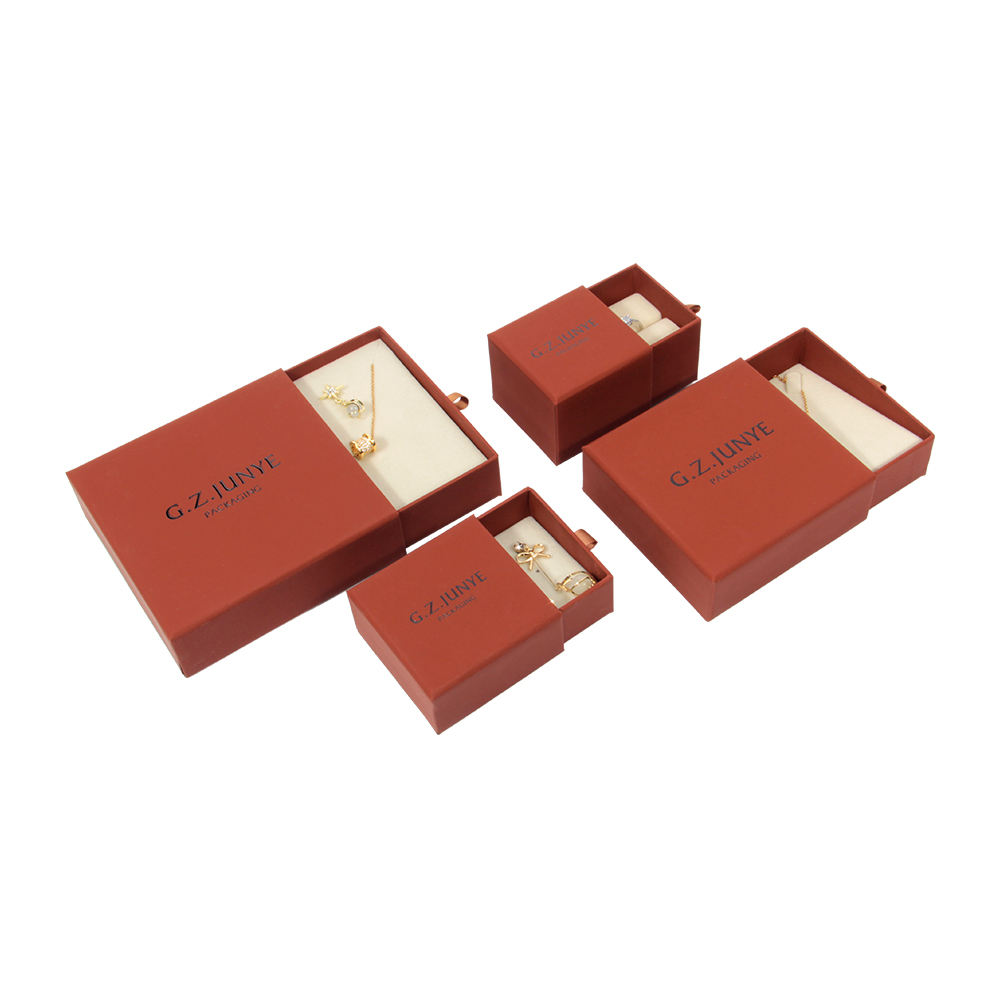
How To Choose The Right Jewelry Box Manufacturer: A Practical Checklist
A helpful, high‑E‑E‑A‑T article should give buyers a checklist they can actually use. This increases dwell time and positions you as a trusted advisor.
1. Verify Real Factory Capabilities
- Do they have real photos and videos of printing machines, die‑cutters, lamination, and assembly lines?
- Can they show case studies or examples of similar jewelry clients?
- Are they open to factory visits or third‑party inspections?
2. Evaluate Communication & Technical Support
- Do they ask detailed questions about your jewelry, channels, and brand?
- Can they read and understand your technical drawings or provide their own?
- Do they proactively suggest cost‑saving or quality‑improving alternatives?
3. Review Sampling Quality
- Is the sample close to what you expect from mass production?
- Are colors, logos, and finishes accurate and consistent?
- Do they provide multiple options for comparison (different materials or finishes)?
4. Assess Lead Time & Flexibility
- Standard sampling time for a jewelry box is often 5–10 days; production 20–35 days depending on complexity.
- Can they handle urgent orders or schedule production around your launch dates?
- Do they clearly explain how Chinese holidays and peak seasons affect timelines?
5. Consider Total Cost, Not Just Unit Price
- Check tooling costs (molds, cutting dies, embossing plates).
- Compare sample fees, shipping methods, and packing standards.
- Ask about long‑term price stability and how raw material changes are handled.
Example Specification Table For Custom Jewelry Boxes
Providing a simple spec table on your page helps buyers quickly understand your standard ranges and makes your page more scannable.
| Item | Typical Options / Range |
| Box type | Rigid lid‑and‑base, drawer, book‑style, foldable |
| Applications | Ring, earring, necklace, bracelet, watch, sets |
| Board thickness | 1.0–3.0 mm depending on size and weight |
| Paper & wrap materials | Art paper, specialty paper, kraft, PU, fabric |
| Printing | CMYK offset, Pantone spot color, hot foil, UV |
| Finishes | Matte/gloss lamination, foil, emboss, deboss |
| Inserts | Foam + velvet, cardboard, molded pulp |
| MOQ | Commonly from hundreds to several thousand |
| Sampling time | Around 3–7 working days |
| Mass production time | Around 10–25 working days after sample approval |
Content And SEO Strategies For "Jewelry Box Manufacturer"
To rank for Jewelry Box Manufacturer and related long‑tail keywords, your content must serve both buyers and search engines.
Target Keywords To Integrate Naturally
Core keyword:
- Jewelry Box Manufacturer
Long‑tail and supporting keywords (use naturally in headings, bullets, and body text):
- custom jewelry box manufacturer
- wholesale jewelry box supplier
- luxury jewelry box factory in China
- OEM jewelry packaging boxes
- custom printed jewelry gift boxes
- eco friendly jewelry box manufacturer
- custom ring box, necklace box, earring box
- magnetic closure jewelry box
- rigid jewelry packaging manufacturer
On‑Page SEO Best Practices
- Use the core keyword once in the H1, and naturally in early paragraphs.
- Use secondary keywords in H2/H3 sub‑headings and bullet lists.
- Include clear meta title and meta description focused on buyers' intent.
- Add alt text to product images (e.g., "luxury rigid jewelry gift box manufacturer in China").
- Link internally to related pages (e.g., "custom packaging box", "gift box", "printed cards").
E‑E‑A‑T Enhancements
- Add a company story: when founded, factory location (e.g., Shenzhen), main product ranges.
- Show team expertise: photos or bios of engineers, designers, and QC managers.
- Display certifications and client logos (if permitted).
- Publish case studies: before/after packaging upgrades, cost optimization, sustainability improvements.
UX Recommendations For Your Jewelry Box Manufacturer Page
From a user‑experience perspective, the content should be clear, scannable, and action‑oriented.
- Use short paragraphs and clear headings so buyers can skim.
- Place key benefits and trust signals above the fold (experience, OEM/ODM, export markets, certifications).
- Provide contact CTAs at multiple points: top banner, mid‑page, and at the end.
- Offer a simple RFQ form asking for box type, size, quantity, budget, and timeline.
- Include a downloadable PDF catalog or spec sheet for jewelry boxes.
- Use a live chat or quick reply option for urgent questions.
Clear Call To Action: Work With A Dedicated Jewelry Box Manufacturer
If you are a jewelry brand, wholesaler, or factory looking for a long‑term jewelry box manufacturer, the next step should be simple:
- Share your jewelry types, quantities, and target markets.
- Tell us your budget range and brand positioning.
- Send any reference photos or boxes you like.
As a dedicated OEM & ODM factory with deep experience in custom packaging, printing, and structural design, we can help you develop custom jewelry boxes that protect your products, elevate your brand, and control your total cost from concept to delivery.
Call to action:
Send us your project details today to get a free structural suggestion and quotation for your next jewelry box collection.
FAQ: Jewelry Box Manufacturer
1. What information do I need to prepare before requesting a quotation?
You should prepare basic box size or jewelry size, preferred materials, printing and finish requirements, quantity, and target delivery date. Reference photos or existing boxes you like are also very helpful.
2. Can you help with design if I only have a logo?
Yes. An experienced jewelry box manufacturer can provide structural design and simple graphic layout based on your logo, brand colors, and reference styles, then send dielines for your designer if needed.
3. What is the usual MOQ for custom jewelry boxes?
MOQ depends on box type and materials, but most factories set minimums from several hundred to a few thousand pieces per size or design, in order to keep unit costs reasonable.
4. How long does sampling and mass production take?
Sampling often takes around 5–10 working days after confirming details, and mass production typically requires 20–35 working days depending on the complexity of the design and order quantity.
5. Can you produce eco‑friendly jewelry boxes for EU and US markets?
Yes. Many manufacturers can offer FSC‑certified paper, recycled board, and eco‑friendly inks, and can design paper‑based inserts instead of plastic to support your sustainability goals and regulatory needs.
References
1. Missive Digital – "Top SEO Strategies for Jewelry Brands to Boost Sales in 2025"
2. QuickCreator – "Ultimate Guide: Building E‑E‑A‑T in Green Packaging"
3. Omaska – "OEM vs. ODM: Which Sourcing Model Maximizes Profit and ..."
4. Custom Packaging Box – "Quality Custom Printed Packaging Box & Gift Packaging Box factory"
5. LinkGraph – "SEO for Jewelers: 9 Tips to Shine in 2025"
6. Valigara – "Search Engine Optimization (SEO) for Your Online Jewelry Store"
7. Venntov – "How to write content for Google's E‑E‑A‑T guidelines"
8. XingKun – "Wholesale custom jewelry box manufacturer, custom jewelry box supplier"


