Content Menu
● Why Flashcards Work for Language Learning
● Beyond Vocabulary: What You Can Learn With Flashcards
● How to Structure a Flashcard‑Based Language Routine
● The Role of Physical Cards in a Digital World
● How Custom Language Cards Elevate Learning
● XingKun Language Cards: Advantages for Serious Learners and Educators
● Immersive content with cultural insight
● Tailored to different learning styles and goals
● Professional materials and finishes for durability
● Advanced printing methods and special effects
● Safer, more sustainable ink choices
● Using Custom XingKun Cards in Different Learning Scenarios
● Best Practices: Getting the Most From Your Flashcards
● FAQ: Language Learning With Flashcards
>> 1. Can you really learn a whole language using only flashcards?
>> 2. How many flashcards should I study each day?
>> 3. Are physical language cards better than apps?
>> 4. What should I include on each flashcard to make it effective?
>> 5. How can educators or companies create custom language cards for their learners?
● Conclusion
Learning a new language can feel overwhelming, but flashcards remain one of the most practical, flexible, and evidence‑backed tools you can use. Yes, you can absolutely learn a language with flashcards—especially when they are well‑designed, used strategically, and tailored to your personal goals and context.

Why Flashcards Work for Language Learning
Flashcards are built around active recall, which forces your brain to pull information from memory instead of just recognizing it on a page. This “mental effort” strengthens memory pathways and makes vocabulary and phrases easier to retrieve later in real conversations.
They also support spaced repetition: you can review difficult cards more frequently and easier ones less often, maximizing efficiency and reducing wasted study time. Over weeks and months, this targeted review helps you retain hundreds or thousands of words and phrases without needing marathon study sessions.
Because each card can isolate a word, phrase, or structure, flashcards make complex languages feel more manageable. You break the language down into digestible units, then recombine them in speaking and writing practice. This bite‑sized approach is particularly useful for busy learners juggling work, family, and study.
Beyond Vocabulary: What You Can Learn With Flashcards
Most people think of flashcards as simple “word on one side, translation on the other.” In reality, modern language flashcards can cover multiple dimensions of language:
Single words: nouns, verbs, adjectives, adverbs.
Multi‑word chunks: collocations (“take a photo”), phrasal verbs, idioms.
Full sentences: example sentences showing grammar in context.
Grammar patterns: conjugation tables, sentence structures, common patterns.
Cultural notes: politeness levels, regional usage, do’s and don’ts in communication.
High‑quality language cards that integrate vocabulary, phrases, and cultural insights help learners see how the language is actually used in real life instead of memorizing disconnected lists. Each card becomes a mini‑lesson: you learn not just “what it means,” but “how and when to use it.”
For example, a card for a common greeting might include: the target phrase, pronunciation guide, a model dialogue, and a brief cultural note on when the greeting is appropriate. This turns a simple flashcard into a compact, reusable teaching tool.
How to Structure a Flashcard‑Based Language Routine
Flashcards are powerful, but only if you use them within a consistent routine. A simple structure might look like this:
1.Daily review (10–20 minutes)
Go through a set number of new cards (for example, 10–20).
Review “due” cards based on your spacing system (or the color/box they’re stored in).
2.The 3‑pass method for each new card
First pass: read and understand the word/phrase and example.
Second pass: say it out loud several times, paying attention to pronunciation.
Third pass: use it in a new sentence of your own, spoken or written.
3.Weekly consolidation
Group them by theme (travel, food, business).
Use them to write a short paragraph or record a 2–3 minute monologue.
Quiz yourself with only the “front” side visible.
Once a week, take selected cards and:
4.Real‑world connection
After reviewing a theme (like restaurant vocabulary), deliberately look for chances to use those phrases: ordering food, chatting online, or role‑playing with a partner.
With this kind of routine, flashcards become the backbone of your vocabulary and expression building, while listening, speaking, and reading give you the context and practice you need.
The Role of Physical Cards in a Digital World
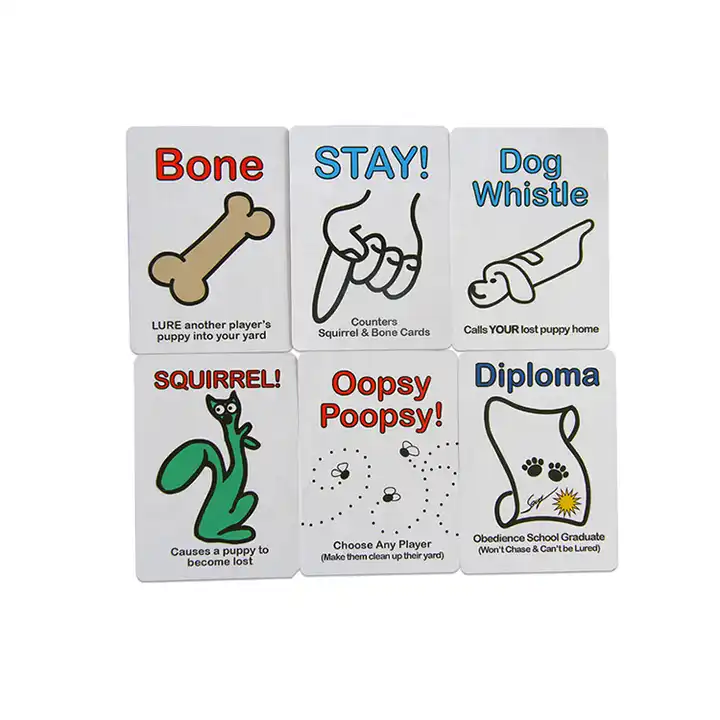
In an age of apps, it’s easy to underestimate the value of physical language cards. However, the tactile nature of printed cards adds an extra sensory layer to learning, which can improve memory retention. Turning cards, sorting them into piles, and physically handling them keeps you more engaged than simply tapping a screen.
Physical cards are also distraction‑free. When you study with printed flashcards, there are no notifications, messages, or social media feeds pulling your attention away. Many learners find they concentrate better and remember more when they use a mix of offline tools and online resources.
High‑quality printed language cards can be designed with clear typography, intuitive layouts, and durable materials, making them comfortable to use for long periods. When cards are easy to read, feel good in the hand, and resist wear and tear, learners are more likely to keep coming back to them day after day.
How Custom Language Cards Elevate Learning
Generic flashcards often fail to match a learner’s specific goals. A business traveler, a parent helping a bilingual child, and a student preparing for an exam do not need the exact same deck. Custom‑designed language cards solve this by aligning content and format with the learner’s real needs.
Custom language cards make it possible to:
Focus on specific topics: travel phrases, customer service expressions, academic vocabulary, or industry‑specific terms.
Match proficiency levels: beginner cards with more visuals and basic phrases; advanced cards with nuanced expressions and cultural notes.
Reflect cultural and contextual usage: including tips and context on how phrases are used in real situations.
A modular card design allows learners to progress at their own pace, reinforcing foundational concepts before moving to more complex patterns. For example, a deck can be organized in stages: basic survival phrases, everyday conversation, then professional communication. Learners can revisit earlier modules as needed, which is a natural fit with spaced repetition.
XingKun Language Cards: Advantages for Serious Learners and Educators
When you decide to invest in physical flashcards, the quality of design, materials, and printing directly shapes the learning experience. XingKun Printing Products, based in China, offers language cards designed specifically to support immersive, interactive language acquisition.
Immersive content with cultural insight
XingKun language cards are designed so that each card is not just a word, but a mini “adventure” that integrates vocabulary, phrases, and cultural insight. This means a learner doesn’t just see a translation; they see how that language element lives in actual communication. Cards can present language in context and include cultural tips that help users understand social nuances and communicate more naturally.
This holistic approach is particularly valuable for:
Travelers who need culturally appropriate phrases.
International staff working across cultures.
Teachers introducing authentic expressions rather than textbook‑only language.

Tailored to different learning styles and goals
Learners differ: some are visual, some prefer reading, others rely on pattern recognition. XingKun language cards support personalized learning by allowing content to be tailored to specific learning styles and topics. Users can focus on their weak points—such as verb tenses, pronunciation hotspots, or common phrases in meetings—rather than working through irrelevant content.
Because the cards are modular, they can be grouped, sequenced, or expanded according to the learner’s goals, whether those are travel, business, exam preparation, or personal enrichment. This flexibility makes them equally suitable for self‑study, classroom use, or corporate training.
Professional materials and finishes for durability
One drawback of low‑quality flashcards is that they wear out quickly: edges fray, colors fade, and text becomes hard to read. XingKun addresses this with a wide selection of professional‑grade materials and finishes originally developed for demanding packaging and card products.
Available materials for language cards include options like:
Black Kraft, White Kraft, and Natural Brown Kraft for a sturdy, eco‑friendly feel.
SBS boards (C1S, C2S) for smooth, high‑definition printing.
Textured and metallic papers or holographic elements for premium or special‑edition decks.
To protect cards from heavy classroom or daily use, XingKun supports finishes such as:
Lamination, including soft‑touch or silk lamination for a pleasant, non‑glare surface.
UV coating, spot gloss UV, and varnish for enhanced color and protection.
Anti‑scratch lamination for cards that are frequently shuffled and handled.
These options allow schools, publishers, and brands to create decks that not only look professional but also withstand constant use without quickly degrading.
Advanced printing methods and special effects
Clear, sharp printing is essential when you are dealing with small type, accented characters, or scripts like Chinese, Arabic, or Japanese. XingKun utilizes offset, digital, and UV printing methods to ensure crisp text and vibrant colors across different card designs. This is particularly important for language learning, where visual clarity affects comprehension and reduces eye strain.
For projects that require strong visual identity—such as branded educational products or premium language decks—XingKun can also add options like:
Hot foil stamping for logos or key titles.
Embossing and debossing for tactile emphasis on important elements.
Cold foil printing and combination embossing for visually striking, collectible‑grade decks.
These customization options help transform language cards from basic study tools into memorable products that learners enjoy using and displaying.

Safer, more sustainable ink choices
Many educators and parents pay close attention to safety and environmental impact. XingKun offers water‑based and soy‑vegetable‑based inks, alongside other specialized ink options, to support safer and more sustainable production. These options reduce volatile organic compounds compared to some traditional inks and align better with modern sustainability goals.
At the same time, the ink set includes fluorescent and metallic Pantone inks, allowing designers to highlight important information or create visual coding systems (for example, using different colors for tenses, parts of speech, or difficulty levels). This combination of safety, sustainability, and visual flexibility is ideal for educational products used by both children and adults.
Using Custom XingKun Cards in Different Learning Scenarios
Because XingKun focuses on customizable solutions rather than one‑size‑fits‑all products, their language cards fit a wide variety of scenarios:
Language schools and training centers
Create graded decks aligned with course levels, from beginner to advanced.
Include phrases that match your specific curriculum, teaching style, and tests.
Corporate training and HR
Design cards for customer service dialogues, negotiation phrases, or safety instructions in multiple languages.
Use durable finishes for repeated use in workshops and onboarding sessions.
Publishers and education brands
Build complete product lines (basic, intermediate, advanced) with consistent branding, special finishes, and collectible visual identity.
Integrate cultural notes and scenarios unique to your audience.
Parents and self‑learners
Commission smaller, tailored runs of cards focused on daily life, travel, or children’s themes.
Choose materials and finishes that are comfortable for children to handle and robust enough for home use.
By combining thoughtful pedagogy with high‑quality physical production, custom XingKun language cards can become the central, tangible component of a broader learning ecosystem that includes audio, apps, and real‑world practice.
Best Practices: Getting the Most From Your Flashcards
Even the best‑printed and best‑designed cards will only be as effective as your study habits. To make flashcards your primary engine for language growth, keep these principles in mind:
Be consistent, not heroic
Ten to twenty minutes daily is more powerful than a single long session once a week.
Practice active recall
Always try to produce the answer before flipping the card. If you hesitate, that’s a signal to mark the card as “difficult.”
Speak out loud
Whenever possible, say words and sentences aloud. This builds muscle memory and reduces the “silent learner” problem.
Rotate themes
Spend a few days on one theme (e.g., food), then another (e.g., transport), and periodically review old themes to keep them fresh.
Connect to real use
After reviewing a batch of cards, immediately write or speak something using those words. The closer you get to real communication, the faster your progress.
Combine these habits with high‑quality, well‑organized cards, and flashcards can indeed be a central method for mastering a new language, not just a minor supplement.

FAQ: Language Learning With Flashcards
1. Can you really learn a whole language using only flashcards?
You can build a large vocabulary and solid grasp of common phrases using flashcards, but to truly master a language you also need listening, speaking, reading, and interaction with real people. Flashcards are best used as the backbone of your vocabulary and pattern learning, combined with other skills practice.
2. How many flashcards should I study each day?
For most learners, 10–30 new cards per day is sustainable, as long as you also review older cards. The key is to choose a number that you can comfortably maintain for months without burning out. Consistency is more important than speed.
3. Are physical language cards better than apps?
Neither is universally “better.” Physical cards are tactile, distraction‑free, and easy to organize by hand, while apps often automate scheduling. Many successful learners use both: printed cards for focused, offline study and digital tools for on‑the‑go review.
4. What should I include on each flashcard to make it effective?
At minimum, include the target word or phrase, its meaning, and at least one example sentence. For language cards like those described above, adding pronunciation notes and brief cultural tips can further deepen understanding and make the card more memorable.
5. How can educators or companies create custom language cards for their learners?
Educators and businesses can first define their learning goals (level, themes, context), then prepare content aligned with real situations their learners face. A specialized printing partner such as XingKun can then advise on suitable materials, finishes, inks, and layouts to produce durable, visually clear language cards that match the brand and pedagogical needs.
Conclusion
Flashcards remain one of the most versatile and effective tools for language learning when used correctly and consistently. They support active recall, spaced repetition, and modular learning, making complex languages more approachable for learners at all levels. When combined with well‑designed content, cultural context, and high‑quality physical production—as in custom language cards produced by XingKun—flashcards can become a central pillar of both individual and institutional language programs, turning everyday review into an engaging, immersive, and long‑lasting learning experience.


