Content Menu
● Understanding the Role of Cards in Board Games
● The Different Types of Board Game Cards
● Materials Used for Board Game Cards
● Design and Aesthetics of Board Game Cards
● The Psychology Behind Using Cards
● Printing and Manufacturing Board Game Cards
● Digital Innovations in Card-Based Games
● How to Maintain and Store Board Game Cards
● Iconic Board Games That Use Cards Effectively
● Crafting Your Own Board Game Cards
● Essential Steps:
● Environmental and Sustainability Considerations
● Balancing Luck and Skill with Cards
● Why Cards Make Board Games Emotionally Engaging
● Frequently Asked Questions
>> Q1: What size are standard board game cards?
>> Q2: Can I use regular playing cards for board games?
>> Q3: What’s the best material for long-lasting cards?
>> Q4: How many cards should a board game include?
>> Q5: What software is best for designing cards?
Board games have always brought families, friends, and even strangers together. Whether it’s a Sunday evening at home or a cozy café gathering, board games remain timeless entertainment. Among all the elements that make a board game fun—dice, tokens, boards, or spinners—cards stand out as one of the most creative and versatile components. But what kind of cards are actually used in board games, and how do they influence play? Let’s explore this fascinating world of game design and psychology.
Understanding the Role of Cards in Board Games
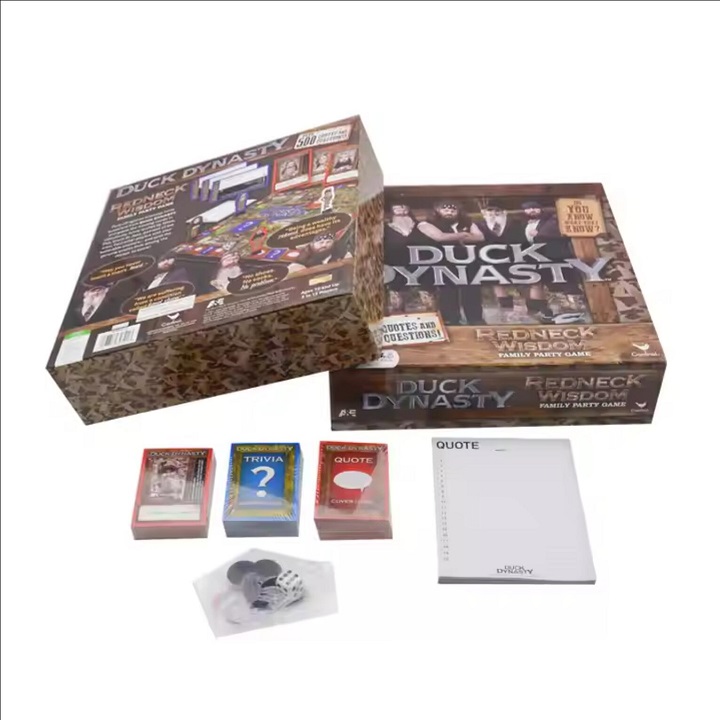
Cards are a core element in modern tabletop gaming. They serve multiple functions: guiding player actions, introducing random elements, or storing important game information. Unlike a static game board, cards add variety and unpredictability because they can be shuffled, drawn, discarded, or exchanged.
For example, think about Monopoly, where “Chance” and “Community Chest” cards create sudden opportunities or disasters. These small pieces of cardboard fundamentally change how players plan and react. Similarly, in Catan, development cards can instantly shift a player’s advantage, sparking new strategies and alliances.
The essence here is interactivity—cards make players engage with uncertainty in a tangible, tactical way.
The Different Types of Board Game Cards
Cards in board games can be categorized based on their function, design, and material. Let’s break them down.
1. Action Cards
These cards allow players to perform a specific move or trigger a unique game event. In Uno, “Skip,” “Reverse,” or “Draw Two” cards define much of the excitement. Similarly, adventure-based board games often depend on action cards to set the pace, such as combat cards in Gloomhaven or task cards in Pandemic.
2. Event Cards
Event cards typically introduce randomness or storytelling elements. Drawing one might bring good luck—or total chaos. Games like Arkham Horror and Betrayal at House on the Hill rely heavily on event cards to generate unpredictable, immersive experiences.
3. Resource Cards
Many strategy-driven games provide players with resource cards such as gold, wood, or food. The Settlers of Catan is a classic example, where resource cards represent the foundation of trading and expansion.
4. Character or Role Cards
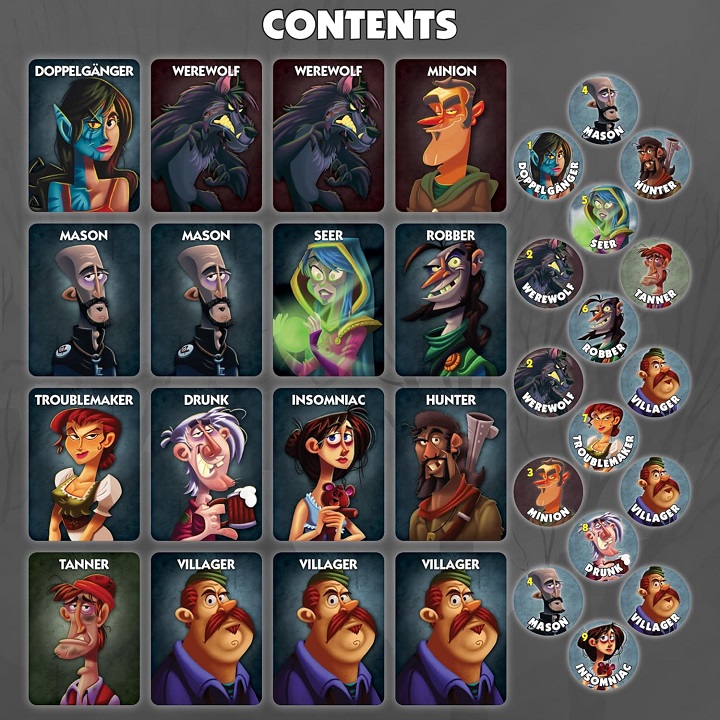
In role-playing or mystery board games, cards can define each player’s identity or hidden role. In Werewolf or Secret Hitler, your card secretly tells you who you are—ally or enemy—and determines your mission.
These cards add psychological intrigue, transforming a simple round of play into an intense test of deception and intuition.
5. Goal or Victory Cards
Sometimes, cards remind players what they’re trying to achieve. In games like Dominion, certain cards represent victory points. In others, such as Ticket to Ride, destination tickets act as personal goals, guiding your strategy across the map.
Materials Used for Board Game Cards
The material quality of cards influences how a game feels in your hands. Game designers choose from a few standard materials depending on purpose and budget.
Paperboard: The most common choice—lightweight, printable, and affordable. Coatings or laminations add durability and protection against fingerprints and spills.
Plastic cards: More durable than paper and often used in outdoor or travel versions of games. They resist moisture but can feel slippery when shuffled.
Linen finish: Premium board games often use a linen texture for a professional “snap” and improved handling.
PVC core or black-core cards: Common in collectible or high-end games because they prevent light from passing through.
The right material ensures long life, smooth handling, and a satisfying shuffle—details players might not consciously notice but certainly appreciate.
Design and Aesthetics of Board Game Cards
Designing board game cards isn’t just a graphic art project—it’s an exercise in balancing clarity, beauty, and usability.
Visual Structure
Players must read, understand, and act upon card information quickly. Designers use visual hierarchy to organize information: icons for quick recognition, colors for category distinction, and typography for flavor or readability.
Symbolism and Color Coding
Symbolism helps players intuit card effects without needing to reread instructions constantly. For instance, red might signal danger or punishment, while green implies reward or progress. Games like Magic: The Gathering take this further—color also represents elemental or thematic philosophies.
Illustration Style
Every illustration on a game card contributes to immersion. Whether it’s whimsical fantasy art or minimalist modern design, illustrations shape how emotionally connected players feel. That’s why artists are a vital part of game design teams.
The Psychology Behind Using Cards
Cards aren’t only practical design tools—they also engage deep psychological mechanisms.
Reward anticipation: Drawing a card taps into the same reward pathway as gambling. You don’t know what’s coming, but your brain releases dopamine just from the suspense.
Social interaction: Passing, trading, or hiding cards invites bluffing and negotiation—social behaviors central to board gaming fun.
Memory and strategy: Managing cards encourages cognitive engagement: remembering what’s been played, tracking patterns, and strategizing odds.
In short, cards stimulate mental excitement, strengthen emotional connection, and keep people hooked.
Printing and Manufacturing Board Game Cards
Behind every polished deck is a careful manufacturing process combining design technology with craftsmanship.
Step 1: Prepress and Proofing
Designers prepare layouts and ensure colors print accurately. Proofs help check font legibility, alignment, and trimming margins.
Step 2: Printing
High-resolution printers (often offset types) produce multiple sheets of cards per print run, maintaining consistent color.
Step 3: Lamination and Cutting
Cards are laminated or coated to protect against wear. Automated cutters then slice sheets precisely, ensuring each card’s uniform edges and rounded corners.
Step 4: Quality Control
Cards are checked for defects—uneven cuts, misprints, or poor lamination—before assembly and packaging.
For example, major board game manufacturers often partner with specialized printers who focus exclusively on cards, such as those producing classic decks for Mattel or Hasbro.
Digital Innovations in Card-Based Games
The rise of digital board games and hybrid formats has redefined what a “card” can be.
Some modern games use QR codes or augmented reality (AR) cards to enrich gameplay. When scanned, these cards come alive with animations or hidden content. Digital companion apps also replace bulky decks with virtual ones, cutting down shuffling while automating bookkeeping.
Though the tactile pleasure of physical cards remains unmatched, digital supplements have expanded creativity for both players and developers.

How to Maintain and Store Board Game Cards
A good set of cards can last for years—if maintained properly. Follow these tips to extend their life:
Use card sleeves to protect from moisture, oils, and fraying.
Shuffle carefully using techniques like riffle-free mixing to avoid bending.
Store flat in dry, cool locations to prevent warping.
Avoid direct sunlight, which can fade printed colors over time.
A well-kept card deck not only looks pristine but also ensures fair and smooth gameplay.
Iconic Board Games That Use Cards Effectively
Some games demonstrate how powerfully cards can shape experiences. Here are just a few iconic examples:
Uno: Proof of simplicity’s genius—only cards, yet universally popular.
Monopoly: Chance and Community Chest cards make every play unpredictable.
Catan: Resource and development cards encourage negotiation and cooperation.
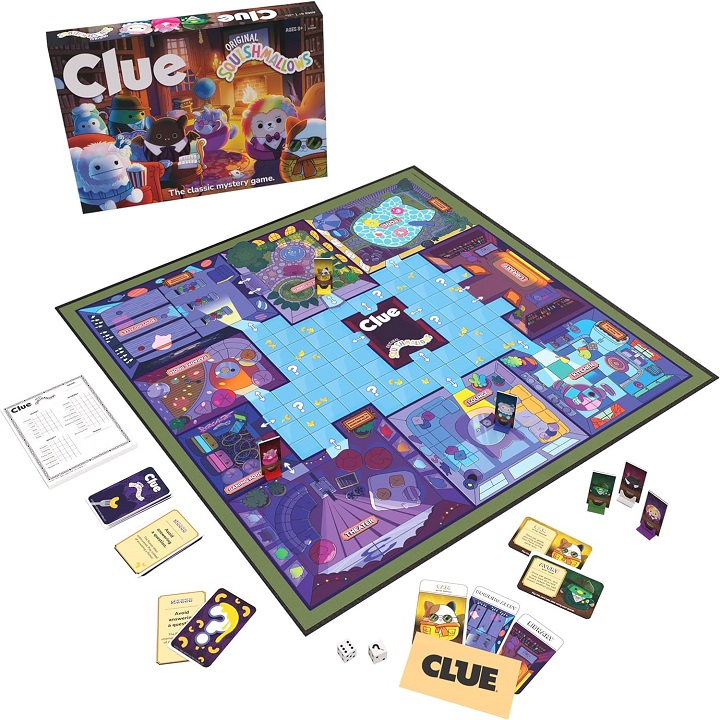
Clue (Cluedo): Cards drive both mystery and deduction.
Dominion: Pioneer of deck-building mechanics, letting players create unique engines from cards alone.
Exploding Kittens: Humor and tension coexist through clever card play and bluffing.
Each example shows that cards are more than accessories—they are the beating heart of game mechanics.
Crafting Your Own Board Game Cards
If you’re a game designer—or simply curious about creating your own game—you can prototype cards easily with modern tools.
Essential Steps:
1.Define card purpose: Are they resources, actions, or story triggers?
2.Draft categories and mechanics: Balance deck diversity and avoid overpowering combinations.
3.Design visuals in software: Tools like Adobe Illustrator, Canva, or Tabletop Simulator are popular.
4.Test with players: Feedback reveals whether visuals and rules align.
5.Print prototypes: Start small with local print shops before scaling to manufacturers.
Prototyping encourages creativity, and every shuffle teaches you something new about human interaction.
Environmental and Sustainability Considerations
With growing awareness of sustainability, the game industry is shifting toward greener practices.
Recycled cardstock and soy-based inks are replacing petroleum-based materials.
Minimal packaging designs reduce plastic usage.
Local printing cuts emissions tied to shipping.
Consumers increasingly prefer eco-friendly production, and developers who adapt reinforce brand trust and long-term viability.
Balancing Luck and Skill with Cards
Cards naturally introduce randomness, but balancing it with skill is crucial to fair play.
Too much luck makes players feel powerless.
Too little luck makes gameplay feel predictable.
Well-designed board games use cards to add tension without removing agency. Drawing a card might shift the direction but shouldn’t override talent or planning—just like poker, where chance meets strategy.
Why Cards Make Board Games Emotionally Engaging
At their core, cards embody mystery. Each face-down card hides potential—danger, power, or redemption. This secrecy fuels human curiosity, making even trivial actions exciting.
Moreover, physical cards create ritual: shuffling, drawing, revealing. These gestures make games feel alive and anchored in real touch, a contrast to digital entertainment. In an age of screens, the tactile ritual of shuffling is a rare sensory joy.
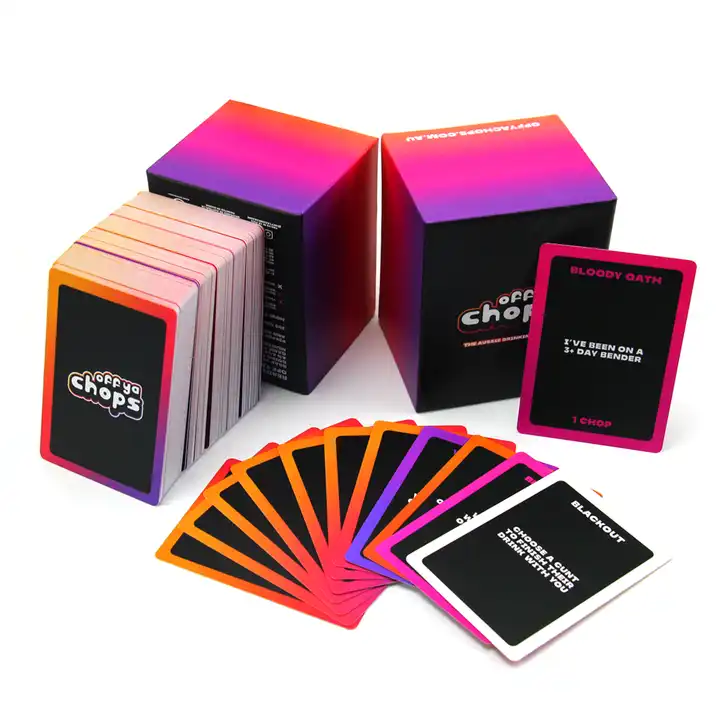
Frequently Asked Questions
Q1: What size are standard board game cards?
A: The most common size is 63×88 mm (2.5×3.5 inches), also known as “poker size.” Smaller or custom sizes are also used depending on gameplay needs.
Q2: Can I use regular playing cards for board games?
A: Absolutely. Many prototypes or minimalist games simply repurpose standard decks to represent actions, resources, or players.
Q3: What’s the best material for long-lasting cards?
A: Black-core or linen-finished cards resist bending, light leakage, and fingerprints, making them premium options.
Q4: How many cards should a board game include?
A: There’s no fixed number—it depends on mechanics. Simpler games may need 20–40, while complex deck-builders can exceed 300.
Q5: What software is best for designing cards?
A: Adobe Illustrator and Affinity Designer are industry standards, while free tools like Canva and GIMP also work well for hobbyists.


