Content Menu
● What Flat Pouches Are and Why They Matter
● Why Flat Pouches Keep Growing
● Key Benefits for Brands
● Common Uses Across Industries
● Structure and Material Choices
● Flat Pouches vs Other Pouch Formats
● What Buyers Should Check Before Ordering
● Sustainability and the New Packaging Standard
● Latest Industry Signals
● Industry Use Case
● Why XingKun Is a Strong Packaging Partner
● How to Optimize Flat Pouch Orders
● Conclusion
● FAQ
>> 1. What are flat pouches used for?
>> 2. Are flat pouches cheaper than rigid packaging?
>> 3. Can flat pouches be customized with branding?
>> 4. What industries use flat pouches most often?
>> 5. How do I choose the right flat pouch material?
>> 6. Are flat pouches suitable for sustainable packaging goals?
● References
Flat pouches are one of the most efficient, scalable, and brand-friendly flexible packaging formats available today. For brands that need lower material usage, strong shelf performance, and cost-effective mass production, flat pouches are often the smartest choice. [grandviewresearch]
What Flat Pouches Are and Why They Matter
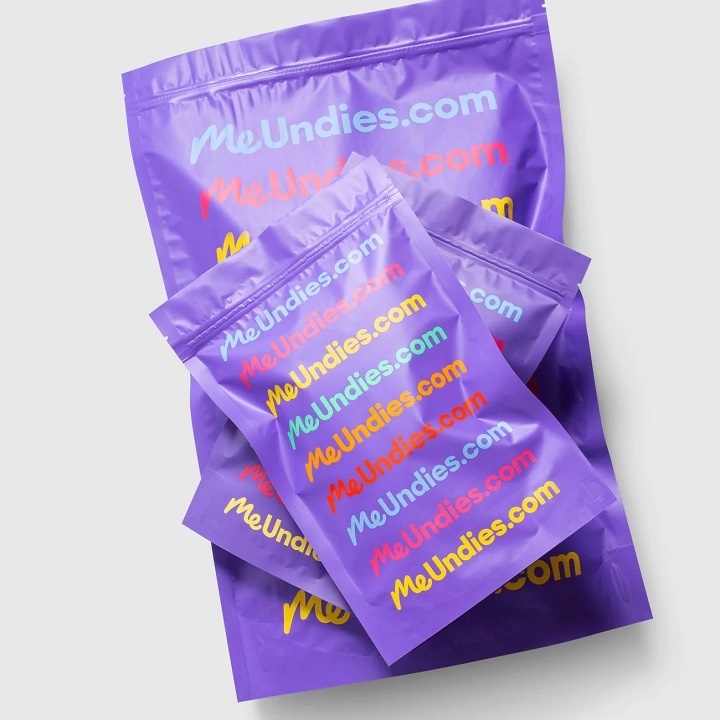
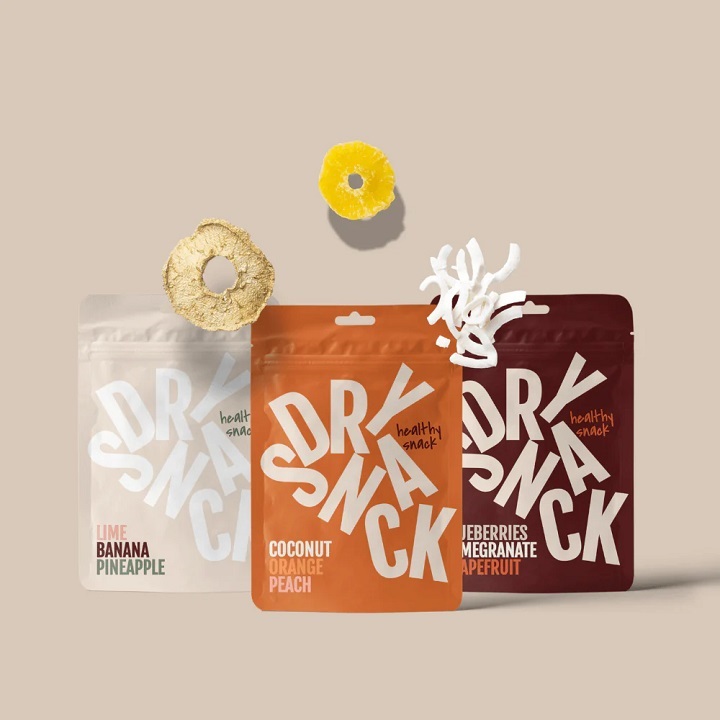
Flat pouches are sealed flexible packages designed with a slim, space-saving profile. They are widely used for single-serve products, samples, sachets, powders, supplements, beauty items, pharmaceutical formats, and lightweight food applications. Their structure makes them easy to store, easy to ship, and easy to print with high-impact graphics that support brand visibility. [grandviewresearch]
From a packaging strategy perspective, flat pouches sit at the intersection of efficiency and flexibility. They use less material than many rigid alternatives, which helps reduce packaging cost and support logistics efficiency. At the same time, they can be customized with barrier films, tear notches, resealable features, and premium printing to match different market segments. [grandviewresearch]
For overseas buyers, especially brand owners, wholesalers, and manufacturers looking for OEM/ODM support, flat pouches also offer a practical advantage: they can be adapted quickly across product categories without changing the brand's core packaging language. That makes them especially useful for seasonal launches, promotional packs, travel sizes, and e-commerce-ready product lines. [cn.linkedin]
Why Flat Pouches Keep Growing
The global pouches market continues to expand because brands want packaging that is lighter, more convenient, and more cost-efficient than rigid formats. Grand View Research reports that the global pouches market was estimated at USD 47.0 billion in 2025 and is projected to reach USD 74.9 billion by 2033, growing at a CAGR of 6.0% from 2026 to 2033. [grandviewresearch]
Flat pouches hold a dominant position within that market because they scale well for high-volume production. They accounted for the largest 63.7% revenue share in 2025, driven by low material usage, cost efficiency, and compatibility with automated high-speed filling lines. [grandviewresearch]
This growth is not only about price. It is also about convenience, shelf efficiency, and the ability to meet changing consumer behavior. In food, healthcare, personal care, and homecare, brands increasingly need packaging that performs across logistics, merchandising, and consumer use. Flat pouches answer all three needs in a compact format. [grandviewresearch]
Key Benefits for Brands
Flat pouches deliver value in several business-critical areas:
Lower material consumption. Compared with rigid packaging, flexible pouches generally require less raw material, which can reduce cost and weight in the supply chain. [grandviewresearch]
Better shipping efficiency. Slim packaging improves pallet utilization and storage efficiency, which matters for export-heavy brands. [grandviewresearch]
Strong branding surface. The printable area supports product storytelling, ingredient communication, and shelf impact. [mordorintelligence]
High production scalability. Flat pouches are well suited to mass production and automated filling. [grandviewresearch]
Versatile product fit. They work across powders, granules, snacks, trial sizes, supplements, and more. [grandviewresearch]
For many brands, the real benefit is not just lower packaging cost. It is the ability to combine practicality with visual appeal. That is why flat pouches are common in both everyday consumer products and regulated or specialized segments. [grandviewresearch]
Common Uses Across Industries
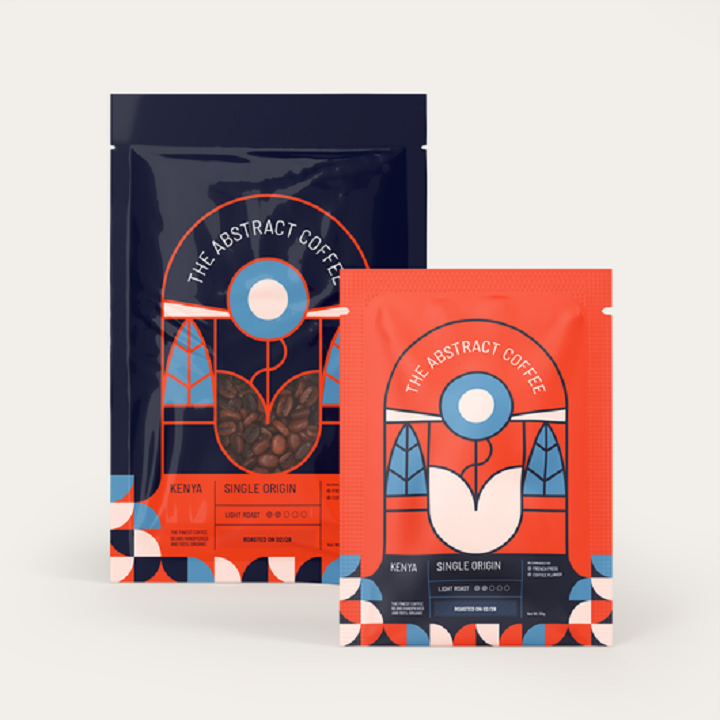
Flat pouches are used in a wide range of industries because they can be engineered for different contents and performance levels. In food and beverages, they are often used for snacks, seasoning, powdered mixes, condiments, tea, coffee samples, and single-serve portions. In healthcare, they are used for supplements, diagnostic items, and other compact products that need protection and tamper-conscious presentation. [grandviewresearch]
In personal care and cosmetics, flat pouches are popular for sample packs, wipes, hair care sachets, and travel-size treatments. For homecare and industrial products, they are useful for cleaning product refills, detergents, and chemical sample packs where portion control matters. [grandviewresearch]
This broad applicability is one reason the format is attractive to overseas buyers. A single pouch structure can be adapted into multiple SKU families, helping brands streamline procurement, reduce packaging complexity, and build visual consistency across channels. [cn.linkedin]
Structure and Material Choices
The performance of a flat pouch depends on its material structure, sealing method, and barrier requirements. Common material combinations include PET, PE, PP, and aluminum-based laminates, depending on product sensitivity and shelf-life needs. Plastic materials remain the leading category in the broader pouches market because they offer strong resistance to moisture, dust, oxygen, and UV light while remaining cost-effective. [grandviewresearch]
If the product is sensitive to moisture or oxygen, higher-barrier structures are usually required. If the product is lightweight and stable, a simpler construction may be sufficient. This is where OEM and ODM packaging support becomes valuable, because the right material choice should be based on the product, filling line, market, and target shelf life, not only on aesthetics. [cn.linkedin]
A practical buying rule is simple: do not select a pouch by appearance alone. Select it by product behavior. For example, powdered products may need moisture protection, while food samples may need a balance between barrier performance and cost. The best pouch is the one that protects the product and supports the brand economics at the same time. [grandviewresearch]
Flat Pouches vs Other Pouch Formats
Many buyers compare flat pouches with stand-up pouches, since both belong to the flexible packaging family. The main difference is in form and merchandising behavior. Flat pouches are slimmer and typically more cost-efficient, while stand-up pouches offer more shelf presence and are growing quickly in premium categories. [grandviewresearch]
Here is a practical comparison:
| Format | Main Strength | Best For | Commercial Advantage |
| Flat pouches | Low material use and high efficiency | Sachets, samples, powders, single-serve items | Lower cost and strong scalability |
| Stand-up pouches | Shelf visibility and resealability | Snacks, pet food, liquids, premium retail items | Better front-facing retail presence |
Grand View Research notes that flat pouches led the product segment by revenue share in 2025, while stand-up pouches are expected to grow faster over the forecast period. That means flat pouches remain the volume-efficient workhorse, especially for brands that prioritize cost, speed, and scale. [grandviewresearch]
What Buyers Should Check Before Ordering
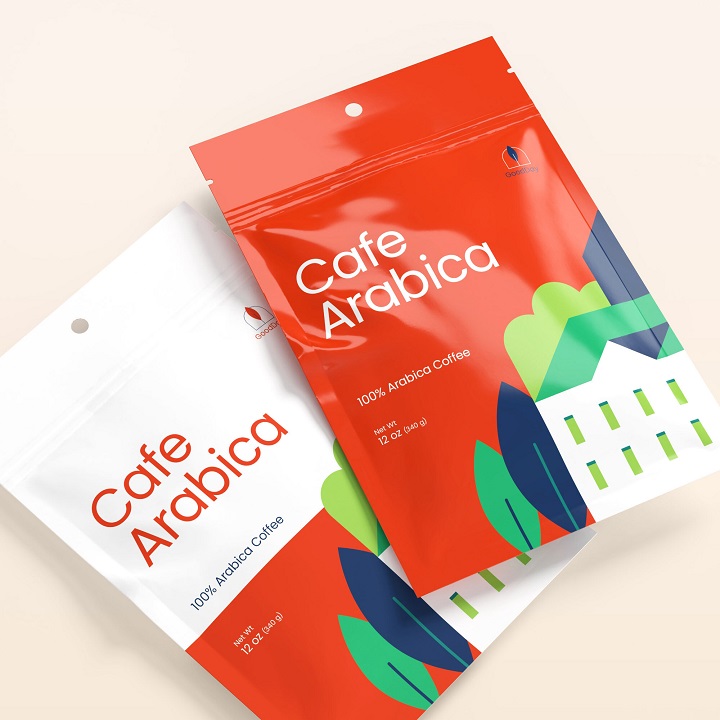
Before placing an OEM or ODM order, buyers should evaluate the packaging from both a technical and commercial perspective. The wrong structure can create leakage, poor sealing, short shelf life, or filling-line problems. The right structure, by contrast, can reduce returns, improve product integrity, and support a cleaner brand rollout. [grandviewresearch]
A professional procurement checklist should include:
1. Product type and sensitivity. Is the product dry, oily, powder-based, or moisture-sensitive?
2. Barrier requirement. Does it need protection from oxygen, light, or humidity?
3. Filling method. Will the pouch be filled manually or on an automated line?
4. Printing needs. Does the brand need high-definition graphics, barcode accuracy, or multiple SKUs?
5. Compliance needs. Are there food-contact, healthcare, or export-market requirements?
6. Sustainability goals. Is recyclable or reduced-material packaging required?
This checklist matters because the best flat pouch is never just a bag. It is a packaging system that must fit the product, the machine, and the market. [grandviewresearch]
Sustainability and the New Packaging Standard
Sustainability is reshaping the pouch category. Brand owners are increasingly looking for recyclable, downgauged, or mono-material structures, especially where environmental regulations and ESG commitments are accelerating packaging reform. Grand View Research highlights that sustainability-driven packaging transformation is a major force reshaping pouch design and material selection. [grandviewresearch]
This shift is important for flat pouches because they often use less material than rigid alternatives, which makes them structurally efficient from the start. In addition, the industry is moving toward recyclable mono-material flexible packaging without sacrificing barrier performance. That trend is especially relevant for export brands that need to balance cost, compliance, and consumer perception. [grandviewresearch]
For buyers, sustainability should be treated as a design decision, not a marketing slogan. The real question is whether the pouch can protect the product, run efficiently on the line, and support the brand's environmental goals at the same time. [grandviewresearch]
Latest Industry Signals
Several recent industry signals show why flat pouches remain strategically important in 2026. First, the broader pouches market is expanding at a steady pace, with Asia Pacific expected to grow fastest and China remaining a major manufacturing hub. Second, the flat pouch segment itself remains the leading product category in revenue share, confirming its role as the high-volume core format in flexible packaging. [grandviewresearch]
Third, sustainability and recycling compatibility are becoming mainstream expectations, not niche differentiators. Brands are under pressure to move toward structures that are lighter, easier to transport, and better aligned with circular packaging goals. This is pushing packaging suppliers to combine material science, print quality, and production discipline in one solution. [grandviewresearch]
For a manufacturer like Shenzhen XingKun Packing Products Co., Ltd., this is a strong market fit. The company already serves overseas brand owners, wholesalers, and manufacturers with OEM/ODM customization across packaging boxes, playing cards, puzzles, printed books, stickers, and related packaging products, which gives it a practical base for flexible packaging extension and brand-consistent product development. [cn.linkedin]
Industry Use Case
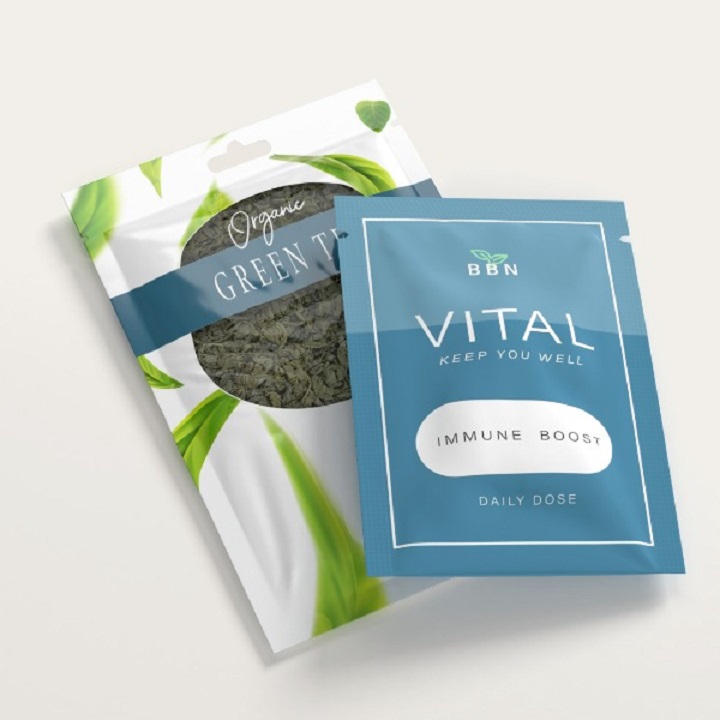
Imagine a supplement brand launching a new trial-size powder line for e-commerce and retail. A flat pouch can support this launch with low packaging weight, clean print design, and efficient storage. If the product performs well, the same visual system can later be scaled into larger formats without changing the core branding logic. [grandviewresearch]
That is the real value of flat pouches: they let brands test, launch, and scale with less operational friction. For overseas buyers, especially those working with a Chinese OEM/ODM partner, this can shorten development cycles and improve cost control across product lines. [cn.linkedin]
Why XingKun Is a Strong Packaging Partner
XingKun is positioned as a custom packaging manufacturer serving international clients with OEM and ODM capabilities. The company's public profile shows experience in packaging design and printing production, which is highly relevant for brands that need consistent, high-quality packaging execution across multiple product categories. [cn.linkedin]
For flat pouches, this matters because packaging buyers are not only buying a material structure. They are also buying print consistency, production discipline, and communication reliability. An experienced supplier can help convert a brand's design intent into a manufacturable solution that supports both retail and operational goals. [cn.linkedin]
If your business needs packaging that is custom-branded, scalable, and export-ready, XingKun can be a practical partner for developing flat pouch concepts alongside broader packaging programs. The best results usually come from early collaboration on size, barrier, artwork, and end-use requirements. [cn.linkedin]
How to Optimize Flat Pouch Orders
To get better results from flat pouch sourcing, buyers should approach the project in stages. First, define the product and target market. Next, identify the pouch function: sample pack, retail unit, promotional pack, or export pack. Then align the material, closure, and printing method with the product's real-world use case. [grandviewresearch]
A simple process looks like this:
1. Define the product and shelf-life requirement.
2. Select the pouch structure based on protection needs.
3. Confirm print layout, color expectations, and branding assets.
4. Test fit, seal integrity, and filling compatibility.
5. Review samples before mass production.
6. Lock final specifications for repeat orders.
This process reduces errors and improves consistency, especially for overseas procurement teams that need predictable supply and stable quality. [cn.linkedin]
Conclusion
Flat pouches remain one of the most commercially intelligent packaging formats because they balance cost, efficiency, scalability, and branding in a single solution. With the global pouch market continuing to grow and flat pouches leading the product category by revenue share, the format is not just relevant—it is strategically important for brands that want flexibility without sacrificing quality. [grandviewresearch]
For companies sourcing from China, especially those seeking OEM and ODM support, the opportunity is bigger than packaging alone. It is about building a packaging system that supports product protection, shelf performance, and long-term brand growth. XingKun's background in custom packaging and printing makes it well aligned with that need. [cn.linkedin]
FAQ
1. What are flat pouches used for?
Flat pouches are used for sachets, samples, powders, supplements, snacks, cosmetics, and other compact products that need efficient, lightweight packaging. [grandviewresearch]
2. Are flat pouches cheaper than rigid packaging?
In many cases, yes. Flat pouches usually use less material and are easier to ship and store, which can lower overall packaging and logistics costs. [grandviewresearch]
3. Can flat pouches be customized with branding?
Yes. Flat pouches can be printed with logos, product information, colors, barcodes, and other branding elements to support shelf impact and brand recognition. [cn.linkedin]
4. What industries use flat pouches most often?
Food and beverages, healthcare, personal care, cosmetics, and homecare are among the most common end-use sectors for flat pouches. [grandviewresearch]
5. How do I choose the right flat pouch material?
Choose based on the product's sensitivity to moisture, oxygen, light, and handling. The right material should match the product, filling line, and shelf-life target. [grandviewresearch]
6. Are flat pouches suitable for sustainable packaging goals?
Yes, especially when designed with downgauged or recyclable structures. Sustainability is becoming a major driver in pouch development across global markets. [grandviewresearch]
References
1. Grand View Research, Pouches Market Size, Share, Growth | Industry Report, 2033: https://www.grandviewresearch.com/industry-analysis/pouches-market
2. XingKun Packing Products Co Ltd LinkedIn profile: https://cn.linkedin.com/company/xingkun-printing-products
3. XingKun official product page, Flat Pouches: https://www.xkdisplay.com/flat-pouches.html
4. Mordor Intelligence, Stand Up Pouches Market Size, Share & Industry Growth Report, 2031: https://www.mordorintelligence.com/industry-reports/stand-up-pouches-market
5. EcoPackables, Pouches | Protect Your Apparel: https://www.ecopackables.com/pages/pouches
6. Epackflexibles, Custom Flexible Pouch Packaging: https://epacflexibles.com/products/


