Content Menu
● What Are Intelligent Labels?
● Why Labels Matter More Than Ever
● The Technology Behind Intelligent Labels
>> 1. QR and 2D barcodes
>> 2. RFID and NFC
>> 3. Sensors and freshness indicators
● Market Trends: Why Intelligent Labels Are the Future
● How Consumers Perceive Intelligent Labels
● From Printer to Partner: XingKun's Role in Intelligent Labeling
● Key Applications of Intelligent Labels
>> 1. Supply chain visibility and inventory control
>> 2. Consumer engagement and brand storytelling
>> 3. Compliance and safety labeling
● Sustainability: Smarter Labels for a Greener Future
● Practical Steps: How Brands Can Start with Intelligent Labels
● Expert Perspective: What Matters Most in 2026 and Beyond
● Why Work with Shenzhen XingKun on Intelligent Labels
● Call to Action: Future‑Proof Your Labels Now
● Frequently Asked Questions (FAQ)
● References
Yes, intelligent labels are rapidly becoming the future of packaging, especially as brands look for better traceability, compliance and consumer engagement across global supply chains. For manufacturers like Shenzhen XingKun Packing Products Co., Ltd., intelligent labels are an opportunity to move from "just printing" to providing data‑driven value for global brands. [xkprint-pack]
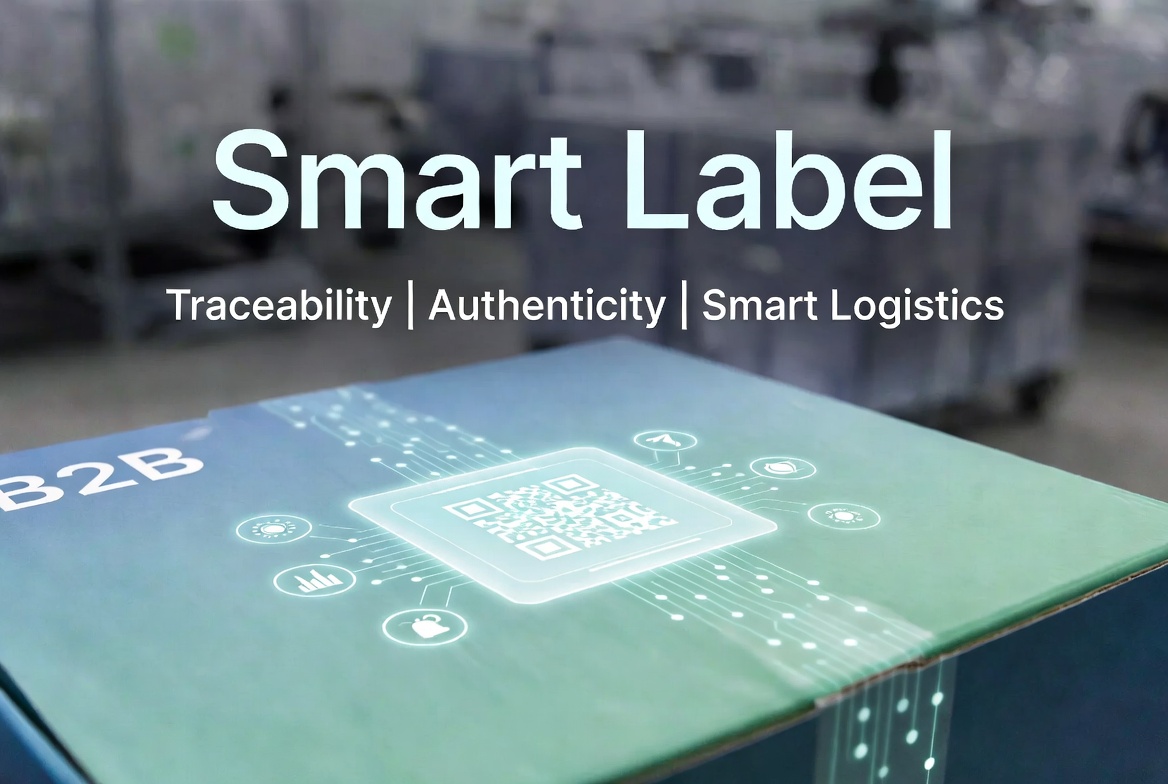
What Are Intelligent Labels?
Intelligent labels (often called smart labels) are labels that embed digital technologies such as QR codes, RFID, NFC chips, or sensors to extend packaging far beyond static print. Instead of simply displaying information, they can identify products, store data, and connect physically labeled items to cloud platforms and mobile apps. [packagingstrategies]
For example, a QR‑enabled sticker on a food package can link to real‑time freshness, allergen, and traceability details, while an RFID label on a carton can be read automatically in a warehouse without line‑of‑sight scanning. As a result, intelligent labels are reshaping how packaging supports logistics, regulatory compliance, and consumer experience from factory to end‑user. [cybra]
Why Labels Matter More Than Ever
Today's consumers are significantly more informed and less willing to trust manufacturers blindly, especially in food, cosmetics, healthcare and lifestyle categories. They expect labels to clearly communicate ingredients, origin, certifications, environmental impact, and ethical practices in a way that feels transparent and verifiable. [onlinelibrary.wiley]
At the same time, regulators worldwide are enforcing stricter labeling standards, and retailers are pushing suppliers to provide richer data in machine‑readable formats. This combination of consumer expectations and compliance pressure is turning labels into a strategic touchpoint rather than a back‑end afterthought. [labelsandlabeling]
The Technology Behind Intelligent Labels
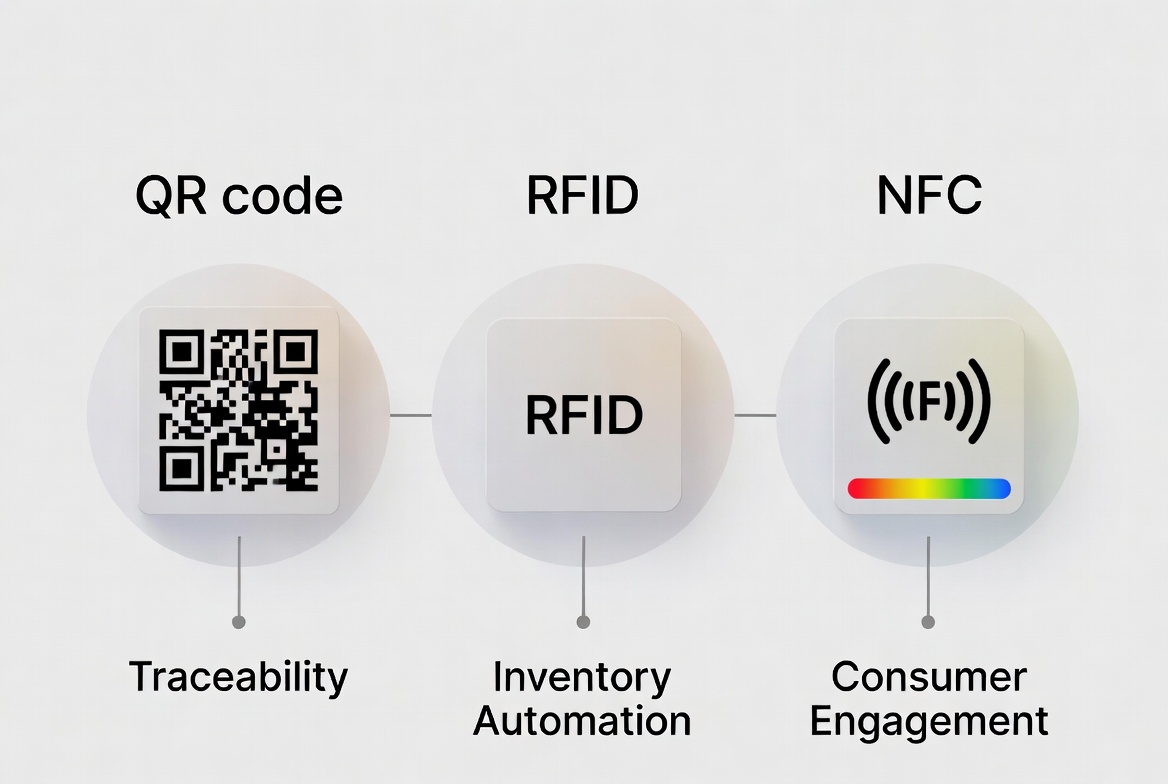
1. QR and 2D barcodes
Two‑dimensional barcodes such as QR Codes and Data Matrix can hold far more data than traditional 1D barcodes, supporting batch numbers, expiry dates, traceability links, and dynamic web content. Global initiatives like GS1's "Sunrise 2027" are accelerating the shift from 1D to 2D codes at point of sale and across supply chains. [cybra]
For brands, this means a simple printed code on a sticker can unlock multilingual product pages, usage guides, or recycling instructions, all updated centrally without reprinting packaging. For converters and printers, it also means label artwork must be accurate, scannable, and integrated with product data systems. [asaslabel]
2. RFID and NFC
RFID‑enabled intelligent labels combine a pressure‑sensitive label with an embedded RFID inlay, allowing items to be identified and tracked wirelessly. Ultra‑high‑frequency RFID can read many tagged items at once without line‑of‑sight, which is ideal for inventory counts, pallet tracking, and automated inbound/outbound workflows. [globenewswire]
NFC, a subset of high‑frequency RFID, is optimized for short‑range communication with smartphones and specialized readers. Brands increasingly use NFC labels to power authentication (tap‑to‑verify), personalized promotions, and post‑purchase content such as tutorials or refill reminders. [packagingstrategies]
3. Sensors and freshness indicators
In food and pharma, intelligent labels can incorporate time–temperature indicators, freshness sensors, or color‑changing inks to show whether cold chains or storage conditions have been maintained. These smart indicators give both retailers and consumers a stronger sense of safety and quality, reducing waste and improving trust. [virtual-economics]
Market Trends: Why Intelligent Labels Are the Future
Recent market analyses show that the global smart labels market is growing at double‑digit rates, driven by IoT adoption, regulatory demands, and the need for better supply chain visibility. Forecasts point to smart labels expanding rapidly through 2035, with particularly strong uptake in healthcare, food, retail, and logistics. [towardspackaging]
At the same time, smart packaging overall is projected to reach tens of billions of dollars in value as e‑commerce, automation, and sustainability reshape how brands design packaging systems. In practical terms, this means intelligent labels are shifting from "nice‑to‑have pilots" to baseline expectations for category‑leading brands. [globenewswire]
How Consumers Perceive Intelligent Labels
Studies in Europe and other markets show that consumers see intelligent tags and labels as especially valuable for food safety, quality, and transparency. They want packaging to provide clear information about ingredients, shelf life, storage, health impacts, and real‑time freshness, ideally accessible via a quick scan. [onlinelibrary.wiley]
Interestingly, awareness of smart packaging technology itself remains relatively low, but willingness to learn and adopt it is high when the benefits—such as reduced waste or better health information—are clearly explained. This creates a strong opportunity for brands to use intelligent labels not only as a technical layer but as part of a broader educational and storytelling strategy. [mammothpackaging]
From Printer to Partner: XingKun's Role in Intelligent Labeling
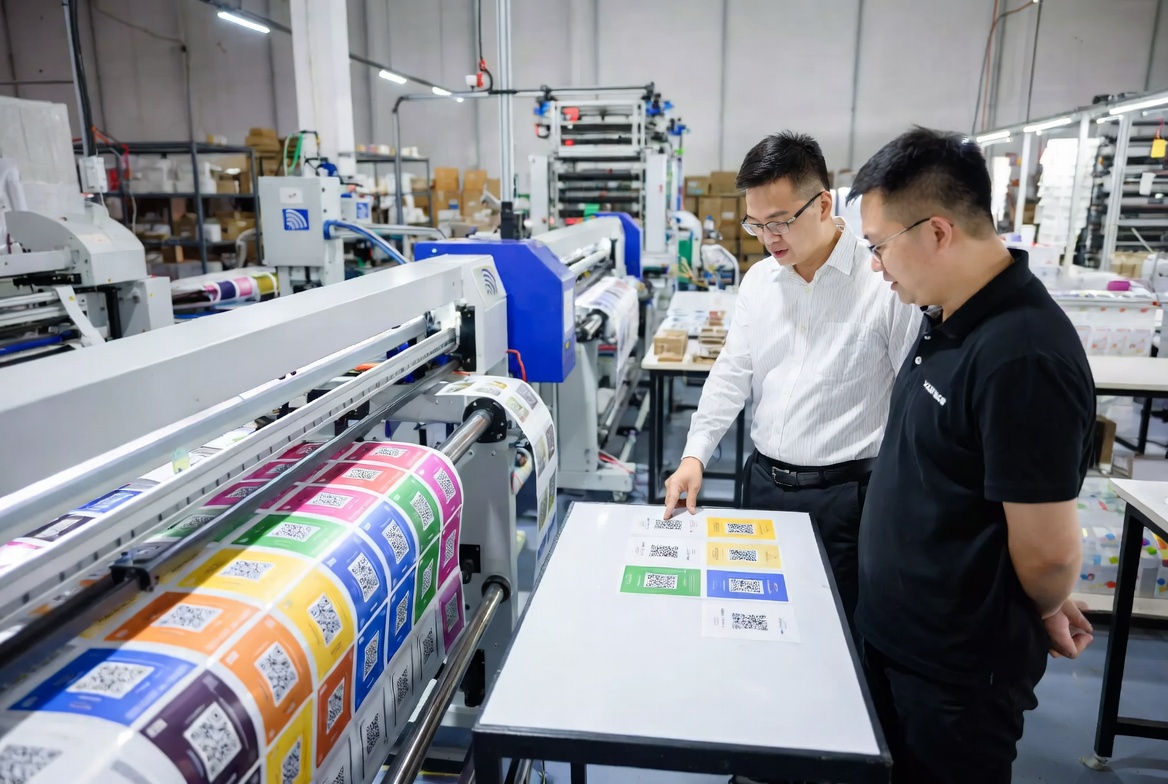
As a specialist in stickers and labels with more than 20 years of manufacturing experience, Shenzhen XingKun Packing Products Co., Ltd. is well positioned to support brands on this shift toward intelligent labeling. With multiple modern printing lines and experience serving industrial, agricultural, cosmetic and e‑commerce applications, the company already designs and produces a wide spectrum of label types—from waterproof cosmetic labels to anti‑counterfeiting and metallic foil stickers. [facebook]
For global brands and distributors across more than 30 countries and regions, this manufacturing depth matters when moving into RFID, QR or NFC‑enabled solutions that must remain robust in real‑world conditions. It also enables customers to prototype new intelligent label concepts at pilot scale, then ramp to volume production without switching suppliers. [xkprint-pack]
Key Applications of Intelligent Labels
1. Supply chain visibility and inventory control
In manufacturing, logistics, and retail, intelligent labels are transforming how items are tracked across complex, multi‑node networks. RFID‑enabled labels on pallets and cases support automated receiving, cycle counting, and shipment verification, dramatically reducing manual scanning and human error. [globenewswire]
Even simple 2D barcodes, when integrated with ERP or WMS systems, can improve traceability, enable faster recalls, and support serialization in regulated industries. For converters, that means label data must be accurate, consistent, and aligned with master records at every print run. [asaslabel]
2. Consumer engagement and brand storytelling
Intelligent labels are also becoming a direct communication channel between brands and end‑users. A QR or NFC tag can unlock product origin stories, ethical sourcing details, loyalty offers, tutorials, AR experiences, or refill instructions tailored to the consumer's location or profile. [packagingstrategies]
Because content can be updated without changing the printed label, marketers can test and refine campaigns quickly while maintaining consistent physical packaging. This flexibility is particularly valuable for global B2B and B2C brands that must localize content for multiple markets and regulatory environments. [packagingstrategies]
3. Compliance and safety labeling
Regulations such as FDA UDI for medical devices, FSMA traceability rules for food, and global GHS requirements for chemicals are all increasing the complexity of labels. Intelligent labels help by reliably encoding critical identifiers, lot information, and safety data that can be validated across systems and jurisdictions. [globenewswire]
For printers, this raises the bar for data accuracy, version control, and quality inspection, making partnerships with experienced converters essential. For brand owners, it creates a single, auditable digital thread that connects products, documentation, and regulatory filings. [xkprint-pack]
Sustainability: Smarter Labels for a Greener Future
Sustainability is now a non‑negotiable requirement in the global labels and packaging industry. Brands and regulators are pushing for materials that are thinner, recyclable, or linerless, while also wanting to reduce misprints, over‑labeling, and packaging waste. [labelsandlabeling]
Intelligent labels contribute to these goals by supporting more precise inventory management and better shelf‑life control, which can help reduce food waste and unnecessary returns. Digital workflows, dynamic content, and better data also mean fewer redesigns and reprints, leading to more efficient use of label materials over time. [virtual-economics]
Practical Steps: How Brands Can Start with Intelligent Labels
From an expert implementation standpoint, a smart migration plan is more effective than a big‑bang overhaul. Based on current industry practice, brands typically follow a staged approach when rolling out intelligent labels. [cybra]
Step 1: Define objectives clearly
Decide whether your primary goal is better traceability, consumer engagement, anti‑counterfeiting, sustainability, or a mix of these. Clear objectives will determine whether you start with QR codes, RFID, NFC, or a hybrid model. [strategicpackginginsights]
Step 2: Start with a pilot SKU or line
Choose a high‑impact product line and a focused use case—such as automated inventory counts or tap‑to‑authenticate cosmetics—and build a small‑scale pilot. This makes it easier to test both technical performance and user experience before wider deployment. [packagingstrategies]
Step 3: Integrate with your systems
Work with IT and operations to connect label data with ERP, WMS, MES or e‑commerce platforms so that scanning events actually trigger useful business actions. This is where much of the real value of intelligent labels emerges, far beyond the print itself. [strategicpackginginsights]
Step 4: Optimize the label design and material
Collaborate with a specialist manufacturer like Shenzhen XingKun to choose the right label facestock, adhesives, and printing method for your environment and application. For example, RFID inlays must be placed carefully to avoid interference, and QR codes must remain scannable under real‑world lighting and handling conditions. [xkprint-pack]
Step 5: Educate users and measure performance
Train internal teams and inform consumers about how to use the new intelligent features, then monitor scan rates, read accuracy, and engagement to refine the strategy. Continuous iteration is key to maximizing ROI and staying aligned with evolving regulations and retail mandates. [labelsandlabeling]
Expert Perspective: What Matters Most in 2026 and Beyond
Looking across recent industry reports and on‑the‑ground practice, several priorities stand out for brands evaluating intelligent labels in 2026. [labelandnarrowweb]
- Data quality beats raw technology. Even the most advanced RFID or NFC label delivers limited value if underlying product data is incomplete or inconsistent. [cybra]
- System integration is a strategic capability. Intelligent labels are most powerful when connected directly to ERP, WMS, and analytics platforms rather than treated as stand‑alone projects. [strategicpackginginsights]
- User experience is critical. Whether your "user" is a warehouse operator or a consumer in a supermarket, scanning must be effortless and the returned information immediately useful. [onlinelibrary.wiley]
- Sustainability and compliance are converging. Future‑ready labels help brands meet both environmental goals and regulatory requirements without ballooning complexity. [labelsandlabeling]
For converters and manufacturers, the winning strategy is to combine print expertise with consultative support on data, materials, and application engineering—becoming a partner in intelligent labeling, not just a supplier. [xkprint-pack]
Why Work with Shenzhen XingKun on Intelligent Labels
Shenzhen XingKun Packing Products Co., Ltd. brings over two decades of experience in printing and packaging, with capabilities covering PET, paper, clear and waterproof labels, metallic and foil finishes, and anti‑counterfeiting applications. The company has invested in advanced multi‑color rotary presses and inspection systems, ensuring color consistency, registration precision, and high defect detection rates at production speed. [xkprint-pack]
Serving customers in more than 30 countries and regions, XingKun understands the practical realities of exporting labels that must perform across different climates, supply chains, and regulatory frameworks. As brands transition toward QR, RFID, and NFC‑enabled label programs, this combination of technical capacity and global experience helps de‑risk implementation and accelerate time to market. [facebook]
Call to Action: Future‑Proof Your Labels Now
If your labels still function only as static print, you are likely leaving value—and in some sectors, compliance and competitive advantage—on the table. Intelligent labels can help you unlock real‑time visibility, automate inventory tasks, strengthen consumer trust, and support your sustainability roadmap. [globenewswire]
Shenzhen XingKun Packing Products Co., Ltd. can work with your team to evaluate opportunities, prototype intelligent label solutions, and scale reliable production for global distribution. To explore how intelligent labels could support your next packaging or supply chain initiative, you can reach out with your target applications, volumes, and technical requirements for a tailored recommendation. [facebook]
Frequently Asked Questions (FAQ)
Q1. What is the difference between a smart label and a traditional label?
A traditional label primarily displays static printed information, while a smart or intelligent label integrates technologies such as QR, RFID, NFC or sensors to identify products, store data, and interact with digital systems. [packagingstrategies]
Q2. Are intelligent labels only relevant for large enterprises?
No. While early adopters were often major retailers and logistics companies, falling technology costs and standardized platforms are making intelligent labels accessible to mid‑sized manufacturers and brand owners as well. [indexbox]
Q3. How do intelligent labels support sustainability goals?
By improving traceability, inventory accuracy, and shelf‑life monitoring, intelligent labels help reduce waste and over‑production, while digital workflows can lower the need for reprints and redundant packaging variations. [onlinelibrary.wiley]
Q4. What industries benefit most from intelligent labels today?
Key sectors include retail apparel, food and beverage, pharmaceuticals and healthcare, automotive, industrial manufacturing, and logistics, where labeling directly impacts compliance and operational efficiency. [packagingstrategies]
Q5. What should I prepare before starting an intelligent label project with a converter?
You should clarify your primary objectives, identify pilot SKUs, understand current data sources (ERP, WMS, MES), and outline any regulatory or retailer requirements, then share these with your label partner to define a robust implementation roadmap. [asaslabel]
References
1. Packaging Strategies – Smart Labels – The Next Big Thing in Packaging? https://www.packagingstrategies.com/articles/99545-smart-labels-the-next-big-thing-in-packaging
2. Packaging Strategies – The Intelligence Behind Smart Labels https://www.packagingstrategies.com/articles/90806-the-intelligence-behind-smart-labels
3. CYBRA – Top 5 Labeling Trends for 2026 https://cybra.com/top-5-labeling-trends-for-2026/
4. GlobeNewswire – Smart Labels Global Market Analysis Report 2026 https://www.globenewswire.com/news-release/2026/04/23/3279792/0/en/smart-labels-global-market-analysis-report-2026-revenue-projections-and-technology-segmentation.html
5. IndexBox – Smart Labels Market to Transform Global Supply Chains and Retail by 2035 https://www.indexbox.io/blog/smart-labels-market-to-transform-global-supply-chains-and-retail-by-2035/
6. Wiley Online Library – Smart tag packaging technologies: A qualitative investigation of consumers' needs and expectations https://onlinelibrary.wiley.com/doi/full/10.1002/pts.2731
7. Virtual Economics – Examining the Market Potential for Smart Intelligent Packaging: A Focus on Italian Consumers https://www.virtual-economics.eu/index.php/VE/article/view/352
8. Shenzhen XingKun Packing Products Co., Ltd. – Silver Labels Product Page https://www.xkprint-pack.com/packaging-bag-and-labels/labels/silver-labels.html
9. Shenzhen XingKun Printing Products Co., Ltd. – Facebook Page https://www.facebook.com/XingKunPrinting/
10. Labels & Labeling – 2026 Global Predictions http://www.labelsandlabeling.com/news/market-trends/2026-global-predictions
11. ASAS Label – Smart Labels Guide: QR Codes, RFID, NFC & Product Serialization https://asaslabel.com/blog/smart-labels-digital-integration-guide
12. Mammoth Packaging – The Future of Smart Labels: Integrating Technology into Packaging https://mammothpackaging.com/smart-labels-technology-packaging/
13. GlobeNewswire – Smart Packaging Market Grows to $26.15 Billion in 2025 https://www.globenewswire.com/news-release/2026/01/21/3222607/28124/en/Smart-Packaging-Market-Grows-to-26-15-Billion-in-2025.html
14. Strategic Packaging Insights – Smart Label Market: Key Technologies, Applications, and Growth Drivers https://strategicpackaginginsights.blog/2026/04/03/smart-label-market-key-technologies-applications-and-growth-drivers-shaping-the-next-decade/
15. Packageit – Are Intelligent Labels the Future? (original article reference) https://www.packageit.com/are-intelligent-labels-the-future


