Content Menu
● What Does “Packaging Boxes Factory” Really Mean?
● Key Types of Packaging Boxes You Should Know
>> By Material
>> By Structure and Function
>> By Application Scenario
>> By Closure and Appearance
● Why Custom Packaging Boxes Are Essential for Modern Brands
● How a Professional Packaging Boxes Factory Works
● Why XingKun Is a Strong Choice as Your Packaging Boxes Factory
>> Comprehensive Customization Capabilities
>> Strong Process Control and Quality Assurance
>> Diverse Material and Structure Options
>> Focus on Brand Experience and Unboxing
>> Reliable Support and After‑Sales Service
● How to Collaborate Effectively with a Packaging Boxes Factory
● FAQ about Packaging Boxes Factory and XingKun
>> 1. What types of packaging boxes can XingKun customize?
>> 2. Can XingKun help with design, or do I need to provide complete artwork?
>> 3. How does XingKun control the quality of packaging boxes?
>> 4. Does XingKun provide samples before mass production?
>> 5. Are there eco‑friendly packaging options available?
>> 6. How long does it usually take to complete an order?
Selecting the right packaging boxes factory can make the difference between an ordinary product and a memorable brand experience. A professional partner helps you protect goods, reduce logistics risk, build brand identity, and delight customers from the very first unboxing.
What Does “Packaging Boxes Factory” Really Mean?
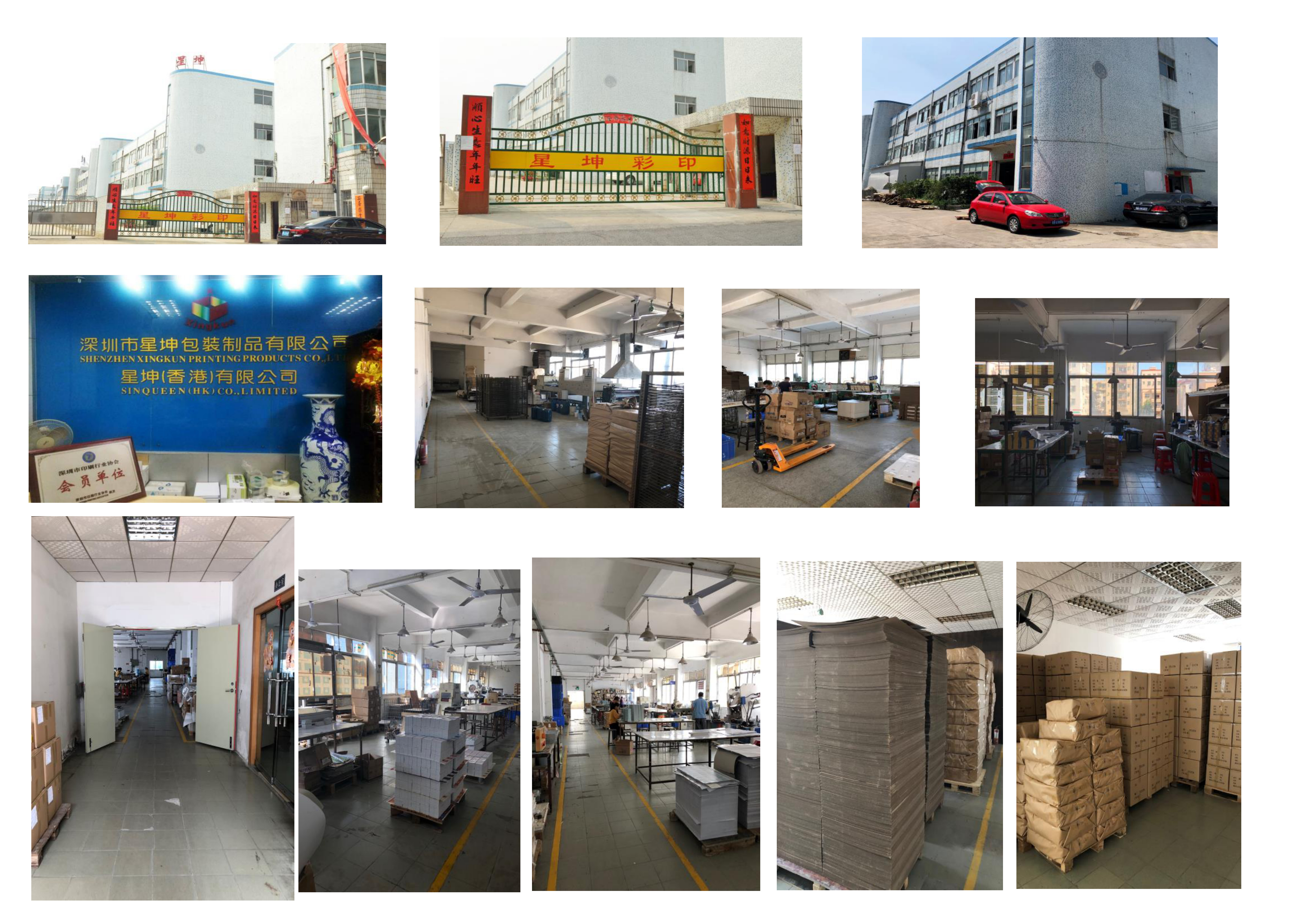
A packaging boxes factory is a manufacturer that designs, engineers, and produces various types of product packaging, from simple shipping cartons to high‑end gift and display boxes. It brings together material processing, printing, surface finishing, manual assembly, and quality inspection into an integrated, repeatable production system.
Such a factory typically provides:
Structural design and sizing based on your product dimensions and weight.
Material selection (cardboard, corrugated board, kraft paper, plastic, wood, metal, etc.).
Printing and finishing (offset or digital print, lamination, varnish, spot UV, embossing, etc.).
Mass production, progress feedback, and after‑sales follow‑up.
When you search “Packaging Boxes Factory”, you are essentially looking for a long‑term manufacturing partner capable of aligning packaging with your product positioning, budget, and brand strategy.
Key Types of Packaging Boxes You Should Know
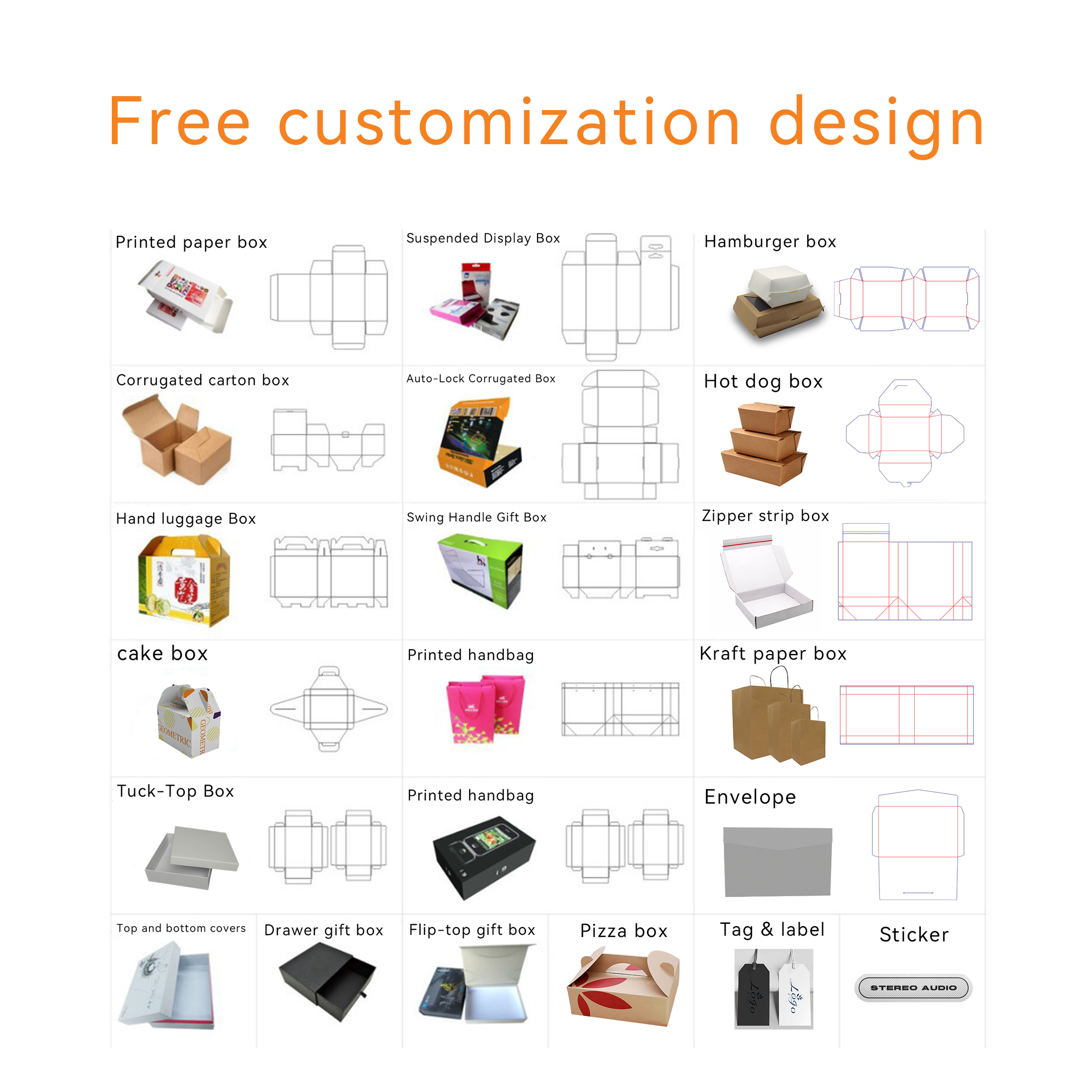
Modern packaging is highly segmented; understanding box types helps you communicate clearly with your factory and avoid costly mismatches.
By Material
Cardboard boxes: Lightweight, printable, recyclable, suitable for a wide range of retail and shipping uses.
Corrugated boxes: With fluted layers for added strength, ideal for heavier or fragile goods in transit.
Kraft paper boxes: Often chosen for a natural, eco‑friendly look with good strength and sustainability.
Plastic boxes: Provide moisture and dust resistance, often used for display or long‑term storage.
Wooden boxes: Durable and premium, suitable for high‑value or luxury items requiring elevated presentation.
Metal boxes: Offer superior protection and a more secure, robust feel for delicate or valuable products.
By Structure and Function
Regular Slotted Containers (RSC): Standard shipping cartons with flaps meeting in the middle.
Folding cartons: Flat‑packed, easy to assemble, widely used for branded retail packaging.
Die‑cut boxes: Custom‑shaped structures tailored to product contours and branding needs.
Tube boxes: Cylindrical containers for posters, bottles, documents, or rolled items.
Nested boxes: Sets of progressively sized boxes that fit into each other for storage or multi‑layer gifting.
By Application Scenario
Shipping boxes: Designed to withstand stacking, impact, and long‑distance transport.
Retail packaging boxes: Emphasize visual appeal and shelf differentiation while still protecting the product.
Gift boxes: Decorative and often highly customized for occasions, seasons, or limited‑edition collections.
Food packaging boxes: Focus on hygiene, freshness, and compliance with food safety regulations.
Cosmetic packaging boxes: Highlight aesthetics, fine printing, and high‑end finishing for beauty products.
By Closure and Appearance
Tuck‑top boxes: Use tuck‑in flaps to close securely without extra tape.
Self‑locking boxes: Rely on interlocking tabs for quick, tool‑free assembly.
Magnetic closure boxes: Offer a premium, smooth opening experience for luxury or gift items.
Printed boxes: Present logos, colors, and messages to enhance recognition and marketing.
Embossed or debossed boxes: Create tactile logos or patterns that elevate the perceived value.
Windowed boxes: Include transparent panels so customers can see the product without opening the package.
Why Custom Packaging Boxes Are Essential for Modern Brands
Custom boxes are no longer just a “nice to have” but a strategic tool for product protection, brand building, and customer experience.
Strengthening Brand Identity
Custom packaging lets you unify colors, typography, icons, and slogans across all products so that your brand is instantly recognizable. Consistency in box design reinforces memory, builds trust, and can increase repeat purchases over time.
Maximizing Product Protection
When packaging is tailored to the exact shape, size, and weight of your goods, it dramatically reduces movement and damage in transit. Reinforced corners, inserts, and custom‑fit interiors can cut returns, improve customer satisfaction, and lower total logistics costs.
Creating a Memorable Unboxing
Thoughtfully designed custom boxes transform opening a parcel into a shareable experience. This emotional moment often leads to social media posts, user‑generated content, and organic word‑of‑mouth exposure.
Enhancing Flexibility and Differentiation
Custom boxes give you freedom over size, structure, materials, and finishes, allowing you to stand out in crowded categories. This flexibility helps you respond quickly to new product launches, seasonal campaigns, or rebranding initiatives.
Supporting Sustainability Goals
By selecting recycled or biodegradable materials and optimizing structure, brands can lower material use and carbon footprint. Environmentally conscious packaging improves brand image, especially among consumers who value responsible purchasing.
Improving Cost‑Effectiveness in the Long Run
Although custom packaging may require higher setup costs than generic boxes, it often pays back through reduced damage, more efficient shipping, and stronger sales. Over time, well‑engineered packaging can reduce filler materials, minimize box sizes, and streamline warehousing.
How a Professional Packaging Boxes Factory Works
Understanding a factory’s workflow helps you evaluate its professionalism and whether it can meet your requirements consistently.
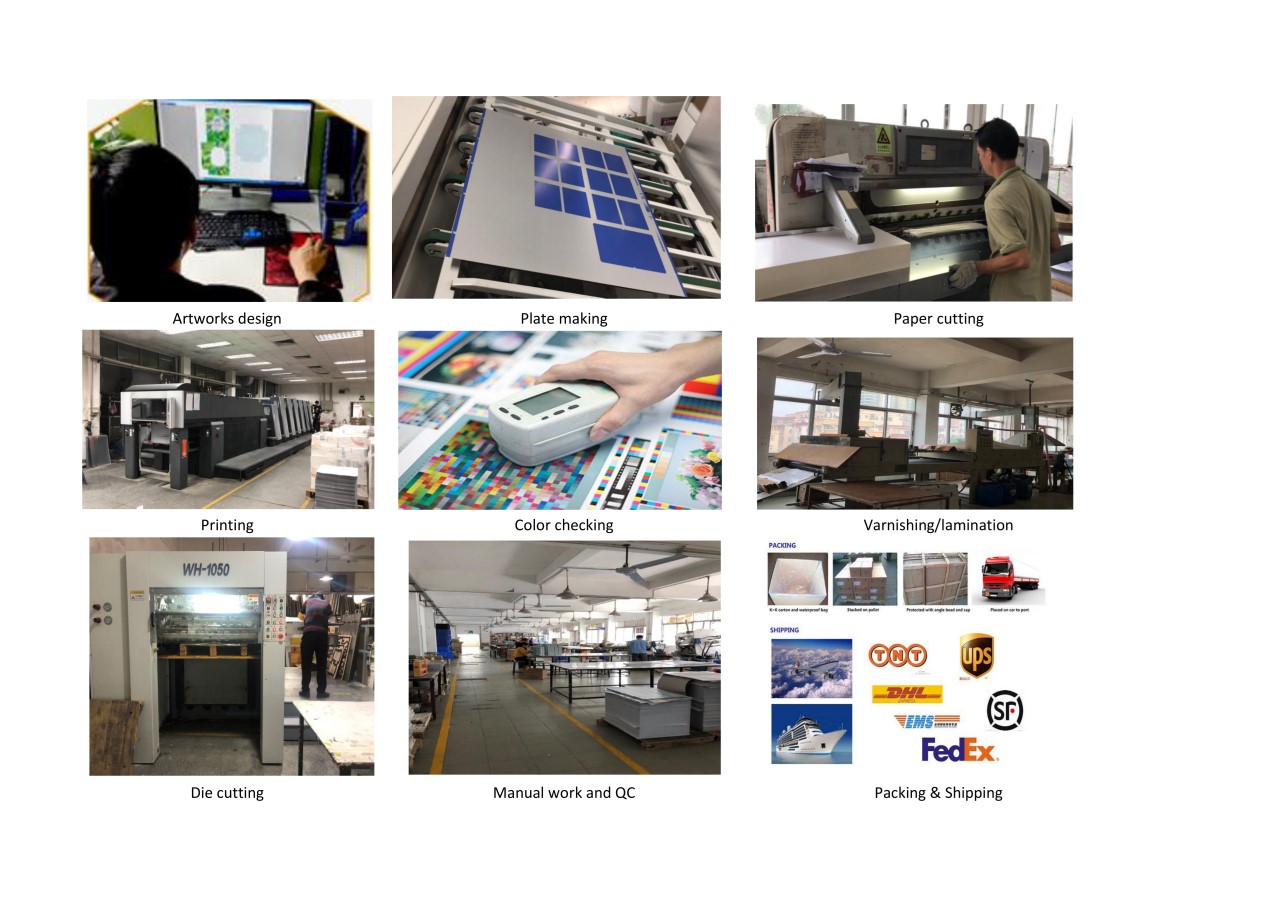
1. Material Processing
The process begins with die‑cutting and preparing raw or auxiliary materials such as cardboard sheets or specialty papers. Accuracy at this stage ensures clean edges, precise folds, and stable structural performance later.
2. Printing
Once the design file is confirmed, printing is arranged using techniques such as offset, digital, or screen printing depending on quantity and color requirements. This step determines color fidelity, image sharpness, and how faithfully your brand visuals appear on the final box.
3. Post‑Processing and Finishing
After printing, various finishes can be applied: coating, spot UV, matte or gloss lamination, and varnishing, among others. These treatments influence both the tactile feel and functional durability, such as scratch resistance or moisture protection.
4. Manual Work and Assembly
Many high‑end packaging boxes require manual operations, including folding, gluing, inserting magnets, or adding ribbons and inserts. Skilled handwork is especially important for complex structures, rigid boxes, or small‑batch customized runs.
5. Production Progress Feedback
During mass production, professional factories provide photos or videos to show real‑time progress and details. Transparent communication at this stage allows you to confirm standards, address issues quickly, and stay aligned with timelines.
6. Quality Inspection
Before warehousing, each finished product undergoes strict inspection to confirm dimensions, printing accuracy, surface quality, and structural strength. This quality control process ensures that boxes match specifications and maintain consistent appearance across the whole batch.
7. Packing and Protection
Qualified boxes are packed into cartons with dustproof and moisture‑proof bags to preserve quality during storage and shipping. Proper packing minimizes deformation or scuffing before the packaging ever reaches your product line.
8. After‑Sales Service
A serious packaging boxes factory continues support even after delivery, collecting usage feedback and solving issues that appear in real‑world application. This feedback loop contributes to continual improvement in structure, materials, and process control.
Why XingKun Is a Strong Choice as Your Packaging Boxes Factory
XingKun focuses on customized packaging boxes that integrate design, production, and service into a complete, controllable process. For brands that value stable quality and flexible customization, this offers a practical pathway from concept to finished packaging.
Comprehensive Customization Capabilities
XingKun supports customization in dimensions, shapes, printing, and special finishes, enabling truly product‑specific solutions. Whether you need simple cartons or refined gift packaging, the factory can adapt structures and materials to your requirements.
Key customization aspects include:
Structural design for jewelry, gift, clothing, make‑up, and other box types.
Logo, color, and graphic integration to align with your brand image.
Optional surface effects such as spot UV, lamination, and varnish for better look and feel.
Strong Process Control and Quality Assurance
From material processing to final packing, XingKun follows a clear multi‑step workflow with defined checkpoints. Strict inspection before warehousing helps ensure each batch matches agreed standards in size, printing, and structural strength.
Advantages include:
Detailed production progress feedback via photos or videos during mass production.
Clear quality inspection procedures before goods enter storage.
Packing with dustproof and moisture‑proof protection for finished boxes.
Diverse Material and Structure Options
XingKun’s packaging solutions cover cardboard, corrugated board, kraft paper, and other materials to match different product categories and budgets. This diversity allows you to choose between economical options and more high‑end, rigid or specialty boxes as needed.
Available box styles include, for example, jewelry boxes, gift boxes, clothing boxes, make‑up boxes, and tear‑strip boxes for easier opening. These structures are suitable for both retail display and e‑commerce shipping scenarios.
Focus on Brand Experience and Unboxing
By combining structural design and surface finishing, XingKun helps brands enhance the overall unboxing experience and product appeal. Well‑designed custom boxes can increase perceived value, support premium pricing, and encourage repeat purchase behavior.
Reliable Support and After‑Sales Service
XingKun provides samples so you can evaluate quality, materials, and design before placing larger orders. After delivery, its sales team consults customers about real usage and collects opinions for future improvements.
How to Collaborate Effectively with a Packaging Boxes Factory
To get the most from your partnership with XingKun or any packaging boxes factory, prepare your requirements clearly from the start.
Practical steps:
1.Define product details: dimensions, weight, fragility, and special storage or transport conditions.
2.Clarify branding needs: logo usage, color codes, design style, and target customer profile.
3.Decide on materials and finishes: eco‑friendly priorities, desired tactile feel, and visual effects.
4.Set quantity and timeline: expected batch size, delivery date, and whether you need phased shipments.
5.Request samples: use them to test strength, color consistency, and real‑world fit to your product.
With this preparation, you can communicate more efficiently and avoid repeated revisions, saving both time and cost.
FAQ about Packaging Boxes Factory and XingKun
1. What types of packaging boxes can XingKun customize?
XingKun can customize a wide range of boxes including jewelry boxes, gift boxes, clothing boxes, make‑up boxes, and other product‑specific packaging. It can also produce shipping, retail display, and special‑structure boxes according to your requirements.
2. Can XingKun help with design, or do I need to provide complete artwork?
XingKun has an experienced team that can assist with packaging design based on your brand identity and product specifications. You can provide design concepts or drafts, and the team will help refine them into production‑ready files.
3. How does XingKun control the quality of packaging boxes?
Each production stage, from material processing to printing and manual assembly, includes strict quality checks. Before storage and shipment, products are inspected for size, structural integrity, and surface effects to ensure they meet agreed standards.
4. Does XingKun provide samples before mass production?
Yes, XingKun offers samples so you can evaluate materials, structure, and printing results before placing large orders. This sample step helps reduce risk and align expectations between your team and the factory.
5. Are there eco‑friendly packaging options available?
XingKun can offer packaging boxes using recyclable or more environmentally friendly materials, such as specific paper‑based substrates. With proper structural design, these boxes can balance sustainability with durability and brand presentation.
6. How long does it usually take to complete an order?
Turnaround time depends on customization complexity, order quantity, and current production capacity. XingKun will communicate project progress through photos or videos and work to ensure timely delivery according to the agreed schedule.


