Content Menu
● What "Plastic-Free Packaging" Really Means in 2026
● Why Brands Are Moving Beyond Plastic
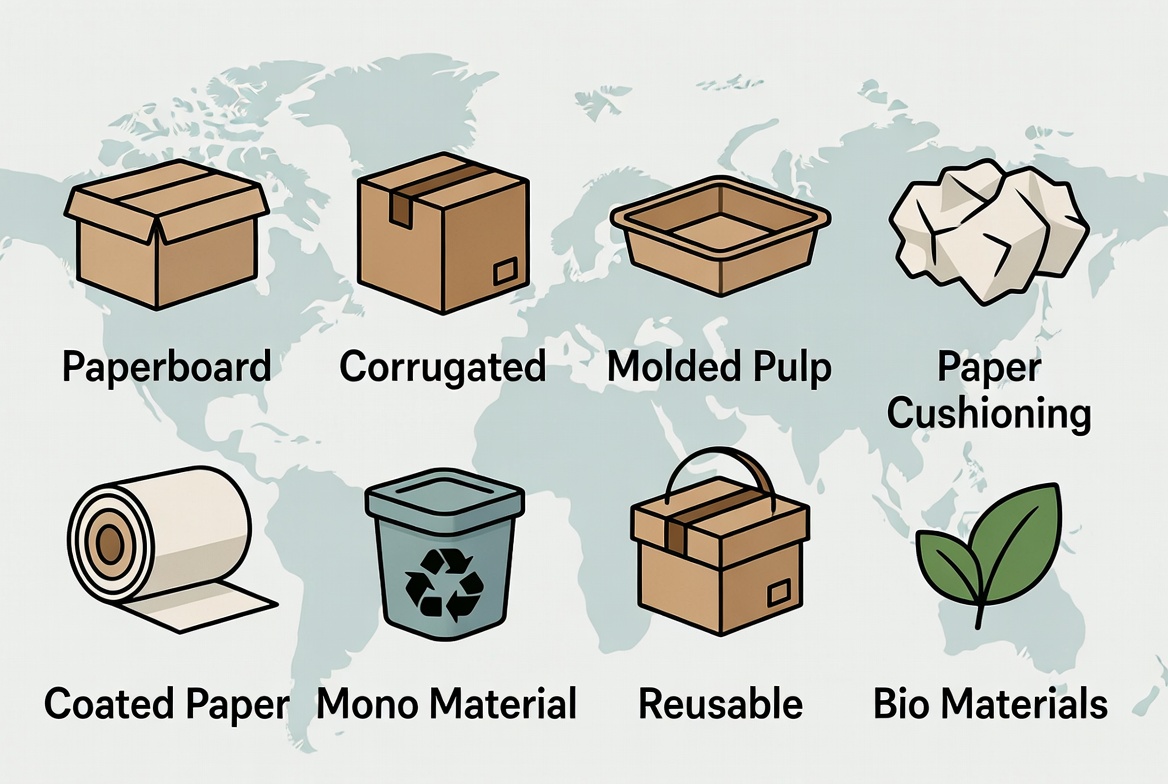
● Eight Proven Alternatives to Plastic Packaging
>> 1. Paperboard Folding Cartons
>> 2. Corrugated Shipping and E‑commerce Boxes
>> 3. Molded Fiber and Pulp Trays
>> 4. Paper-Based Cushioning and Inserts
>> 5. Coated and Barrier Papers
>> 6. Recycled and Mono-Material Plastics (Where Necessary)
>> 7. Reusable and Refill-Ready Paper Packaging
>> 8. Bio-Regenerative and Next-Gen Materials
● How to Choose the Right Alternative: A Practical Framework
>> Step 1: Audit Current Packaging
>> Step 2: Define Performance Requirements
>> Step 3: Prioritize Mono-Material, Circular Solutions
>> Step 4: Partner With an Experienced Manufacturer
● Latest Trends in Sustainable Packaging (2026 Snapshot)
● Real-World Example: Switching from Plastic Clamshell to Paperboard Box
● Practical Checklist for Your Next Packaging Redesign
● Why Work with Shenzhen XingKun Packing Products Co., Ltd.?
● Call to Action: Start Your Plastic-Reduction Packaging Project
● Frequently Asked Questions (FAQ)
● References
A mid-sized brand can now replace most plastic packaging with more sustainable paper-based and fiber solutions without sacrificing protection, shelf impact, or cost control. As a packaging manufacturer with over 20 years of experience, Shenzhen XingKun Packing Products Co., Ltd. helps brands in 30+ countries make this transition with custom packaging boxes and printed solutions tailored to real-world supply chains. [xkdisplay]
What "Plastic-Free Packaging" Really Means in 2026
When brands say they want to "move away from plastic," they often mean three different things:
- Cutting unnecessary packaging altogether (right-sizing, eliminating layers, avoiding void-fill where not needed). [climateactionaccelerator]
- Switching to renewable, fiber-based materials such as paperboard, corrugated, molded pulp, or specialty paper. [ecoenclose]
- Designing for circularity, so packaging can actually be recycled within existing systems instead of becoming waste. [creativeretailpackaging]
From an industry practitioner's perspective, the most successful projects start with function, not material. You first clarify what the packaging must do—protect against drops, moisture, tampering, or temperature swings—then choose a plastic alternative that meets those requirements without over-engineering. [s-lab]
Why Brands Are Moving Beyond Plastic
Regulation, retailer expectations, and consumer pressure are converging to push brands toward low‑impact packaging.
- Regulators are tightening rules on single-use plastics and setting targets for recycled content and recyclability. Circular, high-post-consumer-waste (PCW) packaging is moving from "nice-to-have" to baseline expectation. [ecoenclose]
- Retailers and platforms increasingly prefer packaging that is curbside‑recyclable, ships efficiently, and avoids complex multi‑material laminates that are hard to recover. [climateactionaccelerator]
- Consumers now recognize plastic pollution as a top environmental concern and often reward brands that move to paper-based or reusable formats. [eartheasy]
For manufacturers like us, this means paper-based packaging isn't just an eco story anymore—it's a market access and brand equity story. Well-designed boxes and printed packs can unlock new channels while aligning with sustainability KPIs.
Eight Proven Alternatives to Plastic Packaging
The original "8 alternatives to plastic packaging" framework focuses on how brands can replace plastic in common primary and secondary pack formats. Below is an expanded, practitioner-level view that we see working in global projects. [zh.westrock]
1. Paperboard Folding Cartons
Best for: FMCG, personal care, cosmetics, small electronics, food secondary packs.
- Advantages: High print quality, strong shelf impact, easy to customize with windows, inserts, and special finishes. [zh.westrock]
- Sustainability: Sourced from renewable fiber, widely recyclable when kept as mono‑material (no plastic film, minimal metallic foils). [climateactionaccelerator]
From our factory perspective, FSC‑certified paperboard with optimized gsm (grammage) often replaces rigid plastic clamshells while reducing overall material usage and shipping weight.
2. Corrugated Shipping and E‑commerce Boxes
Best for: Direct-to-consumer brands, subscription boxes, industrial and B2B shipments.
- Advantages: Excellent cushioning and stacking strength, easy to right-size and print with branding or handling instructions. [creativeretailpackaging]
- Sustainability: Typically high recycled content; designed correctly, these boxes integrate smoothly into existing recycling streams worldwide. [ecoenclose]
We increasingly replace plastic mailers and over-boxing with fit‑to‑product corrugated solutions, reducing void-fill and dimensional weight costs while improving unboxing experience.
3. Molded Fiber and Pulp Trays
Best for: Electronics, cosmetics sets, fragile items, food service trays.
- Advantages: Form-fitted protection similar to plastic thermoformed trays, but based on pulp fibers. [climateactionaccelerator]
- Sustainability: Can be produced from recycled paper, typically recyclable or compostable where infrastructure exists. [climateactionaccelerator]
In practice, we often combine a printed outer box with molded pulp internal trays, achieving a fully fiber-based solution that protects products through long-distance shipping.
4. Paper-Based Cushioning and Inserts
Best for: Replacing bubble wrap, air pillows, and foam peanuts.
- Advantages: Custom die-cut inserts, honeycomb paper, and crumpled kraft offer effective void fill and shock absorption. [climateactionaccelerator]
- Sustainability: Mono-material simplifies recycling; customers can flatten and recycle with their regular cardboard. [ecoenclose]
Brands moving from plastic inflatables to paper cushioning often see reduced customer complaints about "too much plastic" in parcels, while maintaining damage rates when designs are properly engineered.
5. Coated and Barrier Papers
Best for: Food, confectionery, snack packs, certain cosmetics, and dry goods.
- Advantages: Specialty barrier papers can provide grease resistance, moisture protection, and heat-sealability previously delivered by plastic films. [climateactionaccelerator]
- Sustainability: Carefully chosen coatings can maintain recyclability while delivering the performance needed for shelf life. [ecoenclose]
In our work with food-adjacent clients, we see hybrid solutions where a paper-based outer box is combined with a minimal, recyclable inner liner, progressively reducing plastic share as barrier technologies advance.
6. Recycled and Mono-Material Plastics (Where Necessary)
Best for: Regulated environments, high-moisture products, and specific medical or food-contact applications.
- Advantages: Sometimes, plastic is still the safest or most practical choice. In these cases, moving from multi-layer laminates to mono-material, recycled-content structures is a major step forward. [climateactionaccelerator]
- Sustainability: Mono-material plastics and higher recycled content significantly improve real-world recyclability and reduce virgin plastic use. [ecoenclose]
Even when we supply paper-based outer packs, we help clients rationalize plastic components, prioritizing recyclable resins and clear labeling for disposal.
7. Reusable and Refill-Ready Paper Packaging
Best for: Premium brands, subscription programs, and loyalty-driven categories.
- Advantages: Rigid paperboard boxes and gift boxes can be designed for reuse, storage, or refills, extending their life far beyond a single shipment. [eartheasy]
- Sustainability: Longer useful life spreads the environmental impact across many uses and can significantly cut single-use plastic in the same category. [eartheasy]
For example, a rigid drawer box for cosmetics can be reused by consumers to store accessories, while refill packs arrive in minimal, flat paperboard cartridges.
8. Bio-Regenerative and Next-Gen Materials
Best for: Pilot programs, innovation projects, and strong sustainability storytelling.
- Examples: Seaweed-based films, hemp fiber boxes, mushroom-based molded components. [climateactionaccelerator]
- Considerations: Availability, cost, and end-of-life systems vary greatly; successful deployments match material capabilities to realistic recovery pathways. [ecoenclose]
From a practical manufacturing standpoint, we advise clients to test these materials in limited SKUs or campaigns first, while keeping paperboard and corrugated as scalable "workhorse" solutions.
How to Choose the Right Alternative: A Practical Framework
Rather than asking, "What's the most eco-friendly material?", brands should ask, "What's the lowest-impact solution that still protects and sells my product?" A simple 4‑step framework we use in projects: [s-lab]
Step 1: Audit Current Packaging
- List all components: outer box, inner tray, void fill, labels, leaflets.
- Identify plastic-heavy items and multi-material structures (e.g., plastic + aluminum laminates) that are hard to recycle. [climateactionaccelerator]
- Quantify volumes, damage rates, and logistics constraints so you know where change has the most impact. [creativeretailpackaging]
Step 2: Define Performance Requirements
- Clarify real-life needs: drop resistance, compression strength, moisture or grease barrier, tamper evidence, or temperature stability. [s-lab]
- Validate these needs against actual damage data; many packs are over-engineered, especially in e-commerce.
Step 3: Prioritize Mono-Material, Circular Solutions
- Move from complex laminates to mono-material paper or mono-material plastic wherever feasible. [ecoenclose]
- Keep print, coatings, and accessories compatible with recycling (avoid heavy metallic foils, minimize plastic windows, choose water-based inks where possible). [climateactionaccelerator]
Step 4: Partner With an Experienced Manufacturer
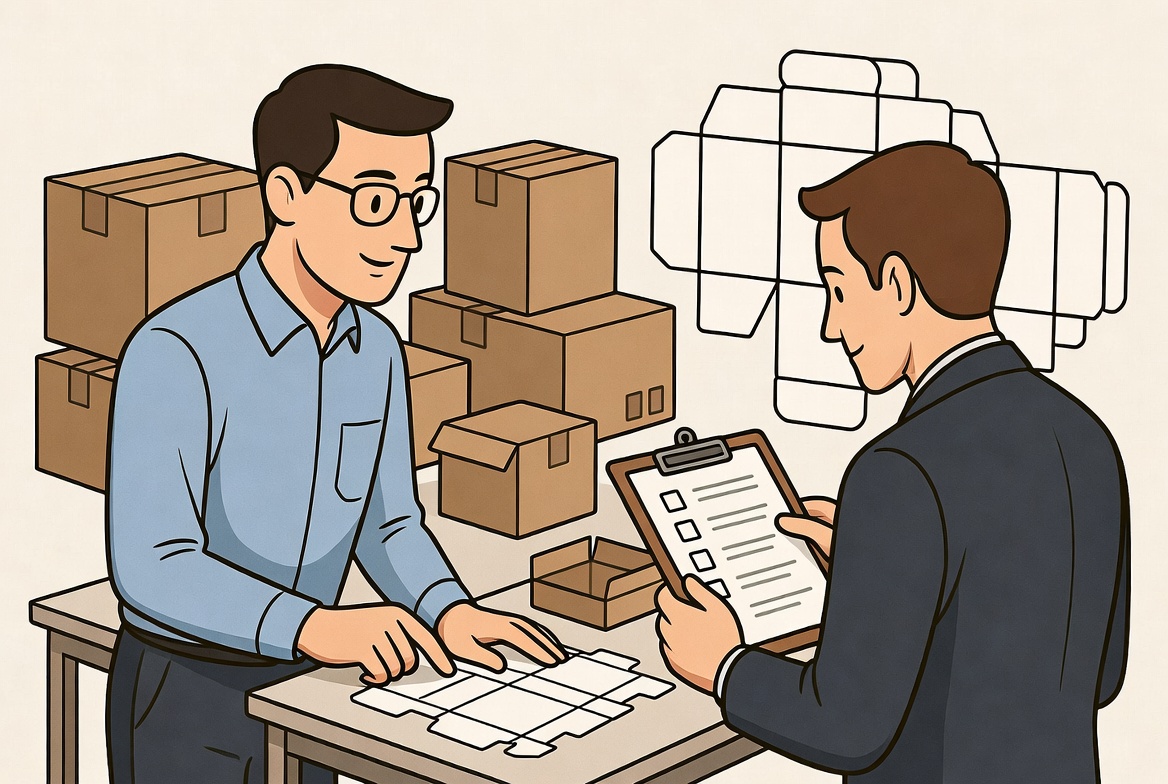
Working with a manufacturer that can design, sample, print, and convert under one roof speeds up iteration and reduces risk.
Shenzhen XingKun Packing Products Co., Ltd. supports this process through:
- Custom structural design for packaging boxes, inserts, and displays.
- Color-accurate printing across paperboard, corrugated, and specialty papers.
- Rapid prototyping and sampling to validate protection and appearance before full rollout. [cn.linkedin]
Latest Trends in Sustainable Packaging (2026 Snapshot)
Staying ahead of competitors means tracking how sustainability expectations are shifting.
- Circularity over "green look" – In 2026, truly sustainable packaging is judged by how well it fits current recovery systems, not just by using "eco-looking" materials. [ecoenclose]
- Regulatory pressure for recyclability and PCW content – Laws and retailer programs increasingly favor high-recycled-content, clearly recyclable packaging over niche compostable formats. [creativeretailpackaging]
- Data-driven ROI – Leading brands now model damage reduction, return rates, brand perception, and logistics savings when evaluating sustainable packaging investments. [creativeretailpackaging]
For box and print manufacturers, this means designing with the recycling system in mind from day one, while offering transparent data on materials and certifications.
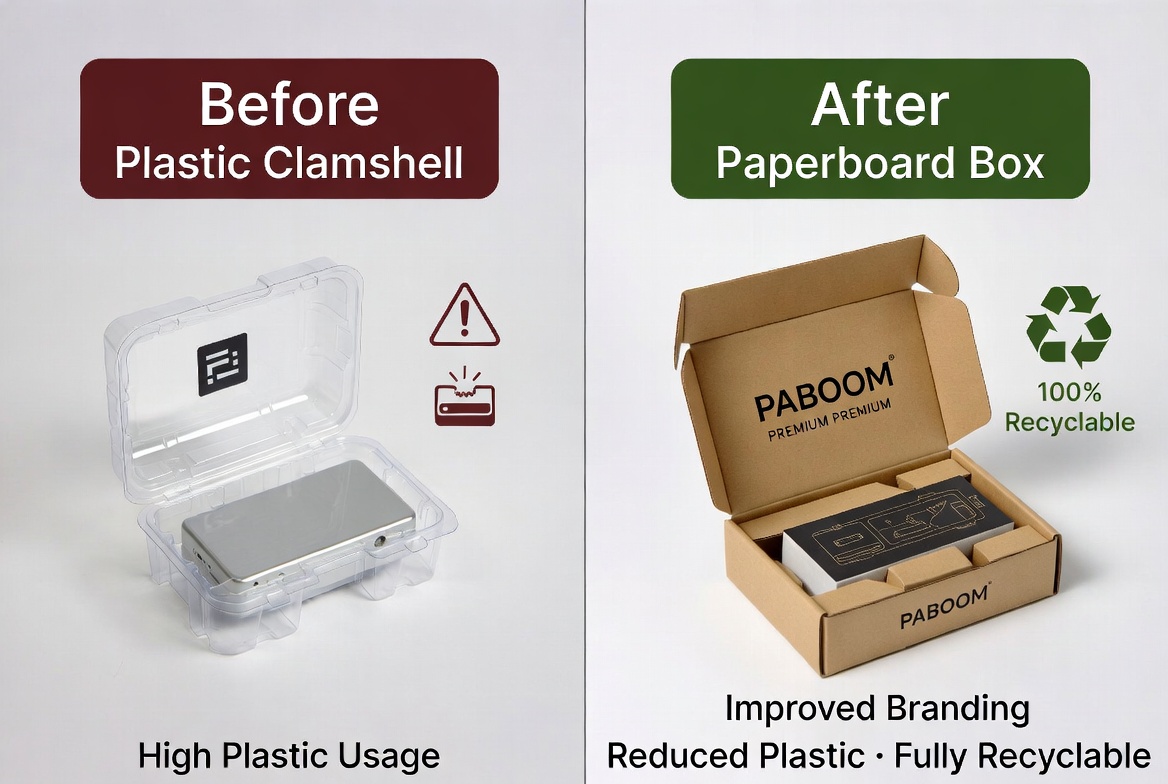
Real-World Example: Switching from Plastic Clamshell to Paperboard Box
Consider a consumer electronics accessory originally packed in a rigid plastic clamshell:
- Challenges: Excess shelf space, difficult opening, high plastic use, poor recyclability.
- Solution: A custom-printed paperboard folding carton with an internal paper insert that stabilizes the product.
- Outcomes typical in such transitions:
- Material shift from rigid PVC/PET to renewable paperboard. [climateactionaccelerator]
- Easier shelf stocking, improved print real estate for branding and compliance information.
- Curbside recyclability in most markets, enhancing consumer perception. [ecoenclose]
In our own projects, such redesigns often maintain or improve protection while reducing overall packaging weight and simplifying logistics.
Practical Checklist for Your Next Packaging Redesign
Use this quick checklist when briefing your internal team or your packaging partner:
1. Clarify goals – Is your priority to reduce plastic, improve recyclability, cut costs, or enhance shelf impact? Rank them.
2. Define constraints – Product fragility, storage humidity, shipping routes, regulatory requirements.
3. Set material preferences – For example, "Fiber-based first, mono-material only, plastic liner only if essential."
4. Request prototypes – Ask for at least two alternative structures to test: one conservative, one more aggressive in material reduction.
5. Test and measure – Track damage rates, customer feedback, and packing efficiency before scaling.
When you partner with a manufacturer like Shenzhen XingKun, you can integrate design, sampling, and full-scale production into a single workflow, minimizing delays and miscommunication. [xkdisplay]
Why Work with Shenzhen XingKun Packing Products Co., Ltd.?
With over 20 years of printing and packaging manufacturing experience, we specialize in packaging boxes and a wide range of printed products for brands and distributors worldwide. [cn.linkedin]
Key advantages for brands transitioning away from plastic:
- End-to-end support – From structural concept and artwork prepress to mass production and quality inspection.
- Global export expertise – We have already served brands and distributors in 30+ countries and regions, so we understand customs, labeling, and logistics requirements for international shipments. [xkdisplay]
- Flexible production – Capabilities spanning folding cartons, rigid boxes, display boxes, manuals, cards, and more, enabling cohesive, fully branded packaging systems.
By aligning technical know-how with sustainability best practices, we help you turn eco-friendly packaging into a measurable competitive advantage, not just a marketing slogan.
Call to Action: Start Your Plastic-Reduction Packaging Project
If your team is planning to:
- Replace plastic clamshells with paperboard boxes
- Upgrade e‑commerce shipping cartons to branded, right-sized corrugated packaging
- Consolidate multiple plastic components into a single, recyclable paper-based solution
…then now is the ideal time to act. Industry trends and regulations already favor brands that move early. [creativeretailpackaging]
Contact Shenzhen XingKun Packing Products Co., Ltd. to discuss your next packaging project and receive tailored structural and printing proposals based on your product line, target markets, and sustainability goals. [cn.linkedin]
Frequently Asked Questions (FAQ)
1. Are paper-based alternatives always better than plastic?
Not always. In high-moisture or highly regulated applications, plastic may still be necessary, but you can often shift toward mono-material, recycled-content plastics and reduce overall usage. Fiber-based boxes and trays typically perform best where recycling systems are mature and moisture demands are moderate. [ecoenclose]
2. How do I know if my new packaging is truly recyclable?
Check if the structure is mono-material, confirm local recycling guidelines, and avoid heavy laminates or complex coatings that hinder recovery. Working with an experienced packaging supplier can help you select inks, coatings, and accessories that keep the pack compatible with common recycling streams. [ecoenclose]
3. Will switching from plastic to paper increase my costs?
It depends on design and volumes. While some specialty papers and barriers cost more per unit, brands often save on logistics, damage reduction, and improved brand perception, which can offset or exceed material costs. Right-sizing and eliminating unnecessary components are powerful cost levers. [creativeretailpackaging]
4. How long does a packaging transition project usually take?
A typical redesign—from first concept to full roll-out—can take anywhere from a few weeks to several months, depending on product complexity, testing requirements, and regulatory approvals. By consolidating design, sampling, and production with one partner, you can significantly shorten this timeline. [xkdisplay]
5. What information should I prepare before talking to a packaging manufacturer?
Have product dimensions and weights, shipping conditions, current damage rates, sustainability targets, and any retailer/regulatory constraints ready. The more precise your brief, the faster your supplier can propose optimized, plastic-reducing alternatives. [s-lab]
References
- Climate Action Accelerator – "Alternative packaging materials."
<https://climateactionaccelerator.org/solutions/alternative-packaging-materials/> [climateactionaccelerator]
- EcoEnclose – "Sustainable Packaging Trends for 2026: What Eco Brands Need to Know."
<https://www.ecoenclose.com/blog/sustainable-packaging-trends-for-2026> [ecoenclose]
- S.Lab – "The 5 Best Sustainable Packaging Solutions in 2026."
<https://s-lab.bio/sustainable-packaging-solutions-2026/> [s-lab]
- WestRock – "8 希望更具可持续性的品牌替代塑料包装."
<https://zh.westrock.com/blog/8-alternatives-to-plastic-packaging> [zh.westrock]
- Creative Retail Packaging – "Sustainable Packaging: The Complete Guide for 2026."
<https://creativeretailpackaging.com/packaging-insights/sustainable-packaging-guide/> [creativeretailpackaging]
- Eartheasy – "The Best Eco-Friendly Alternatives for the Plastic in Your Life."
<https://eartheasy.com/blogs/live/the-best-eco-friendly-alternatives-for-the-plastic-in-your-life> [eartheasy]
- WWF – "10 worst single-use plastics and eco-friendly alternatives."
<https://wwf.org.au/blogs/10-worst-single-use-plastics-and-eco-friendly-alternatives/> [wwf.org]
- XINGKUN official site – "XINGKUN: Wholesale packaging boxes, playing cards, display ..."
<https://www.xkdisplay.com> [xkdisplay]
- XingKun Packing Products Co Ltd – Company profile.
<https://cn.linkedin.com/company/xingkun-printing-products> [cn.linkedin]


