Content Menu
● What Puzzle Prints Mean in Today's Market
● Why Puzzle Prints Still Convert
● Core Uses for Custom Puzzle Printing
● What Makes a High-Quality Puzzle Print
>> Image quality and resolution
>> Print finish and color control
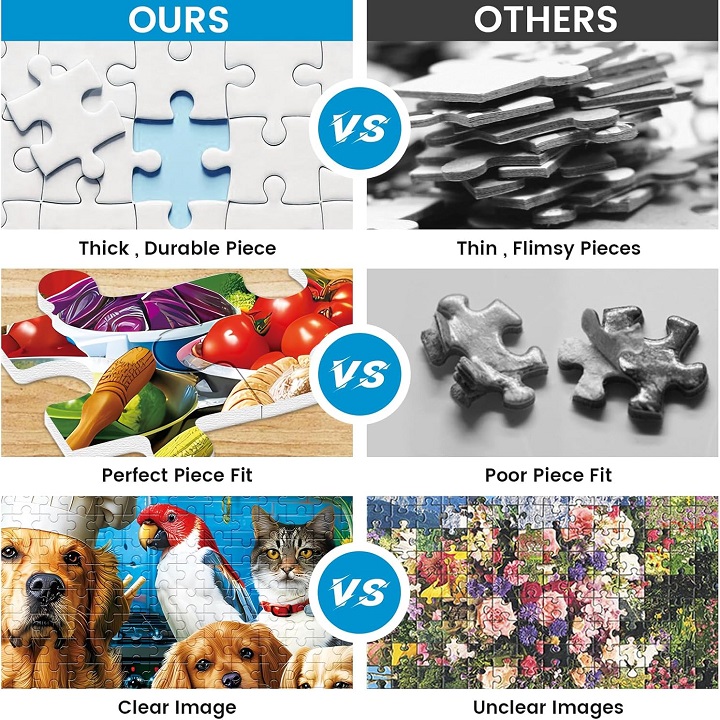
>> Cutting accuracy
● How to Choose the Right Puzzle Print Image
>> Use this checklist
● Product Specifications Buyers Should Review
● New Growth Opportunities in Puzzle Prints
>> 1. Personalized gifting
>> 2. Brand storytelling
>> 3. Education and wellness
● Manufacturing Considerations for OEM and ODM Buyers
● How to Improve Retail Performance
>> Best-practice actions
● Why Brand Buyers Prefer Custom Suppliers in China
● Ordering Workflow That Reduces Risk
● Why Puzzle Prints Fit Modern Buyers
● Conclusion
● FAQ
>> 1. What are puzzle prints?
>> 2. What image quality is best for puzzle printing?
>> 3. What images work best for custom puzzles?
>> 4. Can puzzle prints be used for branding?
>> 5. What should I ask a puzzle factory before ordering?
>> 6. Why are custom puzzle prints popular now?
● References
Puzzle prints have evolved from a simple pastime into a high-value product for gifting, retail, education, and brand marketing. For OEM and ODM buyers, the real opportunity is not just printing an image on cardboard, but creating a puzzle experience that is visually sharp, durable, and commercially viable. [market]
What Puzzle Prints Mean in Today's Market
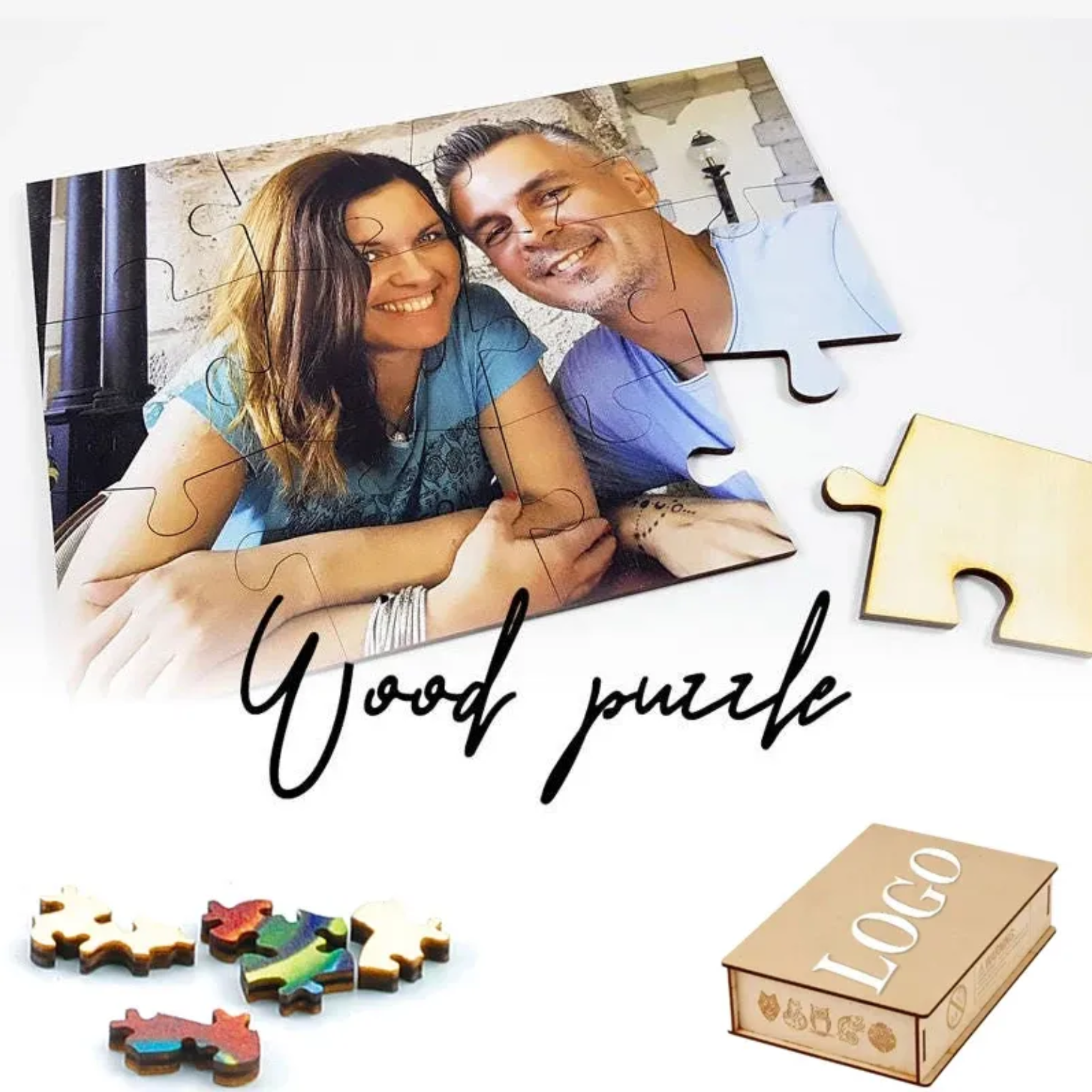
In commercial terms, puzzle prints refer to printed puzzle products that turn photos, artwork, branding, or illustrations into an interlocking format. That can include custom jigsaw puzzles for retail, promotional puzzle gifts, educational tools, and collectible designs. The category remains attractive because it combines entertainment, tactile engagement, and personalization in a way that digital products cannot fully replace. [market]
The global jigsaw puzzle market is projected to grow from USD 2.0 billion in 2025 to USD 2.8 billion by 2035, reflecting steady long-term demand rather than a short-term trend. That matters for brands and distributors because it signals a stable category with room for differentiation through design, packaging, and premium print quality. [market]
For manufacturers, this means buyers are looking for more than a print service. They want consistent color reproduction, precise die-cutting, packaging flexibility, and reliable OEM/ODM execution. [market]
Why Puzzle Prints Still Convert
Puzzle prints continue to perform well because they sit at the intersection of emotional value and practical use. A family photo puzzle feels personal, a branded corporate puzzle feels memorable, and an illustrated retail puzzle feels collectible. This versatility makes the product useful across gifts, promotions, retail shelves, and educational programs. [market]
From a UX perspective, puzzles also encourage longer engagement than many other printed products. People interact with the image before, during, and after assembly, which gives the design more "touchpoints" and increases perceived value. That is one reason custom puzzle printing is often stronger than standard print-only merchandise. [market]
Core Uses for Custom Puzzle Printing
Puzzle prints are not limited to hobby buyers. In B2B sourcing, the most common use cases are broader and more commercial. [market]
Retail puzzles, sold under licensed art, photography, or lifestyle themes.
Corporate gifts, especially for campaigns, anniversaries, and employee engagement.
Promotional products, where brands use logos, mascots, or product images.
Educational puzzles, used in classrooms and learning kits.
Personalized gifts, such as family, wedding, travel, or pet photo puzzles.
Collector or premium editions, where packaging and finish carry extra value. [market]
For buyers, the most profitable formats usually balance strong visual appeal with manageable production complexity. That is where packaging, piece count, and print finish need to be planned together instead of separately. [market]
What Makes a High-Quality Puzzle Print
A strong puzzle print is judged by the final customer, not only by the factory. If the print looks dull, the colors shift, or the image becomes blurry after cutting, the product loses value immediately. [photography]
Image quality and resolution
The image should be high resolution, with a recommended standard of 300 DPI for optimal clarity in custom puzzle production. Industry guidance also emphasizes using the highest possible resolution and avoiding overly compressed image files. [themissingpiecepuzzle]
A good puzzle image should also have:
clear subject focus,
balanced light and shadow,
enough detail across the frame,
limited large blank areas. [youtube]
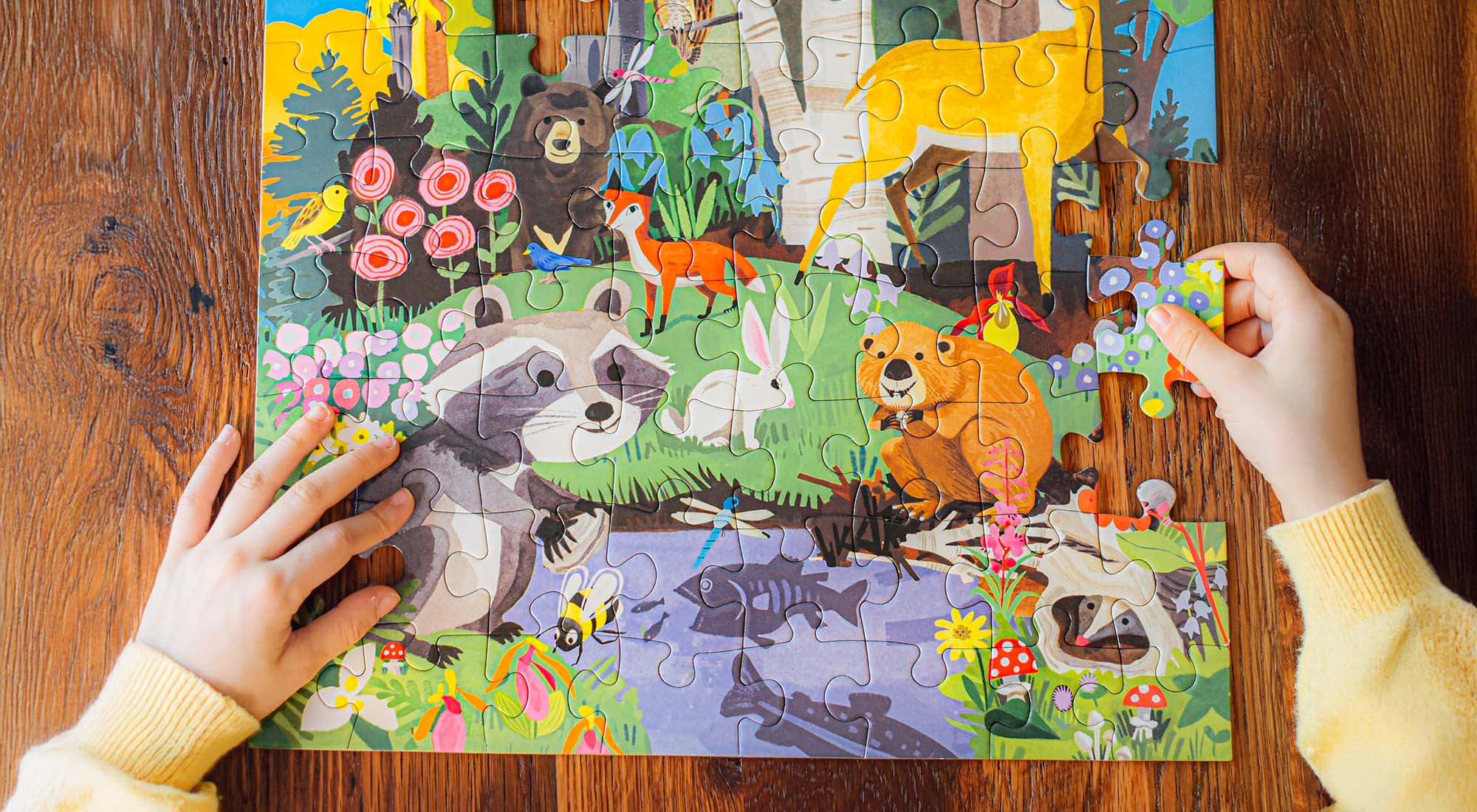
Large uniform areas, such as walls, sky, or plain backgrounds, can make a puzzle less engaging and harder to solve in a frustrating way. A better choice is an image with texture, contrast, and multiple visual anchors. [photography]
Print finish and color control
Print quality is not only about resolution. It also depends on how well the factory manages color consistency, lamination, and surface finish. High-quality puzzle printing typically uses controlled reproduction methods so the final product preserves sharp details and vivid tones. [velxunmachine]
A matte finish can reduce glare, while a gloss finish can make colors feel brighter. The best choice depends on the target customer, the art style, and whether the puzzle will be used by families, collectors, or brands. [market]
Cutting accuracy
Puzzle pieces must fit cleanly without loose edges, poor alignment, or inconsistent shapes. Precision cutting is essential because even a beautiful image will feel cheap if the assembly experience is weak. Manufacturing references show that quality puzzle production depends on controlled cutting and testing at the finishing stage. [jabaygames]
How to Choose the Right Puzzle Print Image
Image selection is one of the highest-impact decisions in puzzle print production. Many buyers focus on artwork first, but the best-selling puzzle images are usually chosen for solvability, not just beauty. [youtube]
Use this checklist
1. Choose a high-resolution file.
2. Prefer images with strong contrast and visible texture.
3. Avoid tiny subjects placed in wide empty backgrounds.
4. Keep key content away from crop edges.
5. Test how the image looks when reduced to the final puzzle size. [createjigsawpuzzles]
This is especially important for personalized puzzles. A family portrait, for example, should have enough face detail to remain clear after printing and cutting. A product image should be professionally lit so the brand message remains visible. [themissingpiecepuzzle]
Product Specifications Buyers Should Review
One advantage of puzzle prints is that they can be adapted to very different markets. A good factory should let you customize size, piece count, box style, and material. XingKun's product page shows that its picture puzzles support customization across multiple formats, including 50-piece to 1,000-piece ranges, special shapes, and different packaging styles. [market]
| Specification | Why It Matters | Common Buyer Impact |
| Piece count | Controls difficulty and target audience | Children, adults, hobbyists |
| Assembly size | Affects image layout and retail shelf fit | Packaging and logistics |
| Board material | Influences durability and print feel | Premium vs. mass market |
| Box style | Shapes first impression and gifting appeal | Retail conversion |
| Finish | Changes glare and visual quality | User satisfaction |
| Quantity | Determines unit price and production planning | Wholesale efficiency |
This kind of structured planning helps brands avoid mismatches between artwork, packaging, and customer expectations. It also improves quotation accuracy before production begins. [market]
New Growth Opportunities in Puzzle Prints
The strongest new opportunity in puzzle printing is personalization at scale. Consumers increasingly want products that feel unique, and brands want merchandise that is shareable, giftable, and easy to localize. [market]
1. Personalized gifting
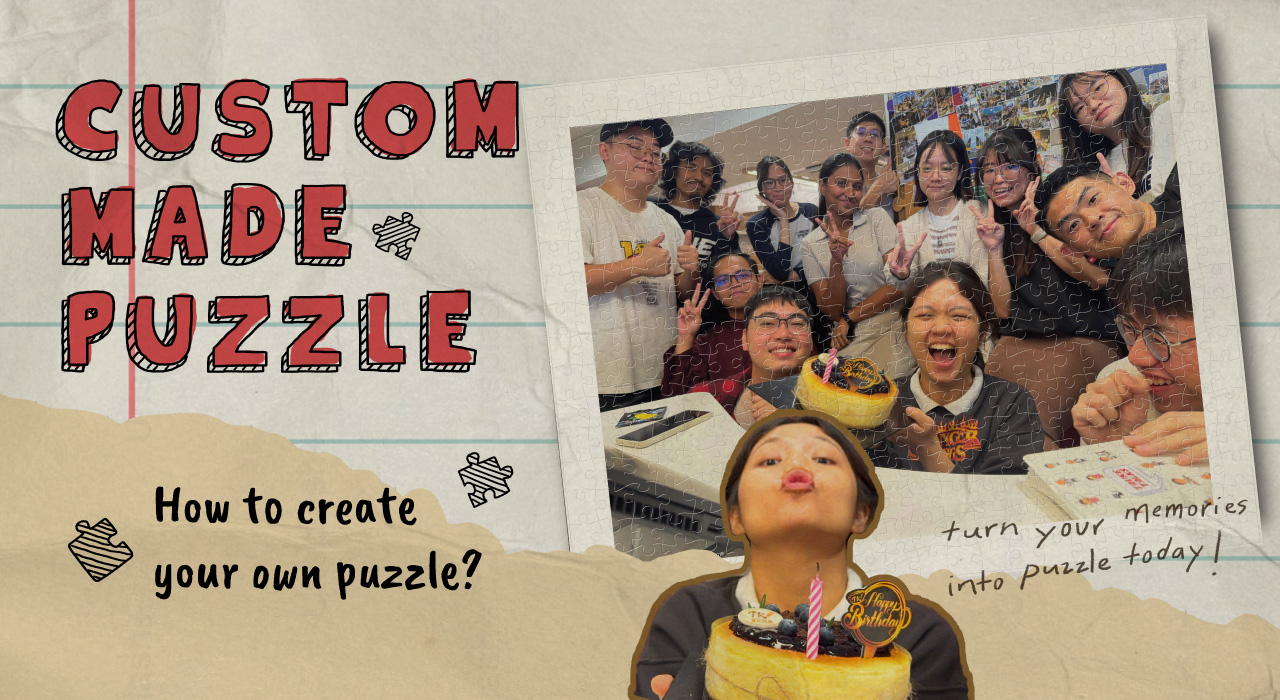
Photo puzzles are becoming popular because they turn memories into an interactive keepsake. That gives the product emotional value, which often supports higher margins than generic puzzle designs. [photography]
2. Brand storytelling
For companies, puzzle prints can be used to tell a story instead of simply displaying a logo. A product launch puzzle, for example, can reveal a new design piece by piece and create a stronger unboxing moment. [market]
3. Education and wellness
The puzzle market continues to benefit from demand for screen-free learning and mindful leisure. Market research shows that puzzles are used across children, adults, and institutional settings because they support concentration, memory, and problem-solving. [market]
These three growth paths matter because they help buyers move beyond commodity pricing. They also support repeat orders when the design system, packaging, and SKU strategy are built properly. [market]
Manufacturing Considerations for OEM and ODM Buyers
For overseas brands and wholesalers, the factory choice often determines product consistency more than the artwork itself. A reliable supplier should understand image preparation, print proofing, die-cut tolerance, material sourcing, and packaging customization. [market]
A serious puzzle printing partner should be able to provide:
artwork checking before production,
sample confirmation,
board and print options,
box and insert customization,
stable mass production,
quality inspection before shipment. [velxunmachine]
At XingKun, the value proposition is not just puzzle manufacturing. It is the ability to support OEM & ODM custom packaging and print products under one production framework, which is useful for buyers sourcing puzzles together with packaging boxes, playing cards, printed books, and stickers. [market]
How to Improve Retail Performance
If you are selling puzzle prints in retail or on marketplaces, packaging and image strategy matter as much as production quality. Buyers usually decide within seconds, so the product must communicate value immediately. [market]
Best-practice actions
Use a cover image that shows the final artwork clearly.
Add a simple difficulty or piece-count indicator on the box.
Keep typography readable and consistent with the target audience.
Match the box finish to the product positioning.
Include a strong gifting message if the product is personalized. [market]
A useful example is a 1,000-piece landscape puzzle aimed at adults. If the image has enough detail, the box can emphasize challenge, relaxation, and display value. If the same puzzle is framed as a family activity, the messaging should highlight bonding and screen-free time. [market]
Why Brand Buyers Prefer Custom Suppliers in China
Many overseas buyers choose Chinese manufacturing because it offers flexibility in customization, broad packaging options, and scalable production economics. That is especially important when a project needs not only the puzzle itself but also a coordinated box, insert, and shipping carton system. [market]
For puzzle prints, the best supplier is usually the one that can translate a concept into a product without losing image quality or delivery reliability. In practice, that means better prepress support, stable materials, and a production team that understands export requirements. [jabaygames]
Ordering Workflow That Reduces Risk
To reduce errors, buyers should use a structured purchasing process. This is especially helpful for OEM and ODM puzzle programs. [market]
1. Confirm target audience and piece count.
2. Select the image and check resolution.
3. Decide box style, finish, and material.
4. Request a sample or digital proof.
5. Approve the final layout before mass production.
6. Verify packaging, labeling, and shipping details. [createjigsawpuzzles]
This process lowers the chance of print mismatch, incorrect cropping, or packaging errors. It also shortens approval cycles and helps the factory quote more accurately. [createjigsawpuzzles]
Why Puzzle Prints Fit Modern Buyers
Puzzle prints work well in today's market because they combine physical interaction, emotional value, and repeatable production logic. Unlike many novelty products, they can be positioned as gifts, learning tools, collectible merchandise, or promotional assets. [market]
They also scale well across audiences. A 50-piece puzzle may serve children, while a 1,000-piece version targets adults seeking a more immersive experience. That flexibility makes the category especially attractive for distributors building multiple price tiers from one core concept. [market]
Conclusion
Puzzle prints are a strong product category for brands that want something tactile, personal, and commercially adaptable. The winners in this space are not only those who print a good image, but those who align artwork, materials, packaging, and customer intent into one coherent product experience. [market]
If you are building a custom puzzle line for retail, gifting, or promotion, the most important success factors are high-resolution artwork, stable production quality, and packaging that matches the market position. For B2B buyers, working with a supplier that understands OEM/ODM customization can turn a simple puzzle into a better-selling product. [market]
FAQ
1. What are puzzle prints?
Puzzle prints are printed images, photos, or artwork turned into jigsaw puzzles for gifts, retail, education, or brand promotion. [market]
2. What image quality is best for puzzle printing?
A high-resolution file with about 300 DPI is commonly recommended for clear custom puzzle printing. [ravensburger.co]
3. What images work best for custom puzzles?
Images with strong contrast, visible texture, and balanced composition work best because they are more engaging to assemble. [youtube]
4. Can puzzle prints be used for branding?
Yes. Brands often use custom puzzle prints for promotions, giveaways, product launches, and corporate gifts. [market]
5. What should I ask a puzzle factory before ordering?
Ask about material options, print finish, piece count, sample policy, packaging choices, and quality control procedures. [velxunmachine]
6. Why are custom puzzle prints popular now?
They combine personalization, screen-free entertainment, and gift value, which makes them attractive across multiple customer segments. [photography]
References
1. Market.US. "Jigsaw Puzzle Market Size | CAGR 3.6%." https://market.us/report/global-jigsaw-puzzle-market/ [market]
2. XingKun Display. "Picture Puzzles." https://www.xkdisplay.com/picture-puzzles.html [market]
3. Photography.com. "How to Choose the Best Images for Your Custom Jigsaw Puzzle." https://photography.com/blogs/news/choosing-the-best-images-for-your-custom-jigsaw-puzzle-a-comprehensive-guide [photography]
4. The Missing Piece Puzzle. "How to Choose the Perfect Photo for Your Personalized Jigsaw Puzzle." https://themissingpiecepuzzle.com/pages/choose-a-photo-for-puzzle [themissingpiecepuzzle]
5. Ravensburger. "FAQ Photo Selection." https://www.ravensburger.co.uk/en-GB/service/faq-personalised-gifts/faq-photo-selection [ravensburger.co]
6. Velxun Machine. "Puzzle Production: How Are Jigsaw Puzzles Made?" https://velxunmachine.com/puzzle-production-how-are-jigsaw-puzzles-made/ [velxunmachine]
7. CreateJigsawPuzzles.com. "FAQ on digital photos, pixels and image file types." https://www.createjigsawpuzzles.com/faq-photo.aspx [createjigsawpuzzles]
8. Jabay Games. "How Puzzle Manufacturers Prevent from Missing Pieces While Production." https://jabaygames.com/how-to-avoid-puzzle-pieces-missing-while-production/ [jabaygames]


