Content Menu
● Conceptualization
>> Choosing a Theme
>> Defining Game Mechanics
● Designing the Game
>> Creating Cards
>> Prototype Development
● Playtesting
>> Gathering Feedback
>> Iteration
● Finalizing Design
>> Artwork and Graphic Design
>> Rulebook Creation
● Production
>> Finding a Manufacturer
>> Marketing Your Game
● Advanced Design Considerations
>> Balancing Strategy and Luck
>> Creating Unique Gameplay Mechanics
● Conclusion
● Frequently Asked Questions (FAQs)
>> 1. What should I consider when choosing a theme for my card game?
>> 2. How do I balance my card game's mechanics?
>> 3. What tools can I use for designing my cards?
>> 4. How many times should I playtest my game?
>> 5. What are some effective marketing strategies for my card game?
● Citations:
Creating a card game can be an exciting and rewarding endeavor. Whether you are looking to design a casual game for family gatherings or a competitive game for enthusiasts, the process involves a series of structured steps. This article will guide you through the entire process of building your own card game, from conceptualization to production, ensuring that you have a comprehensive understanding of what it takes to create a successful card game.
Conceptualization
The first step in creating a card game is to develop your concept. This involves brainstorming ideas and narrowing them down to a clear theme and mechanics.
Choosing a Theme
Your theme is the foundation of your card game. It sets the tone and context for gameplay. Consider the following when choosing your theme:
- Target Audience: Who do you want to play your game? Families, children, or hardcore gamers?
- Genre: Will it be fantasy, horror, educational, or something else?
- Inspiration: Look at existing games for inspiration but aim to create something unique.
A well-defined theme not only attracts players but also influences the design of cards, mechanics, and even the narrative of the game. For example, if you choose a fantasy theme, you might incorporate elements like magic spells, mythical creatures, and epic quests.
Defining Game Mechanics
Once you have a theme, outline the mechanics of your game. Mechanics are the rules and systems that govern gameplay. Key considerations include:
- Win Conditions: How does a player win? Is it by accumulating points, eliminating opponents, or completing objectives?
- Player Interaction: How will players interact with each other? Will they cooperate, compete, or both?
- Game Flow: Define how turns are structured. Is it turn-based, simultaneous play, or something else?
The mechanics should align with your theme to create an immersive experience. For instance, in a survival-themed card game, mechanics might include resource management and elimination.
Designing the Game
With your concept in hand, it's time to design the actual game components.
Creating Cards
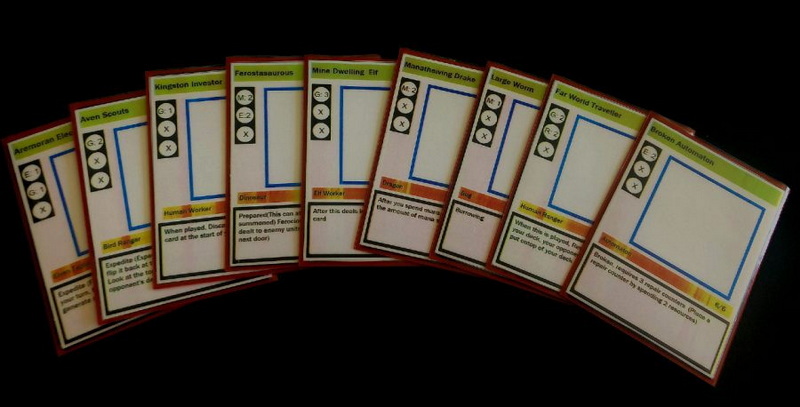
Designing cards is one of the most crucial aspects of your card game. Here's how to approach it:
- Card Types: Decide on different types of cards (e.g., action cards, character cards, resource cards) and their functions.
- Card Design: Use software like Adobe Illustrator or free alternatives like Photopea to create card layouts. Each card should clearly display its name, effects, and any relevant artwork.
- Balance: Ensure that no single card is overpowered compared to others. Playtesting will help identify balance issues.
When designing cards, consider incorporating visual elements that enhance gameplay without overwhelming players. For example, using symbols can reduce text density on cards while still conveying essential information effectively[1].
Prototype Development
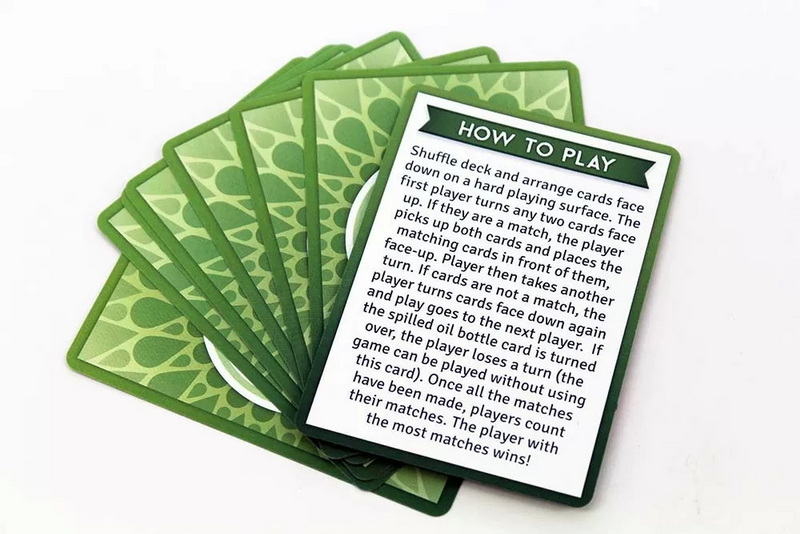
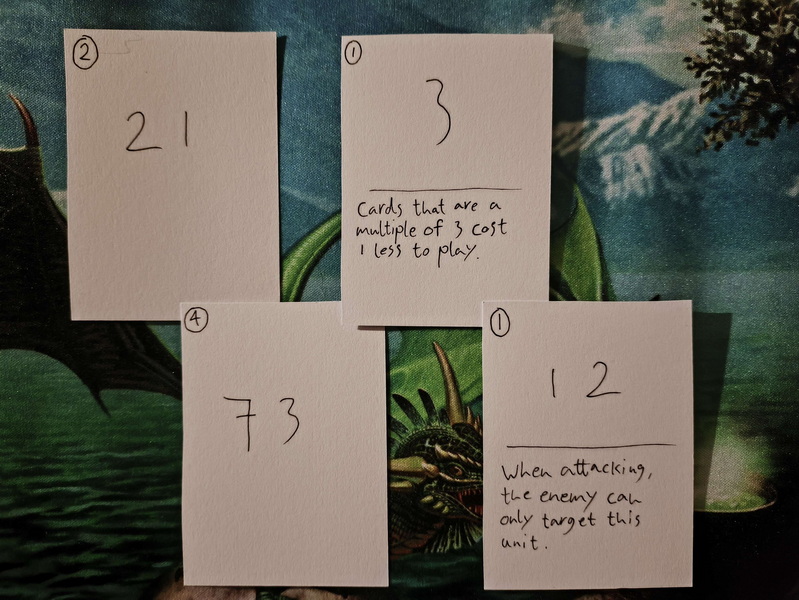
Create a prototype of your game using simple materials like index cards or printed mock-ups. This allows you to test gameplay without investing in professional printing initially.
Playtesting
Playtesting is essential for refining your game mechanics and ensuring that players enjoy the experience.
Gathering Feedback
Invite friends or family members to playtest your game. Observe their interactions and gather feedback on:
- Clarity of Rules: Are the rules easy to understand? Do players grasp how to play without extensive explanations?
- Engagement: Are players engaged throughout the game? Do they find it fun?
- Balance: Are there any cards or strategies that dominate gameplay?
During playtesting sessions, it's vital to encourage open feedback from players about their experiences and feelings towards different aspects of the game.
Iteration
Based on feedback, make necessary adjustments to your game's mechanics and components. This may involve changing rules, modifying card effects, or even rethinking certain aspects of gameplay.
Finalizing Design
Once you have refined your prototype through multiple rounds of playtesting, it's time to finalize your design.
Artwork and Graphic Design
Invest in professional artwork if possible since high-quality visuals can significantly enhance player engagement and marketability[3].
Rulebook Creation
Write a clear and concise rulebook that explains how to play your game. Include examples and illustrations where necessary to aid understanding[2].
Key elements for an effective rulebook include:
- Clarifying Goals: State what players are trying to achieve right at the beginning.
- Inventory Components: Include pictures and descriptions of all components.
- Organizing Information Intuitively: Structure rules logically so players can easily find information during gameplay.
Production
With everything finalized, you can move on to production.
Finding a Manufacturer
Research manufacturers who specialize in printing card games. Consider factors such as:
- Quality: Look for reviews and samples from previous clients.
- Cost: Get quotes from multiple manufacturers to find competitive pricing.
- Minimum Order Quantities: Ensure that their minimum order quantities align with your needs.
Marketing Your Game
Once printed, think about how you will market your card game:
- Social Media: Utilize platforms like Instagram and Facebook for promotion.
- Game Conventions: Attend conventions where you can showcase your game.
- Crowdfunding: Consider platforms like Kickstarter if you're looking for funding support.
Advanced Design Considerations
As you develop your card game further, consider these advanced design principles:
Balancing Strategy and Luck
A great card game strikes a balance between strategy and luck[5]. Players should feel they have control over their decisions while still experiencing unpredictability through random elements like drawing cards.
To maintain this balance:
- Introduce elements of luck (e.g., drawing random cards) while allowing strategic choices (e.g., when to play certain cards).
- Test various scenarios during playtesting to ensure no single aspect overshadows the other.
Creating Unique Gameplay Mechanics
Innovative gameplay mechanics can set your card game apart from others[4]. Experiment with different ways players can interact with each other and their cards:
- Consider introducing drafting mechanics where players select cards from a limited pool.
- Explore cooperative elements where players must work together toward common goals while still competing against each other.
Conclusion
Building a card game involves several steps from conceptualization through production. By following this structured approach—focusing on theme selection, mechanics design, playtesting, finalizing design elements, production processes, and advanced considerations—you can create an engaging card game that resonates with players.
Frequently Asked Questions (FAQs)
1. What should I consider when choosing a theme for my card game?
When selecting a theme, consider your target audience's interests while ensuring it aligns with the gameplay mechanics you plan to implement.
2. How do I balance my card game's mechanics?
Balancing mechanics requires thorough playtesting; observe player interactions and adjust card effects accordingly so no single strategy dominates gameplay.
3. What tools can I use for designing my cards?
You can use graphic design software like Adobe Illustrator or free alternatives such as Photopea for creating professional-looking cards.
4. How many times should I playtest my game?
Playtest as many times as necessary until you feel confident in the game's mechanics; typically aim for at least three rounds with different groups of players.
5. What are some effective marketing strategies for my card game?
Utilize social media platforms for promotion, attend gaming conventions to showcase your product, and consider crowdfunding options like Kickstarter for initial funding support.
Citations:
[1] https://danielsolisblog.blogspot.com/2011/11/5-graphic-design-and-typography-tips.html
[2] https://islaythedragon.com/featured/laying-down-the-law-a-guide-to-rulebook-writing/
[3] https://www.qinprinting.com/blog/create-a-custom-card-set-to-sel/
[4] https://www.ducksauce.games/blog/how-to-design-a-card-game
[5] https://www.qpmarketnetwork.com/how-to-make-a-card-game-that-players-will-love/
[6] https://www.facebook.com/groups/theboardgamegroup/posts/9006591666061439/
[7] https://writing.stackexchange.com/questions/40219/explaining-made-up-card-game
[8] https://praliedutzel.wordpress.com/2013/01/31/creating-a-card-game-from-start-to-finish/
[9] https://www.rondout.k12.ny.us
[10] https://www.reddit.com/r/boardgames/comments/v0mjy8/looking_for_one_to_two_page_pdfs_crammed_full_of/
[11] https://remptongames.com/2023/09/23/from-concept-to-card-how-to-design-an-epic-tcg-set/
[12] https://porthouston.com
[13] https://www.youtube.com/watch?v=XpJOuVB5lLU
[14] https://www.swtor.com/buy
[15] https://www.reddit.com/r/boardgames/comments/lfkj3u/how_much_text_on_a_simple_card_game_is_too_much/
[16] https://www.launchnotes.com/blog/mastering-battle-card-strategies-a-comprehensive-guide
[17] https://www.wvced.com/product/sentence-stretch-games-basic-and-advanced/
[18] https://danielsolisblog.blogspot.com/2014/03/how-to-write-and-lay-out-rules-on-cards.html
[19] https://potatopirates.game/blogs/computer-science/how-to-create-a-card-game
[20] https://www.baltimoreravens.com/news/game-preview-ravens-steelers-wild-card-zay-flowers-2024
[21] https://www.reddit.com/r/tabletopgamedesign/comments/rd2vn0/how_to_make_a_card_game/


