Content Menu
● Understanding the Purpose of Your Cards
● Key Components of Game Cards
● Designing for Readability
● Visual Hierarchy
● The Art Element
● Prototyping Your Cards
● Iterative Design Process
● Printing Considerations
● Marketing Your Game Cards
● Expanding Gameplay with Variants
● Conclusion
● Frequently Asked Questions
>> 1. What software should I use for designing board game cards?
>> 2. How do I ensure my card text is readable?
>> 3. What is the importance of playtesting my card designs?
>> 4. How do I create a cohesive art style across my cards?
>> 5. What are common mistakes in card design?
● Citations:
Designing board game cards is a vital aspect of game development that can significantly influence gameplay, aesthetics, and player engagement. This comprehensive guide will cover the essential steps and considerations for creating effective and visually appealing game cards.

Understanding the Purpose of Your Cards
Before diving into the design process, it's crucial to understand the role of the cards in your game. Cards can serve various purposes, including:
- Game Mechanics: Cards often dictate the actions players can take, resources they can gather, or abilities they can use. For example, in a card-based strategy game, each card may represent a unit with specific strengths and weaknesses.
- Theme Representation: The artwork and design should reflect the theme of your game, immersing players in its world. A fantasy-themed game might feature dragons and wizards, while a sci-fi game could include spaceships and aliens.
- Player Interaction: Cards can facilitate interaction between players, whether through competition, cooperation, or conflict. For instance, cards that allow players to trade resources or attack opponents can create dynamic interactions.
Key Components of Game Cards
When designing your cards, consider incorporating the following components:
- Title: A clear and concise name for the card that conveys its function or role. The title should be prominently displayed to catch players' attention quickly.
- Artwork: Visual elements that enhance the thematic experience. High-quality art can draw players in and create a memorable atmosphere. Consider hiring an artist or using stock images that fit your theme.
- Text Description: Clear instructions or effects that explain what the card does. This text should be legible and easy to understand at a glance. Use bullet points or numbered lists for complex effects to improve clarity.
- Icons: Simple graphics that represent actions or effects. Icons can help convey information quickly and reduce text clutter. For example, using a sword icon for attack points can make it easier for players to grasp card functions.
- Stats or Values: If applicable, include numerical values (e.g., attack points, defense points) that are relevant to gameplay. Make sure these values are easily distinguishable from other text on the card.
Designing for Readability
One of the most critical aspects of card design is ensuring readability. Here are some tips:
- Font Choice: Use legible fonts that are easy to read from a distance. Avoid overly decorative fonts that may hinder comprehension. Sans-serif fonts are often preferred for their clarity.
- Text Size: Ensure that text is large enough to be read comfortably during gameplay. Generally, a minimum font size of 10pt is recommended for body text, with larger sizes for titles and important information.
- Contrast: Use contrasting colors for text and backgrounds to enhance visibility. For example, dark text on a light background or vice versa can improve readability.
- Spacing: Adequate spacing between elements helps prevent clutter and makes it easier for players to process information quickly. Use margins effectively to create breathing space around text and icons.
Visual Hierarchy
Establishing a visual hierarchy is essential for guiding players' attention to the most important elements on the card. Consider these strategies:
- Placement: Position key information (like card title and main effects) prominently at the top or center of the card. This ensures that players see critical information first.
- Size Variation: Use larger fonts for important text and smaller fonts for secondary information. This creates a clear distinction between different types of content.
- Color Coding: Implement color coding to categorize different types of cards or effects. This helps players quickly identify card functions at a glance.
The Art Element
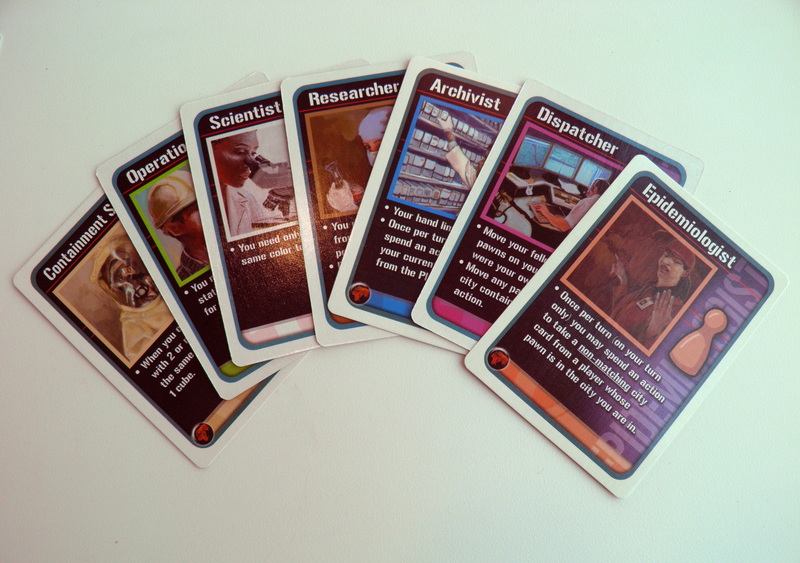
Art plays a crucial role in board game cards, as it not only beautifies but also reinforces thematic elements. Here are some considerations:
- Art Style Consistency: Maintain a consistent art style across all cards to create a cohesive look. Whether it's whimsical, realistic, or abstract, consistency helps unify the game's aesthetic.
- Artwork Placement: Decide how much space artwork will occupy on each card. Typically, artwork should complement rather than overwhelm text and icons.
- High Resolution: Ensure all artwork is high resolution (at least 300 DPI) to prevent pixelation when printed. This is especially important if you plan on producing high-quality prints for retail distribution.
Prototyping Your Cards
Before finalizing your designs, create prototypes to test functionality and aesthetics:
- Use Card Templates: Utilize templates available online or design your own to ensure proper sizing and layout during prototyping. Many print shops offer templates tailored to their specifications.
- Print on Cardstock: Print prototypes on cardstock for durability during playtesting sessions. You want your prototypes to mimic the final product as closely as possible.
- Gather Feedback: Conduct playtests with your prototypes to gather feedback on readability, functionality, and overall player experience. Observing how players interact with your cards can provide invaluable insights into necessary adjustments.
Iterative Design Process
Card design is rarely perfect on the first try; it often requires multiple iterations:
1. Initial Drafts: Create initial designs based on your concepts.
2. Playtesting: Test these designs in gameplay scenarios to see how they function in practice.
3. Feedback Collection: Gather feedback from players regarding clarity, aesthetics, and usability.
4. Revisions: Make necessary adjustments based on feedback before moving onto final designs.
5. Finalization: Once satisfied with revisions, prepare files for printing using appropriate specifications (e.g., bleed areas).
Printing Considerations
When preparing your cards for printing:
- Bleed Area: Include a bleed area (typically 3mm) around each card design to ensure no important elements are cut off during printing.
- CMYK Color Mode: Use CMYK color mode when designing graphics for print to ensure color accuracy. RGB colors may look different when printed; CMYK is specifically designed for print media.
- Quality Control: Proofread all text and check alignment before sending files to print. Consider ordering a small batch first as proof copies before committing to larger quantities.
Marketing Your Game Cards
Once your cards are designed and printed, consider how you will market them:
- Create an Engaging Presentation: Use high-quality images of your cards in action during gameplay in promotional materials.
- Social Media Promotion: Utilize platforms like Instagram and Facebook to showcase your designs and engage with potential customers through sneak peeks or behind-the-scenes content.
- Attend Conventions: Participate in board game conventions where you can showcase your game directly to an audience interested in new titles.
- Crowdfunding Campaigns: Platforms like Kickstarter allow you to gauge interest while raising funds for production costs by offering backers exclusive early access or limited edition cards.
Expanding Gameplay with Variants
Consider designing variant versions of your cards that can introduce new mechanics or themes:
- Expansion Packs: Create additional sets of cards that introduce new characters or abilities without altering core gameplay mechanics too drastically.
- Alternate Art Versions: Offer alternate artwork versions of existing cards as collectibles or limited editions which can appeal to avid collectors within your player base.
- Thematic Variants: Design thematic variants based on holidays or special events (e.g., Halloween-themed cards) which can refresh interest in your game over time.
Conclusion
Designing board game cards involves balancing aesthetics with functionality while ensuring clarity and engagement for players. By following these guidelines—understanding card purpose, focusing on readability, establishing visual hierarchy, incorporating quality artwork, prototyping effectively, iterating designs based on feedback, considering printing specifications, marketing effectively, and expanding gameplay—you can create cards that enhance gameplay experiences and resonate with players.
Frequently Asked Questions
1. What software should I use for designing board game cards?
You can use graphic design software such as Adobe Illustrator or free alternatives like Canva and Inkscape for creating card designs.
2. How do I ensure my card text is readable?
Choose legible fonts, maintain adequate font sizes (minimum 10pt), use high contrast colors between text and background, and ensure sufficient spacing between elements.
3. What is the importance of playtesting my card designs?
Playtesting helps identify issues with clarity and functionality in gameplay scenarios, allowing you to gather valuable feedback before finalizing designs.
4. How do I create a cohesive art style across my cards?
Select an art style that fits your game's theme and apply it consistently across all cards in terms of colors, illustrations, and overall design elements.
5. What are common mistakes in card design?
Common mistakes include overcrowding cards with too much information, using hard-to-read fonts or colors that blend into backgrounds, neglecting visual hierarchy, and failing to prototype effectively before printing.
Citations:
[1] https://www.youtube.com/watch?v=XDd4u2xnRtE
[2] https://www.mattgyver.com/tutorials/2022/3/14/playing-card-deck-design-tips
[3] https://www.reddit.com/r/tabletopgamedesign/comments/9ld3yh/what_games_do_you_feel_have_the_most_welldesigned/
[4] https://www.reddit.com/r/boardgames/comments/17y356h/give_me_some_inspiration_for_my_website_design/
[5] https://www.bgdf.com/blog/considerations-when-making-boardcard-game
[6] https://shuffledink.com/faq/
[7] https://www.qinprinting.com/board-game-artwork/
[8] https://www.reddit.com/r/tabletopgamedesign/comments/ur8wjg/approaches_to_designing_lots_of_cards/
[9] https://boardgamedesignlab.com/how-to-design-a-board-game/
[10] https://www.reddit.com/r/tabletopgamedesign/comments/nlb9ml/had_some_questions_about_designing_my_own_card/
[11] https://www.spieleautorenzunft.de/questions-of-new-board-game-designers.html
[12] https://www.reddit.com/r/BoardgameDesign/comments/1bavo9u/board_game_design_questions/
[13] https://www.youtube.com/watch?v=9SdkIXyZepE
[14] https://www.youtube.com/watch?v=qm4AXa1LKaI
[15] https://boardgamedesignlab.com/how-to-design-a-board-game/
[16] https://www.ducksauce.games/blog/how-to-design-a-card-game
[17] https://www.boardgamesmaker.com/customized/custom-game-cards.html
[18] https://www.youtube.com/watch?v=XDd4u2xnRtE
[19] https://www.reddit.com/r/boardgames/comments/pnely2/what_is_your_favorite_card_designlayout/
[20] https://www.pinterest.com/philfreeman/card-game-design/
[21] https://dribbble.com/tags/game-card
[22] https://99designs.com/inspiration/designs/playing-card
[23] https://99designs.com/inspiration/illustration/board-game
[24] https://people.uncw.edu/ertzbergerj/all-games/question-card-templates.html


