Content Menu
● Introduction
● Game Overview
>> Objective
>> Number of Players
>> Card Rankings
● Setting Up the Game
>> Dealing Cards
>> Starting the Game
● Gameplay Mechanics
>> Types of Plays
>> Turn Order
>> Ending a Round
● Strategies for Winning
● Variations of Thirteen
● Common Mistakes to Avoid
● Conclusion
● Related Questions and Answers
>> 1. What is Thirteen also known as?
>> 2. How many players can participate in Thirteen?
>> 3. What is the highest-ranking card in Thirteen?
>> 4. How does scoring work in Thirteen?
>> 5. Can you play Thirteen with less than four players?
● Citations:
Introduction
Thirteen, also known as Tien Len or Vietnamese cards, is a popular trick-taking card game that originated in Vietnam and Southern China. It is typically played by four players using a standard 52-card deck. The objective of the game is to be the first player to discard all of your cards. This article will provide a comprehensive guide on how to play Thirteen, including the rules, strategies, and variations of the game.
Game Overview
Objective
The primary goal of Thirteen is to be the first player to get rid of all your cards. Players can continue playing for second, third, and fourth places after the first player wins. This competitive aspect adds excitement and encourages strategic play throughout the game.
Number of Players
While Thirteen is designed for four players, it can accommodate more players as long as each player receives an equal number of cards. In larger groups, players may need to adjust their strategies based on the increased competition and card dynamics.
Card Rankings
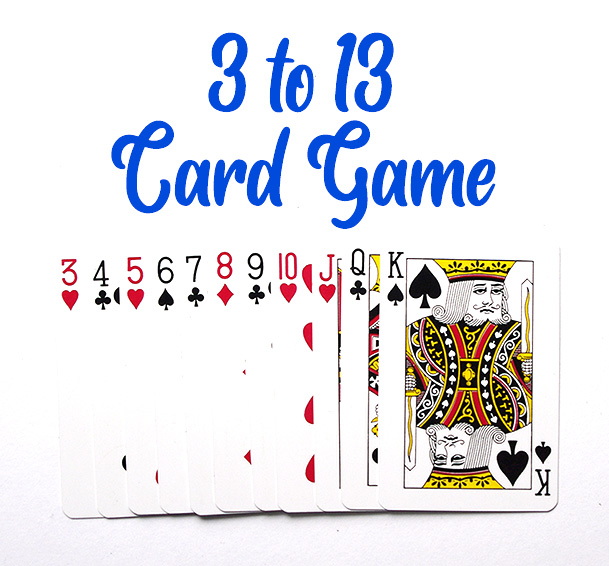
Understanding card rankings is crucial in Thirteen. The ranks from lowest to highest are as follows:
1. 3 (lowest)
2. 4
3. 5
4. 6
5. 7
6. 8
7. 9
8. 10
9. J (Jack)
10. Q (Queen)
11. K (King)
12. A (Ace)
13. 2 (highest)
In addition to card values, suits also have a ranking: Spades ♠ < Clubs ♣ < Diamonds ♦ < Hearts ♥. This ranking system influences gameplay significantly, as players must consider both rank and suit when making plays.
Setting Up the Game
Dealing Cards
1. Select a Dealer: The dealer is chosen by having all players draw a card from a shuffled deck; the player with the lowest card becomes the dealer.
2. Deal Cards: The dealer shuffles the deck and deals thirteen cards to each player in a clockwise manner.
3. Remaining Cards: Any leftover cards are set aside and not used in that round.
Starting the Game
The player holding the 3 of Spades starts the game by playing this card or any combination that includes it. This initial play sets the tone for the round and can influence subsequent plays.
Gameplay Mechanics
Types of Plays
Players can make various types of plays during their turn:
1. Single Card: One card (e.g., 7♠).
2. Pair: Two cards of the same rank (e.g., 8♥, 8♠).
3. Triple: Three cards of the same rank (e.g., J♠, J♦, J♥).
4. Run (Straight): Three or more consecutive cards (e.g., 10♥, J♦, Q♠).
5. Bomb: A powerful play that can beat any other play except for a higher bomb; can be four of a kind or a sequence of pairs.
Turn Order
- Players take turns in a clockwise direction.
- If it's your turn and you can play a higher card or combination than what was just played, you must do so.
- If you cannot play, you must pass your turn.
- Once all players pass consecutively, the last player to play starts a new round with any card or combination.
Ending a Round
A round ends when one player has discarded all their cards. The remaining players continue to play until only one player has cards left.
Strategies for Winning
1. Card Management: Keep track of which cards have been played to anticipate opponents' moves. This awareness allows you to make informed decisions about when to play your high-value cards or hold onto them for strategic moments.
2. Play High Cards Wisely: Use high-ranking cards strategically to win rounds but avoid playing them too early unless necessary. Holding onto high cards can give you an advantage later in the game when opponents may be forced to play lower-ranked cards.
3. Create Bombs: Forming bombs can help you regain control of the game when you're at risk of being stuck with high cards or when opponents are close to winning.
4. Observe Opponents: Pay attention to opponents' plays and adjust your strategy accordingly. Understanding their tendencies can help you predict their moves and counter them effectively.
5. Bluffing: Occasionally bluffing about your hand or intentions can keep your opponents guessing and may lead them into making poor decisions.
6. Endgame Strategy: As you approach the endgame—when only a few players remain—shift your strategy from offense to defense by focusing on preventing others from winning while still trying to discard your remaining cards.
Variations of Thirteen
Thirteen has several regional variations that may include different rules regarding scoring and gameplay mechanics:
- Scoring System: Some variations award points based on the order in which players finish; for example, 3 points for first place, 2 for second, and so on.
- Instant Win Conditions: Certain versions allow for instant wins if specific hands are dealt (e.g., all four 2s), adding an exciting twist to gameplay.
- Wild Cards: Some house rules might introduce wild cards that can represent any card in play, increasing unpredictability.
- Team Play: In larger groups, Thirteen can be played in teams where players work together against opposing teams, adding another layer of strategy and collaboration.
Common Mistakes to Avoid
1. Playing Too Aggressively: While being aggressive can sometimes pay off, it's essential not to overcommit early in the game unless you're confident in your hand's strength.
2. Ignoring Card Counting: Failing to keep track of which cards have been played can lead you to make poor decisions later in the game.
3. Underestimating Opponents: Always consider what cards your opponents might hold; underestimating them could lead you into traps they set up with strategic plays.
4. Holding onto High Cards Too Long: While it's wise to protect high-value cards, holding onto them indefinitely may backfire if other players discard lower-value cards quickly.
5. Neglecting Defense: Focusing solely on discarding your own cards without considering how to block others from winning can lead to quick losses.
Conclusion
Thirteen is an engaging and strategic card game that combines elements of luck and skill. By understanding its rules and mechanics, players can enjoy competitive gameplay while developing their strategies over time. Whether you're playing casually with friends or entering more serious competitions, mastering Thirteen requires practice and adaptability.
Related Questions and Answers
1. What is Thirteen also known as?
Thirteen is also known as Tien Len or Vietnamese cards.
2. How many players can participate in Thirteen?
Thirteen is designed for four players but can accommodate more if each player receives an equal number of cards.
3. What is the highest-ranking card in Thirteen?
The highest-ranking card in Thirteen is the 2, specifically the 2 of Hearts.
4. How does scoring work in Thirteen?
In some variations, points are awarded based on the order players finish; for example, 3 points for first place, 2 for second, and so on.
5. Can you play Thirteen with less than four players?
Yes, while it's best with four players, Thirteen can be played with fewer players as long as each receives an equal number of cards.
Citations:
[1] https://playingcarddecks.com/blogs/how-to-play/thirteen-game-rules
[2] https://www.howtoplaystuff.com/how-to-play-13/
[3] https://www.cnblogs.com/apachecn/p/18520568
[4] https://www.mplgames.com/blog/thirteen-card-game/
[5] https://www.reddit.com/r/solitaire/comments/13qq850/what_is_and_how_to_win_13_out/
[6] https://www.cnblogs.com/apachecn/p/18473574
[7] https://en.wikipedia.org/wiki/Ti%E1%BA%BFn_l%C3%AAn
[8] https://firstgames.in/blog/how-to-play-13-card-game-beginners-guide
[9] https://www.youtube.com/watch?v=z2Jas5t-8Yw


