Content Menu
● Why Custom Coffee Bags Matter for Modern Coffee Brands
● What Makes a High-Performing Coffee Bag
● Packaging Materials That Protect Coffee
>> Common material options
● Coffee Bag Formats That Sell Better
● What to Print on Custom Coffee Bags
>> Essential front-panel information
>> Helpful back-panel information
● How Design Influences Buying Decisions
>> Design choices that usually improve conversion
● Freshness Features Buyers Expect
>> Freshness features to consider
● Sustainability Trends Shaping the Category
● A Better Workflow for Ordering Custom Coffee Bags
>> Recommended ordering process
● How XingKun Can Support Coffee Packaging Projects
● Expert Tips to Improve Results
>> Practical expert tips
● Conclusion
● FAQ
>> 1. What are custom coffee bags used for?
>> 2. Which material is best for coffee packaging?
>> 3. Do coffee bags need a degassing valve?
>> 4. What should be printed on a coffee bag?
>> 5. Are recyclable coffee bags really recyclable?
>> 6. How do I make my coffee bags look premium?
● References
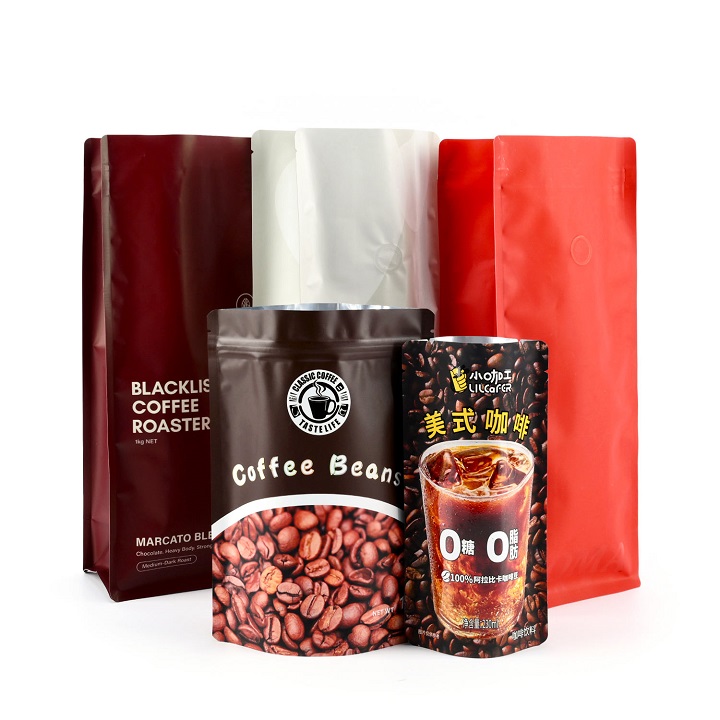
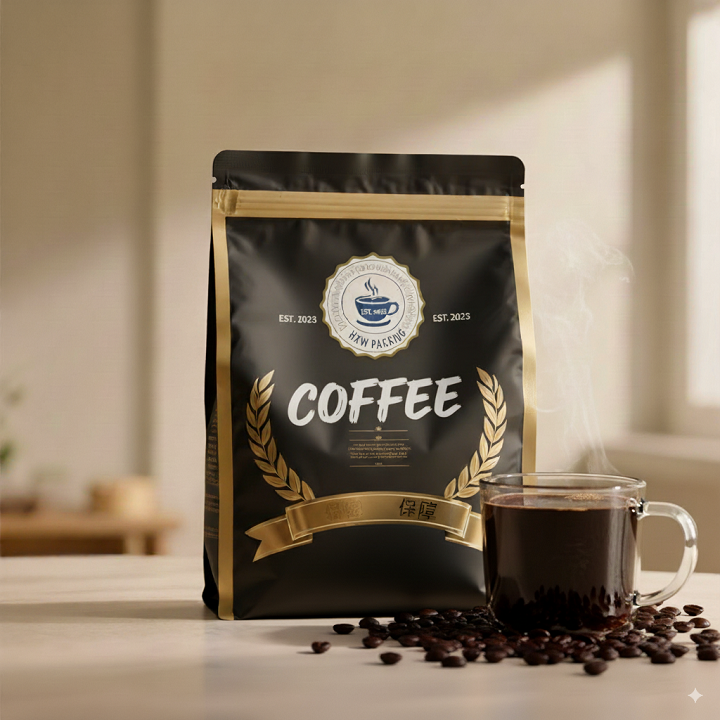
Custom coffee bags do more than hold beans. They protect freshness, shape first impressions, and tell customers why your coffee is worth buying. For roasters, wholesalers, and brands competing in a crowded market, the right bag can improve shelf appeal, support repeat purchases, and strengthen trust. [customlogothing]
Why Custom Coffee Bags Matter for Modern Coffee Brands
Coffee packaging is both a functional product and a brand asset. A well-designed bag needs to protect coffee from oxygen, moisture, light, and odor while also making the product easy to understand at a glance. That is why more brands now treat packaging as part of the customer experience, not just a shipping container. [mtpak]
From an SEO and conversion perspective, this matters for a simple reason: shoppers often judge a coffee brand in seconds. If your packaging looks professional, clearly communicates flavor and origin, and feels premium in hand, you are already reducing friction before the first sip.
What Makes a High-Performing Coffee Bag
The best custom coffee bags balance freshness, usability, and branding. High-barrier materials help preserve aroma and flavor, while features like resealable zippers and one-way degassing valves improve daily use. On the branding side, typography, color, and layout should help customers quickly identify roast level, origin, grind type, and product story. [litianpacking]
A strong bag usually includes:
A high-barrier structure for freshness.
A practical opening and reseal system.
Space for required product information.
A visual hierarchy that makes the front panel easy to scan.
Print quality that supports premium brand perception.
If any of these are missing, the bag may look attractive but underperform in real-world use.
Packaging Materials That Protect Coffee
Material selection is one of the most important decisions in coffee packaging. Different materials offer different levels of barrier protection, sustainability, and printing behavior. In 2025, brands are increasingly balancing performance with recyclable or compostable options, especially where regulations and consumer expectations are pushing the market toward lower-impact packaging. [mtpak]
Common material options
| Material | Strengths | Trade-offs | Best use case |
| Kraft paper | Natural look, strong shelf appeal | Usually needs a liner for barrier performance | Artisan, organic, rustic brands litianpacking |
| Foil laminate | Excellent barrier against light, oxygen, and moisture | Less sustainable and harder to recycle | Premium coffee and long shelf life litianpacking |
| Recyclable mono-material film | Better sustainability profile | Must be designed carefully for barrier and sealing | Brands targeting recyclability mtpak+1 |
| Compostable film | Eco-friendly positioning | Requires proper disposal conditions and careful sourcing | Sustainability-led brands greenbiobag+1 |
The right answer depends on your market, shelf life target, and brand positioning. A specialty roaster selling in premium retail may prioritize barrier strength and tactile feel, while a sustainability-focused brand may prefer recyclable structures with strong messaging. [mtpak]
Coffee Bag Formats That Sell Better
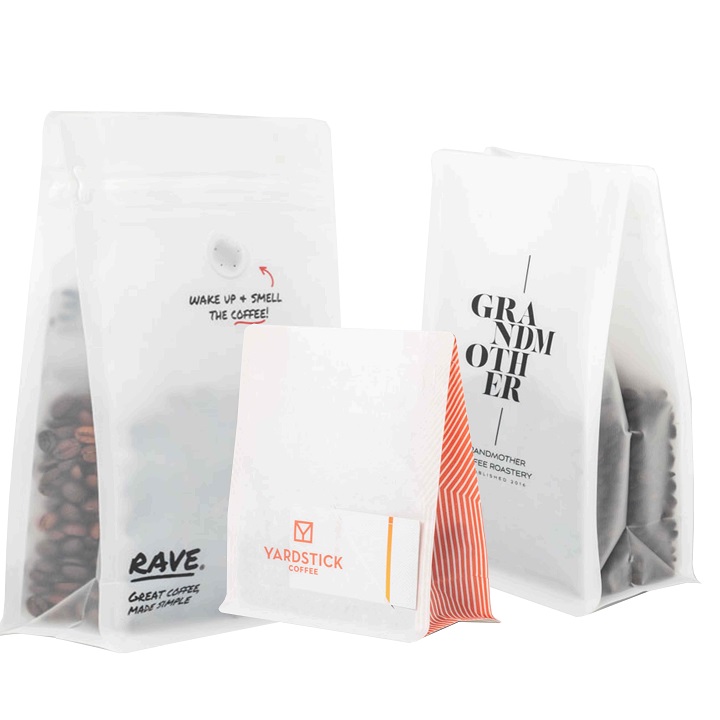
Bag format affects both function and retail visibility. Stand-up pouches are popular because they sit well on shelves and offer a large printable front panel. Flat bottom bags provide a more premium, stable display and often feel more upscale in specialty coffee retail. Side gusset bags remain common for larger volumes and wholesale distribution. [finepack.com]
Here is a practical way to think about formats:
1. Stand-up pouch for flexible retail branding and broad product ranges.
2. Flat bottom bag for premium shelf presence and stronger visual impact.
3. Side gusset bag for traditional coffee presentation and bulk packaging.
4. Tin tie or fold-over bag for smaller runs or café-style merchandising.
Choosing format first helps avoid artwork problems later. The shape determines how much room you have for claims, storytelling, certifications, and barcodes.
What to Print on Custom Coffee Bags
Good coffee packaging tells customers exactly what they need to know without overwhelming them. Industry guidance consistently shows that coffee bags work best when they combine clarity with restraint. Too little information creates uncertainty; too much creates clutter. [mtpak]
Essential front-panel information
Brand name.
Product name or blend name.
Roast level.
Origin or region.
Whole bean or ground.
Net weight.
Brewing intent, such as espresso or filter.
Key flavor notes.
Helpful back-panel information
Roast date or best-by date.
Brewing instructions.
Processing method.
Producer or farm details.
Certifications.
Brand story.
QR code linking to origin, brewing guide, or subscription page.
This structure gives customers both emotional and practical reasons to buy. It also supports trust because the bag feels transparent and informative rather than vague.
How Design Influences Buying Decisions
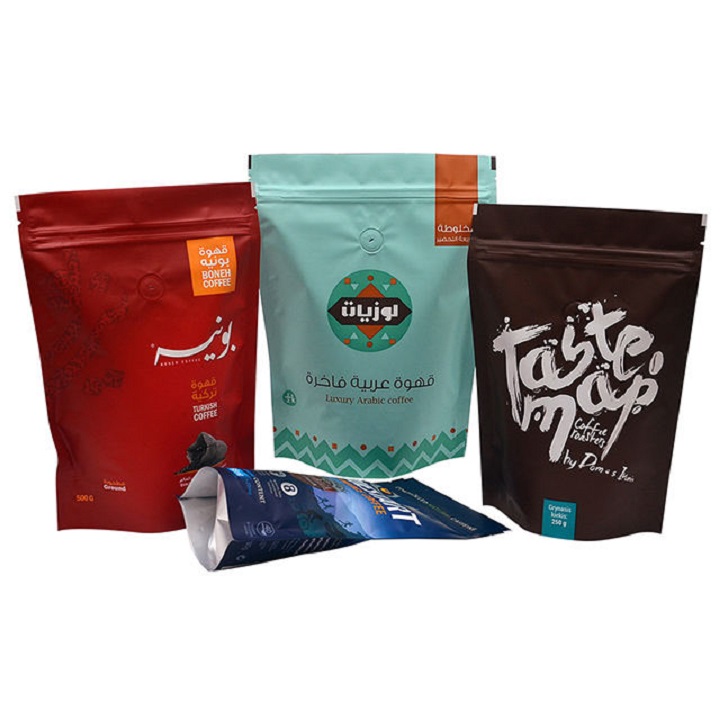
Coffee shoppers respond strongly to visual cues. Packaging design trends in 2025 continue to favor sustainability, minimalism, bold typography, and tactile finishes that feel premium without becoming busy. At the same time, storytelling remains powerful when it is short, credible, and relevant. [cupprint]
A useful design principle is this: function first, then beauty. Start with the information hierarchy, then build the visual system around it. That usually means your logo, roast level, and product name should be easy to see in the first three seconds, while secondary details live on the back or side panels.
Design choices that usually improve conversion
High contrast typography for readability.
Limited color palette for stronger brand recall.
Matte or soft-touch finishes for a premium feel.
Strategic use of spot UV or foil for visual emphasis.
Clear hierarchy between brand, variant, and descriptors.
This approach works because it reduces confusion. A shopper should not have to decode the bag to understand what they are buying.
Freshness Features Buyers Expect
Freshness is one of the biggest reasons people choose a premium coffee bag over generic packaging. Modern bags often include one-way degassing valves, strong heat seals, and resealable zippers to protect quality after roasting. These details matter because coffee releases carbon dioxide after roasting, and packaging must let gas out without letting oxygen in. [inkablelabel]
Freshness features to consider
One-way degassing valve.
Resealable zipper.
Tear notch for easy opening.
Strong edge seals.
Barrier layer suited to your target shelf life.
If your product is sold quickly after roasting, the freshness story can focus on roast date and fast turnover. If your coffee is exported or stored longer, barrier performance becomes even more important.
Sustainability Trends Shaping the Category
Sustainability is no longer optional for many coffee brands. In 2025, more roasters are shifting toward recyclable mono-materials, compostable films, and lower-plastic packaging options as regulations and consumer preferences evolve. This does not mean every brand must choose compostable packaging, but it does mean buyers increasingly want packaging decisions explained clearly. [greenbiobag]
A smart sustainability message should be specific, not vague. For example, say what the material is, whether it is recyclable in common municipal streams, and what disposal guidance applies. Avoid broad claims like "eco-friendly" unless you can support them.
A Better Workflow for Ordering Custom Coffee Bags
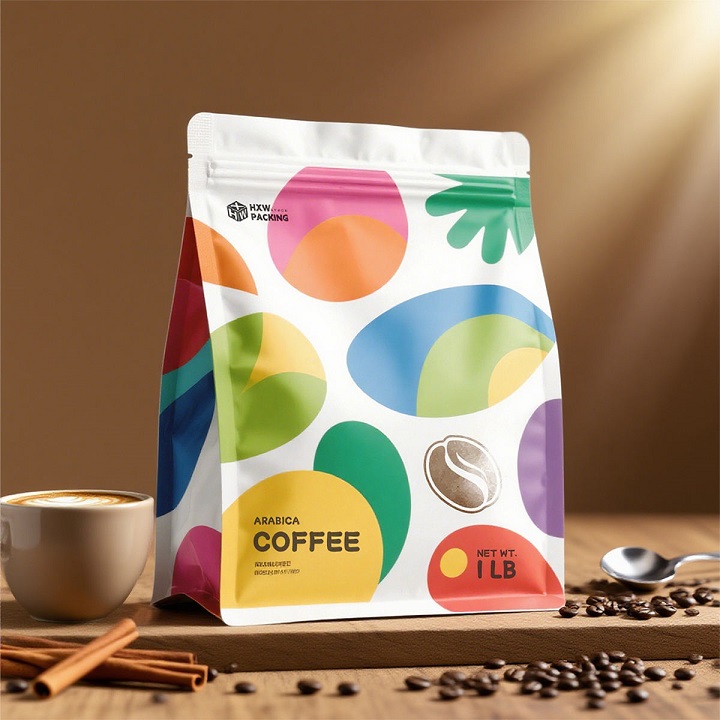
Many packaging projects fail because teams start with design before deciding the technical requirements. A better workflow saves time, reduces revisions, and usually lowers production risk. This is especially important for overseas OEM and ODM sourcing, where print specs, lead times, and proofing matter. [foremostmedia]
Recommended ordering process
1. Define product type, size, and bag format.
2. Confirm freshness requirements and barrier needs.
3. Decide whether the bag must be recyclable or compostable.
4. Prepare artwork based on print specifications.
5. Review a digital proof or printed sample.
6. Approve final production after checking all copy and codes.
7. Test the finished bag in packing and retail conditions.
This workflow helps you protect both brand consistency and practical performance. It also reduces the chance of costly mistakes like misaligned artwork or unreadable text.
How XingKun Can Support Coffee Packaging Projects
For brands that need OEM or ODM packaging support, XingKun's value is in combining customization, production efficiency, and cross-category packaging experience. As a manufacturing partner, the most useful contribution is not just printing a bag, but helping you translate a brand into a ready-to-produce packaging system. That includes material guidance, print coordination, and structure planning. [cn.linkedin]
Your product page can position XingKun as a partner for custom packaging solutions that go beyond coffee bags alone. Since you also produce packaging boxes, cards, puzzles, books, and stickers, you can emphasize broad print expertise, consistent quality control, and one-stop customization for brands that need multiple packaging formats.
Expert Tips to Improve Results
The best coffee packaging projects usually share three habits. First, they are built around the shopper's decision path, not just the designer's taste. Second, they make the product easy to understand immediately. Third, they treat proofing as a serious quality step rather than an optional formality. [customlogothing]
Practical expert tips
Write for quick scanning, not long reading.
Keep front-panel copy short and useful.
Use flavor notes that customers can understand instantly.
Match material finish to brand tone.
Ask for proofing before mass production.
Make sure barcodes, dates, and small text remain legible after printing.
If you want stronger sales, remember this simple rule: the bag must sell the coffee before the customer opens it.
Conclusion
Custom coffee bags are one of the most important tools a coffee brand can use to improve freshness, communicate quality, and convert shoppers into repeat customers. The strongest packaging combines barrier performance, clear information, sustainable thinking, and a design system that reflects the brand honestly. For roasters, wholesalers, and private-label buyers, the best results come from treating packaging as a strategic business asset rather than a finishing touch. [mtpak]
FAQ
1. What are custom coffee bags used for?
Custom coffee bags are used to package coffee while protecting freshness and presenting a brand professionally. They also help communicate roast type, origin, and product story. [litianpacking]
2. Which material is best for coffee packaging?
There is no single best material for every brand. Foil laminates offer excellent barrier protection, while recyclable mono-materials and compostable films may be better for sustainability-focused brands. [mtpak]
3. Do coffee bags need a degassing valve?
A one-way degassing valve is highly useful for freshly roasted coffee because it allows carbon dioxide to escape without letting oxygen in. It is especially important for preserving flavor after roasting. [inkablelabel]
4. What should be printed on a coffee bag?
At minimum, coffee bags should show brand name, product name, roast level, origin, net weight, and whether the coffee is whole bean or ground. Many brands also add roast date, brewing instructions, and certifications. [customlogothing]
5. Are recyclable coffee bags really recyclable?
Some are, but not all. Recyclability depends on the exact structure, local recycling rules, and whether the bag uses a mono-material design. Always verify the disposal method before making the claim. [pouches.co]
6. How do I make my coffee bags look premium?
Use a clean layout, strong typography, thoughtful color choices, and a finish such as matte, soft-touch, foil, or spot UV. Premium perception comes from clarity and material feel, not decoration alone. [mtpak]
References
Inkable Label Co. "The Ultimate Guide to Creating Custom Coffee Bags." [inkablelabel]
MTPak Coffee. "How brands use custom coffee bags to showcase identity." [mtpak]
MTPak Coffee. "Coffee packaging design trends for 2025." [mtpak]
MTPak Coffee. "Which regulations will affect green coffee packaging in 2025?" [mtpak]
Green Bio Bag Co. "Eco-Friendly Coffee Packaging Trends in 2025." [greenbiobag]
Pouches.co.uk. "Coffee Packaging Trends In 2025." [pouches.co]
Fine Pack. "5 Strategies from Coffee Bag Suppliers to Boost Sales." [finepack.com]
XingKun Packing Products Co Ltd LinkedIn profile. [cn.linkedin]
XingKun coffee packaging product page. [inkablelabel]


