Content Menu
● How to Prepare a Package for Shipping (Step‑by‑Step, Expert Edition)
● Choose the Right Type of Package
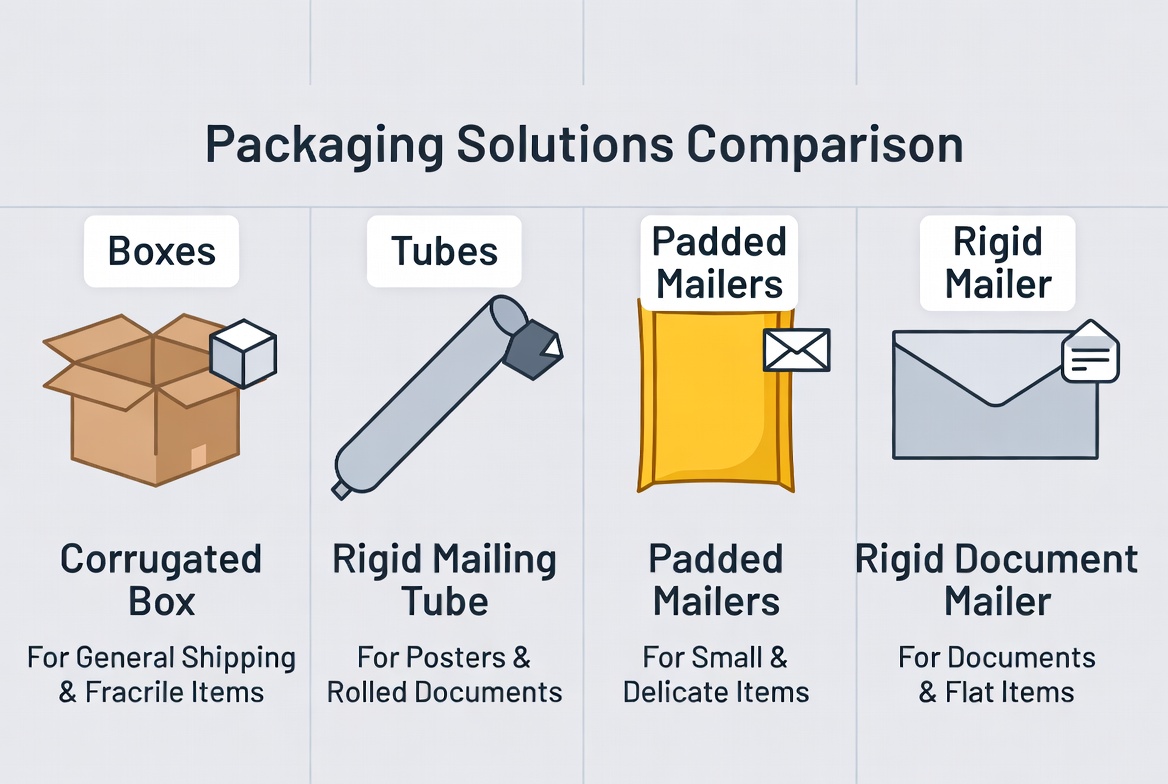
>> Boxes for Heavier or Fragile Items
>> Tubes for Posters, Prints, and Textiles
>> Padded and Unpadded Mailers for Small Items
● How to Pack Your Items Securely
>> Wrap Items Individually
>> Fill All Gaps with Cushioning
>> Consider Product Weight and Fragility
● Labeling Your Package Correctly
>> Double‑Check Addresses and Contact Details
>> Use High‑Quality Stickers & Labels
>> Add Handling and Brand Stickers
● Sealing Your Package for Transit
>> Choose the Right Tape
>> Apply the H‑Taping Method
>> Inspect Before Dispatch
● Step‑by‑Step Checklist: How to Prepare a Package for Shipping
>> Quick Preparation Checklist
● Professional Tips from a Global Packaging Supplier
>> Standardize Box Sizes and Materials
>> Invest in Custom Printed Boxes and Labels
>> Reduce Returns Through Better Protection
● Common Mistakes to Avoid When Preparing Packages
>> Using Worn‑Out or Damaged Boxes
>> Ignoring Dimensional Weight
>> Poor Label Placement and Protection
● Using Professional Packaging Boxes, Stickers & Labels to Upgrade Your Shipping
>> Benefits of Working with a Packaging Manufacturer
>> Enhancing Customer Experience at Unboxing
● Simple Packaging Selection Table
● Final Thoughts and Next Steps (CTA)
● FAQs
● References
Shipping a package sounds simple—put the product in a box, add a label, and send it off—but the reality is more complex, especially if you care about cost, damage rates, and customer satisfaction. As a packaging and printing manufacturer with over 20 years of experience supplying brands and distributors in more than 30 countries, we've seen how smart packaging decisions can dramatically reduce breakage, returns, and logistics costs. [usps]
This guide combines professional best practices with real-world lessons from businesses that ship every day. You'll learn how to choose the right packaging, protect your products, label and seal correctly, avoid common mistakes, and use packaging to strengthen your brand—whether you ship a few parcels a week or manage global e‑commerce orders. [blog.eurosender]
How to Prepare a Package for Shipping (Step‑by‑Step, Expert Edition)
Preparing a package for shipping involves four key elements: the right container, adequate cushioning, accurate labeling, and secure sealing. When any of these steps is weak, carriers may handle your parcel more roughly, items may move and break in transit, or deliveries can be delayed or lost. [econo-courier]
In this expert edition, we'll walk through each stage and highlight where professional packaging boxes and high‑quality stickers & labels make a measurable difference to your shipping performance. [fedex]
Choose the Right Type of Package
Selecting the correct packaging type is the foundation of safe and cost‑effective shipping. [usps]
Boxes for Heavier or Fragile Items
Boxes are ideal for heavier, irregularly shaped, or fragile products because they provide structural strength and space for cushioning. [fedex]
- Use corrugated cardboard boxes with sufficient board grade for the weight of the contents. [fedex]
- Leave room for 2–3 inches of cushioning around the item on all sides. [fedex]
- Avoid boxes that are too small (risk of crushing) or too large (excess movement and higher dimensional weight). [econo-courier]
Tubes for Posters, Prints, and Textiles
Tubes are perfect for lightweight paper items—posters, art prints, blueprints—as well as rolled textiles. [blog.eurosender]
- Choose rigid mailing tubes to prevent bending or creasing during transit. [blog.eurosender]
- Add end caps that fit tightly and tape them securely. [blog.eurosender]
- For premium products, branded tubes reinforce perceived value and protect delicate finishes. [econo-courier]
Padded and Unpadded Mailers for Small Items
Mailers (similar to large envelopes) are available in padded and unpadded formats and work well for documents, small accessories, and some electronics. [usps]
- Use unpadded mailers for flat documents that do not require cushioning. [blog.eurosender]
- Choose padded mailers for jewelry, cables, small gadgets, or components. [blog.eurosender]
- Consider rigid mailers for photos or certificates to prevent bending. [blog.eurosender]
How to Pack Your Items Securely
Once you've selected the right packaging type, the next step is to protect your product from impact, vibration, and compression. [fedex]
Wrap Items Individually
A common mistake is to wrap multiple fragile items together to save time or material. [econo-courier]
- Wrap each fragile item individually using bubble wrap, foam, or thick paper. [econo-courier]
- Use extra cushioning around sharp edges or protrusions to avoid puncturing the outer box. [econo-courier]
- Secure the wrapping with tape so it cannot unravel inside the box. [econo-courier]
Fill All Gaps with Cushioning
Things tend to shift around in transit, especially when boxes are stacked or dropped. [usps]
- Place wrapped items in the box and fill all gaps with cushioning (paper, air pillows, foam peanuts, or molded inserts). [blog.eurosender]
- Ensure items cannot move when you gently shake the box. [econo-courier]
- For fragile shipments, choose stronger outer protection, such as double‑wall boxes or reinforced corners. [fedex]
Consider Product Weight and Fragility
Materials and packing density should reflect how delicate and heavy your products are. [fedex]
- Heavy items need high‑strength boxes and dense cushioning to prevent bottom‑out failure. [fedex]
- Lightweight but fragile items may require less structural strength but more shock‑absorbing material. [blog.eurosender]
- For high‑value goods, add internal dividers or custom inserts to prevent collision between items. [econo-courier]
Labeling Your Package Correctly
Correct labeling is essential for ensuring your parcel reaches the right destination on time and without confusion. [fedex]
Double‑Check Addresses and Contact Details
Before you seal the package, verify all recipient and sender details. [blog.eurosender]
- Confirm the recipient's full name, street address, city, postal code, and country. [blog.eurosender]
- Include a return address so carriers can send the parcel back if delivery fails. [blog.eurosender]
- For business addresses, add the company name and a contact phone or email. [blog.eurosender]
Use High‑Quality Stickers & Labels
Shipping labels and stickers carry critical information such as addresses, barcodes, handling instructions, and brand identity. [fedex]
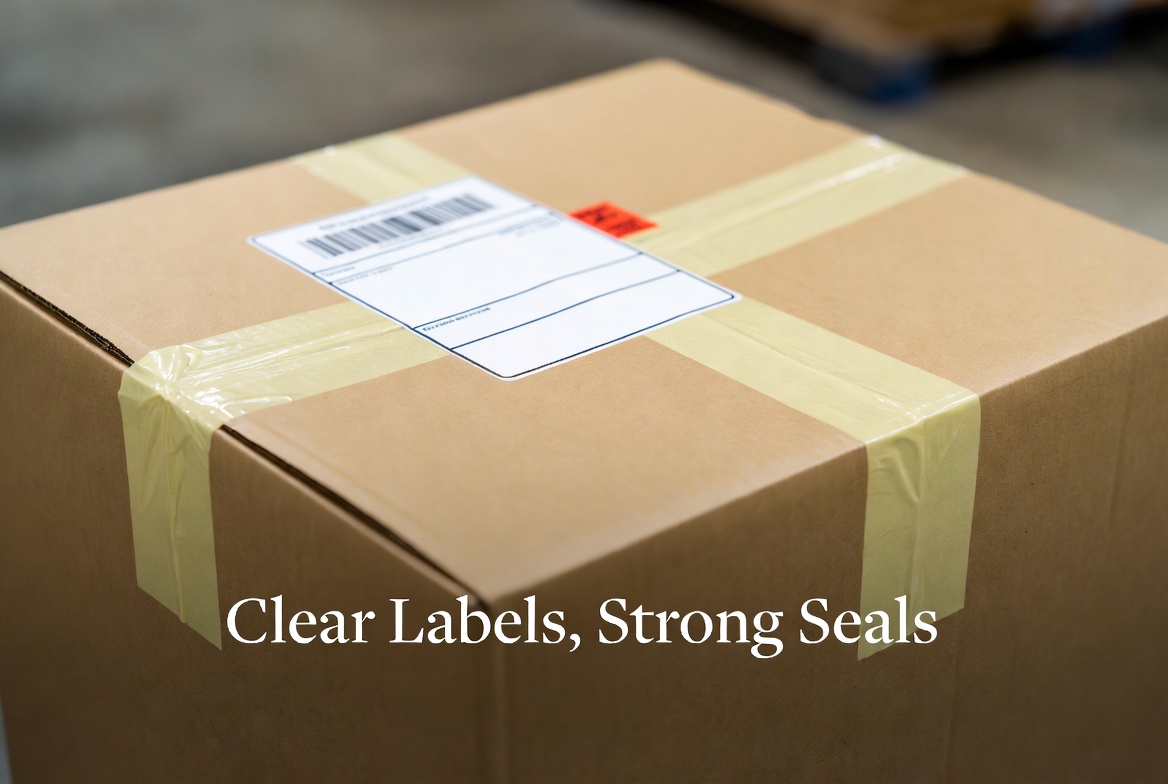
- Place the primary shipping label on the largest, flattest surface of the package. [fedex]
- Use durable, smudge‑resistant labels to keep barcodes and text readable through handling and minor moisture. [fedex]
- Remove or cover any old labels when reusing boxes to avoid misrouting. [ups]
As a long‑term manufacturer of stickers & labels, we find that investing in high‑quality adhesive materials reduces label peeling, misreads at sorting centers, and rework in warehouses. [fedex]
Add Handling and Brand Stickers
Beyond the shipping label, additional stickers can improve both logistics and customer experience. [fedex]
- Use "Fragile", "This Side Up", or "Handle with Care" stickers for sensitive items. [fedex]
- Apply brand stickers or printed logos to reinforce your brand during unboxing. [econo-courier]
- For regulated or temperature‑sensitive products, add clear compliance or storage labels. [fedex]
Sealing Your Package for Transit
Secure sealing protects your product and ensures the package stays closed throughout the journey. [ups]
Choose the Right Tape
The tape you use affects how well the box stays shut under stress. [ups]
- Use pressure‑sensitive plastic tape, water‑activated paper tape, or reinforced tape that is at least 2–3 inches wide. [ups]
- Avoid masking tape or thin office tape; they can loosen or tear under load. [fedex]
- For heavy boxes, reinforced fiber tape provides better holding power. [fedex]
Apply the H‑Taping Method
Carriers often recommend the H‑taping method for stronger box closure. [ups]
- Run tape across the main center seam of the top and bottom flaps. [fedex]
- Add tape along both edge seams, forming an "H" shape across the box surface. [fedex]
- Inspect all edges and corners and reinforce any vulnerable points. [ups]
Inspect Before Dispatch
Before the package leaves your facility, perform a quick quality check. [econo-courier]
- Confirm that all seams are fully covered and tape adheres well. [fedex]
- Check that the box is not crushed, punctured, or torn. [ups]
- Ensure labels are visible, flat, and scannable with no wrinkles over barcodes. [fedex]
Step‑by‑Step Checklist: How to Prepare a Package for Shipping
For busy teams, a clear checklist helps standardize packaging processes and improve consistency. [econo-courier]
Quick Preparation Checklist
1. Confirm the product: Verify SKU, quantity, and any customer notes. [econo-courier]
2. Select packaging type: Box, tube, padded mailer, or other container suited to weight and fragility. [usps]
3. Wrap items individually: Especially for fragile or high‑value goods. [econo-courier]
4. Add cushioning and fill gaps: Prevent movement and absorb shocks. [blog.eurosender]
5. Check internal protection: Dividers, corner guards, or inserts as needed. [econo-courier]
6. Verify address and return details: Accuracy prevents delays and losses. [blog.eurosender]
7. Apply shipping labels and stickers: Use high‑quality materials and place them correctly. [econo-courier]
8. Seal with proper tape using H‑method: Cover all seams and edges. [ups]
9. Final inspection: Shake test, visual check, and barcode scan. [econo-courier]
Professional Tips from a Global Packaging Supplier
Drawing from decades of working with brands and distributors across more than 30 countries, we see several recurring patterns that separate high‑performing shipping operations from those plagued by damage and complaints. [econo-courier]
Standardize Box Sizes and Materials
Standardization simplifies operations and reduces cost. [econo-courier]
- Define a limited set of core box sizes tailored to your product catalog. [econo-courier]
- Use consistent board grades and cushioning materials so packers know what to use for each category. [fedex]
- Work with a packaging manufacturer to design boxes optimized for your most common shipments. [econo-courier]
Invest in Custom Printed Boxes and Labels
Professional packaging is not only functional—it's also a powerful branding tool. [econo-courier]
- Custom printed boxes create a recognizable unboxing experience for customers. [econo-courier]
- Branded stickers and labels can carry your logo, tagline, or QR codes linking to care instructions or re‑order pages. [fedex]
- High‑quality printing and materials make your parcels stand out in transit and reflect positively on your brand. [econo-courier]
Reduce Returns Through Better Protection
Returns are costly and often preventable with better packaging design. [econo-courier]
- Track damage trends by product type and carrier, then adjust box strength and cushioning accordingly. [fedex]
- Use "fragile" and "do not bend" stickers strategically to guide handling. [fedex]
- Review packaging after any claim and refine your internal guidelines to avoid repeating issues. [econo-courier]
Common Mistakes to Avoid When Preparing Packages
Even experienced teams repeat certain packaging mistakes that lead to avoidable damage, delays, or higher shipping fees. [econo-courier]
Using Worn‑Out or Damaged Boxes
Reusing boxes is sustainable, but damaged packaging undermines protection. [ups]
- Do not use boxes that are crushed, torn, punctured, or weakened by previous use. [ups]
- Avoid boxes that already have moisture damage or oil stains. [fedex]
- If you reuse boxes, completely remove or cover old labels and markings. [ups]
Ignoring Dimensional Weight
Box size influences cost, especially in air and express shipping. [blog.eurosender]
- Oversized boxes increase dimensional weight, leading to higher shipping charges. [fedex]
- Design packaging that fits the product closely while leaving enough space for cushioning. [blog.eurosender]
- Regularly review your packaging portfolio to reduce unnecessary empty volume. [fedex]
Poor Label Placement and Protection
Labels that are hard to read or scan can cause routing errors. [econo-courier]
- Do not place labels over box seams, corners, or curved surfaces. [fedex]
- Avoid placing labels where they can be scratched or folded during handling. [fedex]
- For long‑distance or international shipments, consider a clear protective film over labels. [fedex]
Using Professional Packaging Boxes, Stickers & Labels to Upgrade Your Shipping
For businesses scaling their shipments or entering new markets, working with a specialized manufacturer of packaging boxes and stickers & labels can be a strategic advantage. [econo-courier]
Benefits of Working with a Packaging Manufacturer
Long‑term packaging partners help you move beyond ad‑hoc choices toward an optimized system. [econo-courier]
- Tailored box sizes and board grades matched to your product range and shipping patterns. [fedex]
- Consistent quality control and lead times, crucial for high‑volume operations. [econo-courier]
- Integrated printing for branding, regulatory information, and scannable labels. [fedex]
Enhancing Customer Experience at Unboxing
Your packaging is often the first physical touchpoint between your online store and your customer. [econo-courier]
- Branded boxes and labels make unboxing memorable and reinforce trust. [econo-courier]
- Clear care instructions and support contacts printed on labels reduce confusion and support tickets. [fedex]
- Thoughtful packaging design can encourage repeat orders and positive reviews. [econo-courier]
Simple Packaging Selection Table
Use the table below as a quick reference when choosing packaging for different items. [usps]
| Item type | Recommended package | Key protection tips |
| Heavy, solid products | Corrugated box | 2–3" cushioning on all sides; strong tape; H‑method (fedex) |
| Posters, prints | Rigid tube | Tight end caps; protect edges from crushing (usps) |
| Documents | Unpadded mailer | Rigid mailer for important papers; avoid folding (blog.eurosender) |
| Jewelry, small gadgets | Padded mailer or box | Individual wrapping; fill gaps; "fragile" stickers (blog.eurosender) |
| Multiple fragile items | Divided box | Individual wrapping; inserts; avoid contact (econo-courier) |
Final Thoughts and Next Steps (CTA)
Preparing a package for shipping is not just an operational task—it's a direct reflection of your brand and a key driver of customer satisfaction. By choosing the right packaging type, protecting your items carefully, labeling and sealing correctly, and working with a specialized packaging manufacturer, you can significantly reduce damage rates, control costs, and deliver a better experience at every delivery. [usps]
If you're looking to upgrade your packaging boxes, stickers & labels, or overall shipment preparation workflow, consider partnering with an experienced printing and packaging producer that understands both global logistics and brand presentation. Together, you can design packaging solutions that are safer, more efficient, and more memorable for your customers. [econo-courier]
FAQs
Q1: What is the most important factor when choosing a shipping box?
The most important factor is matching the box strength and size to the item's weight and fragility, with enough space for cushioning on all sides. [econo-courier]
Q2: How can I reduce product damage during shipping?
Wrap each fragile item individually, fill all gaps with cushioning, use sturdy boxes, and apply clear "fragile" or handling stickers where needed. [blog.eurosender]
Q3: Do I really need to remove old labels from reused boxes?
Yes, old labels can cause misrouting because carriers may scan the wrong barcode or read the wrong address, leading to delays or lost parcels. [ups]
Q4: What type of tape is best for sealing packages?
Use wide pressure‑sensitive plastic tape or reinforced, water‑activated tape; avoid thin office tape or masking tape that can fail under stress. [ups]
Q5: How can professional packaging improve my brand image?
Custom printed boxes and high‑quality stickers & labels create a consistent, premium unboxing experience and communicate reliability and attention to detail. [fedex]
References
1. USPS – "How to Prepare & Send a Package" – [https://www.usps.com/ship/packages.htm] [usps]
2. Eurosender – "How to wrap, label and seal your parcel for delivery" – [https://blog.eurosender.com/prepare-a-shipment/] [blog.eurosender]
3. Econo‑Courier – "Preparing Packages for Delivery" – [https://econo-courier.com/preparing-packages-for-delivery/] [econo-courier]
4. FedEx – "Packing Tips and How‑to Guides" – [https://www.fedex.com/en-us/shipping/packing.html] [fedex]
5. UPS – "How to Ship a Package" and "Packaging Tips" – [https://www.ups.com/us/en/shipping/how-to-ship-package] [ups]
6. Packageit – "How to Prepare a Package for Shipping" – [https://www.packageit.com/how-to-prepare-a-package-for-shipping] [usps]


