Content Menu
● The Importance of Proper Labeling for Packaging and Shipping
● Why Labeling Quality Matters in Modern Supply Chains
● Essential Labeling Elements for Single‑Piece Packages
● Placement and Print Quality for Single Packages
● Labeling Larger Shipments and Pallet Freight
● Warehouse Labeling Standards Behind the Scenes
● Choosing Optimal Label Materials and Printing Technologies
● Operational Benefits of Proper Labeling
● Labeling Strategy from an Industry Expert's Perspective
● Practical Checklist for Proper Packaging and Shipping Labels
● Latest Trends in Labeling for E‑Commerce and B2B Shipping
● How Shenzhen XingKun Supports Global Labeling Standards
● Action‑Oriented Conclusion and Next Steps
● FAQs
● References
Proper labeling for packaging and shipping is no longer just a compliance checkbox—it is a strategic advantage for brands that ship globally and want to protect both products and reputation. Drawing on more than 20 years of hands‑on experience producing stickers and labels for international brands at Shenzhen XingKun Packing Products Co., Ltd., this guide explains how to use labeling to reduce risk, streamline logistics, and strengthen your brand across borders. [athenaswc]
The Importance of Proper Labeling for Packaging and Shipping
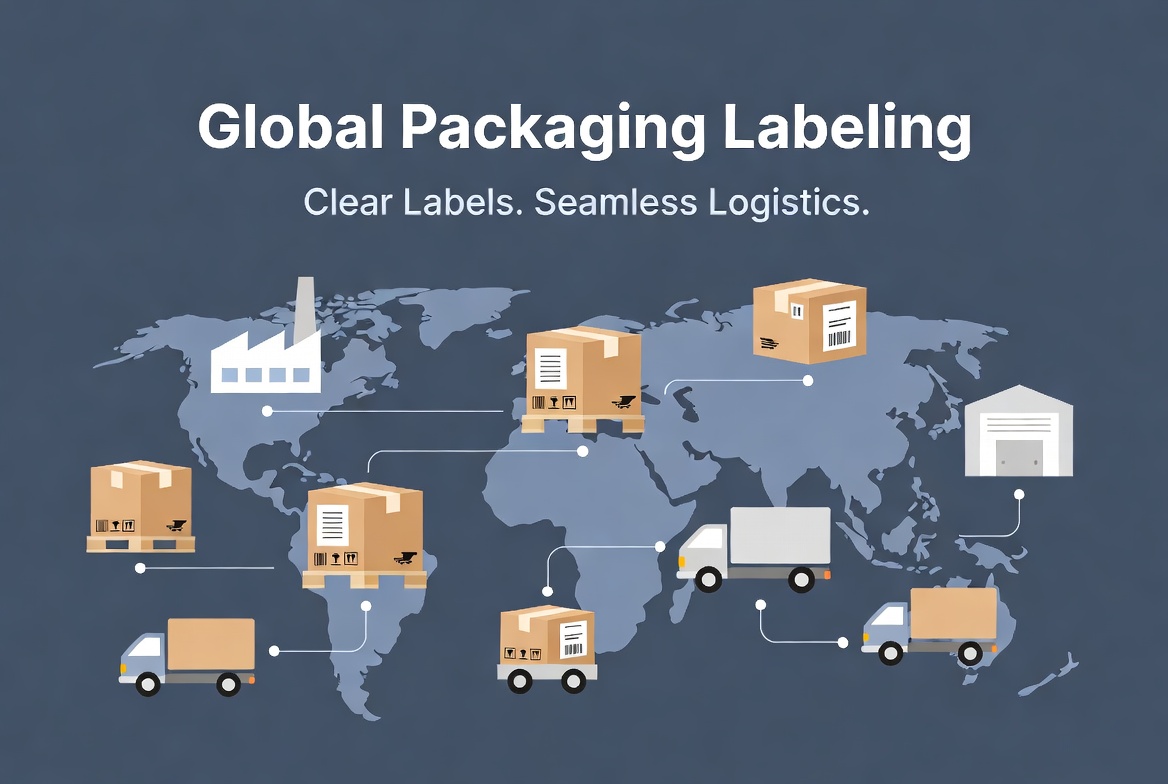
Proper packaging and shipping labels sit at the intersection of compliance, operational efficiency, and customer experience, especially for e‑commerce sellers and B2B manufacturers shipping worldwide. When labeling is treated as a system—covering single packages, pallet freight, warehouse locations, and regulatory requirements—it becomes a powerful tool for eliminating errors and enabling scalable growth. [go-freight]
Why Labeling Quality Matters in Modern Supply Chains
In today's multi‑carrier, omni‑channel logistics networks, labels act as the language that connects products, systems, and people. Every scan, every routing decision, and every delivery status update depends on whether your labels are accurate, readable, and durable from origin to destination. [g-ecx.images-amazon]
From our perspective working with brands in more than 30 countries, the fastest way to erode customer trust is inconsistent or incomplete labeling that causes delays, damages, or customs problems. Conversely, companies that standardize labeling and invest in high‑quality stickers and labels see lower error rates, smoother inbound/outbound operations, and fewer support tickets related to shipping issues. [g-ecx.images-amazon]
Essential Labeling Elements for Single‑Piece Packages
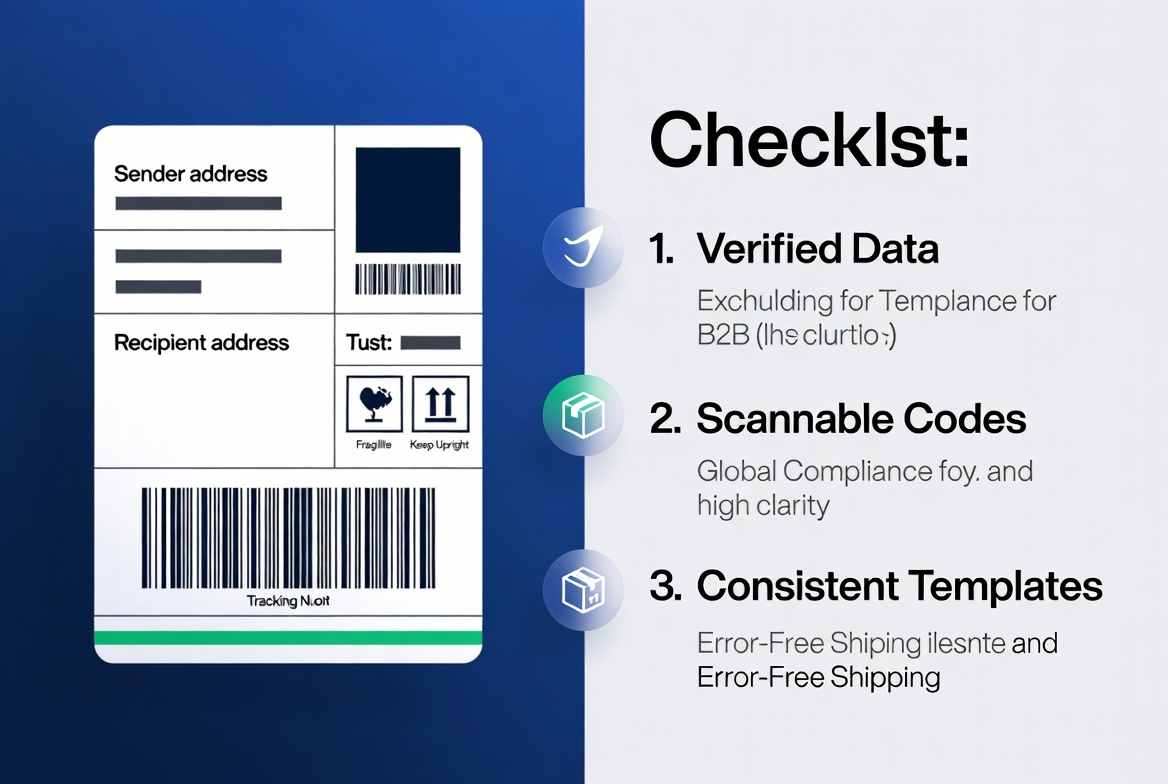
For e‑commerce parcels and small B2B shipments, single‑piece package labels must provide all the information carriers and customers need at a glance. A well‑designed shipping label typically includes the following core elements: [dhl]
- Sender name, address, and contact details for returns and investigations. [athenaswc]
- Recipient's precise address, including building, floor, and unit where applicable. [dhl]
- Carrier information and a scannable tracking barcode or QR code. [athenaswc]
- Clear description of contents for transparency and customs processing. [athenaswc]
- Weight and dimensions for correct rating, handling, and routing. [dhl]
- Special handling instructions such as "Fragile", "Keep Upright", or "Keep Refrigerated". [go-freight]
To keep these labels both compliant and user‑friendly, use large, easy‑to‑read fonts, avoid internal jargon, and make sure critical data fields are never covered by tape or placed on carton seams. [g-ecx.images-amazon]
Placement and Print Quality for Single Packages
Even a perfectly designed label fails if it cannot be scanned or seen quickly in busy hubs. Best practices include: [go-freight]
- Place the label on the largest flat surface, at least 3 cm away from any edge. [g-ecx.images-amazon]
- Avoid placing labels over seams, corners, or curves that may distort barcodes. [g-ecx.images-amazon]
- Use laser or thermal transfer printing for crisp, long‑lasting print quality. [go-freight]
- Keep the label clear of straps, tapes, or shrink wrap that may obscure key data. [g-ecx.images-amazon]
Our production experience shows that investing in durable label materials and adhesives dramatically reduces unreadable scans, especially for shipments exposed to moisture, dust, or long transit times. [go-freight]
Labeling Larger Shipments and Pallet Freight
When you move from parcel shipping to pallet freight, the complexity of labeling increases, but so do the potential savings from getting it right. Freight or pallet labels must integrate operational details, safety information, and routing codes in a format that warehouse workers and carriers can process quickly. [athenaswc]
Beyond the standard sender and recipient information, pallet labels should include: [athenaswc]
- Hazardous materials warnings and UN numbers where applicable. [go-freight]
- "Heavy weight" or similar warnings for loads above typical handling thresholds. [g-ecx.images-amazon]
- Freight forwarder and consolidation information for multi‑leg shipments. [athenaswc]
- Pallet identifiers (e.g., "Pallet 1 of 10") to prevent missing or orphaned pallets. [go-freight]
- Handling pictograms for stacking, orientation, and temperature requirements. [go-freight]
Because pallets move through many hands, label durability and redundancy are critical: place labels on multiple sides and ensure they remain scannable after stretch‑wrapping and loading. [g-ecx.images-amazon]

Warehouse Labeling Standards Behind the Scenes
Labeling does not stop at the carton or pallet; it extends into warehouse location, product, and shipping labels that keep inventory accurate. Effective warehouse labeling typically follows a structured scheme: [go-freight]
- Location labels using zone‑aisle‑bay‑level‑position codes (e.g., A‑01‑03‑B‑1). [go-freight]
- Product labels integrating UPC/EAN, lot number, expiration date, and storage requirements. [go-freight]
- Shipping labels aligned with GS1‑128 or carrier‑specific formats for retail and e‑commerce. [dhl]
When products arrive without adequate labels, leading operations label them at receiving before storage, ensuring that every touchpoint in the warehouse can identify items quickly and accurately. High‑quality labels from specialized manufacturers make these standards sustainable in demanding environments where dust, humidity, or low temperatures are common. [go-freight]
Choosing Optimal Label Materials and Printing Technologies
Label performance depends heavily on the right combination of materials, adhesives, and printing technologies for the application. For shipping and industrial environments, thermal transfer printing and robust synthetic label stocks usually offer better long‑term readability than direct thermal on basic paper. [g-ecx.images-amazon]
When selecting the ideal label solution, consider: [athenaswc]
- The nature of the package or product (surface type, curvature, exposure to chemicals).
- Weight and dimensions, especially for heavy or oversized freight that needs extra warnings. [athenaswc]
- Carrier and regional regulatory requirements, including hazardous goods standards. [athenaswc]
- Durability needs such as resistance to abrasion, moisture, UV light, or temperature extremes. [athenaswc]
- Brand presentation: color, finish, and print quality that reflect your professional image. [athenaswc]
Experienced label manufacturers, like Shenzhen XingKun, can advise on combinations of face stock, adhesive, and print methods that match both logistics and branding requirements across different countries and sectors. [go-freight]
Operational Benefits of Proper Labeling
Systematic labeling yields measurable business outcomes beyond compliance. Organizations that invest in labeling standards typically gain: [scubemarketing]
- Increased safety through clear hazard and handling instructions, reducing accidents. [athenaswc]
- Improved efficiency because workers spend less time searching or re‑scanning mislabeled goods. [athenaswc]
- Fewer errors such as misdeliveries, lost packages, or mis‑picked items in the warehouse. [go-freight]
- Higher regulatory compliance, especially for dangerous goods and cross‑border shipments. [athenaswc]
- Stronger brand perception thanks to professional labels and consistent visual identity. [magetop]
From a B2B buyer's viewpoint, suppliers with reliable labeling processes are perceived as lower‑risk partners, making them more attractive in competitive sourcing situations. [kerkarmedia]
Labeling Strategy from an Industry Expert's Perspective
After two decades of producing stickers and labels for brands across more than 30 countries, certain patterns consistently separate top performers from the rest. Successful companies treat labeling not as a one‑time design task but as an ongoing strategy aligned with operations, compliance, and customer experience. [kerkarmedia]
Three expert recommendations we often share with global clients are:
1. Standardize label templates across all product lines and regions. This reduces confusion, speeds training, and simplifies audits while still allowing localized language or regulatory variations. [scubemarketing]
2. Integrate labels tightly with digital systems. Use barcodes or QR codes linked to your ERP, WMS, or e‑commerce platform to enable real‑time tracking, inventory visibility, and automated status updates. [dhl]
3. Continuously verify label performance. Establish SOPs for printer maintenance, barcode verification, and periodic reviews to ensure scan rates and legibility remain high as volumes grow. [g-ecx.images-amazon]
These practices help organizations move from reactive fixes to proactive control over their labeling ecosystem, reducing hidden costs and preventing high‑profile shipping failures. [scubemarketing]
Practical Checklist for Proper Packaging and Shipping Labels
To turn concepts into action, logistics managers and e‑commerce sellers can use a concise checklist before releasing any new packaging or shipping setup. [dhl]
Step‑by‑step labeling checklist:
1. Confirm that every shippable unit has a unique, scannable product identifier (UPC/EAN, internal SKU, or QR). [g-ecx.images-amazon]
2. Validate sender and recipient details for completeness and format consistency. [dhl]
3. Verify that weight and dimensions match data entered in shipping or carrier systems. [g-ecx.images-amazon]
4. Check that hazardous materials and special handling labels comply with relevant rules (IATA, IMDG, DOT, local regulations). [go-freight]
5. Inspect label placement for visibility, avoiding seams, corners, and obstructions. [dhl]
6. Run a barcode or QR test scan on multiple units from the batch to confirm readability. [g-ecx.images-amazon]
7. Confirm that branding elements (logo, colors) are consistent with current guidelines. [magetop]
Following this checklist creates a repeatable process that reduces human error and ensures every shipment leaving your facility carries the right information in the right format. [g-ecx.images-amazon]
Latest Trends in Labeling for E‑Commerce and B2B Shipping
Labeling standards continue to evolve as supply chains become more digitized and international. Several emerging trends are reshaping how companies design and deploy labels: [dhl]
- Wider adoption of GS1‑128 and advanced barcode formats to carry more structured data per label. [go-freight]
- Increased use of QR codes to provide customers with instant access to tracking pages, manuals, or return portals. [dhl]
- Sustainable label materials that balance durability with recyclability and lower environmental impact. [magetop]
- Smart labels integrated with RFID or sensor technology for high‑value or temperature‑sensitive products. [go-freight]
Companies that stay ahead of these developments can offer more transparent, data‑rich shipping experiences while aligning with sustainability and digital‑transformation goals. [magetop]
How Shenzhen XingKun Supports Global Labeling Standards
As a specialized manufacturer of stickers and labels, Shenzhen XingKun Packing Products Co., Ltd. collaborates with global brands and distributors to design labeling systems that work across multiple countries and channels. Our production capabilities allow us to tailor materials, adhesives, and printing finishes to specific industry environments—from high‑humidity warehouses to retail shelves and cold chains. [go-freight]
Working with an experienced partner brings several advantages:
- Access to industry‑tested label constructions that balance cost, durability, and appearance. [go-freight]
- Guidance on integrating product labels, warehouse labels, and shipping labels into a unified standard. [go-freight]
- Support for multilingual content and region‑specific regulatory requirements in one cohesive label program. [go-freight]
- Scalable production and quality control processes that keep label performance consistent as volumes grow. [go-freight]
For businesses that want to modernize labeling without disrupting operations, partnering with a specialist manufacturer is often the fastest and safest path. [kerkarmedia]
Action‑Oriented Conclusion and Next Steps
Proper labeling for packaging and shipping safeguards your products, protects your brand, and keeps your logistics network running smoothly from factory floor to final delivery. By combining clear information design, robust materials, and disciplined processes, you can turn labels into a competitive asset instead of a recurring problem. [scubemarketing]
If your team is ready to optimize labels across single parcels, pallets, and warehouse operations, consider reviewing your current standards with a specialist manufacturer like Shenzhen XingKun and mapping a phased improvement plan focused on safety, efficiency, and global compliance. Taking this step now will pay long‑term dividends in fewer errors, happier customers, and stronger buyer confidence across every market you serve. [scubemarketing]
FAQs
Q1: What is the most important information to include on a shipping label?
The most critical elements are accurate sender and recipient details, a scannable tracking barcode, clear product description, and any special handling instructions or hazard warnings required by regulations. [dhl]
Q2: How can I reduce misdeliveries caused by labeling errors?
Standardize label templates, automate data transfer from your order system to labels, and implement verification steps such as barcode test scans and address validation before dispatch. [scubemarketing]
Q3: What type of label material is best for long‑distance international shipping?
Durable synthetic labels printed via thermal transfer and paired with high‑performance adhesives usually maintain readability and adhesion better than basic paper labels in harsh transit conditions. [g-ecx.images-amazon]
Q4: Do small e‑commerce sellers need pallet labeling standards?
Even smaller sellers benefit once they start consolidating shipments or working with 3PLs, because pallet‑level labels improve handling, reduce damage, and simplify inbound processing for their partners. [athenaswc]
Q5: How often should labeling processes be reviewed or updated?
Most companies review labeling annually or whenever they change carriers, expand to new markets, or adopt new systems, ensuring compliance with current regulations and alignment with evolving operational needs. [quickcreator]
References
1. PackageIt Team. "The Importance of Proper Labeling for Packaging and Shipping." October 18, 2023.
[https://www.packageit.com/importance-of-proper-labeling-for-packaging-and-shipping]
2. Amazon FBA. "Shipping Best Practices (Quick Reference Guide)."
[http://g-ecx.images-amazon.com/images/G/02/fba-help/QRG/ShippingBestPractices-UK.pdf]
3. Go Freight. "Warehouse Labeling Standards: Product, Location, and Shipping Labels." April 23, 2026.
[https://go-freight.io/warehouse-labeling-standards-product-location-shipping]
4. DHL. "The Complete Guide to Shipping Labels for eCommerce Sellers." April 1, 2025.
[https://www.dhl.com/discover/en-my/e-commerce-advice/e-commerce-best-practice/shipping-label-template]
5. Scuba Marketing. "SEO for Packaging Companies: How to Rank for B2B Buyer Searches."
[https://www.scubemarketing.com/blog/seo-for-packaging-companies]
6. QuickCreator / Kerkar Media / Magetop – SEO and packaging manufacturing best practices (industry blogs on labeling, packaging, and B2B SEO).
[https://quickcreator.io/blog/seo-for-packaging-manufacturers-2025-best-practices/]
[https://kerkarmedia.com/seo-for-packaging-manufacturers/]
[https://www.magetop.com/blog/how-seo-can-transform-the-packaging-industry-a-guide-for-manufacturers/]


