Content Menu
● Why High Temperature Labels Matter in 2026
● What Temperature Can High Temperature Labels Withstand?
● Materials That Power High Temperature Labels
>> Facestock Options
>> Adhesive Technologies
● Why Standard Labels Fail at High Temperatures
● Key Applications Across Industries
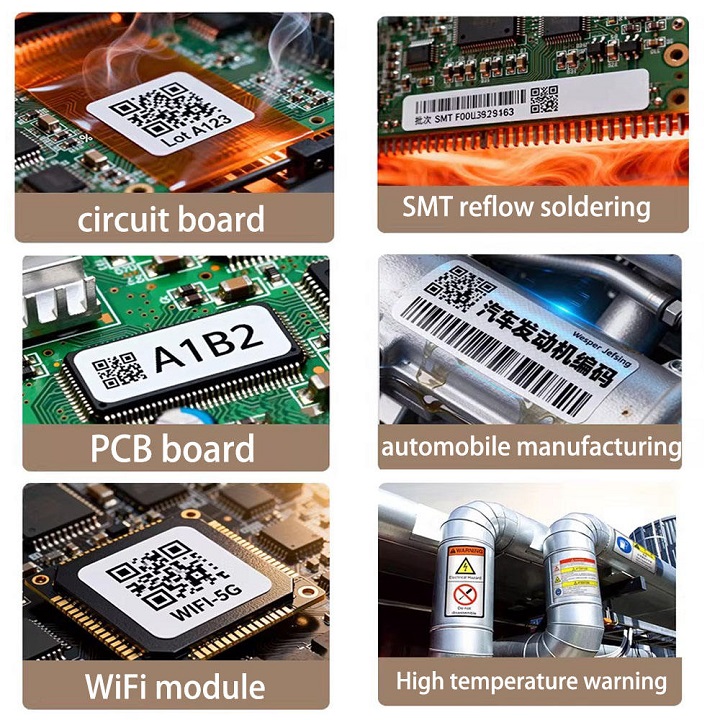
>> 1. Electronics Assembly (PCB Marking)
>> 2. Automotive Under-Hood Components
>> 3. Medical Sterilization
>> 4. Metal Manufacturing & Casting
● How to Select the Right High Temperature Label: A Step-by-Step Guide
● Emerging Trends in High Temperature Labeling (2026 Insights)
● Case Study: Solving Label Failure in EV Battery Production
● Compliance & Certification Standards
● Why Partner with XingKun for High Temperature Labels?
● Conclusion
● FAQ: High Temperature Labels
>> 1. What is the maximum temperature a high temperature label can withstand?
>> 2. Can high temperature labels be printed with standard printers?
>> 3. Are high temperature labels chemical-resistant?
>> 4. How do I test if a high temperature label will work for my application?
>> 5. What industries use high temperature labels most?
● References
In today's high-stakes manufacturing environments, high temperature labels are not just an accessory—they are a critical component of product safety, compliance, and traceability. From electronics assembly lines to automotive under-hood applications, these specialized labels must perform flawlessly where standard labels fail. [jumelage-cn]
This guide is written from the perspective of Shenzhen XingKun Packing Products Co., Ltd. (XingKun)—a China-based OEM/ODM factory with deep expertise in custom-printed packaging, labels, and industrial identification solutions. We combine hands-on production knowledge with global compliance insights to help brand owners, wholesalers, and manufacturers select, specify, and deploy high temperature labels that endure extreme thermal stress without compromising print clarity or adhesive integrity.
Why High Temperature Labels Matter in 2026
The global demand for durable, heat-resistant identification has surged alongside advances in automation, electric vehicles, and miniaturized electronics. According to 2026 market data, the high temperature label market is valued at over $5.2 billion, driven by rigorous traceability requirements in aerospace, medical devices, and heavy industry. [linkedin]
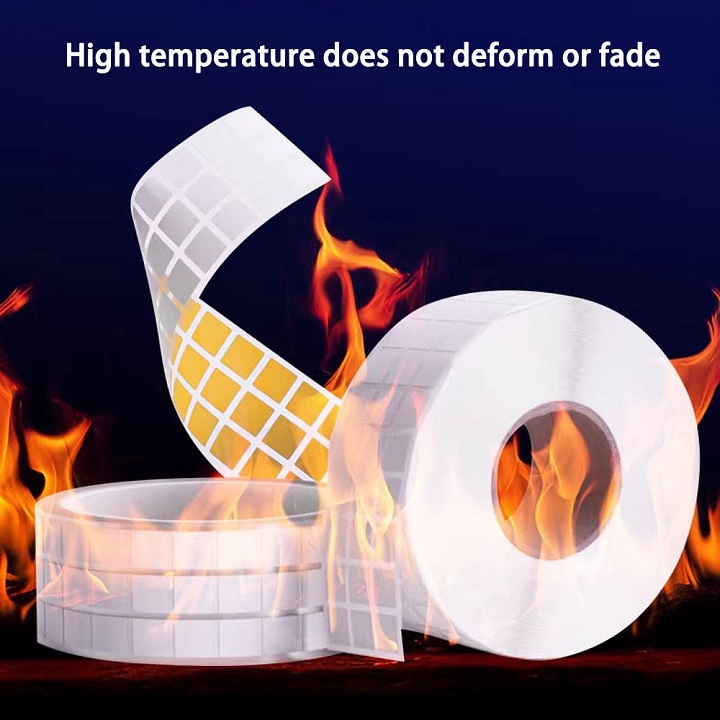
Unlike standard paper or BOPP labels, high temperature labels are engineered to resist:
- Thermal degradation (charring, shrinkage, or delamination)
- Adhesive softening (oozing or bond failure)
- Chemical exposure (fluxes, solvents, oils)
- Mechanical abrasion (during handling or automated scanning)
Failure to use the correct high temperature label can result in unreadable barcodes, lost batch data, and even regulatory non-compliance—especially in FDA-regulated or UL-certified supply chains. [mouser]
What Temperature Can High Temperature Labels Withstand?
Not all "heat-resistant" labels are created equal. Industry standards classify high temperature labels into four tiers based on continuous service temperature:
| Temperature Class | Range | Typical Applications |
| Elevated Temperature | 80°C – 120°C | Warehouse storage, outdoor signage, food packaging |
| Medium-High | 120°C – 180°C | Automotive interiors, home appliances |
| High Temperature | 180°C – 260°C | PCB soldering, under-hood electronics |
| Extreme Temperature | 260°C – 400°C+ | Aerospace components, steel mills, sterilization |
> Key Insight: A label rated for "Elevated" temperatures will fail instantly in a reflow soldering oven (260°C). Always match the label's rating to your peak process temperature, not just ambient conditions. [jumelage-cn]
For short-term exposure (e.g., 60 seconds), some high temperature labels can withstand up to 300°C, but continuous service ratings are more relevant for long-term reliability. [mouser]
Materials That Power High Temperature Labels
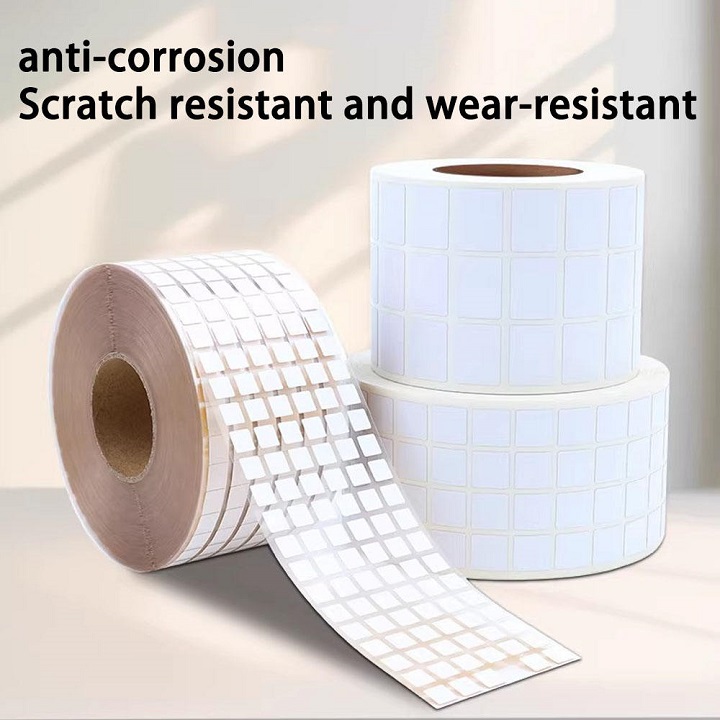
The performance of a high temperature label hinges on two core components: the facestock (top layer) and the adhesive.
Facestock Options
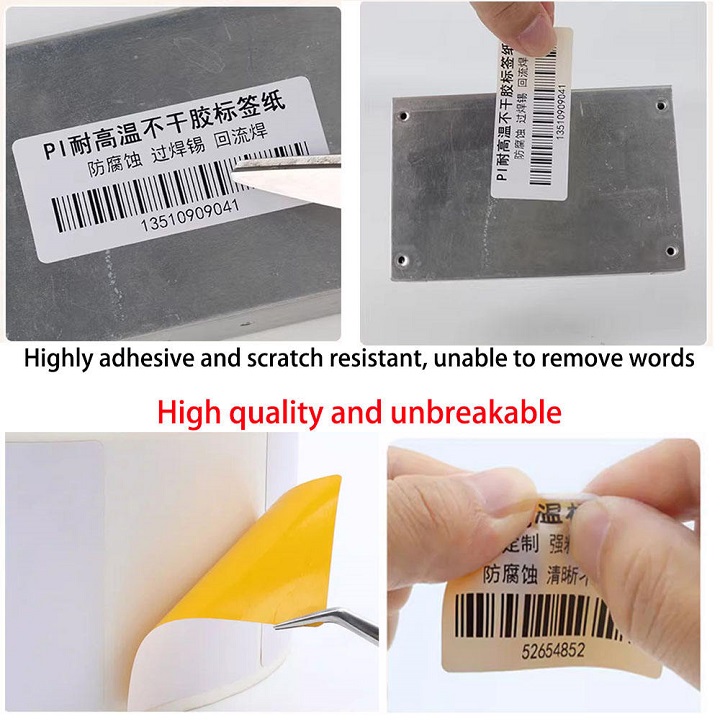
- Polyimide (Kapton®): The gold standard for PCB marking. Withstands up to 260°C continuously, resists chemicals, and maintains dimensional stability. [jumelage-cn]
- PET Film: Cost-effective for temperatures up to 150°C. Common in automotive interiors and appliances.
- Aluminum Foil: Reflects heat and resists up to 300°C. Ideal for engine compartments and exhaust systems.
- Ceramic-Coated Materials: Engineered for 400°C+ environments like metal casting and aerospace. [lintec-europe]
Adhesive Technologies
- Silicone Adhesives: Maintain flexibility and bond strength from -60°C to +260°C. Resistant to thermal embrittlement and solvent exposure.
- Acrylic Adhesives: Suitable for medium-high ranges (up to 180°C) but prone to softening at higher temperatures. [mouser]
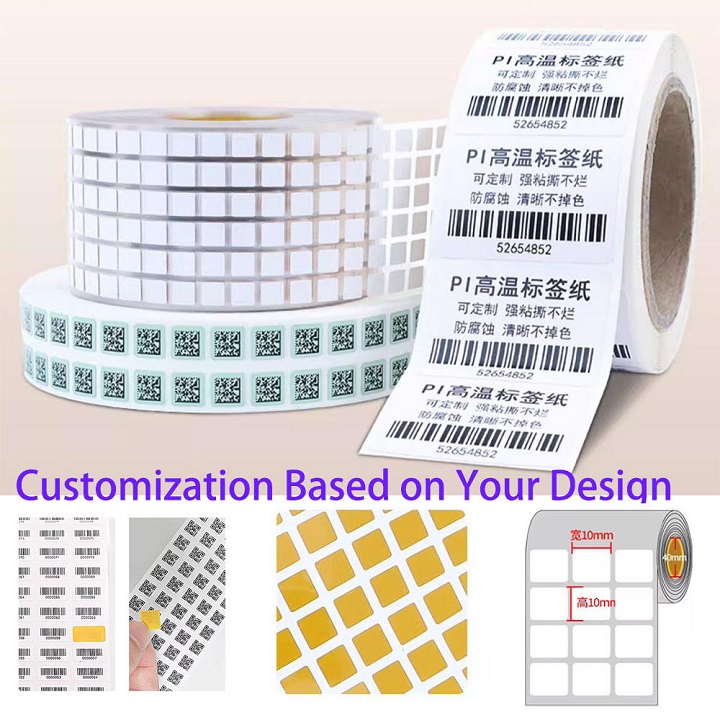
At XingKun, we customize facestock-adhesive combinations based on client-specific thermal profiles, ensuring optimal performance without over-engineering.
Why Standard Labels Fail at High Temperatures
Understanding failure modes helps prevent costly mistakes. Standard labels fail due to:
1. Adhesive Softening: Acrylic adhesives turn viscous above their glass transition temperature (Tg), causing slippage or delamination.
2. Facestock Degradation: Paper loses moisture and curls; synthetic films like BOPP shrink or warp.
3. Chemical Oxidation: Prolonged heat exposure degrades adhesive polymers, leading to brittleness and print fade. [jumelage-cn]
> Real-World Example: A consumer electronics brand used standard PET labels on PCBs entering a wave soldering line. Within seconds, labels bubbled and adhesive oozed, rendering barcodes unscannable. Switching to polyimide high temperature labels resolved the issue entirely.
Key Applications Across Industries
1. Electronics Assembly (PCB Marking)
High temperature labels must survive reflow soldering (260°C) and wave soldering processes. Failure leads to lost traceability and compliance risks. Polyimide labels with silicone adhesive are industry-standard for this application. [blikai]
2. Automotive Under-Hood Components
Engine covers, fuse boxes, and sensors experience thermal cycling from -40°C to +180°C. PET or aluminum foil labels with silicone adhesive meet OEM specifications for durability and chemical resistance. [robos-labels]
3. Medical Sterilization
Autoclave processes (134°C, high humidity) require labels that resist moisture and heat. High temperature labels with silicone adhesive ensure legibility after repeated sterilization cycles. [jumelage-cn]
4. Metal Manufacturing & Casting
Extreme heat environments (up to 1250°C) demand ceramic-coated labels or mechanically attached tags. These enable barcode tracking of steel slabs, aluminum ingots, and billets during hot processing. [lintec-europe]
How to Select the Right High Temperature Label: A Step-by-Step Guide
Choosing the correct high temperature label requires a systematic approach:
1. Identify Peak Temperature: Determine the maximum continuous and short-term exposure temperatures.
2. Assess Chemical Exposure: Will the label contact fluxes, solvents, oils, or cleaning agents?
3. Evaluate Surface Type: Is the substrate curved, textured, or low-surface-energy (e.g., powder-coated metal)?
4. Define Print Method: Thermal transfer, laser, or inkjet? Ensure material compatibility.
5. Verify Compliance Needs: UL, RoHS, REACH, or FDA requirements may dictate material choices. [mouser]
> Pro Tip: Request peel adhesion tests and thermal cycling trials from your supplier before full-scale deployment. At XingKun, we offer sample kits and custom validation services for OEM clients.
Emerging Trends in High Temperature Labeling (2026 Insights)
The high temperature label industry is evolving rapidly. Key trends include:
- Smart Labeling Integration: RFID and QR-enabled high temperature labels for real-time asset tracking in extreme environments.
- Sustainability Push: Bio-based adhesives and recyclable facestocks gaining traction in EU and North American markets. [mordorintelligence]
- Direct Thermal Printing: New formulations allow thermal printing without ribbons, reducing consumable costs in high-volume settings.
- Miniaturization: Smaller, high-density barcodes for compact electronics and medical devices. [marketresearch]
Brands that adopt these innovations early gain competitive advantages in traceability, compliance, and operational efficiency.
Case Study: Solving Label Failure in EV Battery Production
A leading electric vehicle (EV) battery manufacturer faced recurring label failures during module assembly. Standard polyester labels delaminated after exposure to 180°C curing ovens, causing batch misidentification.
XingKun's Solution:
- Switched to polyimide high temperature labels with silicone adhesive.
- Optimized print contrast for thermal transfer ribbon compatibility.
- Validated performance through 500 thermal cycles (-40°C to +180°C).
Result: Zero label failures over 12 months, 100% barcode scan rates, and full compliance with UL and IATF 16949 standards.
Compliance & Certification Standards
When sourcing high temperature labels, verify adherence to relevant standards:
- UL Recognition: Ensures materials meet flame retardancy and electrical safety requirements. [mouser]
- RoHS/REACH: Confirms absence of hazardous substances (e.g., lead, phthalates).
- ISO 9001: Quality management system certification for consistent production.
- IATF 16949: Automotive-specific quality standard for under-hood applications.
At XingKun, all high temperature labels are produced in ISO 9001-certified facilities, with optional UL and RoHS documentation for regulated markets.
Why Partner with XingKun for High Temperature Labels?
As a Shenzhen-based OEM/ODM factory, XingKun offers:
- Custom Material Engineering: Tailored facestock-adhesive combinations for your thermal profile.
- End-to-End Printing: From thermal transfer to flexographic, we handle all print methods in-house.
- Global Compliance Support: UL, RoHS, REACH, and FDA documentation available on request.
- Rapid Prototyping: Sample kits and validation trials within 7 days.
- Scalable Production: From 1,000 to 1M+ units with consistent quality.
We serve brand owners, wholesalers, and manufacturers across North America, Europe, and Asia—with dedicated logistics partners for DDP shipping.
Conclusion
High temperature labels are a mission-critical component in modern manufacturing—ensuring traceability, compliance, and operational efficiency in extreme environments. Selecting the right label requires understanding temperature ranges, material science, and application-specific demands.
At Shenzhen XingKun Packing Products Co., Ltd., we combine decades of printing expertise with advanced material engineering to deliver high temperature labels that perform flawlessly under thermal stress. Whether you're marking PCBs, automotive components, or medical devices, our team provides tailored solutions backed by global certifications.
Ready to upgrade your labeling strategy? Contact XingKun today for a free consultation, sample kit, or custom quote.
FAQ: High Temperature Labels
1. What is the maximum temperature a high temperature label can withstand?
Most high temperature labels handle up to 260°C continuously (polyimide with silicone adhesive). Specialized ceramic-coated labels can endure 400°C+ for metal casting and aerospace. [lintec-europe]
2. Can high temperature labels be printed with standard printers?
No. They require thermal transfer printers with high-temperature ribbons or industrial inkjet/laser systems. Standard desktop printers will damage the material. [mouser]
3. Are high temperature labels chemical-resistant?
Yes. Silicone adhesives and polyimide facestocks resist fluxes, solvents, and oils—making them ideal for PCB and automotive applications. [jumelage-cn]
4. How do I test if a high temperature label will work for my application?
Request peel adhesion tests and thermal cycling trials from your supplier. Simulate your actual process conditions (temperature, chemicals, surface type). [jumelage-cn]
5. What industries use high temperature labels most?
Electronics (PCB marking), automotive (under-hood), medical (sterilization), and metal manufacturing (casting/heat treatment) are the top adopters. [robos-labels]
References
1. Jumelage. (2026). *High Temperature Labels: A 2026 B2B Engineering Guide to Heat-Resistant Labeling*. [jumelage-cn]
2. Phoenix Contact. (2026). *EML-HT High-Temperature Label Technical Data*. [mouser]
3. LinkedIn. (2026). *High Temperature Label Market Industry Trends and Market Outlook*. [linkedin]
4. Lintec Europe. (2022). *Extreme High Temperature Labels, Tags, Barcodes & Label Stock*. [lintec-europe]
5. Mordor Intelligence. (2026). *Label Market Size, Growth Trends 2026 - Forecast Analysis*. [mordorintelligence]
6. APO Research. (2025). *Global High Temperature Labels and Tags Industry Growth and Trends Forecast to 2031*. [marketresearch]
7. Blikai. (2024). *High Temperature Labels: Everything You Need to Know Guide*. [blikai]


