Content Menu
● Why E‑Commerce Packaging Matters More Than Ever
>> Market growth and strategic importance
>> From "brown box" to branded touchpoint
● Key E‑Commerce Packaging Trends to Watch
>> 1. Sustainability as a design default
>> 2. Frictionless and memorable unboxing
>> 3. Connected and smart packaging
>> 4. Customization and brand‑specific storytelling
>> 5. Temperature‑controlled and performance‑driven solutions
● Expert Perspective – What Leading Brands Are Getting Right
>> 1. They design from the supply chain backward
>> 2. They use data, not guesswork
>> 3. They standardize where possible, customize where it matters
● New Deep‑Dive Sections: How to Build a Future‑Ready E‑Commerce Packaging Strategy
>> Step 1 – Audit your current packaging performance
>> Step 2 – Align packaging with brand and sustainability goals
>> Step 3 – Co‑design with your packaging manufacturer
>> Step 4 – Pilot, test, and scale
● Material and Design Choices Shaping the Future
>> Paper‑based and corrugated solutions
>> Finishing, printing, and sensory experience
● Choosing the Right E‑Commerce Packaging Partner
>> What to look for in a manufacturing ally
>> Example collaboration model with XingKun
● Practical Checklist for Your Next Packaging Upgrade
● E‑Commerce Packaging Trend Snapshot (2025+)
● Call to Action – Turn Your Packaging into a Growth Engine
● FAQs on the Future of E‑Commerce Packaging
● References
E‑commerce packaging has shifted from a cost center to a growth lever that shapes conversion rates, logistics efficiency, and brand loyalty. As online orders surge globally and customer expectations climb, brands that treat packaging as part of the product experience are pulling ahead. [woola]
Global studies show the e‑commerce packaging market is expanding rapidly, supported by the rise of online retail and stricter sustainability expectations from both consumers and regulators. At the same time, brands face a real‑world balancing act: reduce waste and emissions, keep products safe in transit, and deliver a memorable unboxing experience without inflating costs. [grandviewresearch]
As a packaging manufacturer with over 20 years of experience serving brands in more than 30 countries, Shenzhen XingKun Packing Products Co., Ltd. has seen these shifts first‑hand across industries from cosmetics and electronics to food, gifts, and premium retail. In this article, I will walk you through the most important e‑commerce packaging trends, show you where the real business opportunities are, and share practical recommendations you can apply to your own packaging roadmap. [xkdisplay]
Why E‑Commerce Packaging Matters More Than Ever
E‑commerce packaging now sits at the intersection of customer experience, cost control, and sustainability performance. [bisenet]
Market growth and strategic importance
Analysts estimate the global e‑commerce packaging market is already worth over 100 billion USD and is forecast to keep growing at a strong double‑digit CAGR through the next decade. Asia Pacific leads this expansion, reflecting booming cross‑border sales and the dominance of mobile commerce across markets like China and Southeast Asia. [mordorintelligence]
For brand owners, this means:
- Packaging decisions directly influence logistics spending and damage rates. [packageit]
- Box size and structure impact shipping fees, warehouse density, and fulfillment speed. [bisenet]
- Material choices affect recyclability scores, ESG reporting, and compliance with local regulations. [marketsandmarkets]
Well‑designed e‑commerce packaging sits at the sweet spot where product protection, cost, and sustainability meet.
From "brown box" to branded touchpoint
Historically, many online orders shipped in generic mailers or plain corrugated boxes. Today, packaging is a key brand storytelling channel – sometimes the only physical touchpoint a purely digital brand has with its customers. [woola]
Intelligent brands use:
- Printed packaging boxes with on‑brand color, typography, and finishes.
- Internal structures (inserts, trays, sleeves) that keep items organized and highlight the hero product. [packageit]
- Thoughtful opening sequences that create a smooth, "zero‑friction" unboxing moment. [woola]
This evolution is exactly why experienced manufacturing partners who can manage both structural design and printing quality, such as XingKun, are increasingly pulled into early product and marketing discussions. [xkdisplay]

Key E‑Commerce Packaging Trends to Watch
1. Sustainability as a design default
Sustainability is no longer a niche differentiator; it is now a baseline customer expectation and a regulatory requirement in many markets. [marketsandmarkets]
The leading sustainability shifts include:
- Material optimization
Brands are switching from mixed, hard‑to‑recycle substrates to mono‑material paper‑based solutions, especially high‑quality corrugated board and FSC‑certified paper. [bisenet]
- Right‑sizing and source reduction
Smart box engineering reduces void space, cuts filler materials, and lowers dimensional weight charges in shipping. [packageit]
- Reusable and returnable formats for specific segments
For high‑value, recurring shipments (subscriptions, rentals, B2B supplies), reusable boxes and totes are entering pilot programs, particularly in Europe and Asia. [woola]
Manufacturers with deep experience in structural design and paper conversion can help brands shift to more sustainable SKUs without compromising print quality or strength. [xkdisplay]
2. Frictionless and memorable unboxing
Customers are less tolerant of over‑engineered packaging: layers of plastic, tightly glued flaps, and tools needed to open a parcel. Research into customer feedback shows rising frustration with wasteful packaging and complicated opening experiences. [bisenet]
High‑performing brands focus on:
- Clean, single‑action opening mechanisms (tear strips, thumb notches). [packageit]
- Minimal internal bags and tapes, replaced with paperboard structures and custom inserts. [woola]
- A clear visual hierarchy: the hero product is visible or easy to reveal without chaos. [packageit]
Done well, the unboxing becomes shareable content that strengthens brand recognition and helps organic social reach.
3. Connected and smart packaging
The adoption of simple digital enablers like QR codes and NFC tags has made connected packaging much more accessible. [bisenet]
Common use cases include:
- QR codes leading to setup guides, styling tips, recipes, or after‑sales support. [packageit]
- Dynamic landing pages that change based on campaign or geography, while the printed box stays the same. [bisenet]
- Loyalty mechanisms that reward scans, making every box a retention tool. [packageit]
For brands, this transforms packaging into a low‑cost digital acquisition and retention channel, while also collecting zero‑party data when customers voluntarily engage with content.
4. Customization and brand‑specific storytelling
Customization has rapidly moved from "nice to have" to must‑have in competitive e‑commerce categories. [woola]
The main directions are:
- Brand‑specific box structures that align with product categories and AOV.
- Short‑run, digitally printed campaigns for seasonal promotions or influencer collaborations. [woola]
- Personalization on inserts or sleeves for VIP customers or subscription tiers. [woola]
Manufacturers like XingKun, who can combine high‑precision offset printing with flexible volume configurations, make it feasible for brands to run both stable core packaging and agile campaign packaging in parallel. [xkdisplay]
5. Temperature‑controlled and performance‑driven solutions
For food, cosmetics, nutraceuticals, and pharmaceuticals, temperature stability and protection trump almost everything else. [bisenet]
Brands in these verticals are demanding:
- Packaging structures and materials that maintain consistent temperatures during long transit times. [bisenet]
- Solutions that reduce reliance on bulky foam and mixed‑material insulation. [packageit]
- Smart monitoring (integrated indicators or IoT solutions) for high‑risk shipments. [bisenet]
Innovative designs, including temperature‑steady packaging, are emerging to help businesses ship sensitive products safely without defaulting to over‑packaging. [packageit]
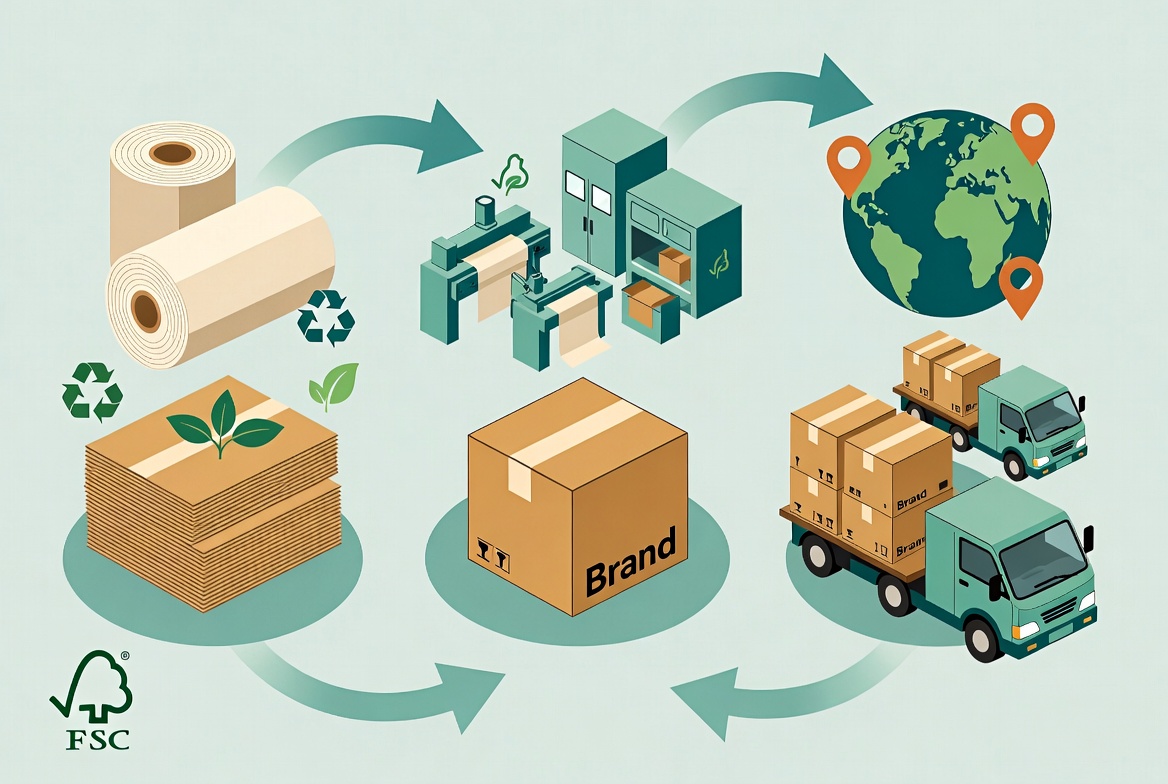
Expert Perspective – What Leading Brands Are Getting Right
Based on our experience supporting international brands with custom packaging boxes and display solutions, several patterns stand out in successful packaging strategies. [cn.linkedin]
1. They design from the supply chain backward
Instead of starting with the graphic design, leading brands first map the entire journey:
1. How products are picked and packed at the warehouse.
2. How parcels are sorted, stacked, and handled during transit.
3. How customers receive and open the package at home or in a workplace.
This end‑to‑end view informs decisions on box dimensions, board strength, closure type, and whether inserts are necessary or not. A manufacturing partner with experience across multiple logistics scenarios can quickly highlight where real‑world issues tend to appear. [bisenet]
2. They use data, not guesswork
High‑maturity e‑commerce teams treat packaging as an optimizable system, not a one‑off cost.
Practical examples include:
- Tracking damage and return rates by SKU and packaging design to identify weak points. [packageit]
- Comparing logistics costs before and after right‑sizing initiatives. [bisenet]
- A/B testing different unboxing experiences for high‑value segments to measure satisfaction and NPS. [woola]
This approach requires stable quality from the manufacturer so that tests are clean and repeatable, which is where long‑term partners with strict quality systems become valuable. [shippingonline]
3. They standardize where possible, customize where it matters
The most efficient brands maintain a core library of standardized packaging structures (for example, a set of folding cartons and corrugated shipping boxes that cover 80% of orders). On top of that, they selectively invest in: [woola]
- Premium printed gift boxes for hero products.
- Tailored solutions for fragile or oversized SKUs.
- Seasonal or limited‑edition designs for key marketing moments. [woola]
A manufacturer capable of handling both everyday volumes and complex, high‑finish boxes helps keep this dual strategy lean and manageable. [xkdisplay]
New Deep‑Dive Sections: How to Build a Future‑Ready E‑Commerce Packaging Strategy
To go beyond trends, let's look at concrete steps you can follow when upgrading your e‑commerce packaging.
Step 1 – Audit your current packaging performance
Start by understanding how your existing packaging performs in the real world. [packageit]
Key questions to ask:
- What are your current damage and return rates by product line?
- How often do customers complain about over‑packaging or difficult opening?
- How many different box sizes and materials are in use, and can they be consolidated?
A simple spreadsheet combining logistics data and customer feedback will often reveal quick wins such as retiring rarely used SKUs or replacing excess void fill with better structural design.
Step 2 – Align packaging with brand and sustainability goals
Next, define how packaging should support your brand promise and sustainability roadmap. [marketsandmarkets]
Practical actions:
- Decide where you want to sit on the spectrum from minimalist to luxurious unboxing.
- Set measurable targets, such as a percentage reduction in plastic usage or the share of recyclable materials.
- Clarify whether you are aiming for certifications (FSC, recycled content claims) and in which markets. [marketsandmarkets]
These decisions guide your material and structure choices, and they help your manufacturing partner propose realistic options aligned with regulatory requirements in your target regions.
Step 3 – Co‑design with your packaging manufacturer
Experienced converters and printers can often solve problems that look expensive or impossible from the brand side. [cn.linkedin]
When you involve your manufacturing partner early, you can:
- Optimize dielines for better sheet utilization and less waste. [xkdisplay]
- Adjust board grades to balance strength and cost.
- Integrate features like tear strips, handles, and smart folding to simplify packing and unboxing. [packageit]
Shenzhen XingKun, for example, combines packaging box production with display stands, playing cards, and printed inserts, which allows brands to coordinate multiple touchpoints in a single production cycle and maintain consistent print quality. [cn.linkedin]
Step 4 – Pilot, test, and scale
Finally, treat packaging improvements as a continuous test‑and‑learn loop.
A practical roadmap:
1. Run small‑batch pilots for new structures or materials on a subset of SKUs.
2. Measure logistic KPIs (damage, cost per shipment), CS feedback, and environmental impact where data is available. [bisenet]
3. Iterate with your manufacturer, then roll out the top‑performing designs globally.
This iterative approach reduces risk and ensures that each new generation of packaging delivers tangible gains in cost, customer experience, or sustainability.
Material and Design Choices Shaping the Future
Paper‑based and corrugated solutions
Corrugated board already accounts for a majority share of e‑commerce packaging materials, and its dominance is expected to continue due to its strength, versatility, and recyclability. [marketsandmarkets]
Within this category, brands are experimenting with:
- Lighter but stronger flute profiles for better stacking and lower material use. [bisenet]
- High‑quality printing directly on corrugated for "ship‑in‑own‑container" (SIOC) models.
- Hybrid structures where a premium printed sleeve wraps a sturdy inner mailer. [woola]
Manufacturers with advanced converting and printing capabilities can help brands move more SKUs into SIOC formats, cutting the need for secondary outer boxes and reducing shipping complexity. [xkdisplay]
Finishing, printing, and sensory experience
Beyond structure and board grade, tactile and visual details significantly influence perceived value.
Common techniques include:
- Spot UV and foil stamping on logos or key message areas. [packageit]
- Soft‑touch or matte laminations for premium feel, balanced against recyclability considerations. [woola]
- Thoughtful color management to maintain brand consistency across channels and product lines. [xkdisplay]
A partner like XingKun, with long‑term experience in offset printing and special finishes, can help you calibrate when to invest in these upgrades and when a simpler approach is more appropriate. [cn.linkedin]
Choosing the Right E‑Commerce Packaging Partner
What to look for in a manufacturing ally
Your packaging supplier should be more than a vendor – it should function as a solutions partner.
Key criteria include:
- Proven experience with custom packaging boxes for e‑commerce and retail. [xkdisplay]
- Ability to handle concept development, structural design, prototyping, and mass production.
- Quality systems and global export experience, including documentation and logistics support. [shippingonline]
Shenzhen XingKun Packing Products Co., Ltd. was founded in 2004 and has grown into a high‑quality printing company specializing in packaging boxes, paper bags, blister cards, display stands, playing cards, and other print products for global clients. With more than 20 years of manufacturing experience and customers across over 30 countries and regions, XingKun combines design, printing, and binding capabilities into integrated packaging solutions. [shippingonline]
Example collaboration model with XingKun
A typical collaboration for e‑commerce packaging might look like this:
- Discovery and requirements
Review your product range, markets, sustainability goals, and existing packaging pain points.
- Design and sampling
XingKun's team proposes structures and artwork options, then produces physical samples for testing. [xkdisplay]
- Pilot production and refinement
Limited‑run batches validate performance across logistics networks before global rollout.
This model ensures that packaging is both technically sound and aligned with brand and customer experience objectives.
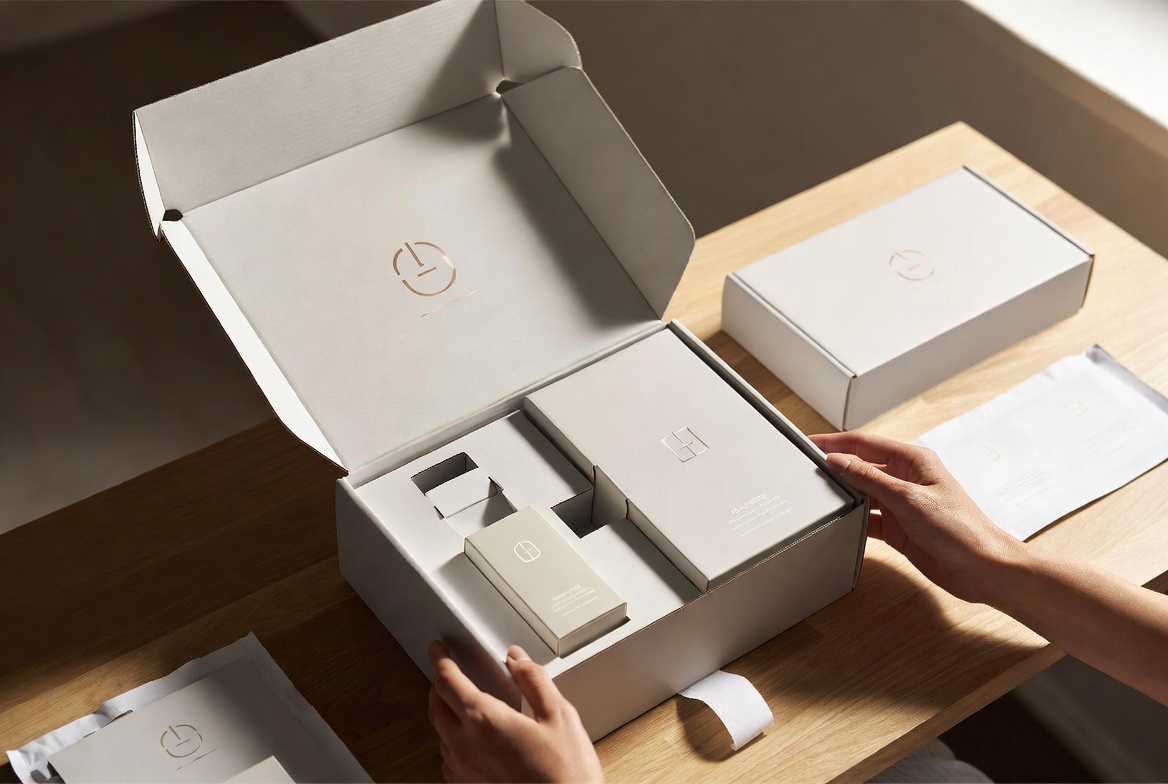
Practical Checklist for Your Next Packaging Upgrade
Use this quick checklist when you evaluate new e‑commerce packaging designs:
- Is the box right‑sized for the product and shipping method?
- Are materials recyclable or reusable in your target markets, and do they support your ESG narrative?
- Is the unboxing experience simple, intuitive, and free of unnecessary plastic?
- Does the packaging protect temperature‑sensitive or fragile products throughout transit?
- Can you integrate QR codes or other connected elements to extend the customer journey?
- Have you tested the design in real‑world conditions before scaling up?
- Are you working with a manufacturing partner that understands both structural engineering and brand storytelling?
E‑Commerce Packaging Trend Snapshot (2025+)
| Focus area | What is happening |
| Sustainability | Shift to paper‑based, recyclable, and right‑sized solutions as default expectations. (packageit) |
| Customer experience | Frictionless, waste‑reduced unboxing with strong visual branding and inserts. (packageit) |
| Smart technology | QR‑enabled connected packaging for content, service, and loyalty flows. (packageit) |
| Performance & safety | Growth in temperature‑steady and impact‑resistant packaging for sensitive goods. (packageit) |
| Customization | Short‑run, campaign‑based designs plus personalized packaging elements. (woola) |
Call to Action – Turn Your Packaging into a Growth Engine
If your e‑commerce packaging still feels like a cost line rather than a competitive advantage, now is the moment to re‑evaluate it. By aligning materials, structure, branding, and smart technology, you can simultaneously reduce costs, improve sustainability metrics, and delight your customers. [marketsandmarkets]
With more than two decades of specialized experience in custom packaging boxes, paper products, and display solutions, Shenzhen XingKun Packing Products Co., Ltd. is ready to support global brands and distributors in building the next generation of e‑commerce packaging. Reach out to explore tailored concepts, sampling options, and scalable production plans that match your brand and logistics needs. [shippingonline]
FAQs on the Future of E‑Commerce Packaging
Q1. What is the main trend shaping the future of e‑commerce packaging?
The dominant trend is the integration of sustainability, cost efficiency, and branded customer experience into a single, data‑driven packaging strategy. [marketsandmarkets]
Q2. How can I make my packaging more sustainable without increasing costs?
Start by right‑sizing your boxes, reducing unnecessary materials, and switching to recyclable paper‑based substrates; these moves often reduce both waste and shipping expenses. Partnering with an experienced manufacturer can also help you optimize board grades and layouts for better material utilization. [xkdisplay]
Q3. Are QR codes on packaging still relevant?
Yes, QR‑enabled connected packaging remains highly effective for linking customers to tutorials, offers, and support, while also providing a flexible layer of digital content on top of static print. [bisenet]
Q4. When should I invest in premium finishes on my e‑commerce boxes?
Premium finishes such as foil or soft‑touch coatings are most impactful for high‑value SKUs, gifting occasions, and subscription products where unboxing is a core part of the brand promise. For everyday shipments, clean graphics on quality board are usually sufficient. [woola]
Q5. Why work with a specialist manufacturer instead of using generic stock boxes?
Specialist manufacturers like Shenzhen XingKun can tailor structures, materials, and print quality to your specific products and markets, helping you reduce damage, control costs, and create a distinctive brand experience that stock boxes cannot offer. [cn.linkedin]
References
1. PackageIt – "The Future of E‑commerce Packaging Trends & Innovations for 2025". [Link] [packageit]
2. Shenzhen XingKun Packing Products Co., Ltd. – Official website. [Link] [xkdisplay]
3. Grand View Research – "E‑commerce Packaging Market Size, Share & Trends Analysis Report to 2033". [Link] [grandviewresearch]
4. Mordor Intelligence – "E‑commerce Packaging Market Size & Share Analysis (2026–2031)". [Link] [mordorintelligence]
5. MarketsandMarkets – "E‑Commerce Packaging Market by Material, Form, and Region – Forecast to 2030". [Link] [marketsandmarkets]
6. Woola – "5 Big Ecommerce Packaging Trends". [Link] [woola]
7. Bisenet – "电子商务快速扩张与增长,包装创新功不可没". [Link] [bisenet]
8. XingKun – Article "电子商务包装的未来". [Link] [xkdisplay]
9. XingKun Packing Products Co., Ltd. – Company profile and contact details. [Link] [shippingonline]
10. XingKun Packing Products Co., Ltd. – LinkedIn company page. [Link] [cn.linkedin]


