Content Menu
● Why Kid Cards Matter
● What Kid Cards Include
● Design Principles That Work
● Materials and Printing
● Educational Value That Sells
● Market Insight for 2026
● Expert Production Workflow
● OEM ODM Advantages
● How to Differentiate
● Common Mistakes to Avoid
● CTA for Buyers
● Conclusion
● FAQ
>> 1. What are kid cards used for?
>> 2. What makes a kid card design effective?
>> 3. What materials are best for kid cards?
>> 4. Do kid cards need safety testing?
>> 5. Can kid cards be customized for brands?
>> 6. Are kid cards suitable for export markets?
● References
Kid cards are more than simple printed pieces; when designed well, they become learning tools, play tools, and brand touchpoints that children actually want to use. For brands buying OEM/ODM kid cards, the real opportunity is to combine age-appropriate design, durable production, and clear educational value into one product that feels useful and memorable.
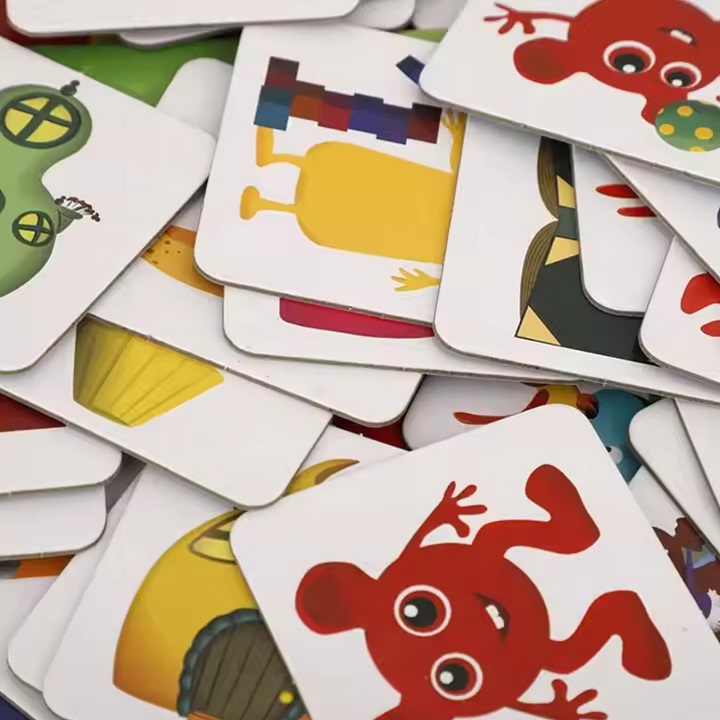
Why Kid Cards Matter
Kid cards sit at the intersection of education, entertainment, and merchandising. UNICEF emphasizes that play is fundamental to how children explore, learn, and build problem-solving skills, which makes card-based formats especially powerful for early learning and interaction. That means a strong kid card product can do more than "look cute"; it can support memory, language, recognition, matching, storytelling, and social play. [facebook]
From a brand perspective, kid cards also create repeat exposure. A child may open the deck many times, while parents often judge the product by print quality, safety, clarity, and usefulness. For wholesalers and brand owners, this makes kid cards a scalable category with both retail appeal and educational value.
What Kid Cards Include
The term kid cards can cover several product types. In practice, the best-performing products usually fall into a few familiar formats:
Flash cards, for letters, numbers, animals, colors, or vocabulary.
Memory cards, for matching games and cognitive play.
Story cards, for sequencing, creativity, and language development.
Behavior or routine cards, for daily habits and classroom use.
Safety or ID-style cards, for practical child-related needs.
Game cards, for simple play mechanics that children can understand quickly.
Because these formats serve different goals, the content structure, card size, illustration style, and material choice should change accordingly. A flash card deck should prioritize readability, while a story deck should prioritize image clarity and narrative flow.
Design Principles That Work
A good kid card is easy to understand at a glance. Research on children's reading performance shows that format and readability affect how quickly children process text, which supports a clean layout with large type, strong contrast, and limited clutter. In other words, children should not have to decode the design before they can use the card. [readabilitymatters]
The most effective design choices usually include:
Large, readable fonts with simple letterforms.
Bright but controlled colors that feel playful without overwhelming the page.
One core idea per card so the message is instantly clear.
High-contrast text and backgrounds for faster recognition.
Illustrations that match the learning goal, not just decoration.
Consistent visual structure across the deck to reduce cognitive load.
If the cards are for younger children, the best rule is simple: less text, more meaning. One strong image and one clear word often perform better than a crowded design filled with labels.
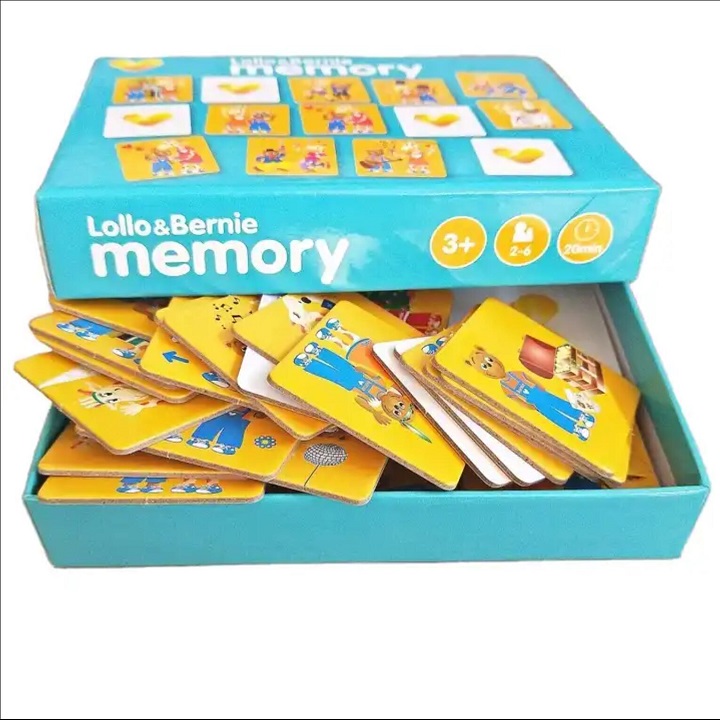
Materials and Printing
The material choice affects both user experience and product life cycle. A kid card deck needs to survive frequent handling, bending, and the occasional spill, so durability matters as much as aesthetics. For OEM buyers, this is where paper stock, finish, and lamination become strategic decisions rather than afterthoughts.
Common production choices include:
| Material / Finish | Best Use | UX Benefit |
| Thick paperboard | Flash cards, learning decks | Feels sturdy and premium |
| Coated art paper | Illustrated cards | Improves color vibrancy |
| Matte lamination | Educational cards | Reduces glare and improves readability |
| Gloss lamination | Bright game decks | Makes colors pop |
| Rounded corners | Children’s products | Improves safety and handling |
| Custom tuck box | Retail packaging | Easier storage and shelf appeal |
For children's products, safety and compliance should also be part of the brief. The U.S. Consumer Product Safety Commission states that children's products are subject to specific safety rules, so brands should confirm classification, age grading, and testing requirements before production. That matters especially when a card product includes small parts, special coatings, or accessories. [cpsc]
Educational Value That Sells
The strongest kid cards solve a real parent or teacher problem. That could mean helping a child learn numbers, practice emotional language, build vocabulary, or follow a routine. A card deck with educational purpose is easier to justify in e-commerce listings, classroom channels, and gift markets.
Here are the learning benefits that buyers care about most:
Memory training, through repetition and matching.
Language development, through naming and recognition.
Attention control, by focusing on one task per card.
Social interaction, through turn-taking and guided play.
Confidence building, through simple, successful interactions.
This is where kid cards become more than a toy. They become a compact learning system. In the market, that distinction helps brands position the product as both fun and functional.
Market Insight for 2026
The broader card market continues to show strong demand, especially in collectible and play-driven categories. Recent 2026 coverage points to continued growth in trading cards and card-based products, reflecting consumer interest in tactile, physical formats even in a digital-first world. While kid cards are a different segment from sports or trading cards, they benefit from the same underlying trend: people still value physical cards that can be used, shared, and collected. [finance.yahoo]
For product strategists, this means demand is being supported by three forces:
1. Parent demand for educational products.
2. Retail demand for affordable giftable items.
3. Brand demand for low-cost, high-repeat-use merchandised products.
That combination makes kid cards especially attractive for OEM and ODM production.
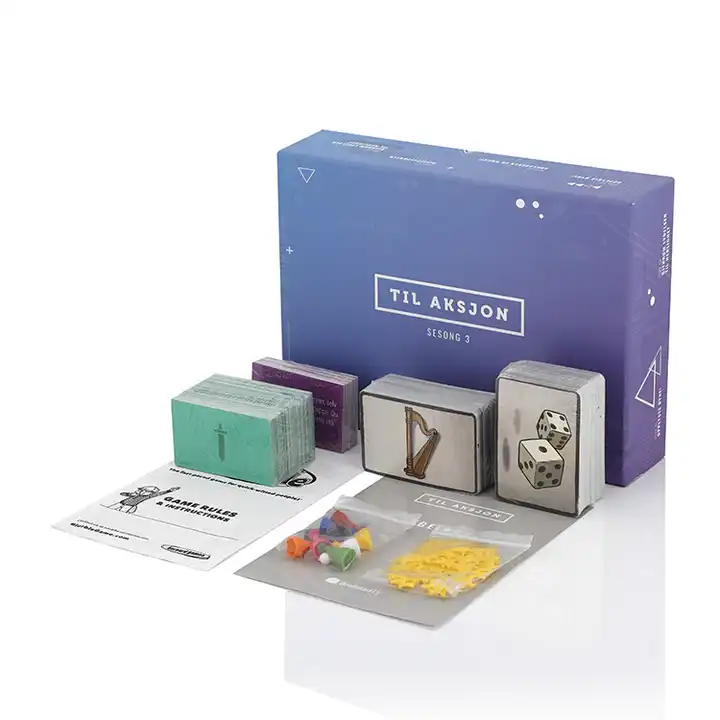
Expert Production Workflow
From a manufacturer's point of view, the best kid card projects follow a disciplined workflow. Skipping steps almost always creates avoidable problems like unclear content, weak print contrast, or packaging that feels too generic.
A practical production process looks like this:
1. Define the use case.
Decide whether the deck is for learning, play, behavior support, or gifting.
2. Set the age group.
A deck for preschool children should look very different from one for older kids.
3. Map the card structure.
Determine how many cards are needed, what each card teaches, and how they connect.
4. Build the visual system.
Choose fonts, colors, icon style, and illustration rules before final artwork begins.
5. Prototype and test.
Check readability, card size, handling, and package fit with real users or internal reviewers.
6. Finalize the packaging.
A good box improves shelf appeal and protects the deck during transit.
This workflow helps reduce revisions and improves launch speed.
OEM ODM Advantages
For international brands, working with a Chinese OEM/ODM factory can offer important advantages. XingKun states that it specializes in custom printed products including packaging boxes, cards, books, stickers, and puzzles, with OEM services for global brands and distributors. That kind of breadth is useful when the kid cards need matching packaging, inserts, or cross-sell items. [xkdisplay]
Typical OEM/ODM advantages include:
Custom sizing for different hand sizes and use cases.
Brand-consistent visuals across cards and packaging.
Cost-efficient scaling for bulk orders.
Fast sample development for product validation.
Flexible finishing options for premium positioning.
For brands building a product line, this matters because kid cards often sit inside a larger ecosystem of books, puzzles, stickers, or boxed learning kits.
How to Differentiate
Many kid cards look similar at first glance. The best products stand out because they combine clear educational purpose with a strong brand story. A deck becomes more competitive when it has a point of view, such as bilingual learning, emotion education, home-school use, or Montessori-style gameplay.
Ways to differentiate a kid cards product:
Add bilingual content for export markets.
Use category-specific illustration systems instead of generic clip art.
Include parent guidance on the box or insert.
Create progressive learning levels from beginner to advanced.
Offer bundle packaging with books, stickers, or mini games.
Differentiation is not only about design. It is about making the card deck easier to understand, easier to reuse, and easier to recommend.
Common Mistakes to Avoid
A lot of card projects fail because they try to do too much. When a deck includes too much text, too many messages, or too many visual styles, children lose interest quickly and parents see lower value.
Avoid these mistakes:
Overcrowding each card with information.
Using tiny fonts or low-contrast text.
Choosing illustrations that do not match the age group.
Ignoring packaging protection.
Skipping test samples before mass production.
Forgetting age grading and child safety requirements.
A strong kid card deck should feel effortless. If the design makes the user work too hard, the product loses its advantage.
CTA for Buyers
If you are developing a kid cards line for retail, education, or promotional use, the smartest next step is to request a custom sample deck with your target age group, deck size, material, and packaging style. That gives your team a real product to review before mass production, and it helps you judge whether the design feels educational, durable, and market-ready.
Conclusion
Kid cards work because they are simple, hands-on, and highly reusable. When the design is age-appropriate and the production quality is strong, the product becomes both a learning tool and a brand asset. For global buyers, the strongest results come from pairing clear educational intent with professional OEM/ODM manufacturing and compliance-aware product planning. [xkdisplay]
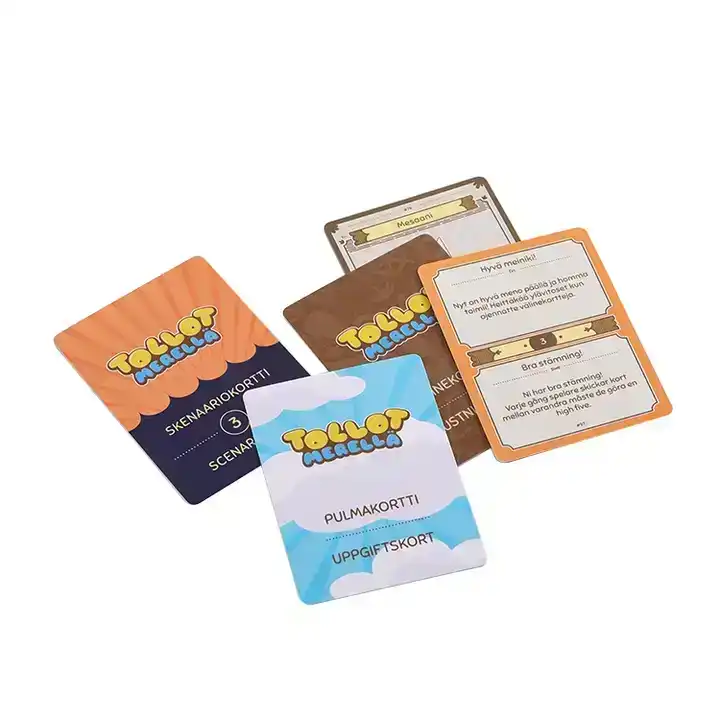
FAQ
1. What are kid cards used for?
Kid cards are used for learning, memory games, storytelling, routines, and simple interactive play.
2. What makes a kid card design effective?
An effective design is readable, colorful, age-appropriate, and focused on one main idea per card. [readabilitymatters]
3. What materials are best for kid cards?
Thick paperboard with protective finishing is usually best because it balances durability, print quality, and handling comfort.
4. Do kid cards need safety testing?
Yes, especially if they are marketed as children's products, because children's product safety rules may apply. [cpsc]
5. Can kid cards be customized for brands?
Yes, OEM/ODM manufacturers can customize size, artwork, packaging, finish, and content structure. [xkdisplay]
6. Are kid cards suitable for export markets?
Yes, especially when they are designed with clear age grading, durable packaging, and localized content for different regions.
References
XingKun product page: [https://www.xkdisplay.com/kid-cards.html]
XingKun company overview: [https://www.xkdisplay.com/zh-CN/]
UNICEF China, "Exploring the Power of Play": [https://www.unicef.cn/en/stories/exploring-power-play]
UNICEF-related play and child development references surfaced in search results: [https://www.facebook.com/unicefbelize/posts/can-you-complete-the-word-chain-take-a-minute-to-unwind-as-we-prepare-for-the-we/993] and [https://www.facebook.com/unicef/posts/every-child-everywhere-has-the-right-to-playit-is-how-they-explore-learn-and-mak/118750041]
Readability and children's reading performance research: [https://readabilitymatters.org/articles/research-highlight-the-influence-of-format-readability-on-childrens-reading-speed-and-co]
U.S. Consumer Product Safety Commission, Children's Products: [https://www.cpsc.gov/Business--Manufacturing/Business-Education/Childrens-Products]
Market trend context for card products in 2026: [https://finance.yahoo.com/news/sports-cards-market-growth-2026-162318968.html] and [https://www.linkedin.com/pulse/trading-cards-market-trends-20262034-global-reach-jvi2f]


