Content Menu
● Why printing booklet still matters in 2026
● What a printing booklet is
● Main booklet types
● Choosing the right paper
● Design rules that improve results
● Production workflow
● How to choose the right booklet style
● Quality checkpoints before printing
● Why booklet printing is still a smart marketing investment
● Common mistakes to avoid
● How XingKun supports custom booklet printing
● Expert recommendations for better booklet results
● Conclusion
● FAQ
>> 1. What is the difference between a booklet and a brochure?
>> 2. Which binding is best for booklet printing?
>> 3. How many pages should a booklet have?
>> 4. What paper is best for printing booklet projects?
>> 5. How can I make booklet printing look more premium?
>> 6. Is sustainable booklet printing possible?
● References
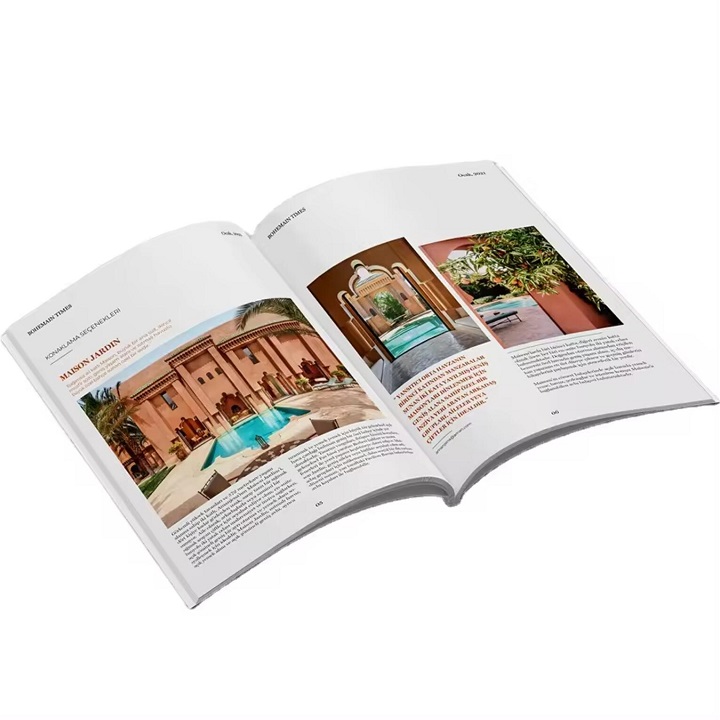
In a crowded market, a well-made printing booklet can do more than present information. It can shape brand perception, improve product understanding, and support sales with a tactile, professional format that people actually keep. [colourstream]
Why printing booklet still matters in 2026
Even in a digital-first world, booklets remain one of the most effective printed formats for product introductions, brand storytelling, trade show handouts, instruction manuals, catalogs, and corporate brochures. The reason is simple: a booklet combines compact size, structured content, and a premium feel that is difficult to replace with a screen. [printed]
From an industry standpoint, printing is moving toward faster digital workflows, personalization, and sustainability, which makes booklet production even more relevant for modern brands that want smaller runs, quicker turnaround, and eco-conscious materials. For buyers, that means booklet printing is no longer just about cost; it is about flexibility, speed, and presentation quality. [kernowcoatings]
For OEM and ODM customers, booklet printing is especially useful because it supports custom branding across industries such as cosmetics, electronics, food, education, toys, and retail. When designed well, a booklet becomes both a marketing tool and a product-support asset. [xkdisplay]
What a printing booklet is
A printing booklet is a multi-page printed piece bound together in a compact format, usually used to present information in a clear and organized way. It is commonly produced with saddle stitching, perfect binding, wire-o binding, or glued-edge binding depending on page count, purpose, and budget. [smartpress]
Unlike a flyer or leaflet, a booklet gives more space for detailed messaging, visuals, charts, product specs, and step-by-step explanations. That makes it ideal for brands that need to educate, persuade, or guide the reader without overwhelming them.
In practical terms, a booklet often sits between a brochure and a book. It is more polished than a leaflet, but usually faster and more economical to produce than a full hardcover or perfect-bound book. [printed]
Main booklet types
Choosing the right binding method is one of the most important decisions in booklet printing. Each option affects the look, durability, price, and maximum page count. [gotoprint]
| Binding type | Best for | Strengths | Limitations |
| Saddle stitch | Short booklets, brochures, event programs, slim catalogs | Low cost, fast production, lies flat, clean finish | Best for lower page counts |
| Perfect bound | Brand booklets, annual reports, premium catalogs, manuals | Premium appearance, square spine, durable | Higher cost, needs more pages |
| Wire-o / coil | Workbooks, manuals, training guides, reference documents | Opens flat, easy to use, practical | More utilitarian look |
| Glued edge | Pads, tear-off materials, simple reference booklets | Simple, efficient, cost-friendly | Less durable than perfect bind |
Saddle stitch is a popular choice for short-run marketing booklets because it is efficient and professional for compact pieces. Perfect binding is better when the booklet needs to feel more substantial and upscale, especially for corporate or retail presentation materials. [smartpress]
Choosing the right paper
Paper selection changes both the visual impact and the user experience of a booklet. Cover paper is typically thicker than inner pages to improve durability and create a better first impression. Inner pages should be selected based on whether the booklet is mostly visual, mostly text, or designed for writing and annotation. [printed]
For image-heavy booklets, coated paper can help colors appear sharper and more vivid. For manuals, workbooks, and reading-heavy content, uncoated paper often feels more natural and is easier to write on. If your booklet is intended to stay in circulation longer, paper weight and finish matter just as much as the design itself. [colourstream]
Sustainability is also becoming a deciding factor. FSC-certified paper and recycled substrates are increasingly requested by brands that want a responsible supply chain and better alignment with environmental expectations. For businesses with export or retail requirements, this can also support procurement and compliance goals. [uniprint.co]
Design rules that improve results
Good booklet printing starts before production. It starts with layout discipline, readable typography, and clear visual hierarchy. If the design is cluttered, even the highest print quality will not save the final product. [colourstream]
Here are the practical design rules that consistently improve booklet performance:
Use a strong cover with one clear message.
Keep body text short and scannable.
Use consistent spacing and margin control.
Choose fonts that remain readable at small sizes.
Place high-resolution images throughout the booklet.
Leave enough white space so the content feels premium, not crowded.
A strong booklet design should guide the reader in sequence. The cover attracts attention, the first spread builds interest, the middle pages deliver value, and the closing pages push action. That structure is especially useful for product brochures and OEM sales booklets because it mirrors the buyer journey.
Production workflow
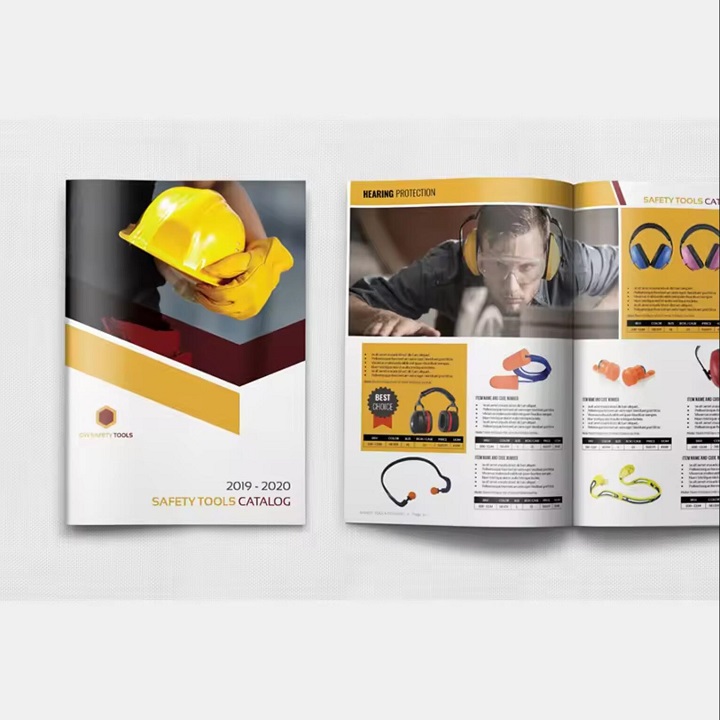
A smooth booklet production process reduces errors, saves time, and improves print consistency. This is especially important for overseas buyers who need predictable quality across repeat orders.
A reliable workflow usually includes the following steps:
1. Define the purpose of the booklet.
2. Confirm size, page count, and binding.
3. Select paper, finishing, and ink requirements.
4. Build the layout with bleed, margins, and page order in mind.
5. Review prepress files carefully.
6. Produce a proof or sample.
7. Approve mass production.
8. Pack and ship with the correct carton and labeling plan.
For page setup, the file must be prepared in correct reading order, with covers and inner pages arranged properly before production. This matters because errors in page order can delay the project and create expensive reprints. [printed]
For color accuracy and consistency, professional print production is increasingly aligned with formal process control standards such as ISO 12647-2, which defines parameters for quality and repeatable output in offset and related printing workflows. That matters when a booklet must match brand colors across multiple markets or repeat runs. [ricoh.co]
How to choose the right booklet style
Different industries need different booklet strategies. A luxury cosmetics brand does not need the same booklet structure as a technical equipment supplier.
The table below shows a practical way to match booklet style to business goal:
| Business use | Recommended style | Why it works |
| Product catalog | Perfect bound or saddle stitch | Balances visual impact and page capacity |
| Trade show handout | Saddle stitch | Lightweight, affordable, easy to distribute |
| User manual | Wire-o or perfect bound | Durable and easy to open repeatedly |
| Brand story booklet | Perfect bound | Premium look and stronger brand value |
| Training workbook | Wire-o | Lays flat for writing and reference |
| Promotional brochure | Saddle stitch | Fast, cost-effective, versatile |
For B2B exporters and OEM suppliers, the best booklet is usually the one that answers customer questions before the salesperson has to. That is why clarity and structure matter as much as visual appeal. [zhehan-printing.en.made-in-china]
Quality checkpoints before printing
A booklet can look good on screen and still fail in production. The key is to inspect technical details before approving the file.
Check these items before printing:
Page count matches the chosen binding method.
Bleed is included on all trimmed edges.
Images are high resolution.
Colors are converted correctly for print.
Fonts are embedded or outlined.
Spines, covers, and margins are calculated properly.
The final PDF is in correct reading order.
For buyers managing international manufacturing, a prepress checklist is not optional. It is the easiest way to reduce delays, avoid color mismatch, and protect margins on repeat production. This is especially true for high-volume promotional materials where consistency matters across launches. [iso]
Why booklet printing is still a smart marketing investment
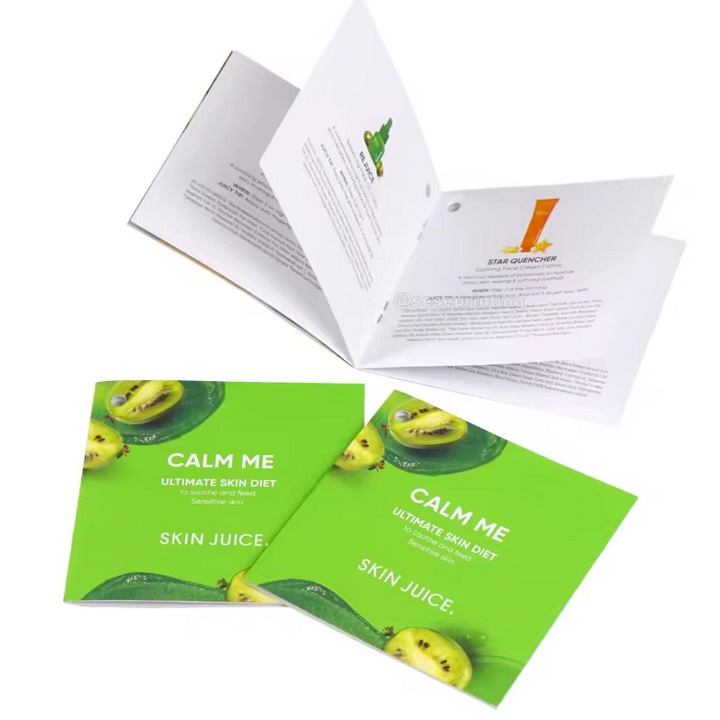
Booklets continue to work because they create focused attention. A reader does not skim a booklet the same way they skim a social post or banner ad. They turn pages, absorb structure, and spend more time with the message.
That makes booklet printing valuable in several ways:
It supports longer, more detailed storytelling.
It improves product comprehension.
It makes a brand feel more established.
It helps sales teams leave behind something tangible.
It can be reused across exhibitions, stores, and direct mail.
Industry trends in 2026 also support the booklet format. Digital printing, personalization, sustainability, and shorter production runs all favor custom booklet projects, especially when brands need flexible quantities and faster market response. In other words, print is not disappearing; it is becoming more targeted and more strategic. [wpconfigurator]
Common mistakes to avoid
Many booklet projects fail for avoidable reasons. The most common problems usually show up in planning, file setup, or material selection.
Avoid these mistakes:
Choosing the wrong binding for the page count.
Using low-resolution images.
Making the cover too crowded.
Ignoring bleed and safe margins.
Selecting paper that clashes with the content purpose.
Printing too much text without enough visual hierarchy.
Skipping proof approval.
A booklet should feel intentional. If the reader has to work too hard to understand it, the design has already lost part of its value.
How XingKun supports custom booklet printing
For brands, wholesalers, and manufacturers, a specialized printing partner should do more than print pages. It should help turn a concept into a production-ready product.
Shenzhen XingKun Packing Products Co., Ltd. offers custom booklet and brochure solutions with flexible materials, finishes, printing methods, and customization options, including gloss, matte, lamination, UV, and different paper structures. The company's booklet and brochure service is positioned for brand communication, marketing distribution, and cost-effective bulk printing. [xkdisplay]
For overseas clients, that matters because OEM and ODM work often requires coordinated design, proofing, packaging, and shipping support. A capable factory partner can simplify this process and reduce the risk of quality inconsistency across repeat orders. [xingheprint]
Expert recommendations for better booklet results
From a production and UX perspective, the best booklets usually share the same traits: they are easy to scan, visually disciplined, and built around a single communication goal. The strongest projects are not necessarily the most complex; they are the ones that make reading effortless. [colourstream]
A practical rule is to treat the first two pages as a promise and the last two pages as a conversion point. In between, every spread should either educate, reassure, or persuade. That approach is especially effective for product launches, brand manuals, and sales enablement materials.
If your booklet is intended for premium buyers, invest in better paper, precise finishing, and a binding style that supports the product's perceived value. If the booklet is intended for broad distribution, keep it lean, readable, and efficient to print.
Conclusion
A well-executed printing booklet is still one of the most versatile print formats for modern brands. It combines storytelling, product education, and professional presentation in a form that can be distributed easily and remembered longer than many digital ads. For companies that need OEM or ODM booklet printing, the best results come from matching the binding, paper, design, and finishing to the booklets' purpose rather than choosing based on price alone. [iso]
If your goal is to create custom booklet printing that looks premium and performs in the real world, focus on three things: clarity, consistency, and production control. Those are the qualities that turn a booklet from a simple printed piece into a sales tool.
FAQ
1. What is the difference between a booklet and a brochure?
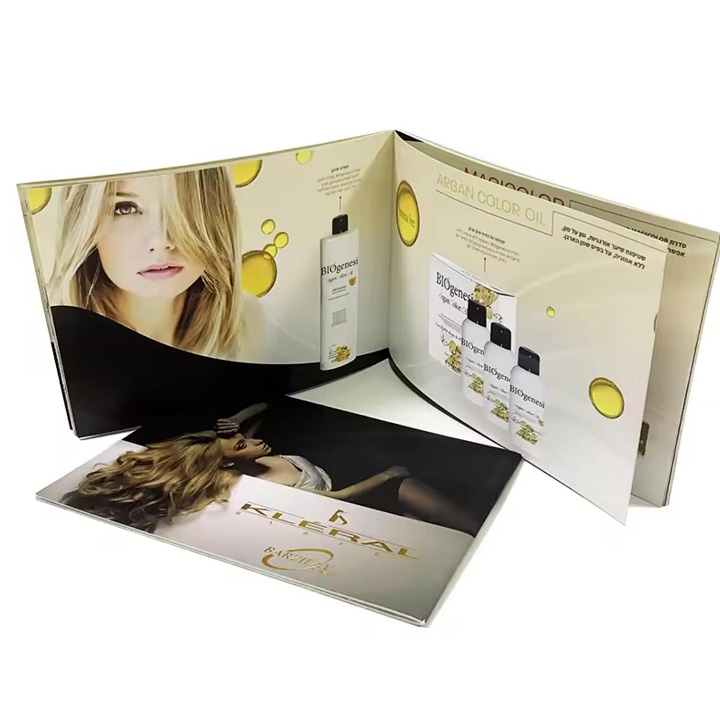
A booklet usually has more pages and a more structured reading flow, while a brochure is often shorter and more promotional in style. [smartpress]
2. Which binding is best for booklet printing?
Saddle stitch is best for short, affordable booklets, while perfect binding is better for premium or thicker publications. [gotoprint]
3. How many pages should a booklet have?
The right page count depends on the binding type and content depth, but saddle-stitched booklets are usually best for shorter page counts, while perfect bound works better for longer pieces. [gotoprint]
4. What paper is best for printing booklet projects?
Coated paper works well for image-heavy booklets, while uncoated paper is often better for writing, manuals, and text-heavy content. [colourstream]
5. How can I make booklet printing look more premium?
Use better paper, a clean cover design, strong typography, careful color control, and a binding style that suits the content and page count. [ricoh.co]
6. Is sustainable booklet printing possible?
Yes. Many printers now offer FSC-certified paper, recycled materials, and eco-friendly production choices to support sustainability goals. [metrorepro.co]
References
[WP Configurator – Top 10 Major Printing Industry Trends in 2026] [wpconfigurator]
[Printed.com – Our Guide to Creating High-Quality Booklets and Brochures] [wpconfigurator]
[Smartpress – How to Choose the Right Book Binding] [smartpress]
[ISO – ISO 12647-2:2013] [iso]
[Ricoh UK – Why ISO 12647-2 is vital for digital, professional printing] [ricoh.co]
[Uniprint – How FSC® Certification is Shaping the Future of Print Globally] [uniprint.co]
[Metro Repro – How Sustainable Printing Is Evolving in the UK in 2026] [metrorepro.co]
[XingKun Booklet & Brochure] [xingheprint]
[XingKun Main Site] [xkdisplay]
[Guangzhou Xinghe Printing – Custom book printing factory] [xingheprint]


