Content Menu
● What Are Language Flash Cards?
● Why Are Language Flash Cards So Effective?
● The Rising Demand for Custom Language Flash Cards
● How XingKun Elevates Language Learning
● The Psychology Behind Visual Memory and Language Retention
● Using Language Flash Cards in Modern Learning Environments
● The Role of Personalization and Emotional Connection
● The Economic and Educational Value of Custom Flash Cards
● How to Design and Use XingKun Custom Flash Cards Effectively
● Case Studies: Success Through Customization
● The Future of Flash Cards in Language Education
● Frequently Asked Questions about Language Flash Cards
>> Q1: What makes flash cards more effective than reading lists or textbooks?
>> Q2: How long should a learner use flash cards each day?
>> Q3: Can XingKun design bilingual flash cards?
>> Q4: Are XingKun flash cards suitable for children?
>> Q5: How can businesses or schools order customized flash cards?
Learning a new language is one of the most rewarding and intellectually stimulating pursuits a person can undertake. Yet, it often comes with challenges—memorizing vocabulary, understanding grammar, and staying motivated. Among the many tools designed to make the process easier, language flash cards have proven to be one of the simplest yet most powerful. But what makes these compact learning tools so effective, and how can custom flash cards from XingKun enhance language learning even further?
Language flash cards may appear old-fashioned in a world filled with smartphone apps and AI-driven learning systems, but their effectiveness remains unmatched. When carefully designed, personalized, and strategically used, they can significantly accelerate the process of acquiring a new language.
What Are Language Flash Cards?
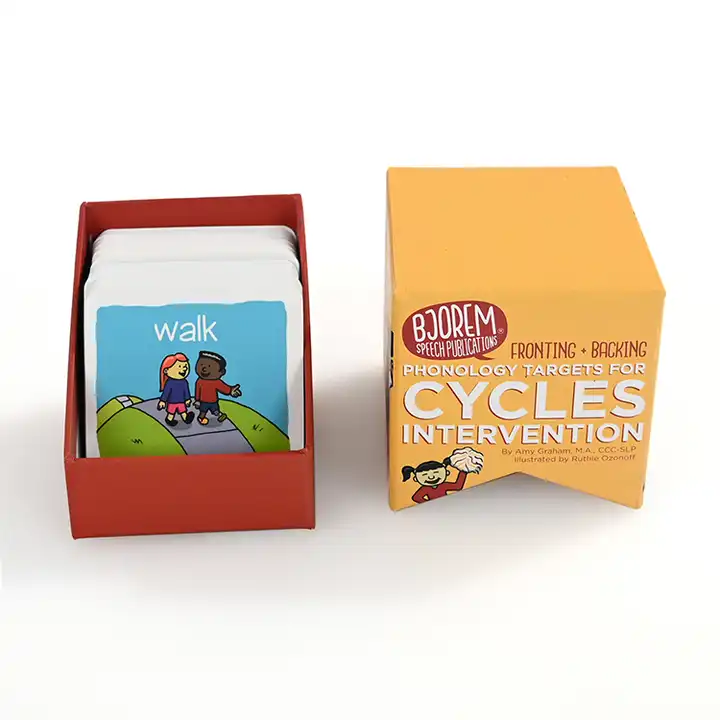
Language flash cards are small information cards used to learn and memorize vocabulary, grammar rules, phrases, and pronunciation. Traditionally, they feature a word or phrase in the target language on one side and its translation or explanation on the other. However, modern flash cards have evolved beyond simple text—they now include images, phonetic symbols, and real-life examples to make learning more dynamic and engaging.
The cards support active recall, forcing learners to retrieve information from memory rather than passively recognizing it. This cognitive effort strengthens memory retention and builds the foundation for long-term language grasp. Flash cards are especially useful for repetitive vocabulary learning, pronunciation practice, and grammar review.
Why Are Language Flash Cards So Effective?
The true magic of language flash cards lies in cognitive science. They use three powerful learning principles:
Active recall: When learners look at one side of a card and try to remember what’s on the other, they engage the brain’s retrieval process, which boosts long-term memory.
Spaced repetition: By reviewing cards at increasing intervals, learners strengthen their memory exponentially. This keeps words fresh just before they are about to be forgotten.
Chunking: Flash cards break complex information into small, digestible units. This method prevents cognitive overload, allowing learners to focus on small pieces of information at a time.
Together, these techniques turn flash card study sessions into highly effective memory workouts. Learners can review anywhere, at any pace—on a bus, during a lunch break, or while waiting in line.
The Rising Demand for Custom Language Flash Cards
As online education continues to grow, so does the need for personalized and high-quality physical learning tools. Custom-designed flash cards have become increasingly popular among teachers, schools, and independent learners seeking to make their educational experience unique and efficient.
This is where XingKun, a leading company specializing in custom educational products, plays a key role. XingKun’s language flash cards are not mass-produced, generic sets. Instead, they are meticulously tailored to meet the learner’s or organization’s precise needs.
Customization allows users to choose:
Target language and learning complexity (beginner, intermediate, advanced)
Card size, shape, and layout
Fonts, colors, and images to match branding or personal preferences
Material durability, from eco-friendly paper to waterproof plastic
Packaging design that combines professionalism with usability

How XingKun Elevates Language Learning
Unlike standardized resources, XingKun’s custom flash cards bring flexibility and visual richness to language learning. They are crafted with both function and aesthetics in mind. The design process integrates educational psychology, ergonomics, and print craftsmanship.
1. Customization for All Learners
XingKun offers full customization options so teachers can create entire sets suited for thematic lessons—such as travel vocabulary, culinary terms, or academic phrases. Learners can personalize their flash cards with phonetics, cultural references, or even QR codes linking to audio pronunciations.
2. Quality That Lasts
XingKun uses high-grade printing technology and environmentally responsible materials. The cards maintain vivid colors, smooth edges, and durability even with frequent use. This makes them ideal for classrooms, language schools, and long-term self-study.
3. Design Aligned With Pedagogy
Every card can be adjusted to fit a specific teaching method. For example, XingKun supports dual-language layouts, phonetic transcriptions, and contextual examples. The result is a learning tool that not only looks appealing but also reinforces practical retention methods.
4. Sustainable Practices
The company prioritizes sustainable production. Eco-friendly materials and responsible packaging ensure that learners benefit from their product while minimizing environmental impact—a feature especially appreciated by educational institutions with a focus on green learning.
5. Branding and Professionalism
Educational organizations and institutions can co-brand their sets with their logos or identity colors through XingKun’s design service. This feature helps schools, training centers, and companies maintain consistent branding while enhancing engagement with learners.
The Psychology Behind Visual Memory and Language Retention
Visual stimuli play a crucial role in memory formation. Studies show that information linked to imagery is remembered up to 65 percent better after a few days compared with purely verbal data. Flash cards combine text, visuals, and sometimes tactile elements, activating multiple senses during study sessions.
XingKun’s language flash cards take advantage of this by offering customizable visuals. For example:
Illustration of the noun “apple” next to its word in English, French, or Mandarin helps associate meaning more effectively.
Context images for verbs like “run” or “study” make learning active and memorable.
Color-coded subject categories (for instance, red cards for verbs, blue for nouns) aid organization.
Through personalized design, learners experience language more naturally, linking new information with mental images and emotional resonance.
Using Language Flash Cards in Modern Learning Environments
Technology may dominate education today, but physical learning tools still play a vital role. In classrooms, language flash cards act as conversation starters, practice aids, and group activity tools. In self-study, they encourage hands-on interaction that digital tools sometimes lack.
Educators use them for:
Quick quizzes: Teachers display one side to test vocabulary recall.
Sentence building games: Students combine cards to form sentences or phrases.
Pronunciation drills: Phonetic symbols on the flash cards boost accurate speech practice.
Meanwhile, independent learners can use XingKun’s cards for daily drills and spaced repetition methods. By organizing sets according to progress, they can track improvement and focus on weak points.
The Role of Personalization and Emotional Connection
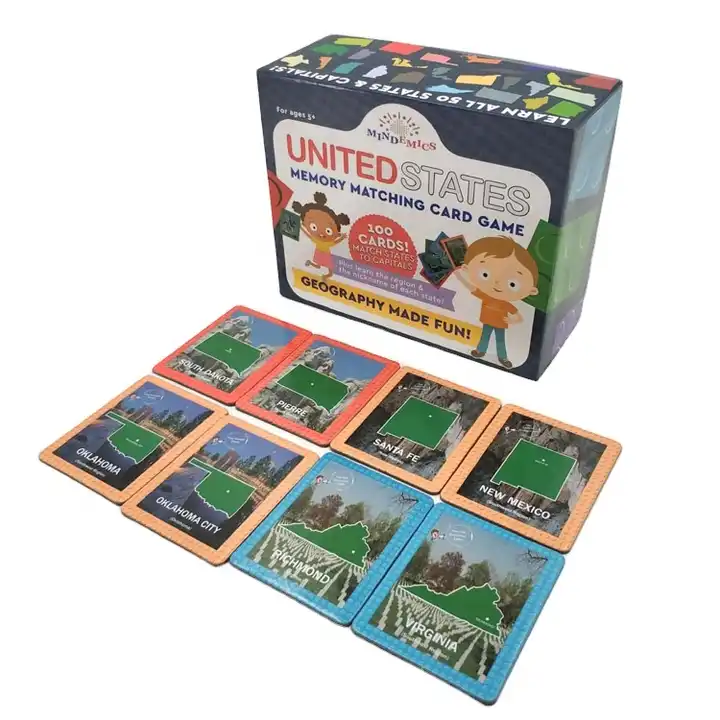
What makes a learning tool emotionally engaging? Personalization. When learners feel ownership over their materials, motivation increases significantly. Customized flash cards featuring familiar topics, personal interests, or even favorite colors create an emotional link to the study process.
XingKun’s design service encourages this emotional connection. Learners can print inspirational quotes, personal goals, or encouraging icons on their cards. Small details like these keep motivation alive—especially in long-term language learning journeys that demand patience.
The Economic and Educational Value of Custom Flash Cards
Beyond pedagogy, professionally produced flash cards deliver strong value for money. A durable, reusable set costs less over time than continuously replacing cheaply made alternatives. For institutions, bulk customization through XingKun ensures uniformity, quality control, and cost efficiency.
Language teachers benefit from custom sets tailored to lesson plans, saving preparation time. At the same time, learners receive a premium, well-structured tool that supports consistent practice. Combined, these benefits highlight the practicality of investing in XingKun’s language flash cards as a long-term resource rather than a temporary gimmick.
How to Design and Use XingKun Custom Flash Cards Effectively
Here are a few practical steps to maximize results when using custom flash cards.
Define learning objectives. Determine whether the focus is vocabulary, grammar, idioms, or pronunciation.
Choose visual themes. Select colors and designs that represent categories.
Add contextual examples. Each card should include short sample sentences or hints for usage.
Apply spaced repetition. Review cards based on forgetting curves—daily at first, then weekly.
Incorporate pictures and phonetics. These enhance recall.
Regularly shuffle and reorder. Prevent memorization by sequence.
When designed and used purposefully, Flash cards can complement other methods such as listening practice and conversation drills.
Case Studies: Success Through Customization
Although countless individuals use flash cards daily, the difference truly shows when customization aligns with goals. For example, a Mandarin teacher used a XingKun-designed flash card set with both simplified characters and pinyin. Her students reported faster recall within a few weeks, as the visual and auditory cues complemented each other.
Similarly, a European travel school created custom Spanish-English sets for staff training. Employees quickly learned essential phrases for client communication. The cards’ waterproof material ensured they remained durable even in outdoor activities—a small but effective detail made possible by XingKun’s manufacturing quality.
These examples showcase how personalized, purpose-driven design transforms learning from ordinary repetition into a structured and engaging experience.
The Future of Flash Cards in Language Education
Digital trends continue to reshape how people learn languages, yet physical flash cards retain unique advantages. They encourage tactile engagement, limit screen fatigue, and provide focus. The rise of hybrid education—combining physical materials with digital content—only boosts their relevance.
XingKun is already exploring integrations such as QR-linked pronunciation files or digital tracking systems embedded within printed cards. This blend of traditional and technological learning offers a comprehensive experience that bridges old and new.
As learners seek more personalized and effective approaches, the role of custom-designed resources will only expand. Language flash cards may be one of the oldest learning aids, but with creative innovation, they remain at the cutting edge of educational design.
Frequently Asked Questions about Language Flash Cards
Q1: What makes flash cards more effective than reading lists or textbooks?
Flash cards drive active recall rather than passive reading, making memory stronger and faster to retrieve. They are also more flexible and conveniently portable.
Q2: How long should a learner use flash cards each day?
Fifteen to twenty minutes of focused daily review is typically ideal, especially when paired with spaced repetition techniques.
Q3: Can XingKun design bilingual flash cards?
>Yes. XingKun offers full bilingual options with translations, pronunciations, and contextual samples for two or more languages.
Q4: Are XingKun flash cards suitable for children?
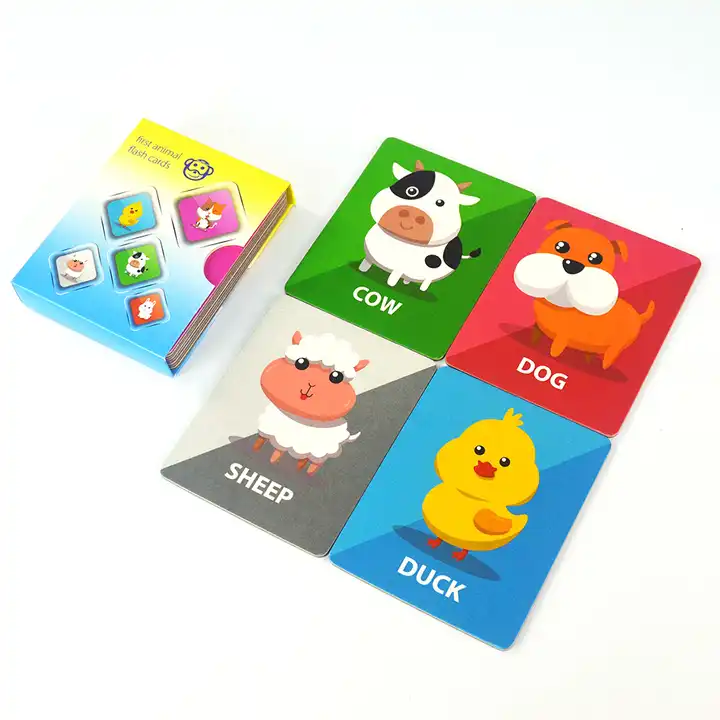
Absolutely. Custom sets can include playful illustrations, bright colors, and simplified vocabulary designed for young learners.
Q5: How can businesses or schools order customized flash cards?
Organizations can submit their specifications—content topics, design themes, and quantity—to XingKun’s design team, which provides prototypes and samples before production.


