Content Menu
● Key Features of a Presentation Box
● Structure and Materials
● Exterior Design and Finishes
● Interior Layout and Inserts
● Custom Dimensions and Configurations
● Functions and Benefits of a Presentation Box
● Protection and Security
● Brand Communication and Storytelling
● Enhanced Perceived Value
● Improved Customer Experience
● Versatile Applications
● Why XingKun Presentation Boxes Stand Out
● Secure Compartments and Thoughtful Interiors
● Customization for Different Products and Occasions
● Durability and Long‑Term Use
● Visual Appeal and Brand Image
● Efficient Production and Service
● How to Choose the Right Presentation Box for Your Brand
● Define Goals and Budget
● Know Your Product
● Choose a Structural Style
● Plan the Interior
● Design the Graphics and Finishes
● Example Use Cases of Presentation Boxes
● Related Questions and Answers
>> Q1: What is the main difference between a presentation box and a standard packaging box?
>> Q2: Can presentation boxes be fully customized for size and design?
>> Q3: Are presentation boxes suitable for both retail products and corporate gifts?
>> Q4: How do presentation boxes improve brand image?
>> Q5: Why choose a specialized manufacturer like XingKun for presentation boxes?
● Summary
A presentation box is a specially designed packaging box used to display, protect, and enhance the perceived value of a product or gift. It goes beyond simple shipping or storage; it is created to make the unboxing experience memorable and to communicate brand quality and emotion at first sight. A well‑designed presentation box turns an ordinary item into a premium gift, a professional sample, or a powerful marketing tool.
In many industries—such as jewelry, watches, cosmetics, electronics, and corporate gifting—a presentation box is now considered an essential part of the overall product experience. It frames the product visually, holds it securely in place, and helps tell a story about the brand and the occasion. When customers open a presentation box, they are not just accessing the product; they are experiencing the brand’s attention to detail, style, and values.
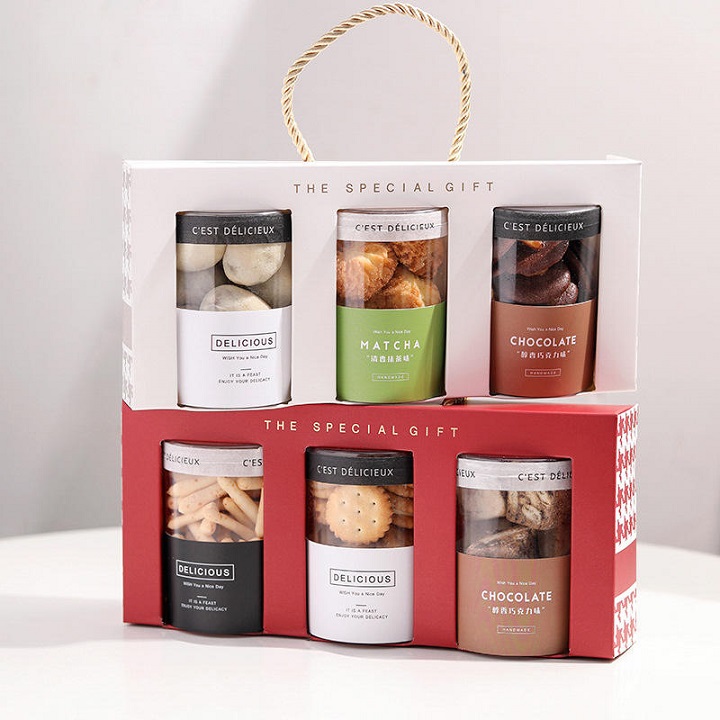
Key Features of a Presentation Box
A good presentation box typically combines several core features:
1.A strong, protective structure
2.A visually appealing exterior
3.A well‑designed interior layout
4.Customizable dimensions and printing
5.A closure system (such as magnetic, ribbon, or lid‑and‑base) that feels both secure and elegant
These elements work together to ensure the box is not only beautiful but also functional and durable in real use.
Structure and Materials
Most presentation boxes use rigid cardboard, specialty greyboard, or other durable paper‑based boards as their main structure. This gives the box a firm, premium feel while providing good protection during storage, handling, and transportation. The board is usually wrapped with printed or colored paper, specialty paper, or laminated material to achieve the desired visual and tactile effect.
Common structural styles include:
Lid and base (top and bottom) boxes
Book‑style magnetic closure boxes
Drawer (sleeve and tray) boxes
Clamshell or hinged lid boxes
Each style suits different product types and branding preferences. For example, a hinged box with a magnetic closure is ideal for watches and jewelry, while a drawer box works well for gift sets and small electronics.
Exterior Design and Finishes
The exterior of a presentation box is where the first impression happens. It can be simple and minimalist or richly decorated, depending on your brand position and target audience. Typical exterior elements include:
Printed logos and brand names
Custom colors aligned with brand identity
Patterns, images, or illustrations that support the brand story
Special finishes such as matte or gloss lamination, soft‑touch coating, spot UV, foil stamping, or embossing
These techniques help the box stand out on shelves, in photos, and during unboxing, creating a sense of luxury and professionalism.
Interior Layout and Inserts
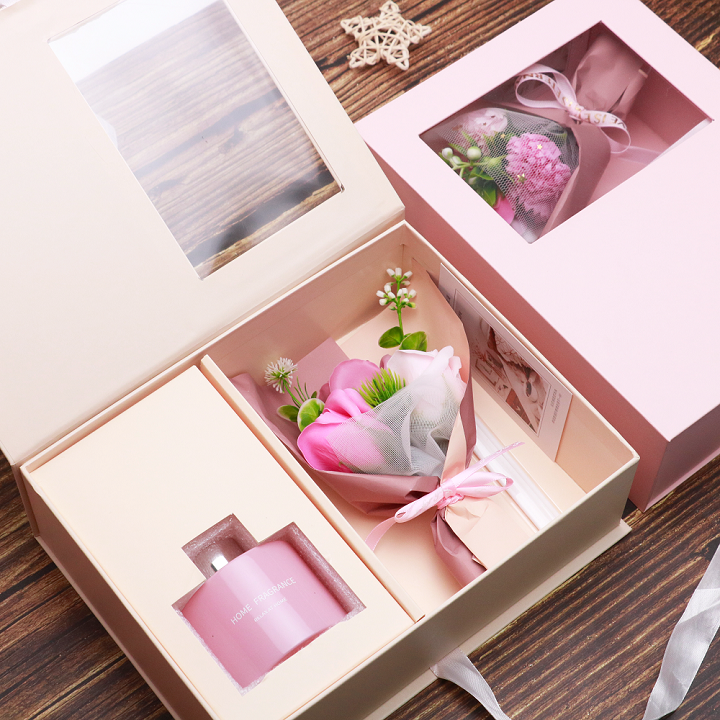
The interior of a presentation box is carefully planned to secure and showcase the contents. Inserts and compartments are designed to cradle each item, preventing movement and damage while presenting them in an organized layout.
Common interior solutions include:
Foam inserts (EVA, PU, or other foams) cut precisely to fit products
Cardboard or paperboard dividers and trays
Velvet‑covered platforms or cushions for jewelry and premium items
Ribbon pulls or tabs to help lift products from the box
A well‑designed interior not only protects but also guides the user’s attention, highlighting the main product and any accessories or documents.
Custom Dimensions and Configurations
Unlike standard shipping cartons, presentation boxes are usually made to fit specific products or sets. Dimensions are tailored so that the product sits snugly and proportionally within the box, with enough room for inserts, manuals, or promotional materials. Customization can include:
Box size and shape
Number and size of compartments
Depth and configuration of foam or cardboard inserts
Special elements like windows, ribbons, or fold‑out panels
This high degree of customization ensures that the box truly serves the product and the brand, rather than forcing a one‑size‑fits‑all solution.
Functions and Benefits of a Presentation Box
A presentation box provides value far beyond simple packaging. Its main functions and benefits include:
1.Protection and security
2.Brand communication and storytelling
3.Enhanced perceived value
4.Improved customer experience
5.Versatility for multiple occasions and industries
Protection and Security
The first job of any packaging is to protect its contents. Presentation boxes use robust boards, well‑engineered structures, and precise inserts to:
Prevent products from moving inside the box
Reduce the risk of scratches, breakage, or deformation
Protect items from dust and minor environmental impacts
When a product arrives in perfect condition, it reflects positively on the brand and reduces returns and complaints.
Brand Communication and Storytelling
A presentation box is an excellent medium for brand communication. Graphic design, colors, typography, and finishes can all be aligned with brand guidelines and marketing messages. The box becomes a three‑dimensional “business card” that:
Communicates brand positioning (luxury, playful, eco‑friendly, minimal, etc.)
Highlights key messages, slogans, or product information
Reinforces brand consistency across product lines and campaigns
This is particularly important for corporate gifts and promotional items, where the box itself contributes to the brand’s image in the recipient’s mind.
Enhanced Perceived Value
Packaging has a strong psychological effect on perceived value. A product placed in a well‑designed presentation box immediately feels more special, important, and premium than the same product in a simple mailer or plastic bag. This perceived value:
Supports higher pricing
Enhances the impact of gifts and awards
Makes customers more willing to share unboxing experiences online
For gift‑giving occasions, a presentation box can be the difference between a simple item and a memorable present.
Improved Customer Experience
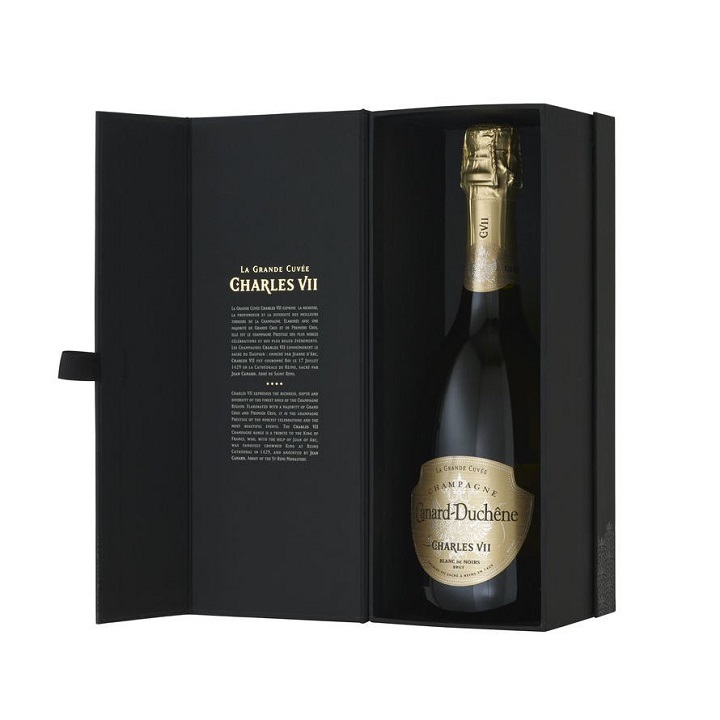
The unboxing process is a key part of modern customer experience. A presentation box can turn this moment into something enjoyable and shareable. Design details such as the way the lid opens, how the product is revealed, and how the textures feel in the hand all contribute to:
Customer satisfaction and delight
Stronger emotional connection with the brand
Higher chances of repeat purchase and recommendations
A thoughtful presentation box design considers not just how the box looks, but how it feels to open and interact with.
Versatile Applications
Presentation boxes are used in many scenarios, including:
Retail product packaging for high‑value or gift‑oriented items
Corporate gifts and holiday gifts
Product launch kits and media kits
Sample kits for B2B sales
Event giveaways and VIP packages
Because they can be fully customized, they adapt easily to different industries and purposes, from jewelry and fashion to electronics, beauty, food, and more.
Why XingKun Presentation Boxes Stand Out
As a professional packaging manufacturer, XingKun Printing Products focuses on high‑quality, customizable presentation boxes that balance aesthetics, protection, and cost‑effectiveness. By specializing in custom product boxes, dividers, ribbon boxes, and related packaging solutions, the company offers one‑stop service from design consultation to production and delivery. This makes it easier for brands to turn their ideas into practical, market‑ready packaging.
Customers who choose XingKun can expect the following core advantages:
1.Strong structural design for security
2.Flexible customization options
3.Consistent quality and durability
4.Professional, efficient service
5.Competitive pricing for wholesale and bulk orders
Secure Compartments and Thoughtful Interiors
One of the distinguishing features of XingKun’s presentation boxes is the focus on interior structure. The boxes are designed with secure compartments that carefully cradle each item, ensuring a snug fit and minimizing movement. This is especially important for delicate products such as watches, jewelry, and small electronics, where even minor movement can cause scratches or damage.
By tailoring the interior layout—using foam inserts, custom trays, and dividers—XingKun helps brands create packaging that is both beautiful and practical. The secure interior shows that the brand cares about every detail of product protection.
Customization for Different Products and Occasions
XingKun offers extensive customization to meet different product requirements and marketing goals. Brands can define:
Box dimensions to match specific items
Box shape and opening style (magnetic, drawer, hinged lid, etc.)
Interior configuration for single products, sets, or accessories
Printing and graphic design aligned with brand identity
This flexibility allows a single manufacturer to support a wide range of projects—from formal corporate gifts and product launch kits to creative promotional boxes and seasonal packaging.
Durability and Long‑Term Use
A presentation box from XingKun is designed not just for one‑time use, but to withstand repeated opening and display. The robust construction and quality materials help the box maintain its shape and appearance over time, leaving a lasting impression on customers or gift recipients.
Because the boxes are built to last, many end‑users keep them for storage or display, which extends the visibility of the brand. This long‑term presence turns the box into a physical reminder of the brand’s quality and attention to detail.
Visual Appeal and Brand Image
XingKun pays attention to both structure and aesthetics. By combining precise craftsmanship with well‑executed printing and finishing, the company helps brands create presentation boxes that truly represent their image. Whether the goal is modern simplicity or rich luxury, the box can be tailored accordingly.
When customers receive a product in a XingKun presentation box, the overall look and feel support a high‑end brand impression. This is especially valuable for new product launches and premium product lines.
Efficient Production and Service
Working with a specialized packaging manufacturer also simplifies the entire process for brands. XingKun provides professional, one‑stop service that can include:
Concept and structure consultation
Sampling and structural testing
Mass production with stable quality
Coordination of shipping and delivery schedules
This integrated approach saves time and effort for buyers, allowing them to focus more on product and marketing strategy while relying on XingKun for packaging execution.
How to Choose the Right Presentation Box for Your Brand
When selecting or designing a presentation box, it is helpful to follow a few key steps:
1.Define your goals and budget
2.Understand your product’s dimensions and protection needs
3.Decide on box style and opening method
4.Plan the interior layout and insert type
5.Develop the graphic design and finishes
Define Goals and Budget
First, clarify what you want the presentation box to achieve. Is it primarily for protection, for creating a luxury image, or for making an event gift set more memorable? Different goals may lead to different choices in materials, size, and finishes. At the same time, set a realistic budget per unit, especially if you are planning a large campaign or regular production.
Know Your Product
Accurate product measurements are essential. Consider:
Width, height, depth of the main product
Any accessories (cables, manuals, cards, smaller items)
Fragility and weight
Share these details with your packaging supplier so they can design a structure that fits perfectly and protects adequately.
Choose a Structural Style
Select a box style that matches your product and brand tone. A slim rigid box with a magnetic flap might suit a high‑end tech accessory, while a drawer box can add a sense of ritual to a gift set. Discuss structural options with your supplier and, if possible, request a sample to evaluate the opening experience and overall feel.
Plan the Interior
Decide how you want customers to see the product when they open the box. The main item should be the focus, with any accessories arranged cleanly around it. Work with your supplier to choose suitable inserts—foam, cardboard, or other materials—and to determine where to place branding elements, leaflets, or thank‑you cards.
Design the Graphics and Finishes
Once the structure is set, focus on the visual design. Use brand colors and logos consistently, and select finishing options (such as lamination, spot UV, or foil) that enhance, rather than overwhelm, the design. Remember that simplicity often feels more premium than overly complex visuals.
Example Use Cases of Presentation Boxes
To see how presentation boxes function in practice, consider a few typical use cases:
1.Jewelry and watch packaging: A rigid box with a soft interior cushion and precise cutouts protects delicate pieces and underscores their value.
2.Corporate gift sets: A custom box with compartments for a notebook, pen, and small gift item makes the recipient feel appreciated and strengthens corporate identity.
3.Product launch kit: A brand introduces a new product to media or influencers in a special box that includes the product, supporting materials, and branded elements, creating a strong first impression.
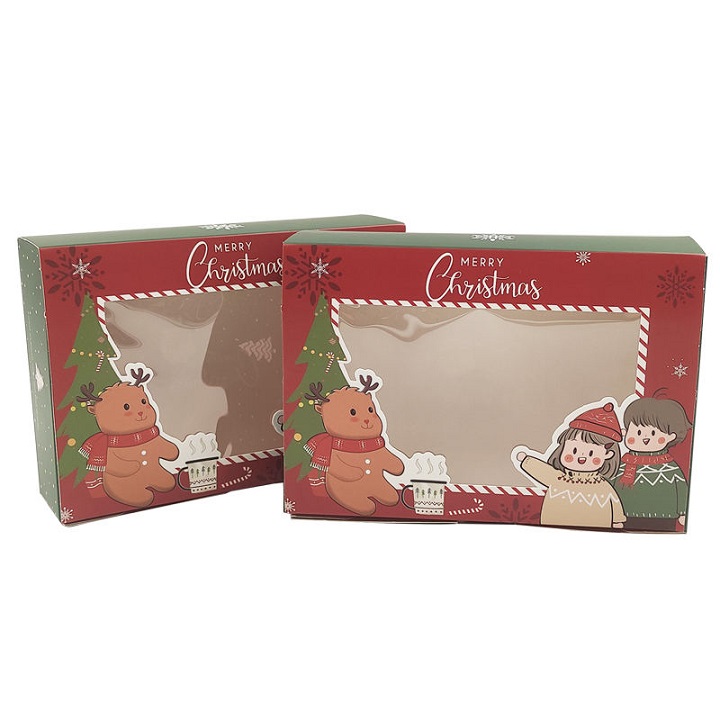
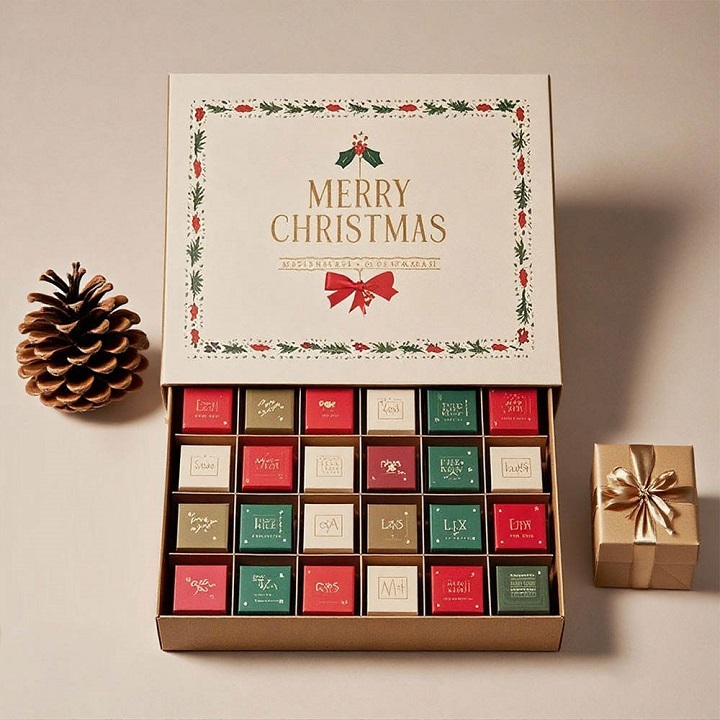
4.Holiday gift boxes: Seasonal boxes designed for festivals or holidays help brands deliver themed experiences and increase customer engagement.
In each case, the presentation box is a central part of the project, not just an afterthought.
Related Questions and Answers
Q1: What is the main difference between a presentation box and a standard packaging box?
A1: A presentation box is specifically designed to enhance visual impact and user experience, with careful attention to structure, appearance, and interior layout, while a standard box usually focuses mainly on basic protection and shipping needs.
Q2: Can presentation boxes be fully customized for size and design?
A2: Yes, presentation boxes are typically custom‑made to fit specific products and branding requirements, including size, shape, color, printing, inserts, and special finishes.
Q3: Are presentation boxes suitable for both retail products and corporate gifts?
A3: Absolutely. Presentation boxes are widely used for premium retail items, limited editions, and also for corporate gifts, product launch kits, and event giveaways, where they add professionalism and perceived value.
Q4: How do presentation boxes improve brand image?
A4: By using quality materials, precise structures, and consistent brand design, presentation boxes help communicate reliability, attention to detail, and a high level of care, which strengthens overall brand perception.
Q5: Why choose a specialized manufacturer like XingKun for presentation boxes?
A5: A dedicated manufacturer with experience in customization can provide secure structures, attractive designs, stable quality, and efficient service, making it easier for brands to turn ideas into effective, real‑world packaging.
Summary
A presentation box is much more than a simple container. It is a carefully designed tool that protects products, expresses brand identity, and elevates the entire unboxing experience. From structure and materials to interior configuration and graphic design, every detail can be customized to support specific business goals and occasions. By working with a professional manufacturer such as XingKun Printing Products, brands can create durable, visually appealing, and highly functional presentation boxes that leave a lasting impression on customers and gift recipients, adding real value to every product and campaign.


