Content Menu
● Animal Cards in Early Childhood Education
● Primary and Secondary School Classrooms
● Homeschooling and Family Learning
● Zoos, Aquariums, and Nature Centers
● Museums and Science Centers
● Language Learning and ESL Contexts
● Special Education and Therapy Settings
● Environmental Education and Conservation Programs
● Corporate Training, Team‑Building, and Events
● Retail Promotions, Loyalty Programs, and Tourism
● Digital and Multimedia Learning Environments
● How XingKun Elevates Custom Animal Cards
● Material and Printing Advantages of XingKun
● Custom Finishing and Visual Enhancement
● Sustainability and Eco‑Conscious Choices
● Flexible Applications Across Industries
● Example Use Case: A Zoo Education Kit
● Frequently Asked Questions
>> 1. What are the main educational benefits of animal cards?
>> 2. How can animal cards support conservation messages?
>> 3. Why choose custom animal cards instead of generic ones?
>> 4. What customization options does XingKun offer for animal cards?
>> 5. Where are custom animal cards most commonly used?
● Conclusion
Animal cards have evolved into versatile educational and promotional tools that appear in classrooms, homes, zoos, museums, and even corporate training programs. They combine engaging visuals with structured information to make learning about biodiversity, habitats, and conservation both accessible and memorable.

Animal Cards in Early Childhood Education
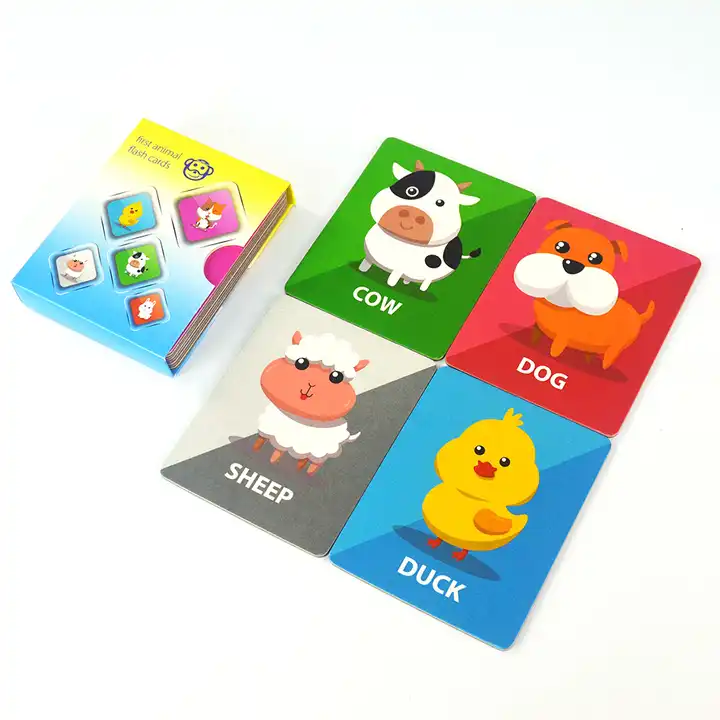
In preschools and kindergartens, animal cards are widely used to introduce young children to basic animal recognition, sounds, and habitats. Teachers rely on them during circle time, matching games, and storytelling sessions to develop vocabulary, memory, and observational skills.
Because each card usually includes clear images and simple descriptions, children can begin associating visual cues with names and characteristics at an early age. Interactive activities such as “find the animal that lives in the jungle” or “match the baby to the parent animal” make lessons tactile and fun.
Primary and Secondary School Classrooms
In primary schools, animal cards become tools for teaching science topics like classification, food chains, anatomy, and ecosystems. Students can sort cards into groups such as mammals, reptiles, birds, and amphibians, which reinforces abstract concepts through hands-on practice.
At the secondary level, animal cards help explain more complex ideas like adaptation, ecological niches, and biodiversity hotspots. Cards that describe habitats from rainforests to savannas allow students to compare environmental conditions and understand how species interact within ecosystems.
Homeschooling and Family Learning
Homeschooling families often use animal cards as a compact, portable curriculum resource for biology and geography units. Parents can build themed lessons around specific regions or taxonomic groups, using card-based quizzes, scavenger hunts, and storytelling as core activities.
At home, animal cards also function as a screen‑free alternative to digital games, encouraging siblings and parents to learn together. Families may create custom rules—such as awarding points for correctly describing a species’ diet or conservation status—to keep children engaged over time.
Zoos, Aquariums, and Nature Centers
Zoos, aquariums, and wildlife parks frequently rely on animal cards as part of their visitor education programs. Cards can mirror the exhibits, giving guests a portable reference for species names, habitats, and behaviors they see on site.
Education teams use animal cards in guided tours, children’s clubs, and special conservation events. When cards highlight the role each species plays in its ecosystem and note current conservation efforts, they help transform a casual visit into a deeper learning experience.
Museums and Science Centers
Natural history museums and science centers use animal cards in workshops, temporary exhibitions, and discovery corners. Cards that combine visuals, scientific names, and short narratives give docents and facilitators a flexible toolkit for audiences of different ages.
During interactive programs, participants may use animal cards to build food webs, simulate ecosystem changes, or role‑play different species facing environmental pressures. This hands‑on approach makes abstract scientific concepts concrete and easier to remember.

Language Learning and ESL Contexts
Animal cards are common in language schools and ESL classrooms because they pair familiar imagery with new vocabulary. Learners practice pronunciation, spelling, and sentence construction—such as “The tiger lives in the forest” or “The frog is an amphibian”—while referencing the cards.
Teachers also integrate animal cards into grammar games, like practicing comparative forms (“The elephant is bigger than the zebra”) or verb tenses (“The birds migrate in winter”). This multimodal method supports visual, auditory, and kinesthetic learning styles simultaneously.
Special Education and Therapy Settings
Therapists and special‑education teachers use animal cards to support students with diverse learning needs. Clear, consistent visuals can help learners practice categorization, emotional recognition (e.g., “Which animal looks calm?”), and communication skills.
Because animal topics are usually engaging and non‑threatening, cards can be effective tools during speech therapy, occupational therapy, and social‑skills training. Structured routines built around card sets provide predictability, while the variety of species maintains interest.
Environmental Education and Conservation Programs
Environmental organizations and schools use animal cards to promote conservation awareness and responsible behavior. Cards that describe endangered species, threats such as habitat loss, and ongoing conservation initiatives help learners connect personal actions with global outcomes.
In workshops and youth camps, participants might use the cards to design “save this species” campaigns, simulate decision‑making in protected areas, or explore how climate change affects different habitats. This combination of information and activity can foster long‑term environmental stewardship.
Corporate Training, Team‑Building, and Events
Outside formal education, animal cards also appear in corporate training and team‑building activities. Facilitators may use them as icebreakers or metaphors for different work styles: participants select an animal card that reflects their personality or role in the team and explain why.
Companies running sustainability or ESG programs can incorporate animal cards into workshops about biodiversity, supply‑chain impacts, or corporate responsibility. When combined with discussion exercises, the cards make complex environmental topics more relatable and actionable for employees.
Retail Promotions, Loyalty Programs, and Tourism
Retailers sometimes use animal cards as promotional items or collectibles, encouraging repeat visits and customer engagement. Limited‑edition series tied to seasons, regions, or themes (such as rainforest animals) can drive interest while subtly educating customers.
Tourism operators, such as eco‑lodges and wildlife tour companies, offer animal card sets as souvenirs that encapsulate the local fauna. These cards help travelers remember what they’ve seen and share their experience with friends and family, extending the impact of the original trip.
Digital and Multimedia Learning Environments
Modern animal cards often extend beyond print into multimedia experiences. Some sets incorporate QR codes or app integration that unlock audio, video, or interactive quizzes, offering users a more immersive journey into the animal world.
By combining detailed descriptions with sounds and habitat imagery, multimedia cards accommodate different learning preferences and attention spans. This approach is especially effective in blended learning environments where physical and digital resources must work together.
How XingKun Elevates Custom Animal Cards
XingKun Printing Products specializes in custom animal cards that are designed specifically for these varied educational and promotional scenarios. The company emphasizes rich, visually striking designs that support a comprehensive exploration of biodiversity and ecosystems.
Each card can feature detailed descriptions and, when integrated into multimedia systems, immersive audio elements that bring species and habitats to life—from South American rainforests to African savannas. This depth of content helps educators and brands deliver accurate, engaging information in a compact format.
Material and Printing Advantages of XingKun
XingKun offers a wide selection of premium substrates for animal cards, including options such as SBS boards, Kraft variants, textured stocks, holographic and metallic papers, and fully recycled CCNB. This range allows customers to balance durability, sustainability, and visual impact according to project goals.
Multiple printing methods—offset, digital, and UV—enable precise color reproduction and efficient production runs, whether the order is for small educational batches or large‑scale promotions. Advanced finishing options like soft‑touch coatings, anti‑scratch laminations, and spot gloss UV help cards withstand frequent handling while maintaining a high‑end look.
Custom Finishing and Visual Enhancement
To make animal cards stand out in classrooms, museums, or retail environments, XingKun provides a suite of enhancement techniques. Customers can specify hot foil stamping, blind embossing, debossing, and registered embossing to highlight key elements such as species names, logos, or conservation seals.
Cold foil printing and metallic inks further expand creative possibilities, allowing designers to simulate iridescent feathers, shimmering scales, or nighttime scenes. These effects not only attract attention but also reinforce thematic storytelling, making the cards more memorable for users.

Sustainability and Eco‑Conscious Choices
For projects with environmental goals, XingKun supports the use of recycled boards, uncoated unbleached Kraft, and other responsibly chosen materials. This aligns particularly well with animal and conservation themes, where the medium is expected to reflect the message of environmental stewardship.
The company’s ink options include water‑based and soy‑vegetable‑based formulations, alongside conventional and fluorescent inks. By selecting more sustainable combinations of materials and inks, customers can reduce the environmental footprint of their animal card programs while maintaining high print quality.
Flexible Applications Across Industries
Because XingKun’s animal cards can be fully customized, they adapt easily to the specific needs of schools, NGOs, zoos, tourism operators, and corporate clients. Educators can tailor content levels for different age groups, while brands can incorporate messaging, calls to action, or QR codes that link to digital experiences.
Whether the goal is to support early childhood learning, deepen scientific understanding, promote a conservation campaign, or enhance a retail promotion, XingKun’s custom solutions help ensure that the cards align with both functional and branding requirements.
Example Use Case: A Zoo Education Kit
A zoo might commission a set of custom animal cards from XingKun to accompany its main exhibits. Each card could show a featured species, habitat map, diet icons, and a conservation‑status indicator, printed on durable stock with soft‑touch lamination for repeated use.
By adding spot gloss to key details and incorporating eco‑friendly inks and recycled materials, the zoo reinforces its sustainability message. The cards can then be used in school tours, family workshops, or as part of a membership kit, extending the educational impact beyond the physical visit.
Frequently Asked Questions
1. What are the main educational benefits of animal cards?
Animal cards help learners visualize species, habitats, and ecological relationships, making complex concepts easier to understand and remember. They support active learning through sorting, matching, and game‑based activities in a wide range of educational settings.
2. How can animal cards support conservation messages?
By including information on conservation status, threats, and protection efforts, animal cards connect individual species to broader environmental issues. This encourages learners and audiences to adopt more responsible attitudes and behaviors toward nature.
3. Why choose custom animal cards instead of generic ones?
Custom animal cards allow content, visuals, and difficulty level to be aligned precisely with your audience, curriculum, or campaign. They also provide space for tailored branding, local species selection, and specific calls to action.
4. What customization options does XingKun offer for animal cards?
XingKun provides a wide choice of card stocks, including recycled and specialty papers, multiple printing methods, and advanced finishes such as lamination, coatings, foiling, and embossing. These options help balance durability, aesthetics, and sustainability for each project.
5. Where are custom animal cards most commonly used?
Custom animal cards are widely used in schools, homeschooling, zoos, museums, nature centers, environmental programs, corporate training, retail promotions, and tourism. Their flexibility makes them suitable wherever engaging animal‑themed learning or messaging is needed.

Conclusion
Animal cards have become powerful tools for communicating knowledge about species, habitats, and conservation across educational, commercial, and cultural environments. When thoughtfully designed and produced with high‑quality materials and finishes, they can engage learners of all ages and reinforce key messages long after an activity or visit ends.
By offering customizable materials, printing methods, and enhancements—alongside sustainable options—XingKun Printing Products enables educators, organizations, and brands to create animal cards that are visually compelling, durable, and aligned with their educational or promotional goals. This combination of content flexibility and production expertise makes custom animal cards a versatile solution for anyone seeking to bring the animal kingdom to life.


