Content Menu
● Introduction
● Understanding the Basics of Bridge
>> The Players and Setup
>> The Deal
>> Bidding Phase
>> Playing the Hand
>> Scoring
● Strategies for Beginners
>> Communication with Your Partner
>> Card Management
>> Plan Your Play
>> Defense Tactics
● Advanced Concepts
>> Bidding Conventions
>> Counting Points
>> Endgame Strategies
● Common Mistakes Beginners Make
>> Overbidding
>> Poor Communication
>> Ignoring Defensive Play
● Tips for Improving Your Game
>> Practice Regularly
>> Study Strategies
>> Analyze Your Games
● Conclusion
● Frequently Asked Questions
>> 1. What are the basic rules of bridge?
>> 2. How does scoring work in bridge?
>> 3. What is a trump suit?
>> 4. Can I play bridge with fewer than four players?
>> 5. What are some common bidding conventions?
● Citations:
Introduction
Bridge is a classic card game that has captivated players for generations. It is a game of strategy, skill, and partnership, typically played by four players divided into two teams. The objective is to win tricks, which are groups of cards played in a round, and accumulate points based on the number of tricks won. This guide will provide a comprehensive overview of how to play bridge, covering everything from the basic rules to advanced strategies.
Understanding the Basics of Bridge
The Players and Setup
Bridge is played with four players, who form two partnerships. The players are usually referred to by their positions at the table: North, South, East, and West. Partners sit opposite each other:
- North-South: One team
- East-West: The opposing team
To start a game of bridge, you need a standard 52-card deck and a table where players can comfortably sit across from one another. Players should also have some form of scoring pad or electronic device to keep track of points.
The Deal
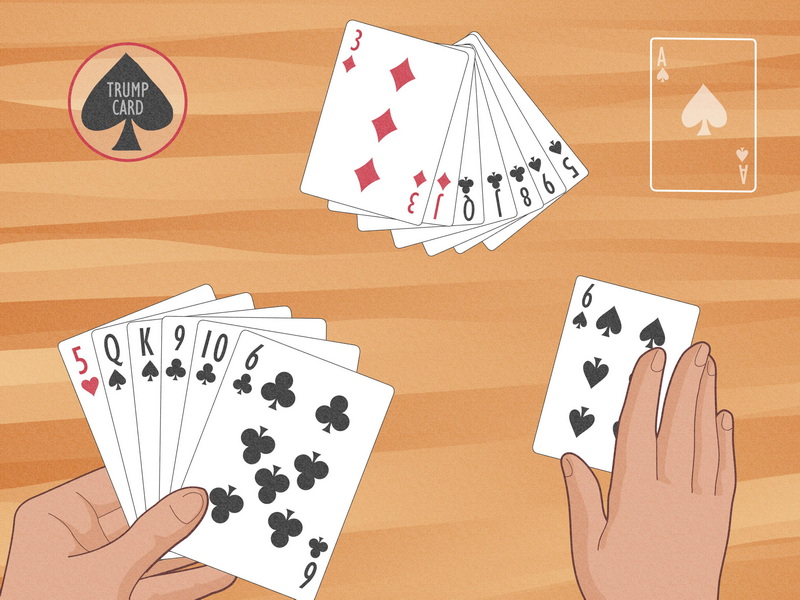
Each player is dealt 13 cards. The dealer shuffles the deck and distributes the cards one at a time in a clockwise direction. Players must keep their hands hidden from opponents while organizing their cards by suit (spades, hearts, diamonds, clubs) and rank (Ace high down to 2 low) for easier play.
Bidding Phase
The bidding phase is crucial as it determines the contract for the hand. Players take turns making bids based on how many tricks they believe their partnership can win. A bid consists of a number (indicating the minimum number of tricks above six) and a suit (indicating which suit will be trump or if there will be no trump).
- Example: A bid of "1 Heart" means the partnership aims to win at least seven tricks with hearts as trump.
- Players can also choose to pass if they do not wish to bid.
The bidding continues until three consecutive players pass after a bid. The highest bid becomes the contract, dictating the trump suit or declaring no trumps.
Playing the Hand
After bidding concludes, the play begins with the player who won the bidding leading the first card (the opening lead). Players must follow these rules during play:
- Follow Suit: If possible, players must play a card of the same suit as the one led.
- Playing Trump: If unable to follow suit, players may play a trump card if one exists.
- Winning Tricks: A trick is won by the highest card in the led suit or by the highest trump if any are played.
The winner of each trick leads the next one until all cards have been played.
Scoring
Scoring in bridge can be complex but generally involves points awarded based on:
- The number of tricks taken compared to the contract.
- Bonuses for making contracts.
- Penalties for failing to meet contracts.
In duplicate bridge, scoring is based on comparative results against other pairs playing identical hands.
Strategies for Beginners
Communication with Your Partner
Effective communication with your partner is essential in bridge. Use bidding conventions to convey information about your hand's strength and distribution without revealing specifics to opponents. For example, if you have a long suit (a lot of cards in one suit), you might want to indicate that through your bidding strategy.
Card Management
Organize your hand effectively:
- Sort cards by suit and rank.
- Keep track of which cards have been played to anticipate opponents' hands.
A well-organized hand allows you to make quicker decisions during play and helps you remember which cards have already been played.
Plan Your Play
Before playing each trick:
- Assess your hand and consider how many tricks you need to win.
- Think about your partner's potential cards based on previous bids.
Planning ahead can significantly increase your chances of winning more tricks than anticipated.
Defense Tactics
As defenders:
- Focus on denying your opponents their contract.
- Pay attention to what suits your opponents are playing and try to deduce their strengths.
Effective defense often involves anticipating what your opponents might do next and countering their strategies accordingly.
Advanced Concepts
Bidding Conventions
Once comfortable with basic bidding, explore conventions like:
- Stayman: Used after a no-trump opening to find a major suit fit.
- Blackwood: A method for asking about aces when considering slam bids.
Understanding these conventions allows for more strategic bidding and helps partners convey important information about their hands without giving away too much detail to opponents.
Counting Points
Learn how to evaluate your hand using high card points (HCP):
- Ace = 4 points
- King = 3 points
- Queen = 2 points
- Jack = 1 point
This helps in making informed decisions during bidding. Additionally, consider distribution points for longer suits or voids (no cards in a suit), which can significantly enhance your hand's value in certain situations.
Endgame Strategies
In later stages of play:
- Focus on maximizing your remaining tricks.
- Consider techniques like finessing (playing a lower card hoping an opponent holds a higher card).
Endgame strategies are crucial as they often determine whether you meet your contract or not. Being aware of what cards remain can help you make better decisions during this phase.
Common Mistakes Beginners Make
Overbidding
One common mistake among beginners is overbidding—making bids that exceed what their hand can realistically support. This often leads to failing contracts and penalties.
Poor Communication
Failing to communicate effectively with your partner can lead to misunderstandings during both bidding and play phases. Ensure that you both understand any conventions being used before starting the game.
Ignoring Defensive Play
Many beginners focus solely on their own hands without considering defensive strategies against opponents' bids and plays. Remember that defense is just as important as offense in bridge.
Tips for Improving Your Game
Practice Regularly
Like any skill, practice is key in bridge. Play regularly with friends or join local clubs where you can learn from more experienced players.
Study Strategies
Read books or watch videos about bridge strategies and tactics. Many resources are available that cover everything from basic rules to advanced techniques.
Analyze Your Games
After each game, take time to reflect on what went well and what could be improved. Discussing plays with your partner can also provide insights into better strategies for future games.
Conclusion
Bridge is not merely a card game; it's an engaging exercise in strategy, teamwork, and communication. By mastering its rules and developing effective strategies, beginners can enjoy this timeless game while continually improving their skills through practice and experience.
Frequently Asked Questions
1. What are the basic rules of bridge?
Bridge involves four players forming two partnerships who compete to win tricks through strategic bidding and card play.
2. How does scoring work in bridge?
Scoring is based on successfully meeting contracts during play and includes bonuses for overtricks or penalties for undertricks.
3. What is a trump suit?
A trump suit is designated during bidding that beats all other suits when determining which card wins a trick.
4. Can I play bridge with fewer than four players?
No, bridge requires exactly four players divided into two partnerships.
5. What are some common bidding conventions?
Common conventions include Stayman and Blackwood which help communicate information about hand strength between partners.
Citations:
[1] https://www.nofearbridge.co.uk/howtoplaybridge.php
[2] https://www.bridgewebs.com/duplicatelite/BridgeBasicsHandout.pdf
[3] https://www.youtube.com/watch?v=TPZEEjvL9e8
[4] https://www.playgroundequipment.com/a-beginners-guide-to-playing-bridge/
[5] https://en.wikipedia.org/wiki/Contract_bridge
[6] https://www.youtube.com/watch?v=2IomnCvxWzM
[7] https://www.funbridge.com/how-to-play-bridge
[8] https://cdn.britannica.com/68/127368-004-4489B69C/Contract-bridge-bidding-box.jpg?sa=X&ved=2ahUKEwjj5Mzvo5aLAxXzqZUCHbZkCS4Q_B16BAgKEAI
[9] https://www.dummies.com/article/home-auto-hobbies/games/card-games/bridge/bridge-for-dummies-cheat-sheet-208369/
[10] https://www.ateacherfirst.com/bridge-lessons/step1/


