Content Menu
● Objective of the Game
● Setup and Preparation
● Basic Gameplay Mechanics
>> Playing Cards
>> Turn Order
● Core Rules and Penalties
● Advanced Strategies
● Etiquette and Tips
● Variations of Mao
● Example Game Flow
● Conclusion
● Frequently Asked Questions (FAQs)
>> 1. Can I Explain the Rules to New Players?
>> 2. How Are New Rules Introduced?
>> 3. What Happens if Multiple Decks Are Used?
>> 4. How Long Does a Typical Game Last?
>> 5. Can Rules Be Removed or Modified?
● Citations:
Mao, often misspelled as "Mow," is a classic card game shrouded in mystery and tradition. Known for its secret rules and inductive gameplay, Mao challenges players to shed all their cards while adhering to unspoken regulations that must be discovered through trial and error. This guide will demystify the game's core mechanics, strategies, and etiquette, providing everything you need to master this enigmatic pastime.
Objective of the Game
The goal of Mao is to discard all cards in your hand by playing them onto a central pile. However, players must follow hidden rules, which vary between groups and are enforced through penalties. The game rewards observation, adaptability, and a willingness to learn from mistakes.
Setup and Preparation
1. Deck Requirements:
- Use a standard 52-card deck (remove jokers unless specified). For larger groups, combine multiple decks.
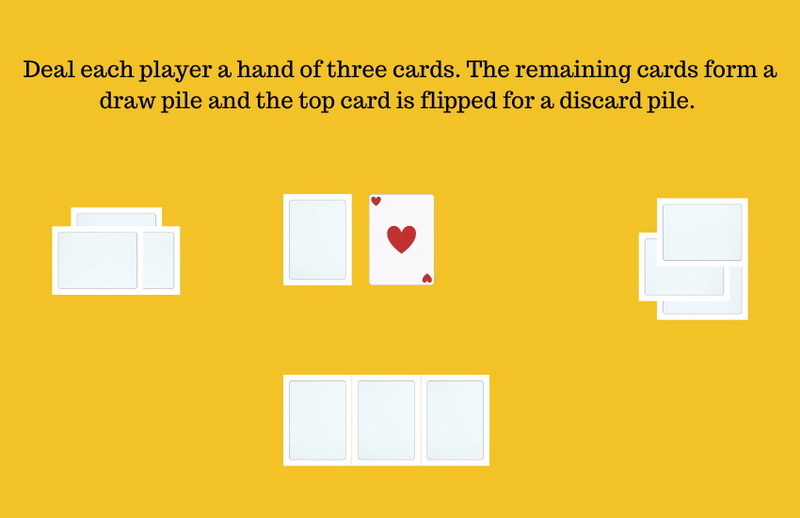
- The dealer shuffles and deals 7 cards to each player (some variants use 3 or 5).
2. Starting the Game:
- Place the remaining cards face-down as a draw pile. Flip the top card to begin the discard pile.
- The dealer announces the game's start with phrases like *“Mao is in session”* or *“The game of Mao begins now”*. Players cannot touch their cards before this signal.
Basic Gameplay Mechanics
Playing Cards
- On your turn, play a card matching the suit or rank of the top discard. For example, a 7♠ can be played on any 7 or any spade.
- If you cannot play, draw a card from the draw pile. If playable, you may discard it immediately.
Turn Order
- Play proceeds clockwise unless altered by special cards (e.g., an 8 reverses direction).
Core Rules and Penalties
Mao's rules are intentionally undisclosed, but common ones include:
| Card | Rule | Penalty for Violation |
| 7 | Say “Have a nice day” when played. Chain multiple 7s with “very” (e.g., “Have a very nice day”). | Failure to speak results in drawing 1+ cards. |
| 8 | Reverses play direction. | Skipping the reversal draws a penalty. |
| Ace | Skips the next player's turn. | Playing out of turn earns a card. |
| Jack | Wild card: Choose a new suit. Announce the suit clearly (e.g., “Ace of spades”). | Incorrect naming draws a penalty. |
| Last Card | Declare “Mao” when down to one card. Win by playing it and saying “Mao, I win”. | Forgetting to announce draws 1+ cards. |
Additional Universal Rules:
- No talking during gameplay unless required by a card.
- Thank the dealer after receiving a penalty (e.g., “Thank you for the penalty”).
Advanced Strategies
1. Observe Patterns:
- Track recurring actions, such as phrases tied to specific cards or penalties for touching cards prematurely.
2. Leverage Special Cards:
- Use 7s and 8s to disrupt opponents' momentum. Save Jacks to force advantageous suit changes.
3. Rule Creation:
- Winners introduce new rules (e.g., “Say a fruit name when playing a 3”). Rules can be secret, adding layers of complexity.
4. Psychological Play:
- Engage in bluffing or misleading behaviors to throw off opponents' strategies while maintaining your own.
5. Adaptability:
- Be prepared to change your strategy based on how other players respond to rules and penalties.
Etiquette and Tips
- Respect the Learning Curve: New players will accumulate penalties—encourage persistence.
- Call“Point of Order”: Pause the game to clarify rules; players must set cards down and avoid touching them.
- Maintain Fairness: Ensure everyone understands that rules apply equally; avoid favoritism.
- Encourage Fun Over Competition: While winning is enjoyable, fostering an atmosphere of laughter and camaraderie enhances everyone's experience.
Variations of Mao
Mao has numerous variations that can add unique twists to the gameplay. Here are a few popular ones:
1. Mao with Jokers: In this version, jokers are added to the deck, serving as wild cards that can be played at any time without restrictions.
2. Speed Mao: This variant speeds up gameplay by requiring players to play their turns within a set time limit (e.g., 10 seconds).
3. Team Mao: Players form teams rather than playing individually, working together to strategize against opposing teams while still adhering to hidden rules.
4. Reverse Mao: In this version, players must play in reverse order (counter-clockwise) until someone plays an Ace.
5. Mao with Themes: Players can introduce themes where certain cards correspond with specific actions or phrases related to that theme (e.g., holiday-themed Mao).
Example Game Flow
1. Dealer deals 7 cards and flips a 5♦.
2. Player 1 plays 5♠, saying “Five of spades”.
3. Player 2 plays 8♠, reversing direction.
4. Player 4 (now next) plays 7♣ and says “Have a nice day”. Player 3 draws two cards.
5. Player 1 wins by playing their last card (2♥), knocking, and declaring“Mao, I win.”
This example illustrates how quickly gameplay can evolve based on player interactions and adherence (or lack thereof) to established rules.
Conclusion
Mao thrives on creativity, adaptability, and shared discovery among players who engage with its mystery-laden structure. While its hidden rules may frustrate newcomers initially, they ultimately foster camaraderie and strategic thinking as players learn through experience and observation.
Whether you're introducing it at a party or honing your skills among friends, Mao promises endless replayability and laughter through its unique blend of challenge and social interaction.
As you delve into this game, remember that each session is an opportunity for learning—not just about the game itself but also about your fellow players' strategies and personalities.
Frequently Asked Questions (FAQs)
1. Can I Explain the Rules to New Players?
No—the core tradition of Mao requires players to learn through observation and penalties.
2. How Are New Rules Introduced?
The winner of each round creates a rule that can be kept secret or announced.
3. What Happens if Multiple Decks Are Used?
Combine decks for larger groups to avoid frequent reshuffling.
4. How Long Does a Typical Game Last?
Games range from 10–30 minutes depending on group size and rule complexity.
5. Can Rules Be Removed or Modified?
Yes—subsequent winners may replace existing rules except core ones like “no talking.”
Citations:
[1] https://www.instructables.com/How-to-play-the-game-Mao/
[2] https://www.officialgamerules.org/card-games/mao
[3] https://www.reddit.com/r/boardgames/comments/fti9bp/best_rules_for_the_game_of_mao/
[4] https://www.xkdisplay.com/how-to-play-mao-card-game.html
[5] https://en.wikipedia.org/wiki/Mao_(card_game)
[6] https://vipspades.com/blog/how-to-play-mao-card-game/
[7] https://do2learn.com/activities/cardgames/mau_mau.htm
[8] https://www.reddit.com/r/cardgames/comments/vlga1k/how_to_play_mao/
[9] https://www.tiktok.com/@lowershelfgames/video/7333261573605346606
[10] https://forum.campfiretails.org/t/the-mysterious-card-game-mao/1587
[11] https://boards.straightdope.com/t/can-you-give-me-some-good-mao-rules/254751
[12] https://www.ntnbr.com/58/
[13] https://www.pagat.com/eights/mao.html
[14] https://www.reddit.com/r/boardgames/comments/1c2ef8u/specific_questions_re_the_card_game_mao/
[15] https://boards.straightdope.com/t/the-game-of-mao/2040
[16] https://en.wikipedia.org/wiki/Mau-Mau_(card_game)
[17] https://www.reddit.com/r/boardgames/comments/fti9bp/best_rules_for_the_game_of_mao/
[18] https://github.com/MFarejowicz/mao-rules
[19] https://www.instructables.com/Mao-Card-Game/
[20] https://en.wikipedia.org/wiki/Mao_(card_game)
[21] https://vipspades.com/blog/how-to-play-mao-card-game/


