Content Menu
● What Is a Plastic Packaging Box?
● Why Brands Still Choose Plastic Packaging Boxes
● Materials and Performance
>> Common material uses
● Design Factors That Matter
>> Core design questions
● Branding and Printing Options
● Sustainability and Compliance
>> Practical sustainability steps
● OEM and ODM Process
>> Typical workflow
● Latest Market Insight
● How to Choose a Supplier
>> Supplier checklist
● XingKun Manufacturing Advantage
● Common Applications
● Actionable Buying Guide
● Conclusion
● FAQ
>> 1. What is a plastic packaging box used for?
>> 2. Which material is best for a custom plastic packaging box?
>> 3. Can plastic packaging boxes be customized with printing?
>> 4. Are plastic packaging boxes sustainable?
>> 5. How do I choose a reliable plastic packaging box supplier?
>> 6. Why do brands still use plastic instead of paper packaging?
● References
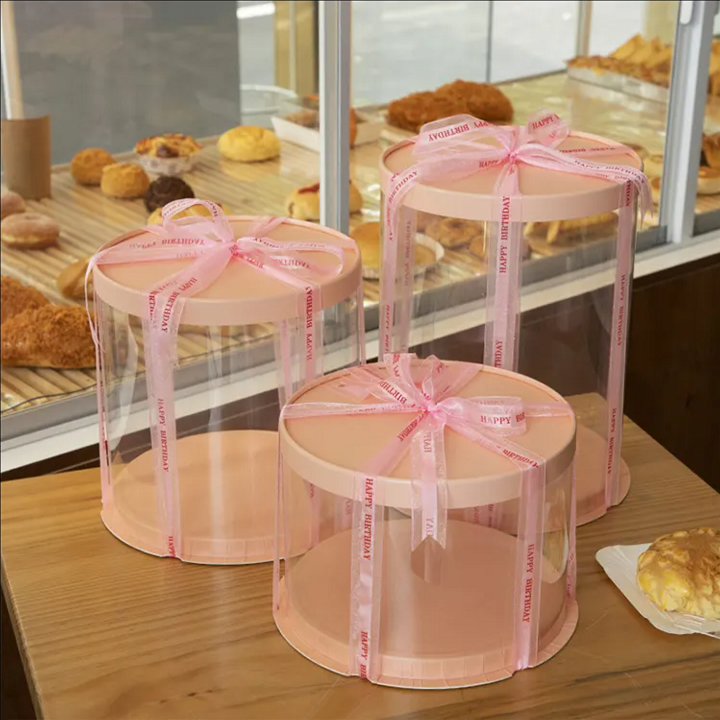
A plastic packaging box is more than a simple container. For brands, wholesalers, and manufacturers, it can improve product protection, reduce handling damage, support retail presentation, and create a more professional unboxing experience. [yorkcontainer]
What Is a Plastic Packaging Box?
A plastic packaging box is a rigid or semi-rigid box made from materials such as PP, PET, PETG, PVC, PS/HIPS, HDPE, or LDPE, depending on product needs, budget, and performance goals. In custom packaging, these boxes are often designed for display, storage, shipping, retail presentation, or product protection. [packagingdive]
From an OEM and ODM perspective, the best plastic packaging box is the one that balances function, branding, logistics, and compliance. That balance matters even more in 2026, when packaging decisions are increasingly shaped by sustainability pressure, labeling rules, and recycled-content expectations. [packagingdive]
Why Brands Still Choose Plastic Packaging Boxes
Plastic packaging boxes remain widely used because they are durable, lightweight, and versatile. XingKun's product page highlights practical strengths such as impact resistance, stackability, moisture protection, and clear visibility of contents, which are all important in retail and storage applications. [packagingdive]
Key advantages include:
Durability: Better resistance to crushing, moisture, and rough handling than many paper-based formats. [packagingdive]
Visibility: Transparent or semi-transparent designs help shoppers see the product quickly. [packagingdive]
Stackability: Secure stacking improves warehouse efficiency and shelf organization. [packagingdive]
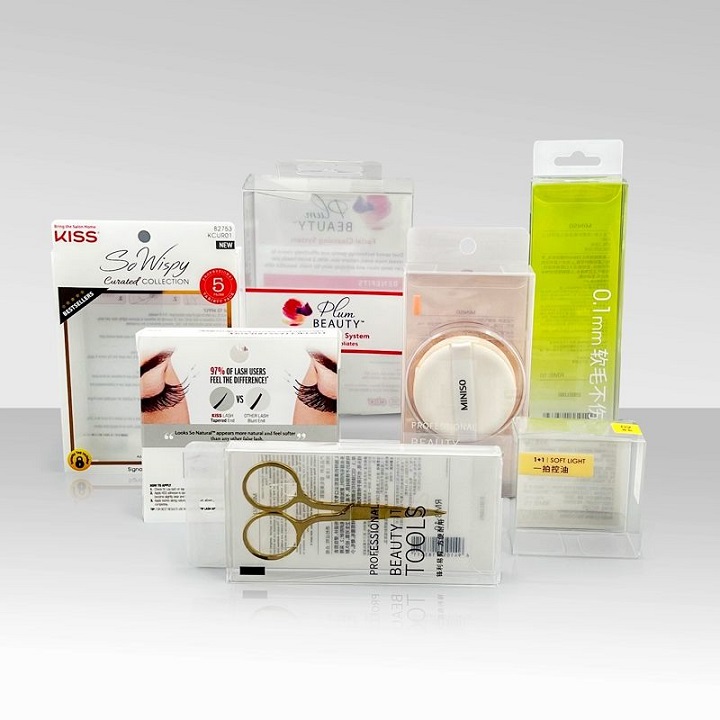
Customization: Shapes, thickness, finishes, printing, and inserts can be adapted to different industries. [packagingdive]
Cost control: In high-volume production, plastic packaging can be efficient when engineered correctly for size and material usage. [finance.yahoo]
For brands selling accessories, consumer goods, cosmetics, stationery, toys, electronics, or storage products, a plastic packaging box can be a practical compromise between shelf appeal and protective performance. [packagingdive]
Materials and Performance
Material choice is one of the most important decisions in custom packaging. XingKun lists common material options such as HDPE, LDPE, PET, PETG, PLA, PP, PS/HIPS, and PVC, which gives buyers flexibility across strength, clarity, flexibility, and cost targets. [packagingdive]
Common material uses
| Material | Main strengths | Typical use case |
| PP | Good chemical resistance, lightweight, cost-effective | General packaging and storage packagingdive |
| PET | Strong clarity, good visual presentation | Display packaging and transparent boxes packagingdive |
| PETG | High clarity, better toughness than standard PET | Premium retail packaging packagingdive |
| HDPE | Durable, impact-resistant | Utility boxes and heavy-use packaging packagingdive |
| PS/HIPS | Rigid, easy to form | Insert trays and display boxes packagingdive |
| PLA | Bio-based option in some applications | Sustainability-oriented projects packagingdive |
When selecting a material, you should consider not only appearance but also product weight, drop resistance, stacking pressure, temperature exposure, and end-of-life handling. That is especially important because modern packaging buyers are under growing pressure to reduce waste and improve recoverability. [epa]
Design Factors That Matter
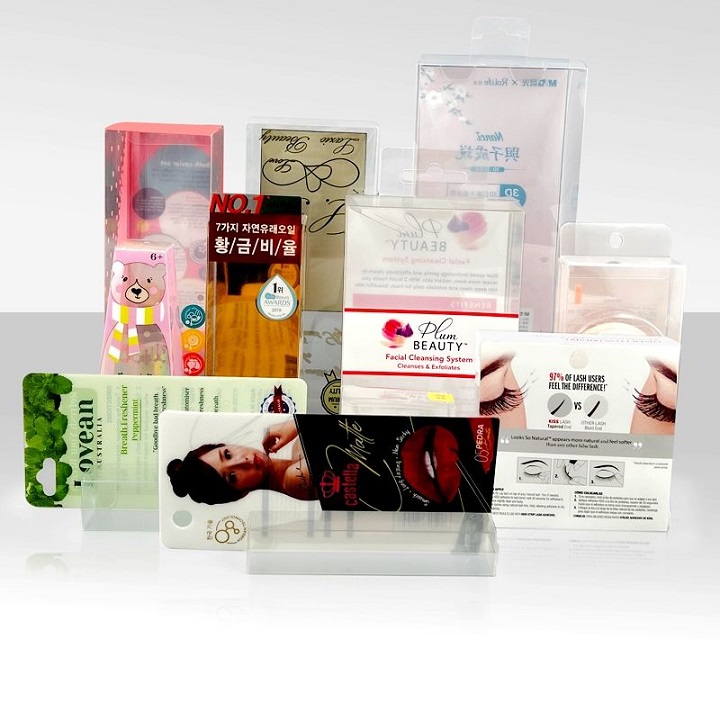
Good packaging design starts with the product, not the box. A custom plastic packaging box should be designed around product dimensions, protection requirements, shelf visibility, opening method, and shipping conditions. [yorkcontainer]
Core design questions
1. What is the product's exact size and weight?
2. Does the box need a lid, hinge, snap closure, or insert?
3. Should the box be transparent, frosted, or fully printed?
4. Will it be stacked in transit or on shelves?
5. Does the buyer need tamper evidence or a premium unboxing effect?
A well-designed box does three jobs at once: it protects the product, supports the brand, and reduces friction in storage or retail handling. If one of those three is weak, the packaging will underperform even if the artwork looks strong. [yorkcontainer]
Branding and Printing Options
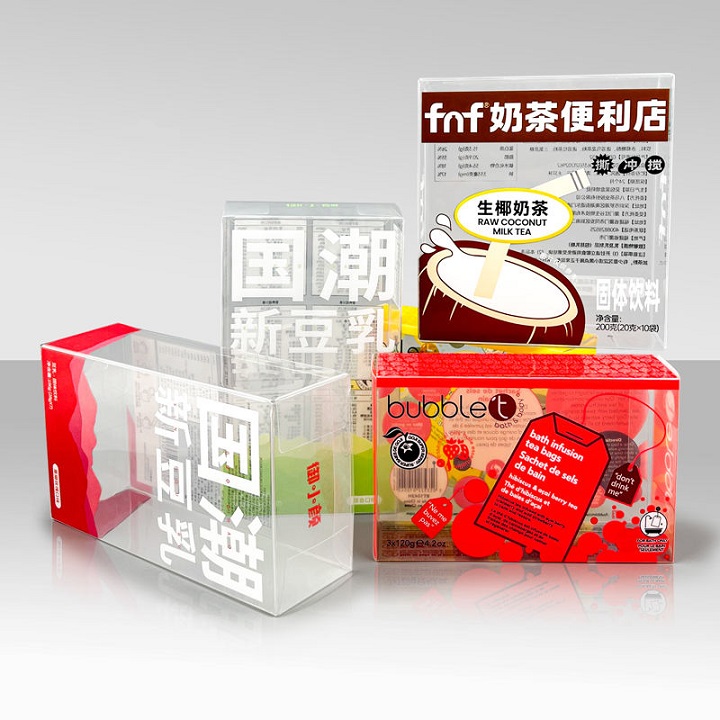
Plastic packaging is a branding surface, not just a protective shell. XingKun's capabilities include digital printing, gravure printing, laser engraving, silk screen printing, and UV printing, which supports both simple and high-impact visual execution. [packagingdive]
To improve brand perception, consider these tactics:
Use high-contrast graphics for quick shelf recognition.
Keep logos clear and legible from a distance.
Match color choices to category positioning.
Add tactile or premium finishes where relevant.
Print only what supports purchase decisions.
For many brands, the best packaging is the one that communicates value in seconds. In crowded retail and e-commerce environments, that speed matters. [yorkcontainer]
Sustainability and Compliance
Sustainability is no longer optional in packaging strategy. Industry reporting for 2026 shows that manufacturers are navigating tighter sustainability regulation, EPR pressure, labeling changes, and recycled-content expectations. [packagingdive]
The US EPA's updated packaging guidance also emphasizes recyclability or reuse, clear recycling instructions, and postconsumer recycled content thresholds for certain packaging categories. While requirements vary by standard and market, the direction is clear: packaging must be more responsible and easier to explain to end users. [epa]
Practical sustainability steps
Reduce excess material by optimizing wall thickness and dimensions.
Prefer recyclable materials where the market infrastructure supports them.
Avoid confusing multi-material combinations unless necessary.
Include clear disposal or reuse guidance.
Ask suppliers for material declarations and recycled-content documentation.
The circular economy model also pushes brands to design packaging so materials stay in use at their highest value for longer. That means packaging strategy should consider reuse, recycling, and end-of-life recovery from the start. [ellenmacarthurfoundation]
OEM and ODM Process
For overseas brands, wholesalers, and production companies, the OEM/ODM process is where packaging strategy becomes real. A strong factory partner should not only manufacture the box but also help refine structure, print readiness, material choice, and production feasibility. [cn.linkedin]
Typical workflow
1. Share your product size, usage scenario, and target market.
2. Choose the material and structural format.
3. Confirm artwork, printing method, and finishing.
4. Review prototype samples.
5. Test fit, strength, and visual effect.
6. Approve mass production.
7. Inspect packing, palletizing, and shipping preparation.
This process reduces risk because packaging failure is often expensive after launch. A box that looks good online but cracks, scratches, or ships poorly can damage both margin and brand trust. [yorkcontainer]
Latest Market Insight
Recent packaging industry coverage for 2026 shows that sustainability regulation and recycled-content pressure are shaping packaging decisions across materials and supply chains. At the same time, broader packaging markets continue to expand, which means buyers still want practical formats that scale globally. [finance.yahoo]
For a plastic packaging box manufacturer, this creates a clear opportunity. The winning strategy is not to defend plastic blindly, but to build better plastic packaging: lighter, clearer, more reusable where possible, and more responsible in material selection and documentation. [packagingdive]
How to Choose a Supplier
Choosing the right supplier is often more important than choosing the right material. A strong partner should be able to convert your brief into a manufacturable, repeatable, and export-ready packaging solution. [cn.linkedin]
Supplier checklist
Can they support OEM and ODM customization?
Do they offer multiple material and print options?
Can they provide samples before mass production?
Do they understand export packaging and QC requirements?
Can they advise on sustainability and compliance documentation?
If a supplier can answer these questions clearly, they are usually better prepared to support long-term packaging programs, not just one-off orders. [packagingdive]
XingKun Manufacturing Advantage
Shenzhen XingKun Packing Products Co., Ltd. is positioned as a custom packaging factory serving overseas brands, wholesalers, and manufacturers with OEM and ODM services. Its product positioning emphasizes customization across packaging boxes, printed products, and related packaging solutions. [cn.linkedin]
For buyers, that matters because packaging development works best when structure, printing, and production are coordinated in one place. XingKun's plastic box page also highlights durable construction, stackable design, size variety, and material flexibility, which are useful signals for buyers looking for a practical manufacturing partner. [packagingdive]
Common Applications
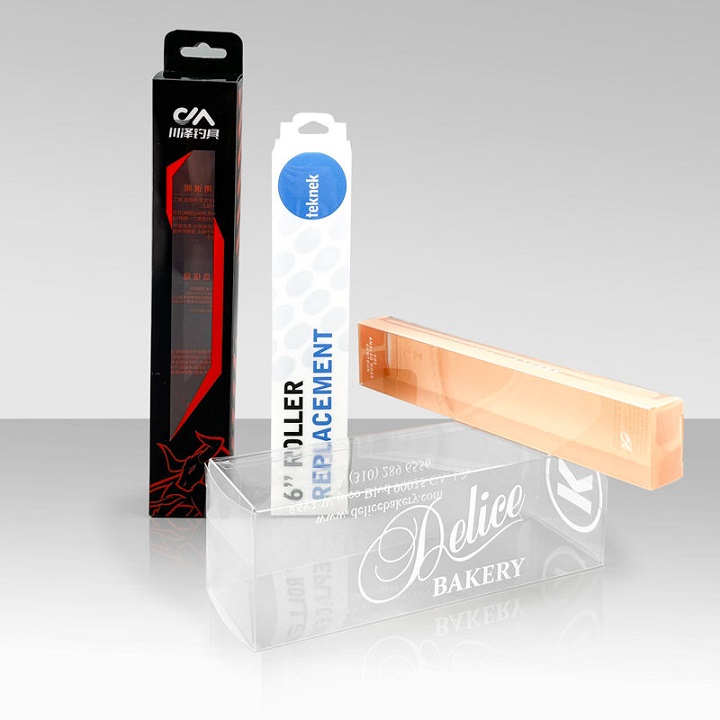
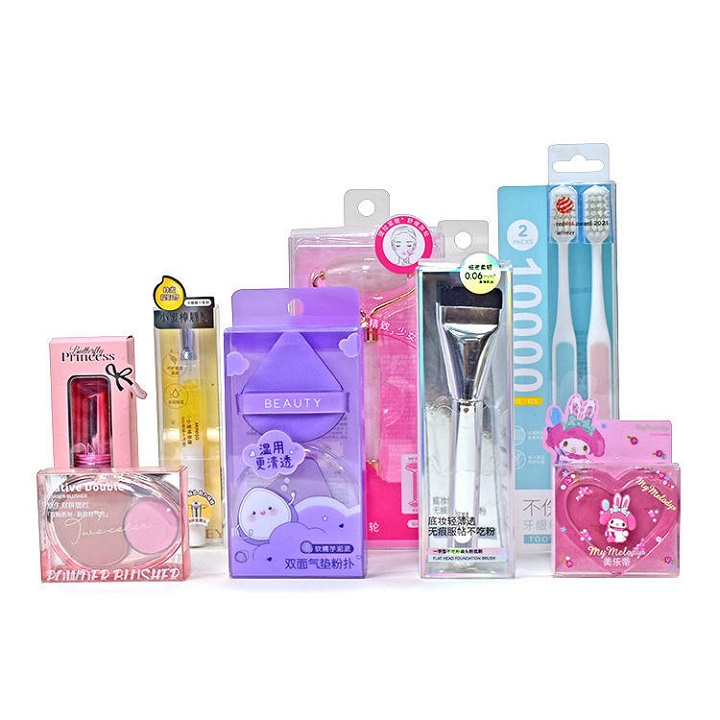
Plastic packaging boxes can be used across many categories. Their real value is flexibility: they can be engineered for display, protection, organization, or retail presentation. [packagingdive]
Common applications include:
Retail product packaging.
Storage and organization boxes.
Transparent display packaging.
Promotional kits and gift sets.
Protective packaging for delicate items.
Custom inserts for consumer goods. [packagingdive]
Because the same basic format can serve many industries, the packaging brief should always begin with the use case, not the box shape. That is the fastest way to avoid overdesign or underperformance. [yorkcontainer]
Actionable Buying Guide
If you are planning a custom project, use this quick buying framework:
1. Define the product and market.
2. Choose a material based on durability and clarity.
3. Decide whether the box needs printing or transparency.
4. Confirm the closure and structural style.
5. Ask for samples.
6. Check recyclability and documentation.
7. Compare total landed cost, not just unit price.
This approach helps you choose a plastic packaging box that performs in the real world, not just on a specification sheet. [packagingdive]
Conclusion
A plastic packaging box remains a valuable packaging solution when it is designed with purpose. The best results come from combining the right material, the right structure, the right print strategy, and a supplier who understands both brand presentation and manufacturing reality. [packagingdive]
For brands in today's market, the winning formula is simple: protect the product, improve the customer experience, and reduce packaging waste wherever possible. If you are sourcing custom plastic packaging boxes for export or retail, XingKun's OEM and ODM capability makes it a practical partner for development and scale. [cn.linkedin]
FAQ
1. What is a plastic packaging box used for?
A plastic packaging box is used for product protection, retail display, storage, and brand presentation. It is common in consumer goods, promotional kits, and organizational packaging. [packagingdive]
2. Which material is best for a custom plastic packaging box?
The best material depends on your product. PP is good for general use, PET for clarity, PETG for premium appearance, and HDPE for durability. [packagingdive]
3. Can plastic packaging boxes be customized with printing?
Yes. XingKun lists digital printing, gravure printing, laser engraving, silk screen printing, and UV printing as available methods. [packagingdive]
4. Are plastic packaging boxes sustainable?
They can be more sustainable when designed with recyclable materials, reduced material usage, and clear disposal guidance. Current packaging policy trends are pushing brands toward better recyclability, reuse, and recycled-content practices. [ellenmacarthurfoundation]
5. How do I choose a reliable plastic packaging box supplier?
Choose a supplier that can provide OEM/ODM support, samples, material options, printing options, and production guidance. A supplier that understands compliance and export requirements is usually a stronger long-term partner. [packagingdive]
6. Why do brands still use plastic instead of paper packaging?
Brands still use plastic because it often offers better moisture resistance, durability, clarity, and stackability. The key is to use it strategically and responsibly. [yorkcontainer]
References
[XingKun Plastic Box Product Page]
[Packaging Dive: The packaging industry outlook for 2026]
[US EPA: Sustainable Packaging]
[US EPA: Best Practices]
[US EPA: Frequently Asked Questions about Plastic Recycling and Composting]
[Ellen MacArthur Foundation: Plastics and the circular economy]
[Ellen MacArthur Foundation: The Circular Economy]
[Packaging Law: EPA's Revised Safer Choice Standards]
[Packaging Dive: EPA finalizes recycled content levels for packaging]
[XingKun LinkedIn Profile]


