Content Menu
● Why Custom Tarot Cards Matter in 2026
● What Buyers Expect
● Design Strategy That Sells
● Print Specifications That Prevent Mistakes
● Essential File Setup
● Materials and Finishes
>> Card Stock Options
>> Finish Options
● Packaging Choices That Add Value
>> Packaging Formats
● Production Workflow
● New Opportunities for Brands
● Quality Control Checklist
● How XingKun Can Help
● Conclusion
● FAQ
>> 1. What is the best card stock for custom tarot cards?
>> 2. What file format should I use for tarot card printing?
>> 3. How much bleed do tarot cards need?
>> 4. What packaging is best for premium tarot decks?
>> 5. Are tarot cards still a good product in 2026?
>> 6. Can tarot decks be customized for brand merchandising?
● References
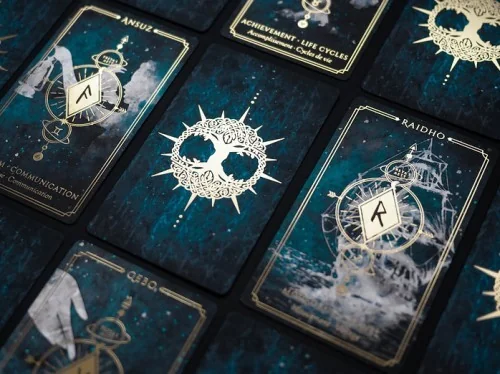
Custom printing tarot cards is no longer just a niche craft project. In 2026, it is a commercial product category shaped by spiritual wellness, e-commerce, premium packaging, and collectible design trends. [accio]
Why Custom Tarot Cards Matter in 2026
Tarot decks now serve more than one market. They are used by spiritual brands, lifestyle retailers, creators, subscription boxes, museums, event organizers, and private-label sellers looking for differentiated printed products. [deepmarketinsights]
From a manufacturing and branding perspective, custom printing tarot cards work because they combine art, utility, and emotional value. A deck can be sold as a standalone product, bundled with a guidebook, or elevated with rigid packaging and specialty finishes. [unicopacking]
The commercial case is stronger than many buyers assume. Recent market coverage points to steady growth in tarot and broader spiritual-products demand, with multiple 2026 forecasts showing expansion driven by online discovery, self-reflection trends, and digital-first marketing. [technavio]
What Buyers Expect
Professional buyers usually want more than a beautiful deck. They want a deck that prints accurately, shuffles well, survives repeated handling, and arrives in packaging that feels premium enough to support higher margins. [qpmarketnetwork]
A strong OEM or ODM partner should be able to handle:
Card size planning and template setup.
CMYK color management and print-ready file checks.
Card stock, coating, and finish recommendations.
Packaging design, including tuck boxes and rigid gift boxes.
Sampling, proofing, and mass production support. [qpmarketnetwork]
For brands selling internationally, consistency matters as much as creativity. Buyers increasingly expect the manufacturer to reduce risk by guiding artwork preparation, production tolerances, and packaging choices before mass printing starts. [printninja]
Design Strategy That Sells
A high-performing tarot deck starts with a clear product position. Before design begins, the brand should decide whether the deck is meant for spiritual readers, modern self-help users, collectors, beginners, or gift buyers.
Helpful design decisions include:
Theme: mystic, minimalist, modern, botanical, luxury, folklore, or inclusive.
Reading style: traditional tarot symbolism, oracle-inspired interpretation, or hybrid systems.
Audience: beginners often need larger typography and clearer labels, while collectors may value elaborate illustration and premium finishes.
Brand fit: the deck should visually match the seller's existing product line and packaging style.
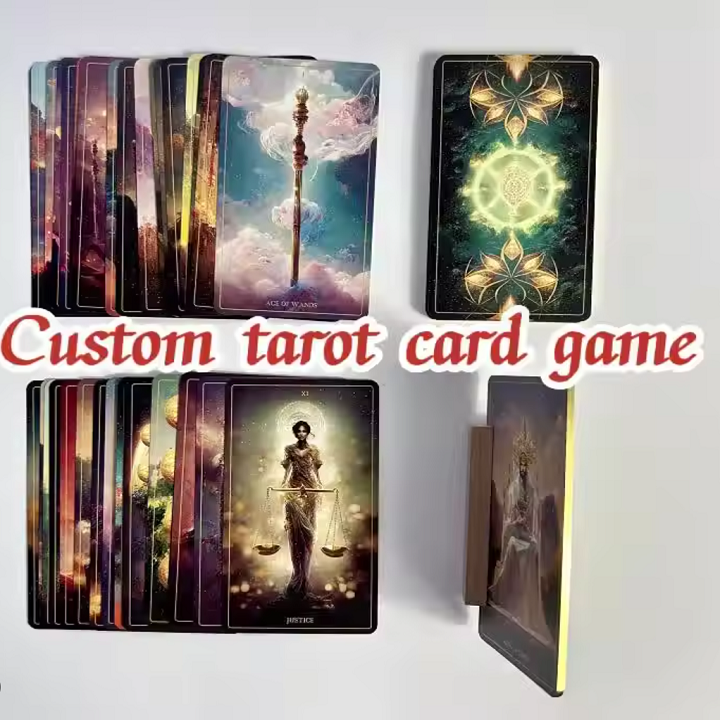
The best decks balance symbolism with readability. A visually complex card still needs strong contrast, legible type, and a clear focal point so the user can read and interpret it quickly.
Print Specifications That Prevent Mistakes
This is where many first-time buyers lose time and money. Professional tarot card printing typically requires CMYK artwork, 300 DPI resolution, and bleed allowances to avoid color shifts and trimming issues. [acelioncards]
Essential File Setup
Use this checklist before sending artwork to production:
1. Set files to CMYK color mode.
2. Export images at 300 DPI or higher.
3. Add 3 mm bleed on all sides.
4. Keep critical text and symbols inside a safe zone.
5. Convert fonts to outlines if required by the printer.
6. Separate special effects such as foil or spot UV layers.
7. Provide consistent card dimensions across the whole deck. [qpmarketnetwork]
A simple example: if a card is 70 x 120 mm, the total artwork file should include bleed beyond the final trim size so the edges stay clean after cutting. [acelioncards]
Materials and Finishes
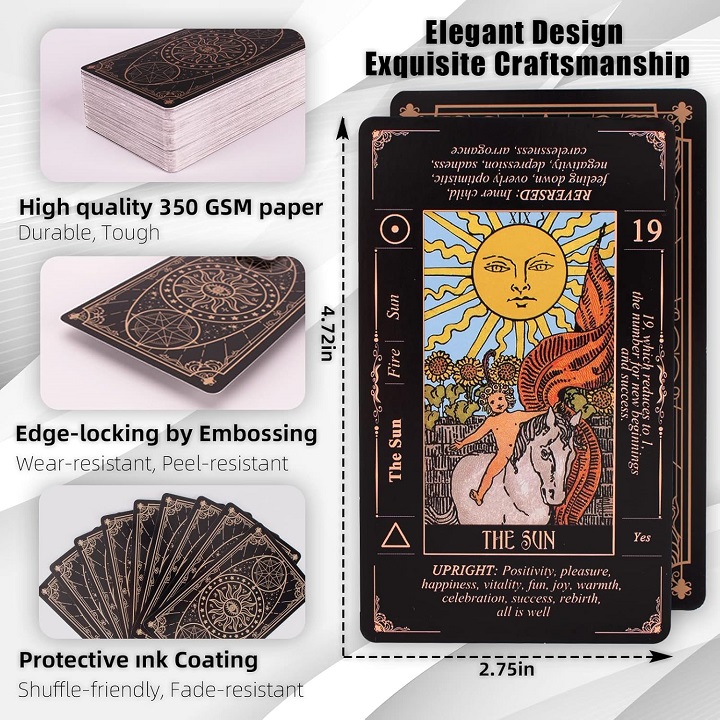
Material choice affects both the user experience and the perceived value of the deck. Tarot buyers often judge quality by how the cards feel in hand, how easily they shuffle, and whether the finish supports repeated use. [pineislandgames]
Card Stock Options
Common options include:
Standard premium card stock for balanced cost and durability.
Thicker stock for luxury decks and collector editions.
Coated paper for smoother shuffling and stronger color presentation.
Textured stock for a more tactile, artisanal feel.
Finish Options
Popular finishes include:
Matte lamination for a soft, modern look.
Gloss for bright, vivid color.
Satin or mid-gloss for balance.
Linen texture for a more classic shuffle feel.
Soft-touch for premium gifting. [ezracard]
In practice, many brands choose matte or satin because they reduce glare while preserving visual clarity. For decks intended for frequent reading, this often improves usability more than a high-shine finish.
Packaging Choices That Add Value
Packaging is not just protection; it is part of the product story. A tarot deck in a flimsy box can feel inexpensive even when the cards themselves are excellent. [bookprintingchina]
Packaging Formats
| Packaging type | Best for | Strength |
| Tuck box | Entry-level or retail decks | Low cost, lightweight |
| Rigid box | Premium launches and gifts | Strong brand presentation |
| Magnetic box | Luxury editions | High perceived value |
| Drawer box | Collector sets | Excellent unboxing experience |
Custom tarot boxes are increasingly expected to reflect the same design language as the deck itself. Sustainable materials, minimalist graphics, and QR codes for guides or digital content are especially relevant in 2026 packaging trends. [packagingfulfillment]
For brands selling globally, packaging should also be practical for shipping. Strong corners, accurate die-cutting, and compact box dimensions can lower damage risk and reduce freight inefficiency.
Production Workflow
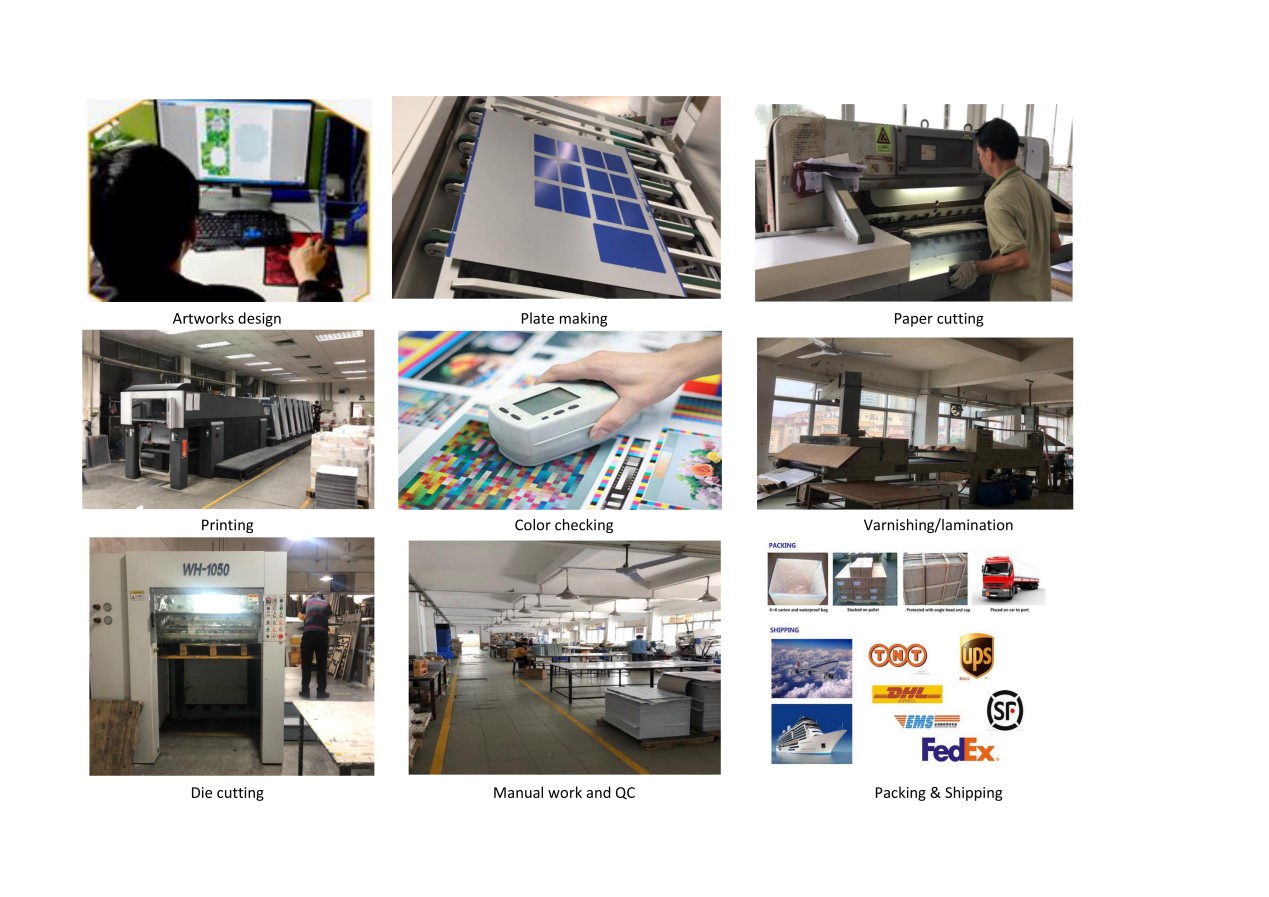
A reliable OEM process reduces errors and speeds up launch. The cleanest production workflow usually follows a sequence rather than jumping straight into final printing.
1. Define the deck concept and target audience.
2. Confirm card size, quantity, finish, and packaging style.
3. Prepare the artwork using printer-ready templates.
4. Review a digital proof and request a physical sample if needed.
5. Approve printing color, trimming, and packaging details.
6. Move to full production after final confirmation.
7. Inspect the finished goods before shipment.
This workflow matters because tarot decks often contain many individual card faces. Even a small inconsistency in margins or color can affect the entire deck's perceived quality.
New Opportunities for Brands
The strongest opportunity in 2026 is not just "printing cards." It is building a product ecosystem around the deck. That may include guidebooks, storage boxes, stickers, journals, ritual accessories, or display packaging. [shopify]
Three growth directions stand out:
Premiumization. Buyers pay more for foil, soft-touch, rigid boxes, and collector presentation.
Personalization. Creators and brands want smaller-batch custom editions with unique artwork and messaging.
Digital support. QR codes, online spreads, companion content, and community-driven content extend the value of the physical deck. [theboxology]
For manufacturers, this means the best opportunities often come from offering one-stop OEM and ODM support rather than only card printing. [chinaprintingexport]
Quality Control Checklist
Quality control is where a professional factory earns trust. Before shipment, every tarot deck should be checked for print accuracy, finish consistency, and box integrity.
Use this checklist:
Confirm image sharpness and text clarity.
Check for color consistency across cards.
Inspect trim alignment and border uniformity.
Test shuffling feel and surface resistance.
Verify box closure, fit, and durability.
Review packaging for scratches, dents, or edge wear.
A deck can look perfect in mockups and still fail in handling if the finish is too slippery, the cardstock is too thin, or the box does not protect the cards during transit.
How XingKun Can Help
As a China-based packaging and printing manufacturer, XingKun is well-positioned for OEM and ODM tarot deck projects that require card production, box customization, and multi-product coordination. That matters for overseas brand owners who want a single partner for packaging boxes, cards, books, stickers, and related printed materials.
For buyers, the advantage is simplicity. One supplier can help align artwork, structure, finishing, and shipping requirements across the full product set. That reduces communication gaps and improves the final launch quality.
Conclusion
Custom printing tarot cards is a strong opportunity for brands that care about design, presentation, and repeatable print quality. In 2026, the winning products combine accurate production, premium materials, thoughtful packaging, and a clear audience fit. [printninja]
If you are planning a tarot deck for retail, gifting, or brand extension, the smartest next step is to define your target user, lock the technical specs early, and work with a manufacturer that can support the entire OEM process from file check to packaging and shipment.
FAQ
1. What is the best card stock for custom tarot cards?
The best stock depends on your target market, but premium coated stock with matte, satin, or linen finish is often preferred for durability and shuffle feel. [qpmarketnetwork]
2. What file format should I use for tarot card printing?
Print-ready PDF is commonly preferred, with CMYK color mode, 300 DPI resolution, and bleed included in the artwork setup. [printninja]
3. How much bleed do tarot cards need?
Many printers recommend 3 mm bleed on all sides to avoid white edges after trimming. [qpmarketnetwork]
4. What packaging is best for premium tarot decks?
Rigid boxes or magnetic closure boxes usually work best for premium and gift-oriented tarot decks because they improve perceived value and protection. [bookprintingchina]
5. Are tarot cards still a good product in 2026?
Yes. Market coverage in 2026 shows ongoing growth driven by spirituality, self-discovery, e-commerce, and premium product demand. [accio]
6. Can tarot decks be customized for brand merchandising?
Yes. Many brands use custom tarot cards as retail products, promotional gifts, collector editions, or companion items within a larger wellness or lifestyle line. [unicopacking]
References
Accio. "Tarot Trend Updates: 2026 Updated Guide." [accio]
Packaging Fulfillment. "Custom Packaging Trends to Watch in 2026." [packagingfulfillment]
Technavio. "Tarot Cards Market Analysis, Size, and Forecast 2025-2029." [technavio]
Deep Market Insights. "Tarot Cards Market Size, Share & Growth Report | 2031." [deepmarketinsights]
DHL. "Sustainable Packaging Trends for 2026." [dhl]
QP Market Network. "How to Print & Make Custom Tarot Cards – Ultimate Guide." [qpmarketnetwork]
PrintNinja. "Custom Tarot Card Printing | Print Your Own Tarot Deck." [printninja]
Acelion Cards. "How to Prepare Tarot Oracle Card Artwork for Printing." [acelioncards]
Pine Island Games. "The Anatomy of a Card." [pineislandgames]
QP Market Network. "How to Choose the Right Card Stock for Custom Card Decks." [qpmarketnetwork]
Book Printing China. "How To Custom Tarot Card Box: An 8-Step Beginner's Guide." [bookprintingchina]
Unico Packing. "Custom Printing Tarot Cards Deck Factory in China." [unicopacking]
China Printing Export. "Custom High Quality Tarot Card Printing Deck Service." [chinaprintingexport]
XK Display. "中国塔罗牌制造商:为全球品牌提供一站式OEM & ODM定制塔罗牌生产." [xkdisplay]


