Content Menu
● Why Food Packaging Bags Matter
● The Main Bag Types
● Materials That Actually Work
● Compliance and Food Safety
● What Buyers Should Ask
● How To Choose A Supplier
● Industry Insight From 2026
● How XingKun Can Help
● Conclusion
● FAQ
>> 1. What are food packaging bags used for?
>> 2. Which material is best for food packaging bags?
>> 3. Are food packaging bags regulated?
>> 4. Are paper food packaging bags always eco-friendly?
>> 5. How do I choose the right supplier?
>> 6. Why are flexible bags so popular?
● References
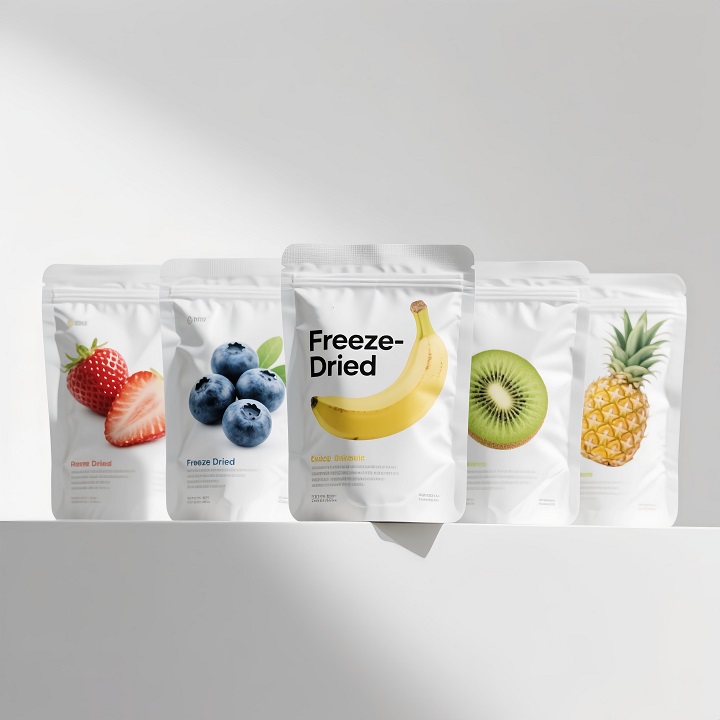
Food packaging bags are no longer just a container; they are a brand, safety, and supply-chain decision rolled into one. For food brands, choosing the right bag affects shelf life, compliance, consumer trust, and conversion at the point of sale.
Why Food Packaging Bags Matter
Food packaging bags sit at the intersection of protection and marketing. They must preserve aroma, block moisture, resist oxygen, and still look premium enough to win attention on a crowded shelf. Market data shows that food packaging is still expanding globally, with flexible formats remaining a major growth driver because they improve logistics efficiency and reduce shipping weight. [marketsandmarkets]
Sustainability is also reshaping purchasing decisions. Industry reports note that consumers and regulators are pushing brands toward recyclable, renewable, and lower-plastic formats, especially paper-based and mono-material solutions. That means the best packaging choice is no longer only about cost; it is about balancing performance, compliance, and environmental impact. [innovamarketinsights]
The Main Bag Types
Different products need different structures, and that is where many brands make avoidable mistakes. A snack bag, a frozen-food pouch, and a coffee bag may all look similar, but they serve very different barrier and sealing requirements. [multiplastics.co]
| Bag type | Best for | Key benefit |
| Flat pouch | Dry foods, powders, sachets | Simple, lightweight, efficient |
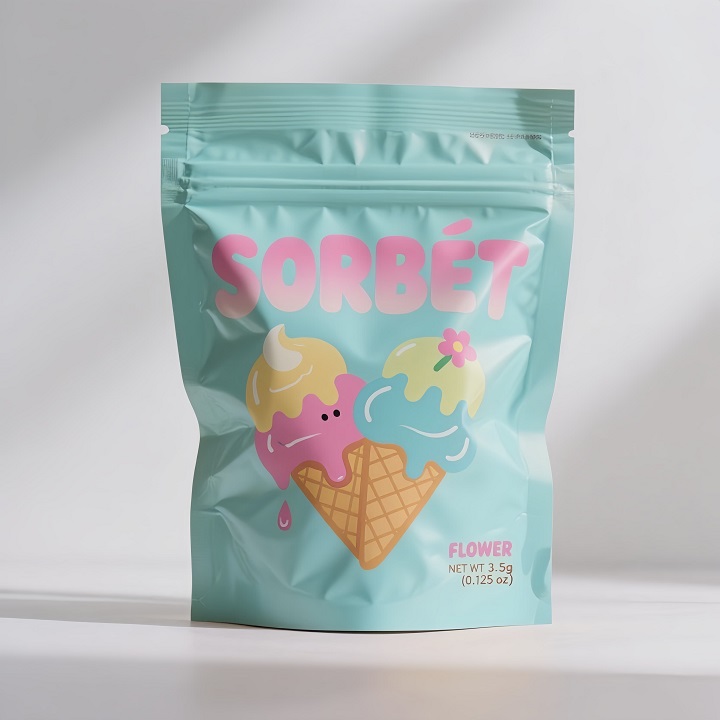
| Stand-up pouch | Snacks, granola, coffee, pet food | Strong shelf presence and easy display |
| Gusset bag | Bulk goods, bakery items, frozen foods | Better capacity and loading flexibility |
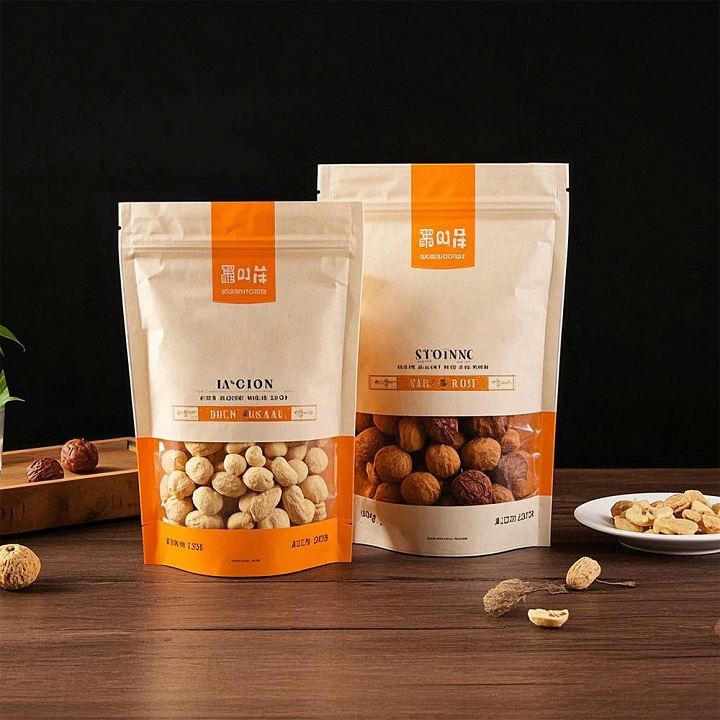
| Window bag | Premium dry foods, tea, bakery items | Visibility without full product exposure |
| Paper-based bag | Dry foods, eco-positioned products | Strong sustainability story innovamarketinsights+1 |
Flexible bags are popular because they can be tailored to product category, marketing goals, and logistics needs. For brands selling internationally, this flexibility also supports multiple size formats and regional labeling variations.
Materials That Actually Work
The material choice is the technical heart of packaging design. Common structures include PE, PP, PET, nylon, aluminum foil laminates, and coated paper, each offering different strengths in moisture, oxygen, puncture, and light resistance. For dry foods like biscuits or cereal, low moisture transmission is critical; for coffee or aroma-sensitive products, oxygen and scent barrier become more important. [agriculture]
Sustainability trends are accelerating interest in paper-based packaging, biodegradable materials, and bio-based alternatives, but performance still matters. Recent industry commentary emphasizes that brands increasingly want packaging that is both recyclable and functional, not one or the other. In practice, the best structure is often the one that protects the food with the fewest layers possible while still meeting shelf-life goals. [manluenpack]
Compliance and Food Safety
If a food packaging bag touches food, it is not just a marketing item; it is a regulated food-contact material. In the United States, the FDA treats food-contact substances, including packaging components, as indirect food additives under federal rules. In Europe, plastic food-contact materials are governed by Regulation (EU) No. 10/2011 and related framework requirements. [merieuxnutrisciences]
For B2B buyers, this means supplier qualification is essential. Certifications such as BRCGS Packaging Materials are widely used to demonstrate product safety, quality, legality, and integrity across packaging supply chains. A capable supplier should also be able to provide declarations of conformity, migration testing evidence, and traceable raw-material documentation. [sgs]
What Buyers Should Ask
When sourcing food packaging bags, buyers often focus on price first. That is understandable, but it can create expensive downstream problems if the packaging fails in transit or on shelf. A stronger procurement process starts with the food itself, then works backward into barrier, structure, printing, and compliance.
Use this checklist before placing an order:
1. What food will the bag hold, and what is its moisture or grease sensitivity?
2. What shelf life is required?
3. Does the market require FDA, EU, or other compliance documentation?
4. Is the brand prioritizing recyclability, compostability, or premium print quality?
5. Will the packaging be used for retail, e-commerce, export, or foodservice?
6. Does the supplier support custom size, material, finish, and print options?
This approach reduces trial-and-error and helps your packaging team align function with brand strategy. It also helps avoid over-packaging, which can increase cost without adding meaningful protection.
How To Choose A Supplier
A reliable supplier should do more than print a logo on a bag. They should help you match the product with the right barrier structure, verify compliance, and scale consistently across batches. For international buyers, factory capability, quality control, and export experience matter as much as unit price.
When evaluating a partner, look for these strengths:
Material expertise, especially in food-contact structures and barrier films.
Customization depth, including size, zipper, window, matte/gloss finish, and print effects.
Compliance support, including FDA- and EU-oriented documentation where relevant. [intertek]
Production consistency, with strong quality control and clear lead times.
Sustainability options, such as paper-based or lower-plastic alternatives. [fortunebusinessinsights]
For brands sourcing from China, it is also smart to verify whether the factory handles OEM and ODM workflows, because that affects speed, flexibility, and design control. XingKun, for example, positions itself as a packaging and print manufacturer with broad customization capabilities across multiple product categories. [xkdisplay]
Industry Insight From 2026
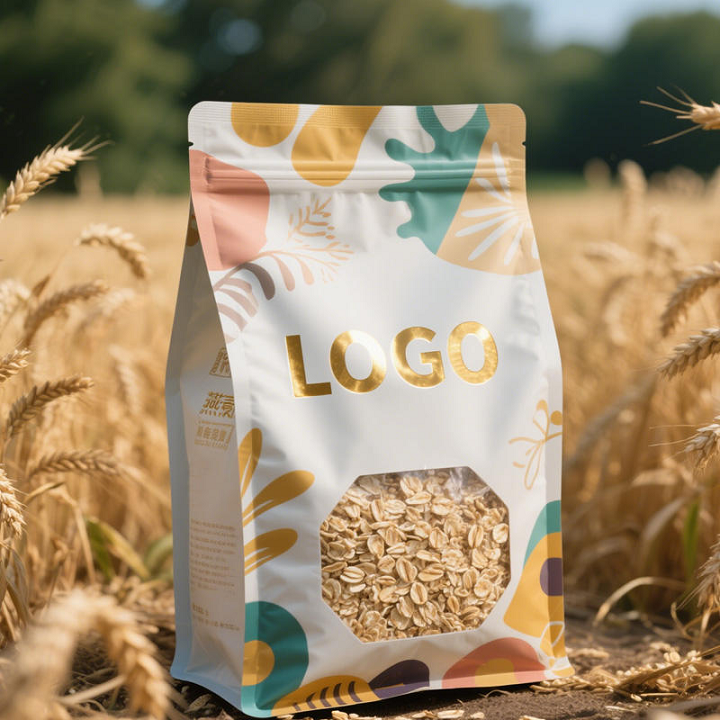
The strongest market signal in 2026 is not simply "more packaging." It is smarter packaging. Recent market coverage shows growing demand for recyclable paper-based formats, lightweight flexible packs, and high-barrier solutions that support shelf-life without unnecessary material use. [mordorintelligence]
Another important shift is that brands are no longer choosing between sustainability and performance as separate goals. The market is moving toward formats that can do both, including coated paper, recyclable mono-material films, and lower-impact barrier technologies. For food brands, this means packaging strategy should now be part of product development, not an afterthought. [mordorintelligence]
How XingKun Can Help
As a custom packaging manufacturer, XingKun can support brands that need OEM and ODM packaging development, print customization, and export-ready production. That is especially useful for companies launching private-label products, seasonal SKUs, or multilingual export packaging. A strong packaging partner should help you move from concept to market with fewer revisions and less risk. [cn.linkedin]
If you are building a food brand, your packaging should do three things at once: protect the product, support compliance, and sell the brand. When those three elements are aligned, food packaging bags become a growth asset instead of a commodity.
Conclusion
Food packaging bags are a strategic business tool, not a simple supply item. The right choice protects product quality, meets regulatory expectations, and strengthens brand perception in a market that is becoming more sustainability-driven and performance-focused. Brands that choose based on product requirements, not just price, are far more likely to succeed in retail and export channels. [innovamarketinsights]
FAQ
1. What are food packaging bags used for?
They are used to protect food from moisture, oxygen, contamination, and damage while also supporting branding and shelf presentation.
2. Which material is best for food packaging bags?
There is no single best material. PE, PP, PET, foil laminates, and coated paper each suit different foods depending on barrier needs and sustainability goals. [multiplastics.co]
3. Are food packaging bags regulated?
Yes. In the U.S., they fall under FDA food-contact rules, and in Europe, plastic food-contact materials are regulated under EU 10/2011 and related requirements. [fda]
4. Are paper food packaging bags always eco-friendly?
Not always. Paper can be a better choice in many cases, but performance depends on coatings, liners, recyclability, and the product being packed. [fortunebusinessinsights]
5. How do I choose the right supplier?
Choose a supplier that can prove food-contact compliance, offer customization, manage barrier requirements, and deliver consistent quality at scale. [brcgs]
6. Why are flexible bags so popular?
Flexible bags are lightweight, efficient to ship, and adaptable to many food types, which makes them attractive for both brands and logistics teams. [marketsandmarkets]
References
1. [Innova Market Insights – Food Packaging Trends 2026] [innovamarketinsights]
2. [Mordor Intelligence – Sustainable Foodservice Packaging Market] [mordorintelligence]
3. [FDA – Food Packaging & Other Substances that Come in Contact with Food] [fda]
4. [Mérieux NutriSciences – FDA Compliance for Food Contact Materials] [merieuxnutrisciences]
5. [Intertek – Food Contact Plastics Regulation (EU) 10/2011] [intertek]
6. [BRCGS – Packaging Materials] [brcgs]
7. [SGS – BRCGS Packaging Materials] [sgs]
8. [MarketsandMarkets – Food Packaging Market Report] [marketsandmarkets]
9. [XK Display – Company Overview] [xkdisplay]
10. [LinkedIn – XingKun Packing Products Co Ltd] [cn.linkedin]


