Content Menu
● Introduction: The Mystery Behind Tarot Cards
● The Origins of Tarot: A Journey Through Time
● The Structure of a Tarot Deck
● How Tarot Reading Works
● The Psychological Perspective
● The Spiritual and Intuitive Perspective
● Arguments for Tarot Being “Real”
● Arguments for Tarot Being “Fake”
● Tarot in Modern Times
● Why People Continue to Believe
● Science and Skepticism
● A Balanced View: Real in Experience, Symbolic in Nature
● How to Approach Tarot Responsibly
● Conclusion: Between Magic and Meaning
● Frequently Asked Questions
>> 1. Can tarot cards really predict the future?
>> 2. Do you need psychic abilities to read tarot cards?
>> 3. How accurate are tarot readings?
>> 4. Is tarot against religion?
>> 5. Can tarot help with mental health?
Introduction: The Mystery Behind Tarot Cards
For centuries, tarot cards have fascinated people as tools of intuition, divination, and spiritual reflection. Whether found in candle-lit fortune-telling booths, modern psychotherapy sessions, or online TikTok readings, tarot cards continue to blur the line between mysticism and psychology. But one question remains enduring: Is tarot card reading real, or is it simply an elaborate illusion?
This question taps into human curiosity about fate, intuition, and the unknown. To approach it meaningfully, we must examine tarot’s origins, methods, psychological explanations, scientific perspectives, and cultural significance.
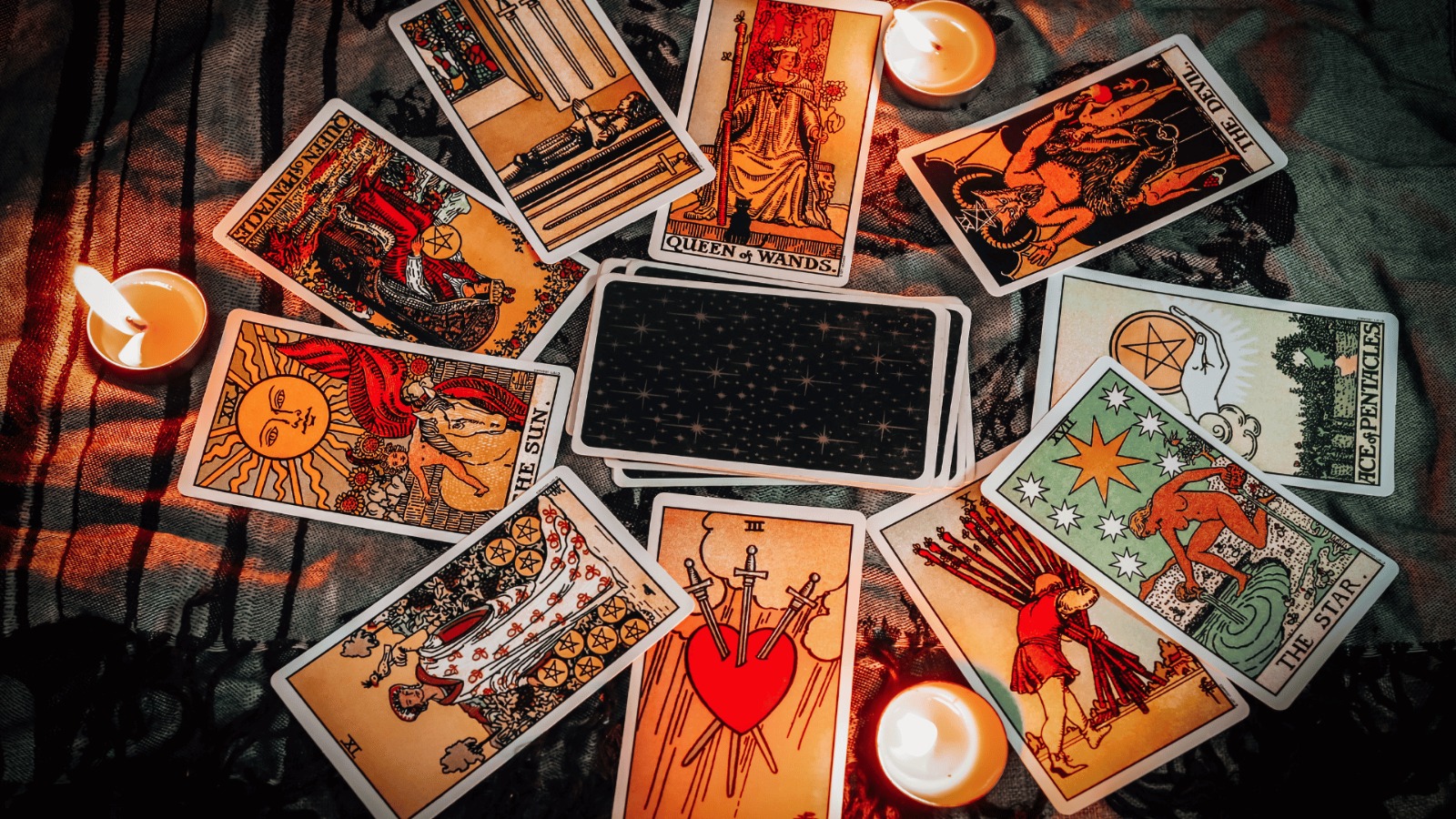
The Origins of Tarot: A Journey Through Time
The tarot deck did not begin as a mystical tool. It originated in mid-15th century Europe, most likely Italy, as a card game known as tarocchi. Aristocrats played it for entertainment, not divination. The symbolic imagery that modern readers associate with spiritual meaning came later.
In the 18th century, occultists such as Antoine Court de Gébelin and Eliphas Lévi began linking tarot imagery to ancient Egyptian wisdom, Kabbalah, and astrology. This marked the transformation of tarot from a parlor game to a sacred esoteric practice.
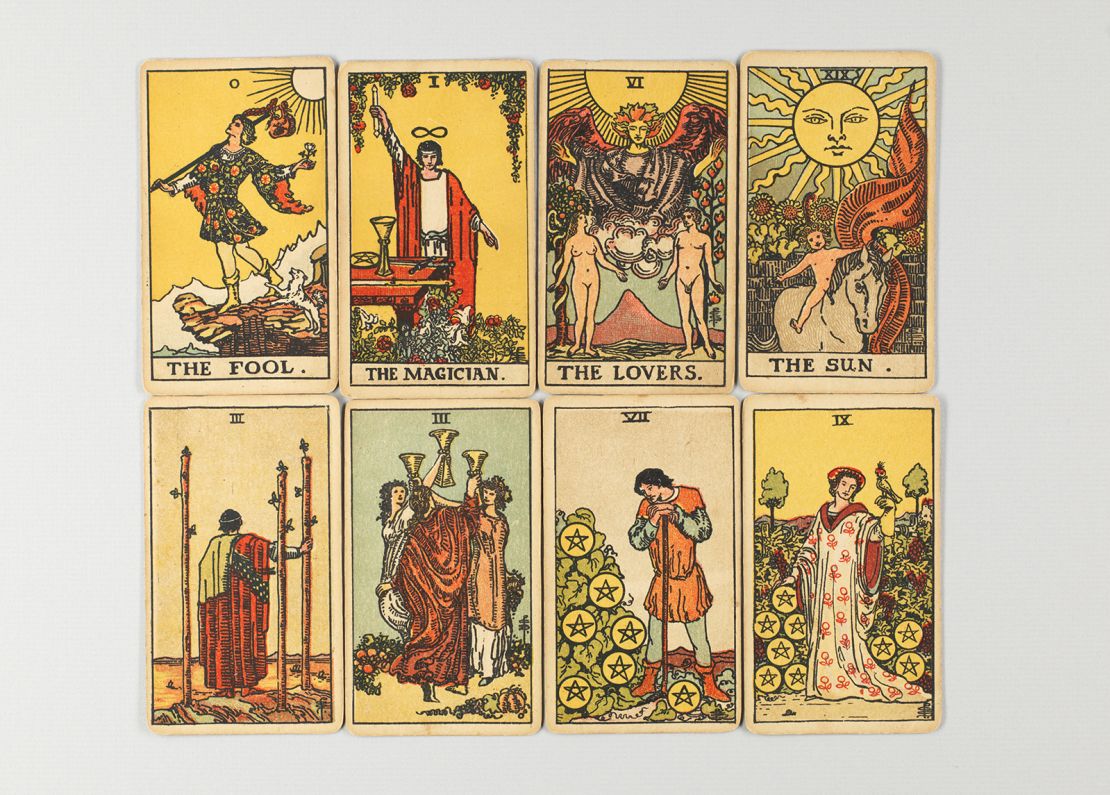
By the late 19th and early 20th centuries, secret societies such as the Hermetic Order of the Golden Dawn and later artists like Pamela Colman Smith, who illustrated the Rider-Waite-Smith deck, established tarot as a spiritual and psychological tool. This same deck remains the foundation for most tarot reading today.
The Structure of a Tarot Deck
A standard tarot deck contains 78 cards, divided into two main groups:
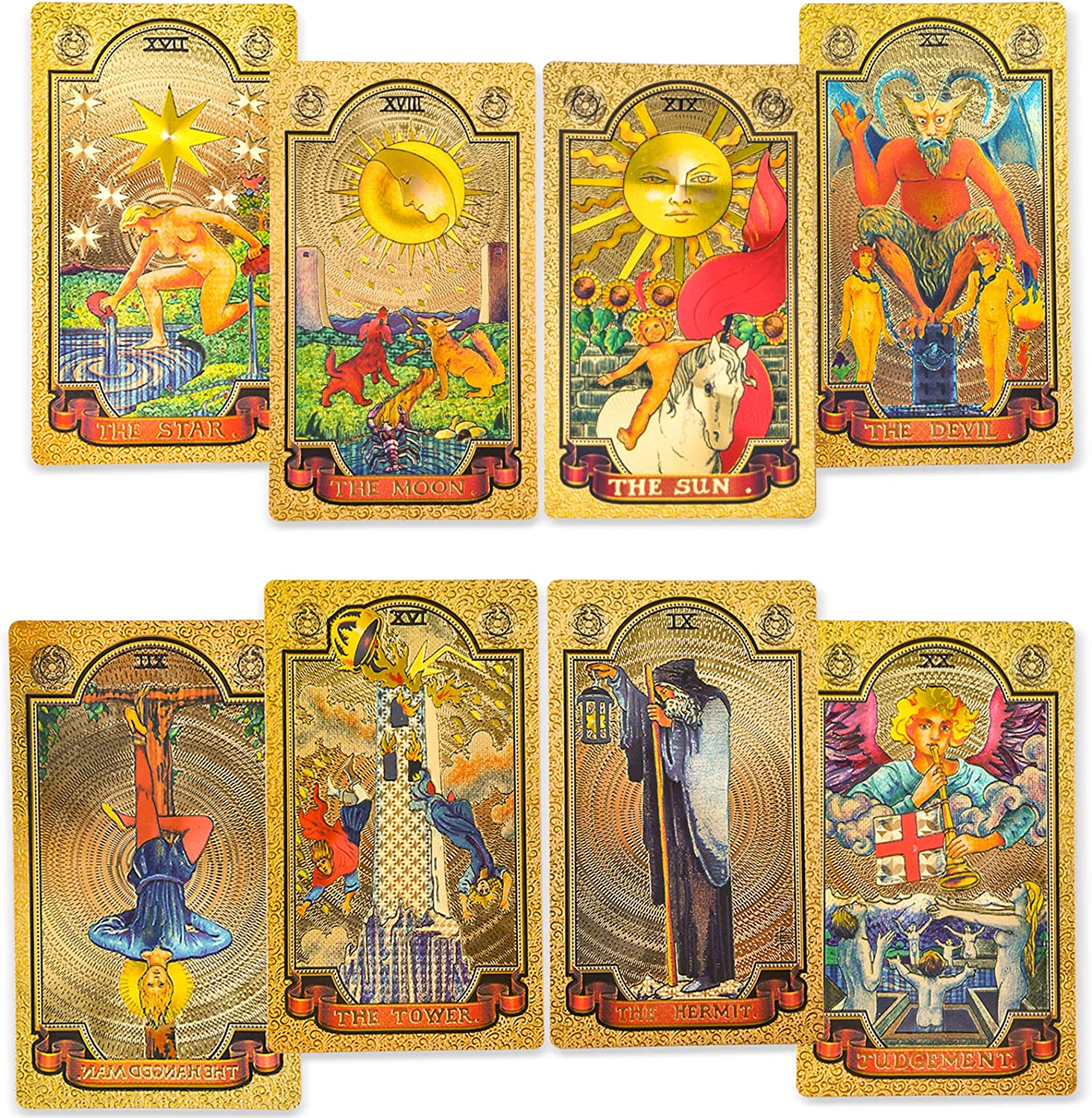
The Major Arcana (22 cards): Represent profound archetypes such as The Fool, The Magician, and The Tower. These cards often symbolize core life lessons or soul journeys.
The Minor Arcana (56 cards): Split into four suits — Cups, Pentacles, Swords, and Wands — mirroring emotional, material, intellectual, and creative aspects of life. Each suit has cards numbered one (Ace) through ten and four court cards — Page, Knight, Queen, and King.
Each card carries symbolic imagery — colors, elements, and figures — open to interpretation depending on the reader and context. Tarot readings are not fixed predictions but rather invitations to reflect on patterns, emotions, and decisions.
How Tarot Reading Works
In a typical tarot session, the reader shuffles the cards while focusing on a question or situation posed by the querent (the person seeking insight). Cards are drawn and arranged into spreads, common ones including:
Three-card spread: Past, present, future.
Celtic Cross: A ten-card layout exploring influences, hopes, obstacles, and outcomes.
One-card draw: Simple reflection or daily guidance.
The reader interprets the cards based on symbolism, position, and intuition, weaving a narrative that helps the querent understand their own emotions or circumstances. The cards do not “predict” the future in absolute terms but mirror unconscious thoughts, feelings, and potential paths.
The Psychological Perspective
From a psychological viewpoint, tarot operates as a projective tool, much like the famous Rorschach inkblot test. In both, individuals interpret ambiguous symbols that help reveal inner truths, desires, or conflicts.
Psychologists such as Carl Jung found tarot fascinating because of its connection to archetypes — universal symbols existing in the human collective unconscious. For example, The Hermit represents introspection, while The Lovers reflects moral choice or union. When someone interprets these symbols, they project their own psyche onto them, uncovering insights about their subconscious.
In this way, tarot functions less as a form of supernatural prophecy and more as a mirror of the inner self. It can promote self-reflection, spark dialogue, and reveal emotional blind spots.
The Spiritual and Intuitive Perspective
For many tarot readers and believers, tarot transcends psychology and taps into something more profound — intuition, synchronicity, and universal energy.
Some describe tarot as a form of energetic communication. When the cards are drawn, they align with the reader’s and querent’s energy, allowing the universe to deliver messages that resonate with the moment. This view aligns with quantum-inspired spirituality, which holds that everything in the universe is interconnected through vibration and consciousness.
Others link tarot readings to synchronicity, Carl Jung’s concept of meaningful coincidence. In this view, the specific cards drawn are neither random nor magical but synchronistic reflections of what the querent currently needs to hear or understand.
Arguments for Tarot Being “Real”
1.Accuracy Through Symbolism: Many people experience tarot readings that feel uncannily accurate, often offering timely insights that align with personal experiences.
2.Therapeutic Benefits: Readers and therapists alike use tarot to trigger reflection and emotional release. It acts as a safe space for exploring decisions, relationships, or traumas.
3.Energetic Resonance: Some find evidence of energy alignment — the idea that the reader’s intuition connects with unseen forces, allowing cards to “speak truth.”
4.Collective Unconscious Connection: Jung’s model supports the possibility that tarot taps into shared human archetypes, explaining why the symbols resonate universally.
Those who believe in tarot’s authenticity emphasize that its effectiveness doesn’t rely on proof of “magic” but on experiential validation — the feeling that the cards speak to your circumstance in a meaningful way.
Arguments for Tarot Being “Fake”
1.Lack of Empirical Evidence: No scientific studies confirm tarot as a tool for predicting future events. Controlled tests show results no better than chance.
2.Barnum Effect: Tarot readings often use statements so general they could apply to anyone — a psychological bias that makes readings “feel true.”
3.Cold Reading Techniques: Skilled readers subconsciously (or deliberately) pick up on non-verbal clues, crafting readings that appear intuitive but are actually observational.
4.Confirmation Bias: People remember hits and forget misses, reinforcing the illusion of accuracy.
From this perspective, tarot is a psychological illusion powered by symbolism, suggestion, and empathy rather than supernatural forces.
Tarot in Modern Times
Today, tarot occupies a hybrid space between psychology, spirituality, and art. It is no longer confined to occult circles but embraced widely in modern self-help, mindfulness, and creative practices.
Psychotherapists sometimes incorporate tarot symbolism in sessions to help clients externalize feelings.
Coaches and counselors use tarot to open intuitive conversations about goals and identity.
Artists and writers turn to the cards for inspiration, using the imagery as creative prompts.
Spiritual influencers post online readings, blending traditional meanings with daily affirmations and advice.
Online platforms and social media have also democratized tarot, making it accessible globally. Apps now let users draw virtual cards daily, combining spirituality with technology.
Why People Continue to Believe
Belief in tarot persists because it fulfills several fundamental human needs:
1.Meaning-Making: Tarot gives structure to life’s confusion, offering language to describe complex emotions or crises.
2.Empowerment: A reading can rekindle a sense of control or clarity when life feels chaotic.
3.Connection: Tarot often brings people together through shared exploration — whether in intimate one-on-one readings or community gatherings.
4.Ritual and Reflection: The act of shuffling, focusing, and pulling cards creates space for mindfulness — a ritual of pausing and listening inward.
In these ways, tarot serves both spiritual and psychological purposes, merging imagination with introspection.
Science and Skepticism
When scientists evaluate tarot, the focus is usually on statistical accuracy and cognitive bias, not mystical function. Controlled experiments have repeatedly shown that tarot cannot predict future outcomes reliably. However, science also recognizes the placebo effect: if a person believes a process helps them, measurable emotional or mental benefits may still occur.
Psychologists argue that tarot is an exploratory conversation tool rather than divination. It can reframe perspectives or spark insights — similar to narrative therapy, where stories are used to re-author one’s life narrative.
In this sense, tarot may not be scientifically true, but it is still psychologically real in its impact.
A Balanced View: Real in Experience, Symbolic in Nature
Perhaps the controversy around tarot rests on misunderstanding what “real” means. Tarot might not be real as a predictive science, but it is real as a symbolic and experiential practice. Its truths are metaphorical, not measurable.
Just as literature, dreams, or art reveal truths beyond literal fact, tarot speaks in metaphors of the soul. Whether guided by divine energy or by intuition, a meaningful reading feels real because it resonates emotionally and psychologically.
How to Approach Tarot Responsibly
If you choose to explore tarot, approach it with both curiosity and critical thinking:
1.Treat it as reflection, not prediction.
2.Respect the cards as symbols of insight, not fate.
3.Remember that your free will shapes outcomes.
4.Avoid relying solely on tarot for major life decisions.
5.Use it for self-development, mindfulness, and emotional clarity.
Ultimately, tarot reading can coexist with rationality if practiced as a creative, spiritual exercise rather than blind faith.
Conclusion: Between Magic and Meaning
So, is tarot card reading real or fake?
The answer depends on how you define “real.” If “real” means verifiable proof that cards predict the future, the evidence says no. But if “real” means something that offers insight, comfort, and transformation, then tarot’s authenticity lies in experience, not evidence.
Tarot endures because it speaks a language of symbols, stories, and intuition — elements that humans have used for meaning-making across every culture and era. Whether as mystic art or mirror of the mind, tarot’s reality lies in the truth it helps us find within ourselves.
Frequently Asked Questions
1. Can tarot cards really predict the future?
Not scientifically. They reflect current energies, patterns, and influences — pointing to possibilities rather than fixed outcomes.
2. Do you need psychic abilities to read tarot cards?
No. Intuition develops with practice. Anyone can learn to interpret symbols and develop a personal connection to the cards.
3. How accurate are tarot readings?
Accuracy depends on interpretation, mindset, and emotional openness. Many find them meaningful, though not scientifically measurable.
4. Is tarot against religion?
That depends on the belief system. Some religious traditions discourage divination, while others treat tarot as symbolic art or psychological reflection.
5. Can tarot help with mental health?
Tarot can support self-reflection and mindfulness but is not a substitute for therapy. When combined with psychological awareness, it can complement personal growth.


