Content Menu
● What PDQ Displays Are (From a Practitioner's View)
● What Traditional Counter Displays Are
● PDQ Displays vs Traditional Counter Displays: Core Differences
● Design and Construction: How Professional Printing Matters
● Retail Operations: Labor, Space, and Compliance
● Shopper Psychology and Performance Outcomes
● Sustainability and Material Choices
● Integrating Digital Touchpoints into Physical Displays
● Case‑Style Insight: Rolling Out a Multi‑Country Campaign
● When to Choose PDQ vs Counter Displays
>> When PDQ Displays Are the Better Choice
>> When Traditional Counter Displays Are the Better Choice
● How an Experienced Producer Adds Value
● FAQs
● References
PDQ displays and traditional counter displays serve the same core purpose—driving impulse purchases at the point of sale—but they do it in very different ways in terms of design, logistics, and in‑store performance. Understanding these differences helps brands and distributors choose the right display stand for their product mix, retail partners, and budget. [youlianzsdisplay]
What PDQ Displays Are (From a Practitioner's View)
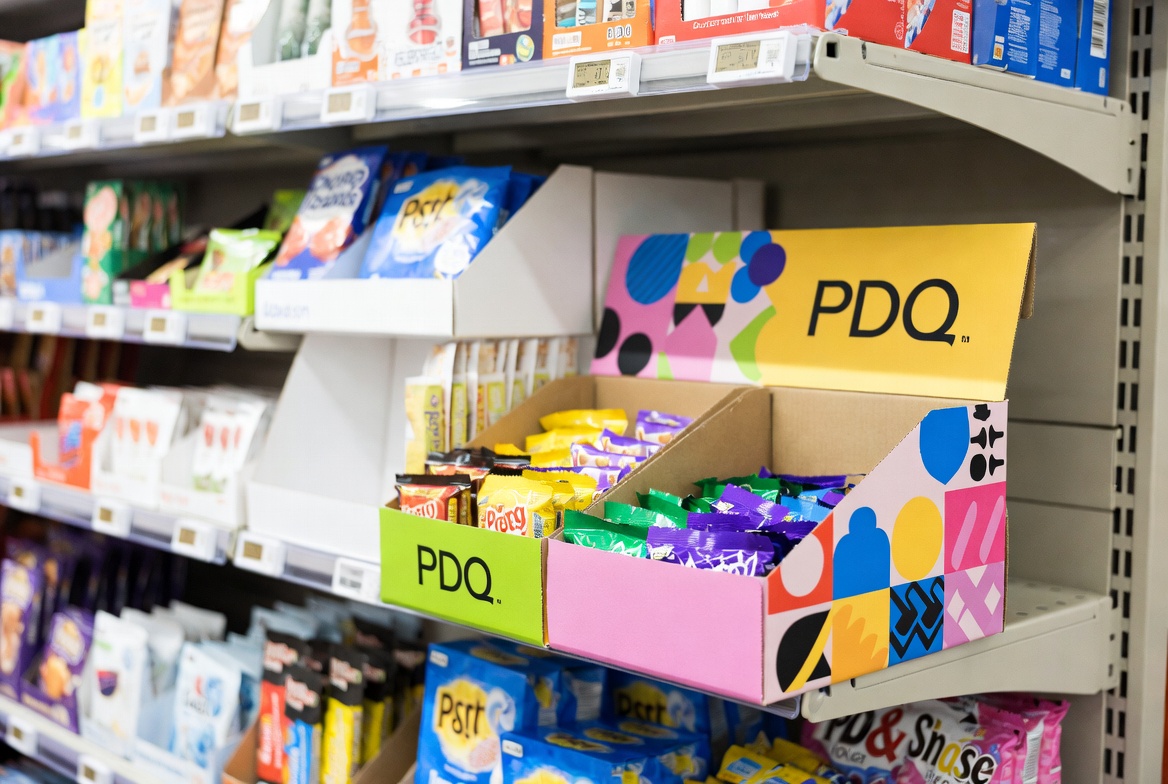
In my experience working with FMCG brands and retail buyers, PDQ displays are best described as compact, shelf‑ready packaging units that double as display trays. They are designed to arrive pre‑packed with merchandise, so store staff can place them directly on a shelf, counter, or pallet with minimal handling. [popdisplay]
Typical characteristics include:
- Rigid or reinforced cardboard tray construction.
- Printed branding on all visible sides of the tray.
- Pre‑counted product loading (e.g., 12, 24, or 36 units).
- Barcodes and compliance marks printed on the outer walls.
Because they function as both packaging and display, PDQ units tend to reduce back‑room handling time and speed up new product roll‑outs across multiple stores. [popdisplay]
What Traditional Counter Displays Are
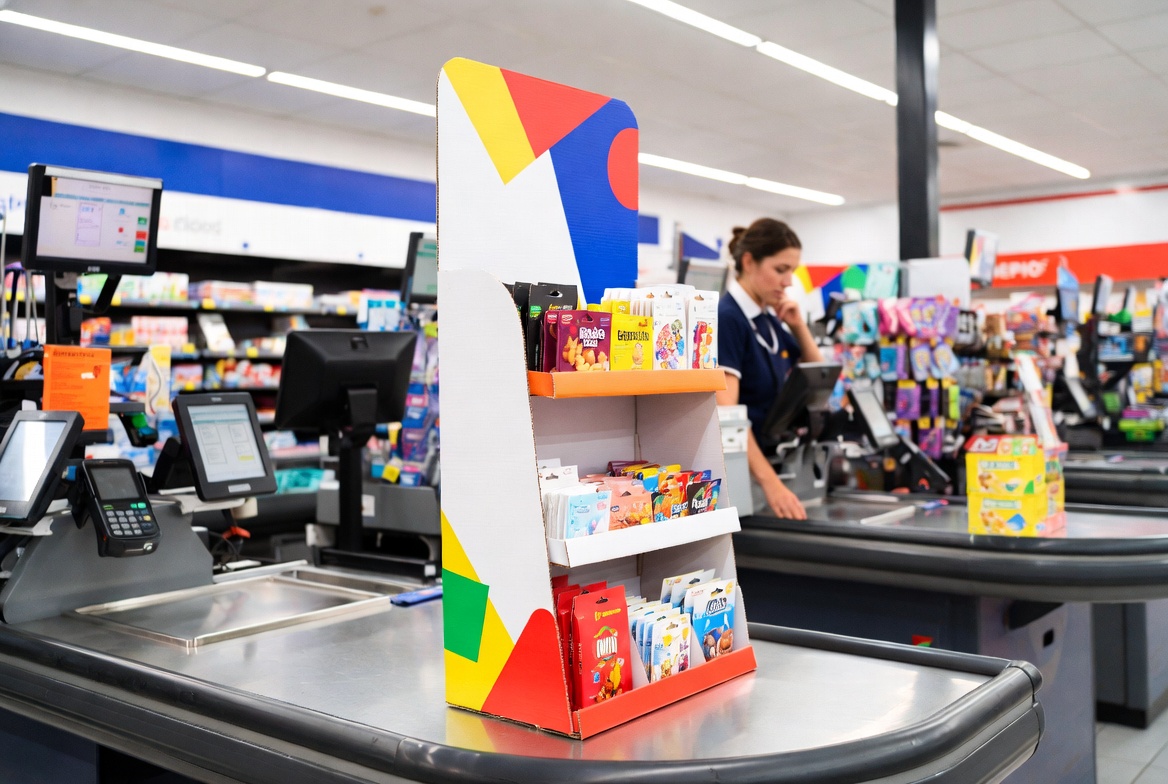
Traditional counter displays are stand‑alone point‑of‑sale merchandisers that sit on checkout counters, service desks, or reception areas. They are usually shipped flat or semi‑assembled and then built and stocked in store by retail staff. [exhibitionstands.co]
Key traits I see across many retail programs:
- A more sculpted or three‑dimensional display structure.
- Dedicated branding panels and header cards.
- Often more flexibility in layout and product arrangement.
- Can be reused for multiple campaigns if constructed from durable board, plastic, or laminated materials. [exhibitionstands.co]
These displays excel when the brand wants a more expressive visual story at the counter and is willing to invest a bit more staff time per store.
PDQ Displays vs Traditional Counter Displays: Core Differences
From a brand manager's standpoint, PDQ units win on speed and consistency, while traditional counter displays win on flexibility and creative control.
Design and Construction: How Professional Printing Matters
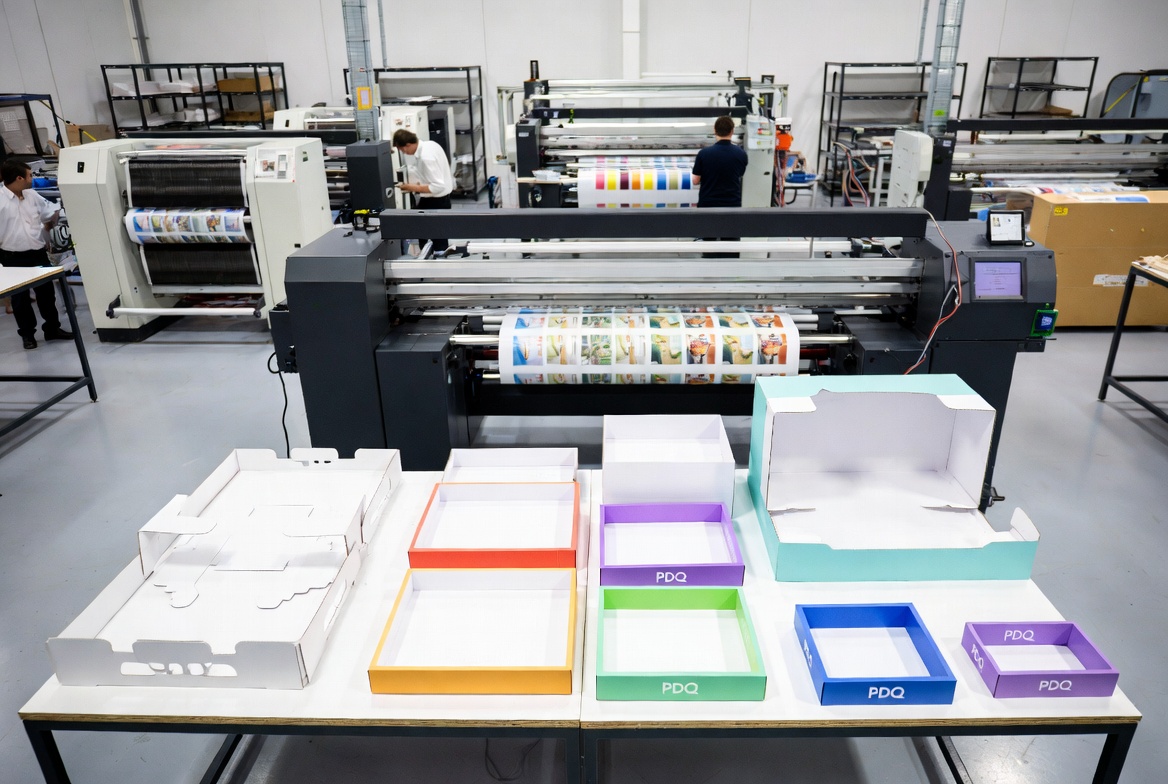
Shenzhen XingKun Packing Products Co., Ltd. operates with modern Heidelberg presses and integrated die‑cutting, which enables tight tolerances and high‑impact graphics on both PDQ and counter display formats. In practice, this matters more than many marketers realize, because small construction errors quickly become operational problems at retail. [xkprint-pack]
For PDQ trays:
- Precise scoring and folding prevent tray collapse under product weight.
- Carefully controlled ink density keeps logos and product visuals sharp, even on recycled board. [xkprint-pack]
- Structural design must balance shelf footprint, SKU count, and stability.
For traditional counter displays:
- Multi‑layer board and reinforced joints support tall headers and creative shapes without leaning.
- Spot finishes and selective varnish can underlines key brand elements without overcomplicating the structure. [xkprint-pack]
A print partner with experience across global markets helps ensure compliance with retailer guidelines in North America, Europe, and Asia, including carton strength standards and labeling norms. [shippingonline]
Retail Operations: Labor, Space, and Compliance
From conversations with category managers and store operators, three operational variables typically decide whether PDQ or traditional counter formats perform better:
1. Labor availability at store level
- PDQ trays shine where staff have limited time; they go straight from carton to shelf with almost no build time. [popdisplay]
- Counter displays require more attention for assembly and periodic tidying but can hold more diverse assortments.
2. Available space at the point of purchase
- PDQ displays are compact and fit neatly into existing shelf plans or gondolas.
- Counter displays occupy valuable checkout real estate and must work harder visually to justify that space. [exhibitionstands.co]
3. Compliance with planograms and safety rules
- PDQs integrate cleanly into planogram layouts and minimize deviations from standard shelf spacing. [popdisplay]
- Counter units need careful sizing so they do not block sightlines, interfere with payment devices, or breach local safety rules. [exhibitionstands.co]
A recurring pattern is that multi‑store chains gravitate toward PDQs for consistency, while independent retailers often prefer counter displays for their ability to reflect local tastes.
Shopper Psychology and Performance Outcomes
From a behavioral standpoint, both formats aim to capture impulse purchases, but they leverage slightly different psychological triggers.
- PDQ trays embed products within standard shelf landscapes, letting shoppers feel they are making a regular, low‑risk choice while still highlighting items through color, branding, and price cues. [popdisplay]
- Counter displays rely more on interrupting attention at the moment of payment, using strong color contrast, eye‑level graphics, and occasionally unusual shapes or storytelling elements. [exhibitionstands.co]
Industry analyses show that clean, well‑maintained display stands with clear price communication consistently outperform cluttered setups, regardless of format. This is where professional printing and structural integrity pay back over time. [youlianzsdisplay]
Sustainability and Material Choices
Recent global display stand trend reports emphasize three priorities: experience, digital integration, and sustainability. For PDQ and counter displays, this translates into specific material and design decisions. [ko.youlianzsdisplay]
For PDQ displays:
- Use of recyclable corrugated board with controlled fluting to reduce weight while maintaining stiffness. [youlianzsdisplay]
- Efficient layout of die‑cut sheets to minimize waste in production.
- Clear disposal instructions printed on the tray walls for store staff. [youlianzsdisplay]
For traditional counter displays:
- Increasing use of modular components that can be reconfigured for different campaigns. [accio]
- Higher adoption of durable substrates combined with replaceable graphic panels.
- Integration of low‑energy lighting or limited digital elements, particularly in premium retail environments. [accio]
Experienced producers like XingKun can align material choices with regional sustainability expectations, from European recycling norms to North American brand policies. [shippingonline]
Integrating Digital Touchpoints into Physical Displays
While many brands still focus on print‑only display stands, there is a clear movement toward light digital integration in retail environments. Both PDQ and traditional counter units can incorporate subtle touchpoints without overwhelming the physical design. [accio]
Practical options include:
- Discrete QR codes on side panels linking to usage tips or promotions. [exhibitionstands.co]
- Short URLs printed below product artwork for post‑purchase engagement.
- Coordinated color schemes that match campaign visuals across mobile and in‑store channels. [accio]
For compact PDQs, digital cues must remain secondary to pack visibility and pricing; for counter displays, they can play a larger role in storytelling and loyalty programs.
Case‑Style Insight: Rolling Out a Multi‑Country Campaign
Drawing on global practice, imagine a mid‑size personal care brand launching a new travel‑size product line across thousands of stores:
- In large chain supermarkets, PDQ trays are used on shelf edges and promotional endcaps, allowing central teams to roll out a consistent assortment with minimal store‑level adjustments. [popdisplay]
- In drugstores and convenience outlets, traditional counter displays highlight hero SKUs near the tills, using taller headers and more emotional messaging. [exhibitionstands.co]
By combining both formats, the brand covers shoppers who browse aisles deliberately and those who make last‑second decisions at checkout. A printing partner with advanced equipment and established export experience, such as XingKun, ensures that color accuracy, structural strength, and branding remain stable across all markets. [shippingonline]
When to Choose PDQ vs Counter Displays
From a practitioner's perspective, the choice between PDQ and traditional counter units can be simplified into a few direct questions.
When PDQ Displays Are the Better Choice
Choose PDQs when:
- Speed of deployment across many stores is critical.
- You need tight integration with outer packaging and logistics.
- The product fits standard shelf dimensions and planogram positions.
- Labor constraints mean staff have limited time for assembly per store. [popdisplay]
When Traditional Counter Displays Are the Better Choice
Choose counter displays when:
- You want maximum creative freedom in shape, height, and messaging.
- Checkout or service counters offer high‑value space.
- The campaign calls for storytelling, gifting cues, or seasonal themes.
- Stores can allocate staff time to build and maintain displays. [exhibitionstands.co]
In many successful campaigns, brands deploy a hybrid strategy, using PDQs for everyday shelf presence and counter displays for key promotional windows.
How an Experienced Producer Adds Value
With over two decades of printing and packaging experience, Shenzhen XingKun Packing Products Co., Ltd. has three advantages that directly impact display performance in store: [xkprint-pack]
- Integrated packaging and display know‑how: Understanding both shipping cartons and retail‑facing structures allows smoother transitions from factory to shelf.
- Advanced equipment and color management: Modern presses and die‑cut lines deliver consistent quality across large volumes, which is essential for multi‑country campaigns. [xkprint-pack]
- Global market familiarity: Long‑term service to clients in Europe, America, and Asia helps align display design with local retail formats and shopper expectations. [shippingonline]
This kind of technical and practical expertise makes the difference between a display concept that looks good on a designer's screen and one that stays stable, attractive, and compliant in real stores.
FAQs
1. What is the main functional difference between PDQ displays and traditional counter displays?
PDQ units are compact, shelf‑ready trays that combine packaging and display, while counter displays are stand‑alone structures designed primarily for visual impact at checkout. [popdisplay]
2. Can PDQ displays work on checkout counters as well as shelves?
Yes. As long as the footprint and height are appropriate, PDQ trays can sit on counters or gondola ends, providing flexible placement options for smaller products. [popdisplay]
3. Are traditional counter displays more expensive than PDQ units?
Per unit, counter displays often carry higher structural and printing costs due to more complex shapes and finishing, but their reusability can offset some of that investment over multiple campaigns. [exhibitionstands.co]
4. How do sustainability goals influence display stand choice?
Brands increasingly favor recyclable board, modular structures, and reduced material use, pushing both PDQ and counter designs toward lighter, more efficient constructions. [youlianzsdisplay]
5. Is it effective to use both PDQ and counter displays in the same campaign?
Yes. Many programs combine PDQs for scalable shelf presence with counter units for high‑impact storytelling at checkout, covering different shopper journeys in the same retail environment. [exhibitionstands.co]
References
1. 2026 Global Commercial Display Stand Industry Trend Report – Intelligence, Experience and Sustainability. [youlianzsdisplay]
<https://www.youlianzsdisplay.com/news/2026-global-commercial-display-stand-industry-trend-report-intelligence-experience-and-sustainability-113044.html>
2. ShenZhen XingKun Packing Products Co., Ltd – About Us. [xkprint-pack]
<https://www.xkprint-pack.com/about-us>
3. Shenzhen Xingkun Packing Products Co., Ltd – Company Listing. [shippingonline]
<http://www.shippingonline.cn/yellowpages/temp1/about_us.asp?solid=fdehdhi>
4. Stand4 – Top Exhibition Stand Trends for 2026. [exhibitionstands.co]
<https://www.exhibitionstands.co.uk/top-exhibition-stand-trends-for-2026/>
5. Accio – Exhibition Stand Trends 2026: Key Insights. [accio]
<https://www.accio.com/business/exhibition-stand-trends-2026>
6. POP Display vs PDQ Displays – Difference in Features. [popdisplay]
<https://popdisplay.me/pop-vs-pdq-displays-difference-in-features/>


