Content Menu
● What Custom Packaging Really Means Today
● Why Custom Packaging Matters for Modern Brands
● Core Elements of Effective Custom Packaging
>> 1. Structure and Function
>> 2. Materials and Sustainability
>> 3. Visual Design and Finishing
>> 4. Production Feasibility and Quality
● How Custom Packaging Drives Business Results
>> Brand and Marketing Performance
>> Operational and Supply Chain Efficiency
>> Customer Experience and Reviews
● Industry Trends Shaping Custom Packaging in 2026
>> Trend 1: Sustainability and Transparent Communication
>> Trend 2: Personalization and Short-Run Flexibility
>> Trend 3: Smart, Interactive Packaging
>> Trend 4: Minimalist, Premium Visual Language
● A Practical Process Brands Can Follow
● Why Long-Term Manufacturing Experience Matters
● Applying Custom Packaging Strategy to a New Product Line
● Key Factors to Consider Before Your Next Packaging Project
● FAQs
● References
Custom packaging is no longer just a box; it is a strategic, brand-building tool that connects your product, your story, and your customers in a single, tangible experience. As a manufacturer with more than 20 years of printing and packaging expertise serving brands in over 30 countries, Shenzhen XingKun Packing Products Co., Ltd. understands how well-designed custom packaging can transform everyday products into memorable, premium experiences. [vistaprint]
What Custom Packaging Really Means Today
Custom packaging refers to the design, development, and production of packaging materials that are tailored to a specific product and brand, rather than using generic, off-the-shelf solutions. It integrates brand identity, structural performance, material choice, and finishing options so that your packaging does three things at once: protects the product, presents it beautifully, and supports your wider commercial strategy. [ipaperbox]
At its core, custom packaging can focus on:
- Product packaging (boxes, trays, pouches, labels).
- Display packaging (counter displays, point-of-sale units).
- Shipping packaging (mailers, corrugated cartons, inserts). [vistaprint]
For brands that rely on repeat orders and positive reviews, consistent custom packaging becomes part of the brand's promise: buyers know what to expect from the moment they see or touch the box. [thecustompackaging]
Why Custom Packaging Matters for Modern Brands
Custom packaging delivers value far beyond visual appeal. It influences how customers perceive quality, how efficiently operations run, and how well a product performs in both retail and online environments. [youtube]
Key benefits include:
- Stronger brand recognition through distinctive colors, logos, and structural forms.
- Higher perceived product value, especially in crowded markets or premium categories.
- Better protection and fewer damages, which directly reduces returns and complaints.
- Clearer information and easier usage, which improves customer satisfaction and reviews. [globallinksourcing]
For brands working with export markets, custom packaging also helps align product presentation with local expectations and regulations, supporting smoother distribution across different regions. [researchandmarkets]
Core Elements of Effective Custom Packaging
Successful custom packaging solutions balance aesthetics and engineering. From a manufacturer's perspective, four elements need to be considered as one connected system. [youtube]
1. Structure and Function
The structural design determines how the packaging holds, protects, and displays the product. Choices such as folding cartons, rigid boxes, corrugated mailers, paper bags, or custom inserts directly affect performance in shipping, retail shelving, and unboxing. [ipaperbox]
Well-engineered packaging should:
- Match product dimensions and weight precisely.
- Resist compression, vibration, and impact along the supply chain.
- Be easy to assemble, fill, and close in production lines.
- Offer an intuitive, pleasant opening and re-closing experience. [ipaperbox]
2. Materials and Sustainability
Materials define durability, cost, environmental impact, and tactile feel. In 2026, brands are increasingly choosing: [thecustompackaging]
- Recycled or FSC-certified paperboard for cartons.
- Corrugated board for shipping and e-commerce packaging.
- Mono-material solutions that simplify recycling.
- Biodegradable or low-plastic alternatives where possible. [thecustompackaging]
This shift is driven by consumer expectations and regulatory pressure, making sustainable material selection a practical necessity rather than a marketing add-on. [creativeretailpackaging]
3. Visual Design and Finishing
Visual design translates your brand story onto the surface of the packaging. Elements such as typography, color systems, iconography, and imagery work together with finishes to create a tactile, emotional experience. [vistaprint]
Common finishing options include:
- Soft-touch or matte coatings to create a premium feel.
- Foil stamping for metallic highlights and logo emphasis.
- Embossing/debossing to add dimensional detail.
- Spot UV to highlight key design areas.
- Die-cut windows to reveal the product inside. [globallinksourcing]
The strongest designs balance minimalism with impact, using clean layouts and focused visual hierarchy so that the customer's eye goes directly to the most important messages. [vistaprint]
4. Production Feasibility and Quality
A design that looks perfect in a render can still fail in mass production if structural complexity, material choice, or finishing methods are not aligned with manufacturing capabilities. Experienced manufacturers review the entire process—from dieline development to sampling—to ensure the concept can be produced reliably at scale. [youtube]
Good production planning focuses on:
- Efficient die lines that minimize waste.
- Runs optimized for digital or offset printing, depending on volume.
- Clear color management across different SKUs.
- Quality control standards that keep every batch consistent. [ipaperbox]

How Custom Packaging Drives Business Results
Custom packaging creates measurable commercial advantages across the product life cycle. When brands upgrade from generic packaging to tailored solutions, several performance indicators often improve. [linkedin]
Brand and Marketing Performance
Distinctive packaging supports recognition, repeat purchases, and word-of-mouth. For new product launches, strong structural and graphic choices help the product stand out visually, both on shelves and in online listings. [creativeretailpackaging]
A well-designed box or bag can:
- Make the product easier to photograph and promote.
- Reinforce positioning as budget-friendly, premium, or luxury.
- Communicate key benefits faster than long text descriptions.
- Encourage customers to share unboxing experiences. [thecustompackaging]
Operational and Supply Chain Efficiency
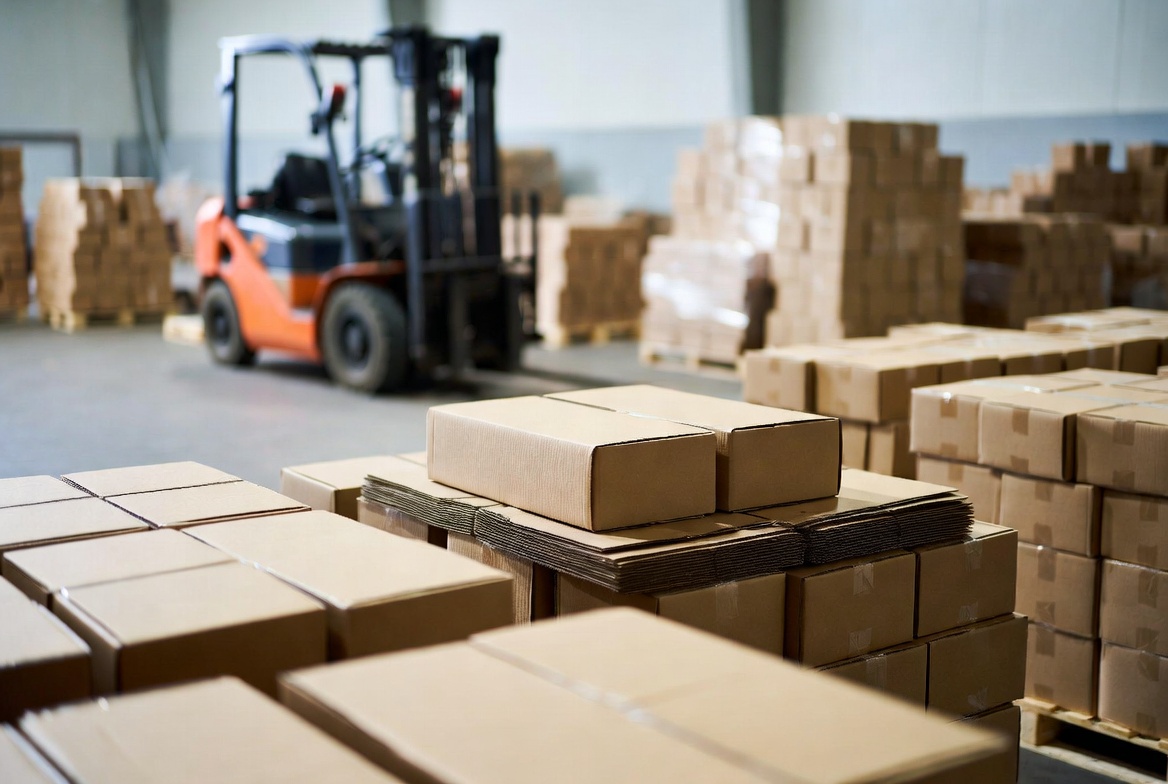
Correctly engineered packaging reduces waste, speeds up packing, and lowers shipping risks. Adjusting dimensions and structure to fit pallets or standardized shipping containers can lead to noticeable savings on logistics. [linkedin]
Operational improvements include:
- Lower material waste due to optimized layouts.
- Faster packing times thanks to simple, repeatable structures.
- Reduced breakage and returns in long-distance shipping.
- Better inventory control through clear SKU labeling and functional design. [globallinksourcing]
Customer Experience and Reviews
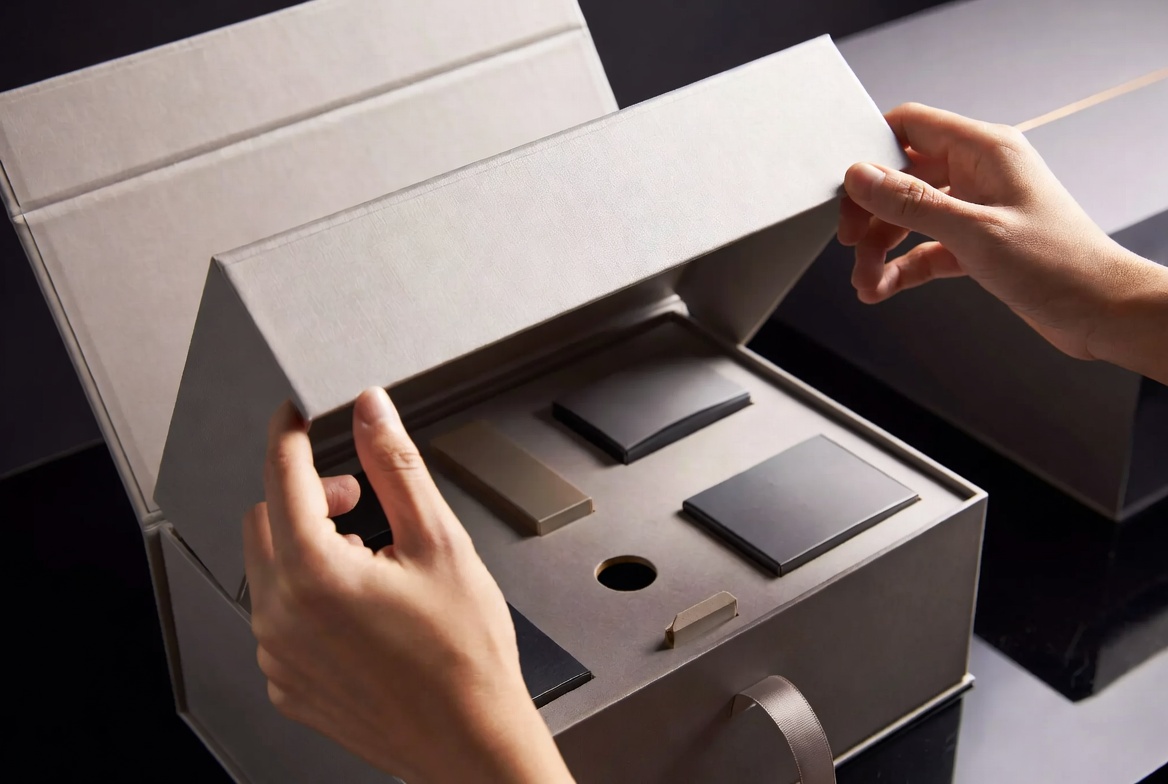
From the end user's perspective, packaging is the first physical contact with your brand. When it feels sturdy, visually coherent, and easy to open, customers tend to associate your product with higher quality—even before they try it. [ipaperbox]
Thoughtful details such as clear instructions, reusable structures, and visually organized information help customers feel confident, which typically leads to more positive feedback and repeat orders. [creativeretailpackaging]
Industry Trends Shaping Custom Packaging in 2026
The global personalized and custom packaging market continues to expand, with value projected in the tens of billions of dollars and steady growth across consumer goods, e-commerce, and B2B sectors. Several macro trends are reshaping how brands plan packaging projects. [researchandmarkets]
Trend 1: Sustainability and Transparent Communication
Sustainable materials, recyclable structures, and transparent messaging about environmental impact are now standard expectations in many markets. Brands are moving toward: [creativeretailpackaging]
- Recycled and renewable substrates.
- Mono-material packaging designed for easier recycling.
- Clear on-pack information about disposal and environmental benefits. [thecustompackaging]
This trend encourages closer collaboration with manufacturers to select materials and finishes that balance performance, appearance, and ecological impact. [creativeretailpackaging]
Trend 2: Personalization and Short-Run Flexibility
Advances in digital printing and data-driven design make it possible to run short, highly customized packaging campaigns without sacrificing quality. This is particularly useful for: [globallinksourcing]
- Limited-edition product lines.
- Regional or language-specific packaging.
- Seasonal campaigns and co-branded collaborations. [globallinksourcing]
Brands can test concepts more rapidly, refine based on real-world feedback, and scale successful versions into larger production runs. [researchandmarkets]
Trend 3: Smart, Interactive Packaging
QR codes, NFC tags, and other interactive elements are increasingly integrated into packaging to connect physical products with digital content. This can unlock: [towardspackaging]
- Instructional videos and usage guides.
- Loyalty programs and post-purchase engagement.
- Product authentication and traceability. [towardspackaging]
Even simple coded labels can guide customers to relevant information, making the packaging an enduring touchpoint rather than a single-use container. [towardspackaging]
Trend 4: Minimalist, Premium Visual Language
Many brands are simplifying their visual language with cleaner typography, restrained color palettes, and purposeful negative space. This aesthetic often feels more modern and premium, while also reducing printing complexity and ink coverage. [vistaprint]
Minimalist designs tend to photograph well, which supports consistent product presentation across marketplaces, social media, and catalogs. [vistaprint]
A Practical Process Brands Can Follow
To get the most out of a custom packaging project, brands benefit from a clear, structured process that connects creative ideas with manufacturing realities. An experienced producer can guide this journey and help avoid common pitfalls. [youtube]
A streamlined approach typically follows these steps:
1. Define objectives and constraints
Clarify product category, positioning, target markets, and performance requirements (retail, e-commerce, or both). [linkedin]
2. Select structure and materials
Choose base structures (cartons, rigid boxes, mailers, bags) and materials based on protection needs, sustainability goals, and budget. [youtube]
3. Develop dielines and prototypes
Translate the concept into precise dielines, then create physical samples to test fit, strength, and unboxing experience. [youtube]
4. Finalize visual design and finishes
Apply graphics, logos, and messaging, and decide on finishes such as coatings, foil, or embossing, ensuring they suit the chosen substrate. [ipaperbox]
5. Plan production and quality standards
Set run sizes, color targets, and inspection criteria, and define how each batch will be checked for consistency. [ipaperbox]
6. Review performance and refine
After rollout, monitor feedback, damage rates, and logistics metrics to identify opportunities for incremental improvements. [researchandmarkets]
Working with a manufacturer that understands both printing and packaging engineering helps maintain continuity from initial concept to large-scale production, especially for brands operating across multiple countries and channels. [globallinksourcing]
Why Long-Term Manufacturing Experience Matters
Custom packaging projects involve not only creativity but also deep technical judgment. Manufacturers with decades of experience and international client bases, such as Shenzhen XingKun Packing Products Co., Ltd., have seen how different structures, materials, and finishes perform in real-world conditions. [youtube]
This experience translates into:
- Practical guidance on balancing cost and appearance.
- Early identification of potential production risks.
- Reliable sampling and testing before mass production.
- Smooth coordination of large, multi-SKU campaigns. [linkedin]
For brands working with global distribution networks, partnering with a printing and packaging producer that has already served many regions provides an extra level of confidence that packaging will arrive, look, and perform as intended. [researchandmarkets]
Applying Custom Packaging Strategy to a New Product Line
Consider a mid-size consumer brand launching a new series of health supplements across several export markets. The brand needs packaging that looks trustworthy, travels well, and respects each market's expectations. [researchandmarkets]
A practical custom packaging solution might include:
- Folding cartons sized precisely to protect bottles and capsules.
- Recycled paperboard with a matte coating to communicate reliability and care.
- Clean typography and color coding for different formulas.
- Foil accents on key elements to signal premium quality.
- QR codes linking to usage guides and certifications. [towardspackaging]
By working closely with an experienced packaging manufacturer, the brand can align structural design, materials, and visual language, then scale production without losing consistency or quality. [globallinksourcing]
Key Factors to Consider Before Your Next Packaging Project
Before starting a new custom packaging initiative, brands can use a simple checklist to make planning more efficient. [linkedin]
- Define product dimensions, weight, and fragility.
- Clarify target markets and distribution channels.
- Set priorities between cost, appearance, sustainability, and speed.
- Decide whether the project requires short-run testing or immediate large-scale rollout.
- Identify any regulatory or labeling requirements in destination markets.
- Prepare brand assets: logos, colors, icons, and copy direction. [researchandmarkets]
Having these details ready allows manufacturing partners to respond quickly with options that match real operational needs, not just aesthetic preferences. [youtube]
FAQs
What is the primary difference between custom and generic packaging?
Custom packaging is designed around the specific product and brand, while generic packaging uses standard, one-size-fits-many structures that do not reflect unique brand identity or performance requirements. [vistaprint]
Can small or emerging brands benefit from custom packaging?
Yes. Short-run digital printing and flexible production models make tailored packaging accessible even for smaller brands, allowing them to test concepts and launch limited editions without committing to very large volumes. [thecustompackaging]
How does material choice affect long-distance shipping performance?
Material choice influences resistance to compression, moisture, and impact; correctly selected substrates and structures help reduce damages, returns, and customer complaints in cross-border logistics. [ipaperbox]
Is it possible to combine sustainability with a premium look and feel?
It is increasingly common to use recycled or responsibly sourced paperboard with high-end finishes such as embossing, soft-touch coatings, and foil accents, achieving both environmental and aesthetic goals in one solution. [creativeretailpackaging]
Why is prototyping essential in custom packaging projects?
Prototyping reveals real-world performance issues that cannot be seen in digital mockups, such as structural weaknesses, assembly complexity, or printing challenges, allowing brands and manufacturers to make corrections before full-scale production. [ipaperbox]
References
1. PackageIt – "What is Custom Packaging? Benefits for Your Business"
[https://www.packageit.com/custom-packaging-what-is-it]
2. iPaperBox – "Packaging Trends 2026: Sustainable, Smart & Stylish Cartons — What Brands Should Know"
[https://www.ipaperbox.com/post/packaging-trends-2026-sustainable-smart-stylish-cartons-what-brands-should-know]
3. Research and Markets – "Personalized Packaging Market Outlook 2026–2034"
[https://www.researchandmarkets.com/reports/6242165/personalized-packaging-market-outlook-market]
4. The Custom Packaging – "Top Trends in Custom Packaging for 2026"
[https://www.thecustompackaging.com/blog/top-trends-in-custom-packaging-for-2026]
5. INNORHINO – "Integrated Guide to Custom Packaging Design and Manufacturing"
[https://innorhino.com/blog/packaging-guide/technical-production/custom-packaging-design-manufacturing-guide]
6. Creative Retail Packaging – "Top Packaging Trends for 2026"
[https://creativeretailpackaging.com/packaging-insights/packaging-trends/]
7. Towardspackaging – "How Custom Packaging Manufacturers Reshape Brand Identity in 2026"
[https://www.towardspackaging.com/press-release/how-custom-packaging-manufacturers-reshape-brand-identity-in-2026]
8. Global Link Sourcing – "Custom Packaging in 2026: Trends, Materials, and What Brands Need to Know"
[https://globallinksourcing.com/custom-packaging-in-2026/]
9. Sonic Industrial Group (LinkedIn) – "Packaging in 2026: Custom Packaging Trends Shaping Industry"
[https://www.linkedin.com/posts/sonic-industrial-group_packaging-in-2026-6-custom-packaging-trends-activity-7436232087759917056]


