Content Menu
● Why Retail Displays Are Changing
● What Are Eco-Friendly Display Stands?
● What Are Plastic Retail Displays?
● Side-by-Side Comparison for Retail Decision Makers
>> Performance, Durability, and Flexibility
>> Environmental Impact and End-of-Life
>> Branding, Storytelling, and Consumer Perception
>> Cost Structure and Logistics
>> Practical Comparison Table
● Material and Printing Technologies Behind Eco-Friendly Stands
>> Advanced Substrates and Structural Design
>> Color, Graphics, and Finishing
● Real-World Use Cases from Global Campaigns
>> Fast-Moving Consumer Goods Campaigns
>> High-Value or Technical Products
● Practical Selection Framework for Retail Teams
>> Key Questions to Ask Internally
>> Implementation Steps for Eco-Focused Programs
● Expert Insights on Future Retail Display Trends
● When Eco-Friendly Display Stands Are the Better Choice
● When Plastic Retail Displays Still Make Sense
● Choosing the Right Retail Display Strategy
● FAQs
● References
Eco-friendly display stands offer a more sustainable, brand-enhancing solution than traditional plastic retail displays, while still delivering strong in-store impact and commercial performance. [xkdisplay]
Why Retail Displays Are Changing
Retail environments are under pressure to reduce waste, improve customer trust, and align with responsible production practices. As a manufacturer with over two decades of experience in printed display products and packaging, Shenzhen XingKun Packing Products Co., Ltd has seen the shift from plastic retail displays to eco-friendly display stands across more than 30 global markets. This article compares both options from a practical, on-the-floor perspective that matters to brand managers, trade marketers, and procurement teams. [xingkun.crpjc]
What Are Eco-Friendly Display Stands?
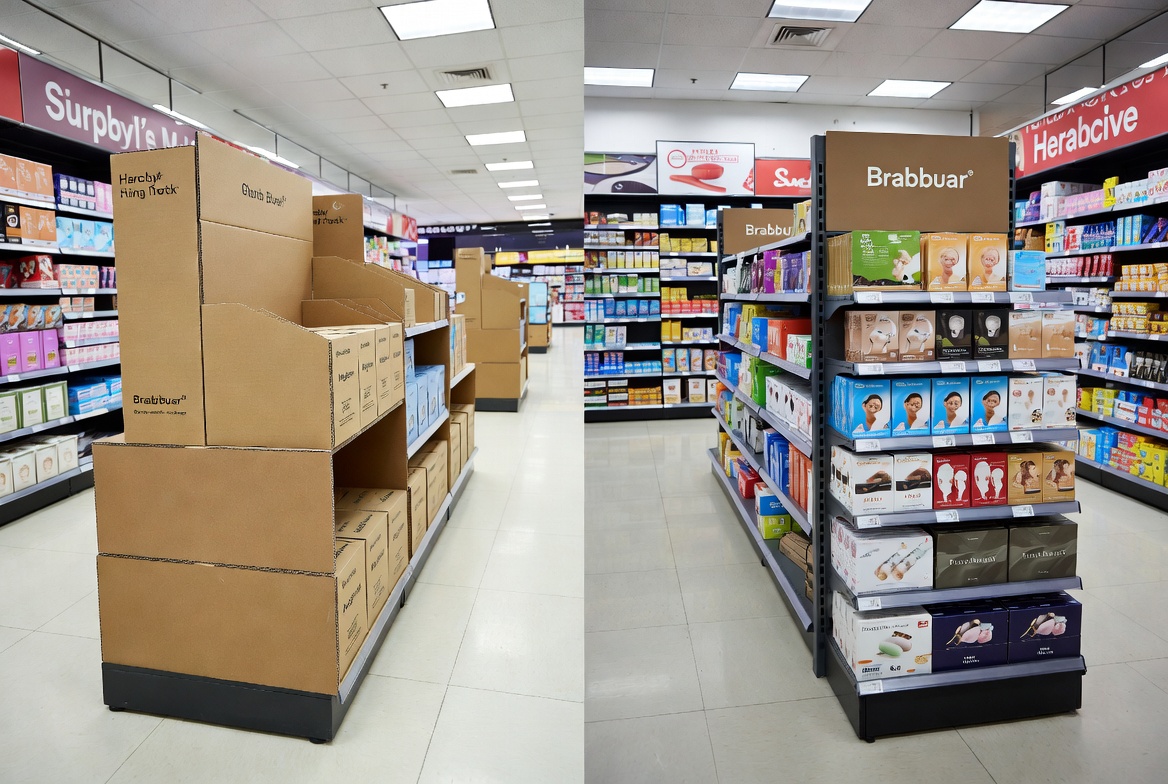
Eco-friendly display stands are retail presentation structures made primarily from recyclable, renewable, or low-impact materials such as corrugated board, paperboard, and sometimes responsibly sourced wood or bio-based composites. They are designed to reduce environmental footprint across the life cycle: raw materials, printing, finishing, use in-store, and end-of-life disposal. [xkdisplay]
Key characteristics:
- High use of recyclable substrates like cardboard and paper-based materials. [xkdisplay]
- Inks and coatings optimized for reduced emissions and easier recycling. [xkprint-pack]
- Construction engineered for flat-packing and efficient transport to cut fuel use. [xkdisplay]
- Designs that balance visual impact with material efficiency.
In practice, this means brands can refresh point-of-sale campaigns without creating long-term plastic waste.
What Are Plastic Retail Displays?
Plastic retail displays are fixtures made from materials such as PVC, acrylic, PET, or ABS, often used for durable shelving, branded racks, and permanent store fixtures. They are common in electronics, cosmetics, and high-traffic supermarkets where long service life and rigidity are prioritized. [xkprint-pack]
Typical features:
- Rigid structure with high resistance to impact and moisture. [xkdisplay]
- Smooth surfaces suitable for screen printing, decals, and molded logos. [xkprint-pack]
- Often used as semi-permanent or permanent installations in chain retail environments.
However, these displays usually rely on fossil-based materials and can be difficult to recycle at scale, especially when mixed with metal fittings and complex graphics.
Side-by-Side Comparison for Retail Decision Makers
Performance, Durability, and Flexibility
From a practitioner's view, the choice is rarely "eco vs plastic" in isolation; it is a balance of campaign length, environment, and budget.
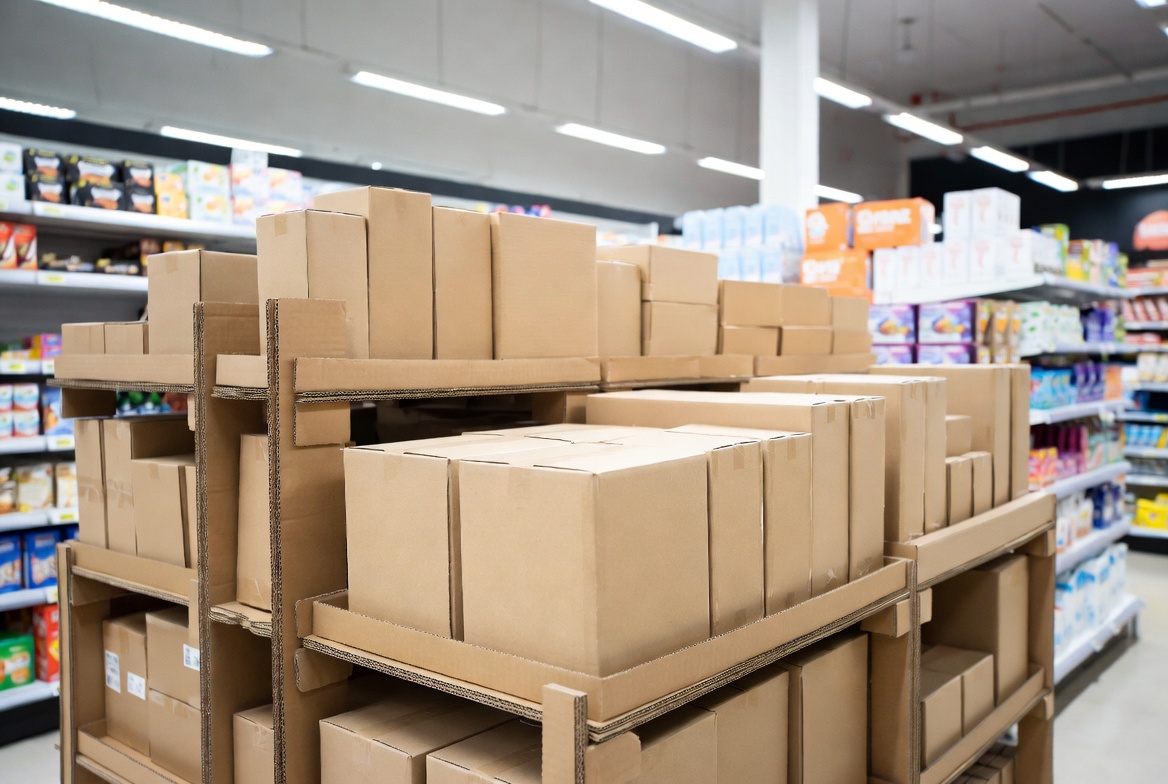
- Eco-friendly display stands are ideal for seasonal promotions, product launches, and fast-moving campaigns. Their strength is agility: quick design changes, fast printing turnarounds, and light weight for distribution to many outlets. [xkdisplay]
- Plastic retail displays excel as long-term fixtures. They withstand cleaning, accidental knocks, and high humidity for extended periods in one location. [xkdisplay]
In stores with frequent merchandising resets, the flexibility of cardboard structures often outweighs the nominal durability advantage of plastic.
Environmental Impact and End-of-Life
Retail and brand teams increasingly evaluate the footprint of each promotional cycle.
- Eco-friendly stands typically rely on fiber-based materials that can enter established recycling streams after use. [xkdisplay]
- Many plastic displays end up in general waste because mixed materials, adhesives, and embedded graphics complicate recycling. [xkprint-pack]
This difference directly affects corporate responsibility reporting. Large brands that operate in multiple regions find it easier to standardize end-of-life processes when displays are predominantly paper-based and marked clearly for recycling.
Branding, Storytelling, and Consumer Perception
On the shop floor, every structure is part of the brand narrative.
- Cardboard and paperboard displays can visibly communicate eco-conscious values, using natural textures, minimalist graphics, and messaging about responsible packaging. [xkdisplay]
- Plastic fixtures can project a sleek, technical image suitable for electronics and premium categories but do not inherently signal environmental responsibility. [xkdisplay]
Retailers that want to align with responsible consumption trends often prefer eco-friendly structures because they support the brand story visually as well as operationally.
Cost Structure and Logistics
Experienced buyers usually evaluate total landed cost, not just the unit price.
- Eco-friendly stands are typically lighter, allowing more units per shipment and reducing per-store freight costs. [xkdisplay]
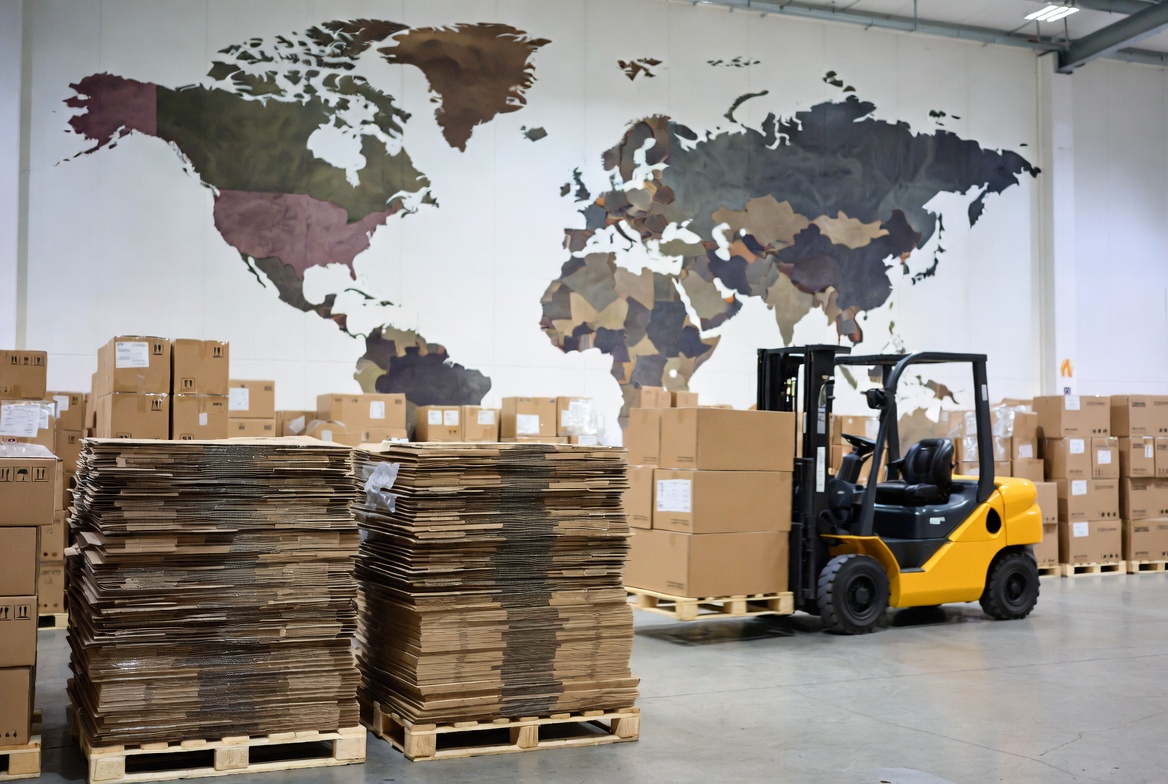
- Flat-packed cardboard constructions simplify handling at warehouses and retail backrooms, cutting assembly time and labor pressure. [xkdisplay]
- Plastic displays can be economical for very long campaigns where the initial investment is spread over years of use, but freight and warehousing are usually higher per unit due to weight and volume. [xkprint-pack]
For multi-country campaigns with hundreds or thousands of outlets, transport efficiency and simple assembly often become decisive.
Practical Comparison Table
Material and Printing Technologies Behind Eco-Friendly Stands
From a production expert's angle, the quality of eco-friendly stands is defined by material engineering and print control rather than simple "paper vs plastic" labels.
Advanced Substrates and Structural Design
Manufacturers with specialized capacity in display stands use engineered corrugated grades and composite boards to enhance strength without excessive weight. Die-cutting, slot-lock systems, and reinforced panels allow structures to carry significant load while remaining foldable and easy to transport. [xkdisplay]
This means an eco-friendly floor stand can hold multiple layers of product—such as bottled items, boxed goods, or small appliances—while maintaining dimensional stability throughout a promotional cycle.
Color, Graphics, and Finishing
Eco-conscious displays can still deliver high-impact visuals. Modern printing lines provide:
- High-resolution offset or digital printing on coated and uncoated boards. [xingkun.crpjc]
- Controlled color reproduction for brand-critical tones and gradients.
- Selective varnish or laminations applied strategically to balance protection and recyclability. [xkprint-pack]
Experienced producers adjust ink coverage, screening, and finishing to avoid cracking at folds and to keep graphics readable even after extended store exposure.
Real-World Use Cases from Global Campaigns
Working with brands and distributors in more than thirty countries exposes practical patterns in how display strategies evolve. [xingkun.crpjc]
Fast-Moving Consumer Goods Campaigns
In fast-moving consumer goods, teams often choose eco-friendly stands for limited-time offers, cross-merchandising, and seasonal themes. Lightweight structures move easily through complex supply chains, and regional marketing teams can localize messaging quickly while keeping the core design consistent. [xkdisplay]
Retailers appreciate the ease of end-of-campaign handling: displays are collapsed, segregated, and directed toward recycling streams instead of bulky plastic removal.
High-Value or Technical Products
For high-value products such as electronics accessories or small equipment, some retailers still rely on plastic fixtures for long-term bays and wall systems. These units carry accessories through many product cycles and provide rigid protection and cable management. [xkdisplay]
In these environments, a hybrid strategy often works best: permanent plastic or metal shelving units combined with eco-friendly toppers, headers, and side panels that change with campaigns and product highlights.
Practical Selection Framework for Retail Teams
From an operational perspective, choosing between eco-friendly and plastic displays can follow a simple decision framework.
Key Questions to Ask Internally
Teams can review the following questions during planning:
1. Campaign duration – Is the display expected to run for weeks, months, or years?
2. Number of locations – How many stores, regions, or channels need the same structure?
3. Product weight profile – Are the products lightweight boxed goods or heavy bottles?
4. End-of-life process – How do stores currently handle used fixtures and printed materials?
5. Brand positioning – Does the brand emphasize responsibility, technical performance, or luxury?
Answering these points provides a realistic basis for selecting the primary display type and deciding whether additional recyclable components are needed.
Implementation Steps for Eco-Focused Programs
When teams lean toward eco-friendly stands, typical steps include:
- Define exact product loads and shelf counts to guide structural design.
- Align artwork with clear, readable messaging and minimized unnecessary finishing.
- Plan logistics so stands arrive flat-packed with simple assembly instructions.
- Coordinate with regional retail partners on recycling and removal processes.
This structured approach reduces risk during roll-out and keeps the focus on consistency across markets.
Expert Insights on Future Retail Display Trends
Industry practitioners and manufacturing specialists are seeing a steady move toward fiber-based display solutions supported by better design tools and improved substrate performance. [xkdisplay]
Several patterns stand out:
- Hybrid fixtures combining permanent frames with replaceable eco-friendly panels.
- Increased use of life-cycle thinking when comparing materials and print options.
- More collaboration between marketing teams and production partners to harmonize impact, practicality, and responsible material use. [xingkun.crpjc]
Manufacturers who invest in high-precision printing and engineered cardboard structures are positioned to support these trends with reliable supply and consistent quality.
When Eco-Friendly Display Stands Are the Better Choice
From a practical decision-making standpoint, eco-friendly stands become the preferred option when:
- Campaigns rotate frequently and creative assets must change quickly.
- Brands want in-store structures to visibly express responsible product positioning.
- Retailers operate in regions with consistent paper recycling infrastructure.
- Logistics and handling efficiency are critical due to dispersed outlets. [xkdisplay]
In these scenarios, fiber-based structures reduce complexity at the end of each campaign and support communication goals at the same time.
When Plastic Retail Displays Still Make Sense
Plastic fixtures remain relevant in several situations:
- Long-term branded fixtures in a single chain or narrow product category.
- High-humidity or outdoor-adjacent environments where moisture resistance is essential. [xkdisplay]
- Heavy product requirements where structural rigidity outweighs other factors. [xkprint-pack]
Even here, many teams now supplement permanent fixtures with swap-out printed components, allowing them to integrate more responsible materials without changing the entire structure.
Choosing the Right Retail Display Strategy
Retail display decisions are most effective when they balance material performance, logistics, and brand narrative instead of focusing on one factor alone. Eco-friendly display stands give modern brands a practical way to combine visual impact, efficient handling, and responsible material use, while plastic retail displays still play a role in specific long-term or heavy-duty applications. By aligning campaign duration, product requirements, and store operations with the strengths of each option, teams can build an in-store presence that supports both commercial objectives and long-term responsibility. [xkdisplay]
FAQs
Q1: Are eco-friendly display stands strong enough for heavy products?
In many cases they are, especially when engineered corrugated grades and reinforced structures are used; detailed weight testing is typically part of development. [xkdisplay]
Q2: Do eco-friendly stands cost more than plastic displays?
Total cost depends on campaign duration and logistics; for multi-location short to mid-term campaigns, lighter materials and flat-packing often reduce overall program cost. [xkprint-pack]
Q3: Can eco-friendly displays support high-quality graphics and complex branding?
Yes, modern printing and finishing technologies on cardboard and paperboard allow detailed images, gradients, and brand-accurate colors while maintaining structural integrity. [xingkun.crpjc]
Q4: How do retailers handle eco-friendly displays after campaigns end?
Most structures are collapsed and directed into paper recycling streams, simplifying disposal and reducing residual waste compared with mixed-material plastic fixtures. [xkdisplay]
Q5: Is it possible to use both eco-friendly and plastic displays in the same store?
Many retailers combine permanent plastic or metal fixtures with replaceable fiber-based headers, toppers, and standees to balance durability and responsible material use. [xkdisplay]
References
1. Shenzhen XingKun Packing Products Co., Ltd – Company profile and printing capabilities. [xingkun.crpjc]
2. XINGKUN Display Stands – Product and material overview. [xkdisplay]
3. XINGKUN Chinese-language display stand page – Manufacturing focus and solutions. [xkdisplay]
4. XINGKUN homepage – Packaging, playing cards, and display expertise. [xkdisplay]
5. Shenzhen XingKun Packing Products Co., Ltd Knowledge and news pages – Industry insights and practices. [xkprint-pack]
6. XINGKUN knowledge resources – Printing, packaging, and display information. [xkprint-pack]
7. XINGKUN article on retail display stands and impact in-store. [xkdisplay]